





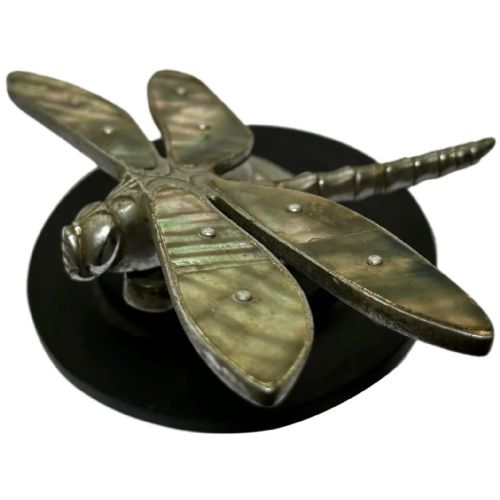


Antique Hood Ornament
An antique hood ornament brings kinetic energy to the bonnet, transforming a classic motor car with sculptural bronze and glass.
Antique Hood Ornament
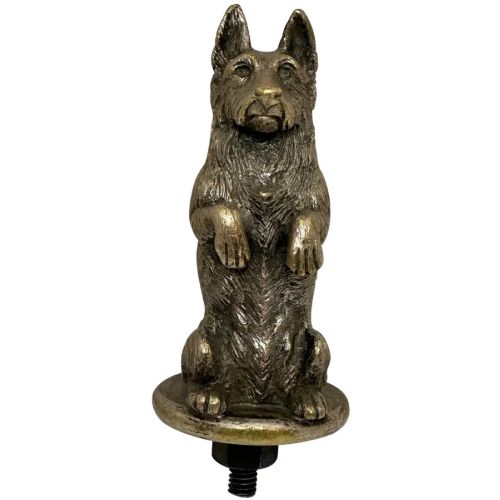
When you search for an antique hood ornament, you encounter heavy metal figures and translucent glass mascots designed to mount on vintage radiator caps. The examples gathered here span from late Victorian and Edwardian curiosities to aerodynamic Art Deco creations.
Most pieces date from the 1920s and 1930s, reflecting the golden age of motoring when manufacturers and coachbuilders supplied bespoke ornaments. You will find both utilitarian car mascots intended for road use and desk sculptures cast by the same prominent artists.
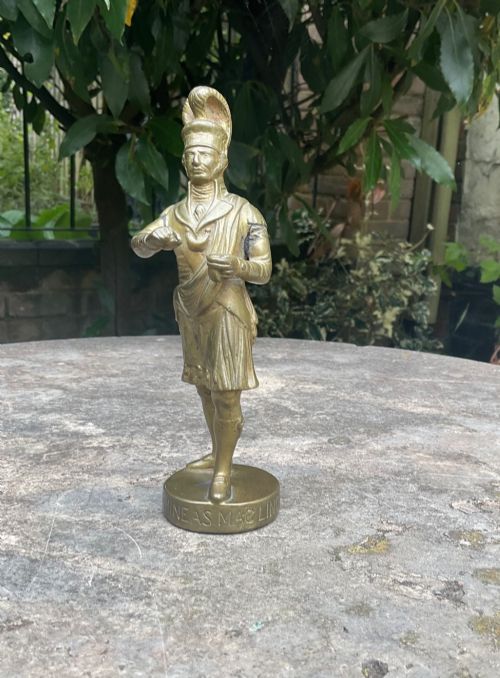
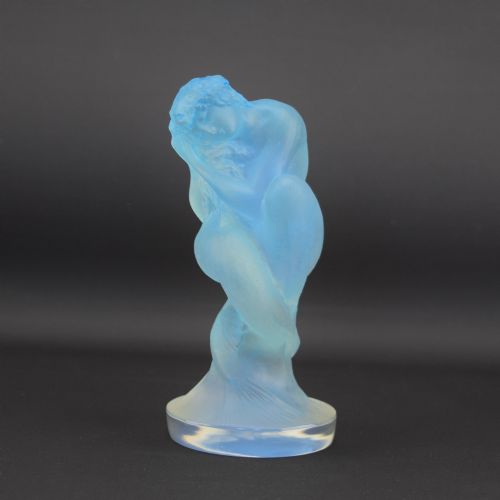
The selection ranges from stylised animal forms like greyhounds and pug dogs to mythological figures and female nudes. Certain items originate as Staffordshire pottery figures or decorative bronzes adapted into automotive fittings by period enthusiasts.
Materials and casting methods
Makers utilised bronze as the primary medium for durable metal mascots, frequently applying patination, cold paint, or chrome plating to the surface. Molten metal was poured using the lost-wax method or sand casting, capturing fine details in fur, feathers, and drapery.
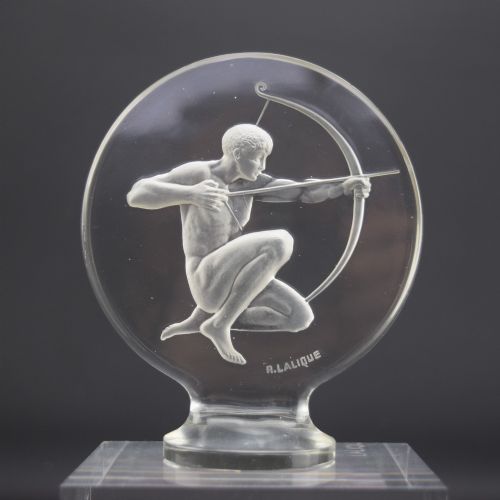
Glass mascots relied on mould-pressed production, particularly using clear, frosted, or opalescent glass to catch the sunlight on the open road. Makers such as René Lalique produced thick-walled glass sculptures that required careful annealing to withstand vibration.
Some mounted figures combine solid bronze castings with heavy marble or alabaster bases for indoor display rather than vehicular use. Gilt bronze and silver plating appear on special commissions, marking out pieces intended for exhibition vehicles.
Antique Hood Ornament Retail Price Guide 2026
Typical asking prices for hood ornament among the pieces listed under this phrase on Sellingantiques today, from the lower quarter to the upper quarter. They describe what is for sale here now, not the wider market.
The listings span multiple decades from the 19th century through the 1940s, uniting bronze, moulded glass, and Staffordshire pottery figures.
Distinctions in craftsmanship
For moulded glass pieces, the depth of the opalescence and the absence of heavy casting seams dictate desirability. Examples that retain their original mounting hardware or bear clear signatures demonstrate greater integrity than unmarked or later recast versions.
Rene Lalique·Louis Lejeune·Desmo·Asprey
The Antique Hood Ornament Glossary
- Car mascot
- An alternative term for a hood ornament, fitted to the top of the radiator cap of a motor car. These items served both a decorative purpose and functioned as personal statements for the motorist.
- Lost-wax casting
- A metalworking process where a molten metal is poured into a mould that has been created by means of a wax model. This technique allows for intricate undercuts and delicate surface textures.
- Opalescent glass
- A milky, translucent glass that appears blue when viewed by transmitted light and yellowish-orange by reflected light. This optical property made it a favourite for illuminated radiator ornaments.
- Cold painted bronze
- Bronze sculpture finished with oil-based paints that are not fired in a kiln. The technique was widely used in Vienna for small animal and human figures.
- Patination
- The natural or chemical process that alters the surface colour of bronze over time. Artists often controlled this chemically to accentuate the contours of a figure.
Antique Hood Ornament: Frequently Asked Questions
How do I mount a mascot?
Most antique mascots feature a threaded bolt or a specific base collar designed to screw directly into the radiator cap of a vintage vehicle.
For pieces lacking original fittings, specialists can fabricate brass adapters to secure the ornament safely without damaging the antique metal.
Were these used on cars?
Many examples were manufactured specifically for exterior automotive use, engineered to withstand wind resistance and vibration during motoring.
Others were produced purely as cabinet bronzes or desk sculptures, later adapted by owners to serve as bonnet ornaments.
How do I clean bronze safely?
Dust bronze pieces gently with a soft brush and maintain the existing surface without resorting to aggressive metal polishes that strip the patination.
Applying a light coat of microcrystalline wax helps protect the finish from atmospheric moisture and handling.
Are glass mascots fragile?
Moulded glass ornaments were cast in heavy sections specifically to endure the rigours of early motoring, but they remain susceptible to thermal shock and impact.
When fitted to a running vehicle, rubber washers are essential between the glass and the metal base to absorb engine vibrations.