

Antique Hollowware
Antique hollowware comprises vessels designed to hold food and drink, offering both functional utility and enduring decorative appeal for the table.
Antique Hollowware
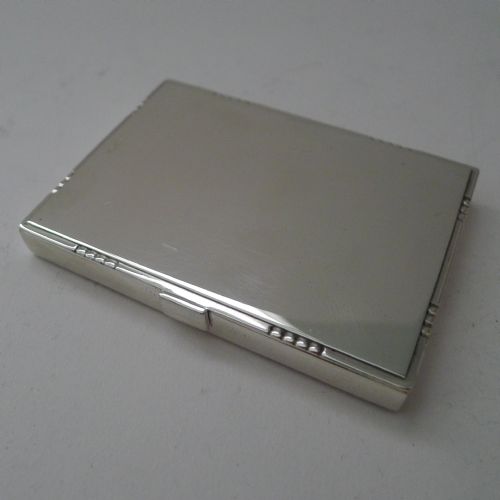
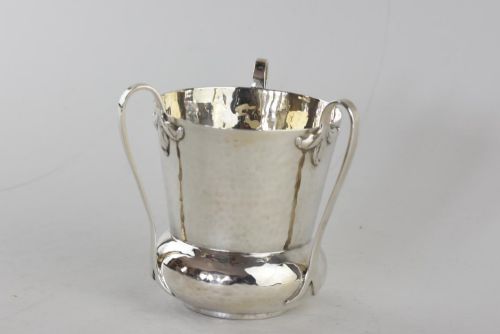
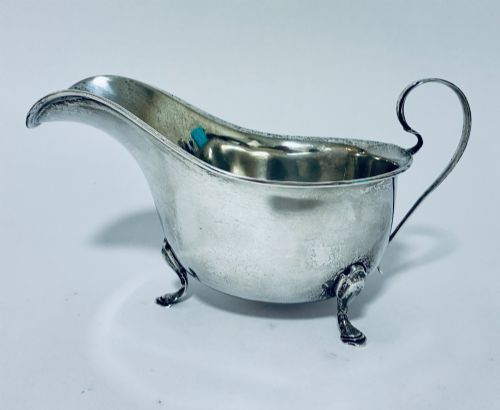
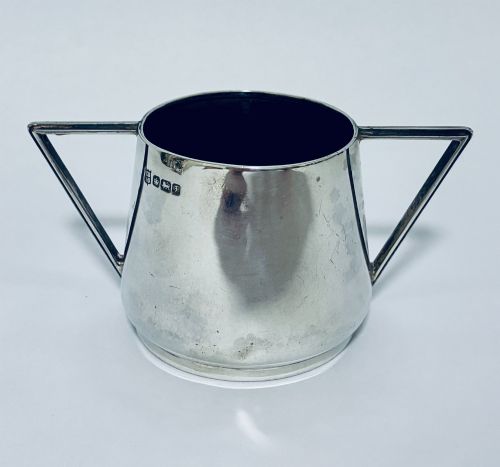
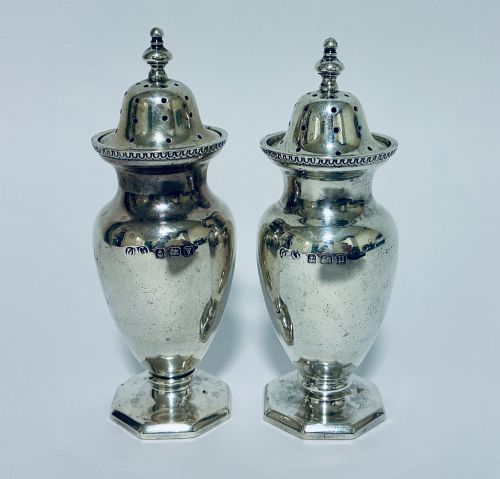
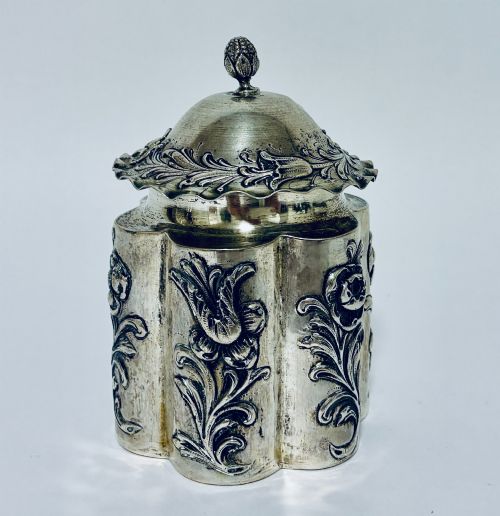
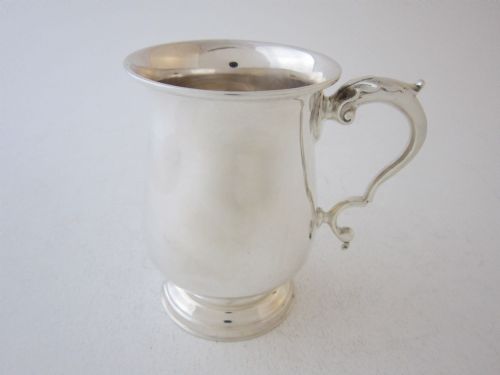
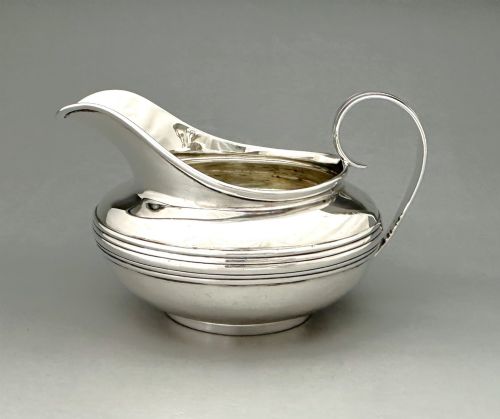
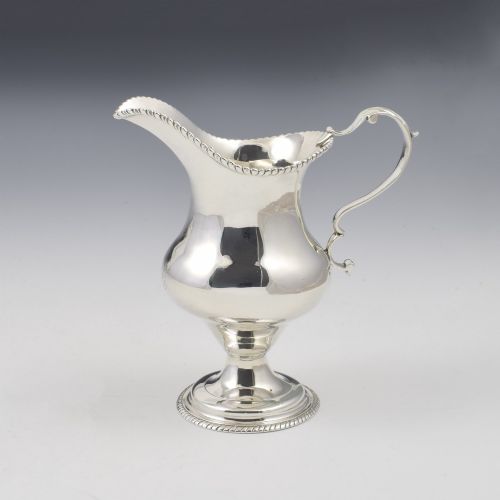
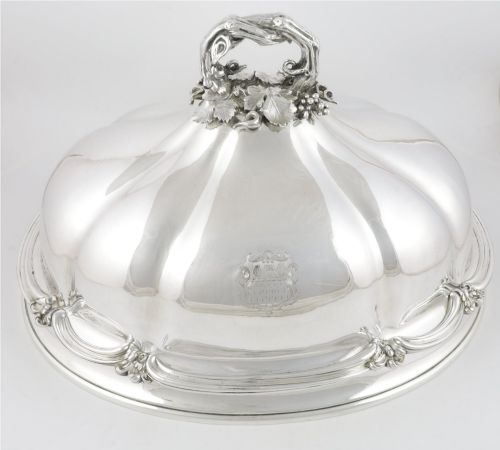
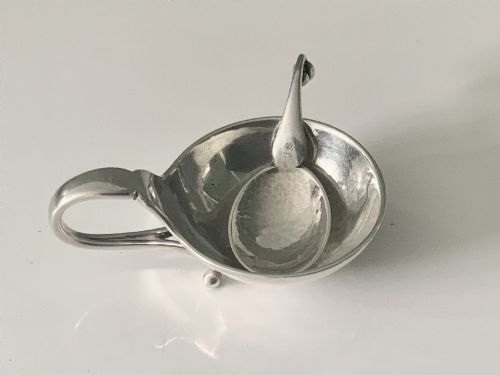
When you search for antique hollowware, you are looking at hollow vessels intended for domestic service, dining, and display. The selection on this page spans practical forms such as teapots, cream jugs, sauce boats, sugar bowls, and christening mugs.
These items originate from various eras, ranging from the Georgian period through the Victorian, Edwardian, and Art Deco years. Common materials include sterling silver, silver plate, copper, and occasional accents of wood or bone.
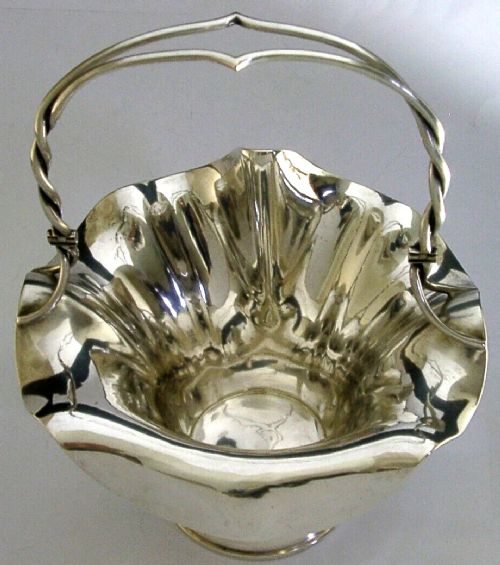
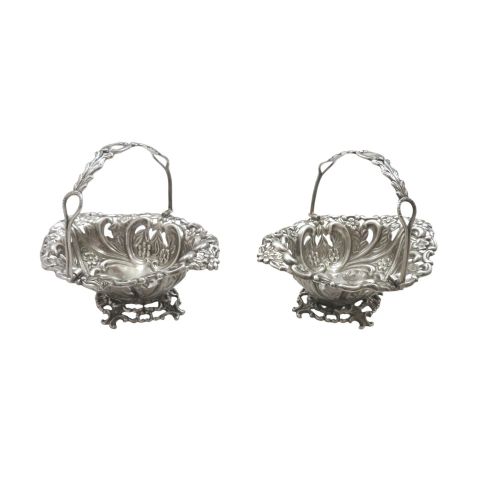
Vessels take many shapes, from Georgian bullet teapots and sauce tureens to Edwardian biscuit barrels and baskets. Each piece reflects the dining habits and interior aesthetics of its respective period.
Quality Variations
The standard of a piece rests upon the weight of the metal, the crispness of chased or pierced decoration, and the integrity of construction. Heavier gauge silver provides a more substantial feel in the hand compared to lighter alternatives.
Maker reputation and the complexity of the form distinguish standard domestic items from exceptional studio or workshop output. Clean soldering seams and well-preserved hallmarks further separate superior examples.
Some vessels double as portable gravy warmers, proving that historical diners took their warm sauces very seriously indeed.
Georg Jensen·Lambert and Co·Paul Storr·Mappin & Webb
The Antique Hollowware Glossary
- Hollowware
- A classification for tableware vessels such as pots, jugs, kettles, and baskets that are hollow rather than flat.
- Silver-Gilt
- Silver that has been coated with a thin layer of gold on its surface, often used for the interior of cups and casters.
- Old Sheffield Plate
- A composite material made by fusing a sheet of silver to a thicker base of copper, common in Georgian manufacturing.
- Tyg
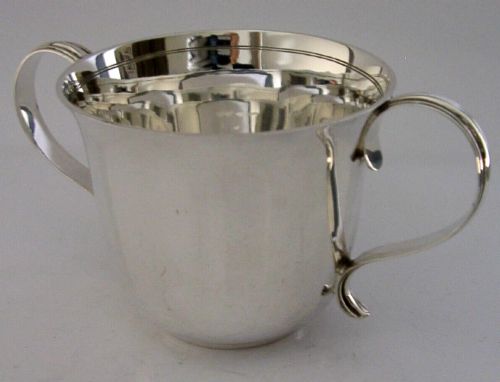
- A large drinking vessel with three or more handles, designed for communal passing around a table.
- Porringer
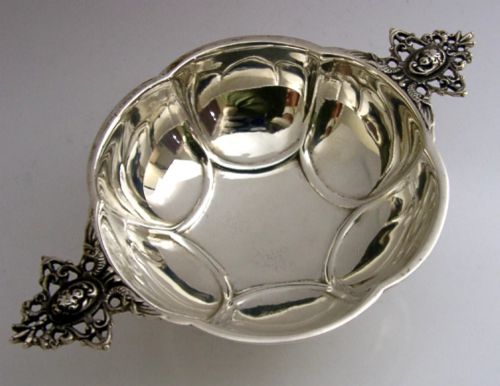
- A small, shallow bowl with one or two horizontal handles, historically used for porridges or broths.
Antique Hollowware: Frequently Asked Questions
What is antique hollowware used for?
These vessels served practical functions in food and drink preparation, storage, and serving during meals. Items like teapots, cream jugs, and sauce boats were standard table accessories.
Today, collectors use them to set a traditional dining table or display them as decorative silver objects in a cabinet.
How do I identify Georgian pieces?
Georgian items often display classic proportions, restrained ornamentation, and specific maker marks or sterling hallmarks associated with the eighteenth and early nineteenth centuries.
Weight, construction methods like Old Sheffield Plate, and hand-beaten finishes also point towards this earlier era of production.
How should I clean silver hollowware?
Silver vessels require gentle cleaning with appropriate non-abrasive polishes formulated specifically for silver to preserve the underlying metal and any finer details.
Avoid harsh chemical dips that can strip patination or damage organic elements like wood and bone handles.
What is the difference between silver and silver plate?
Solid silver or sterling silver consists of a high purity metal standard throughout the entire wall of the vessel.
Silver plate involves a thin layer of silver bonded to a base metal, such as copper or a cheaper alloy, which was common in Old Sheffield Plate and later plated wares.