






Antique Heraldry
Antique heraldry pieces bring centuries of lineage and crestwork into your home, offering painted panels, carved wood and historic prints that tell noble stories.
Antique Heraldry
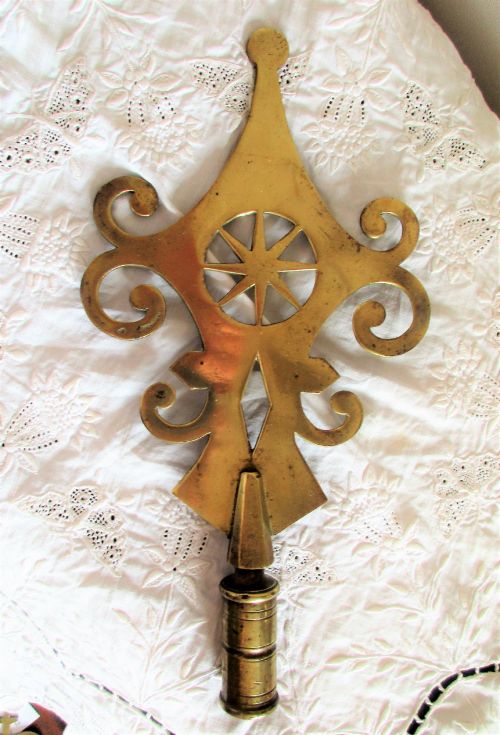
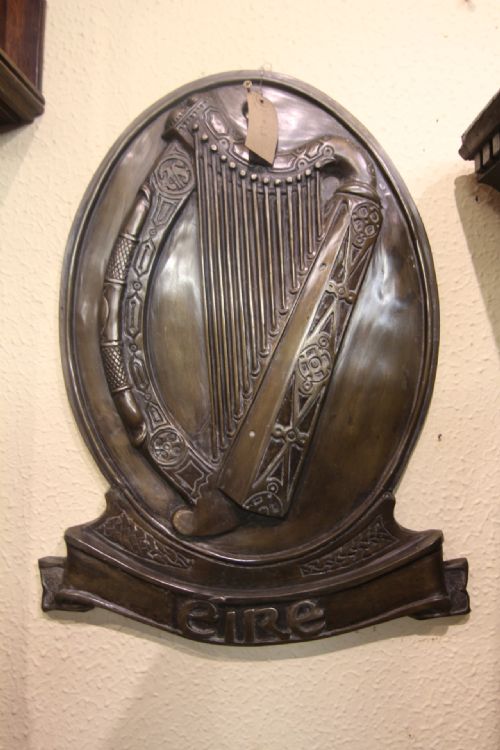
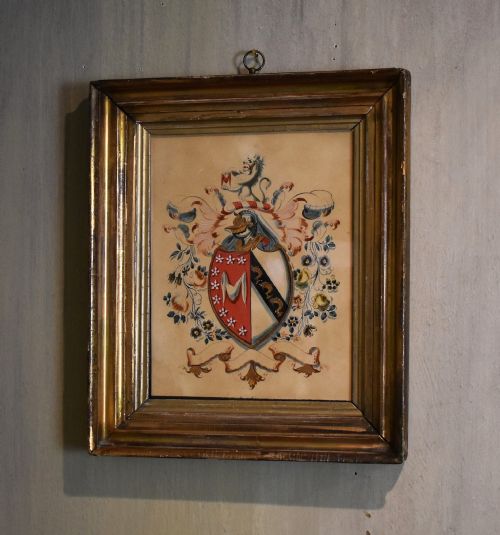
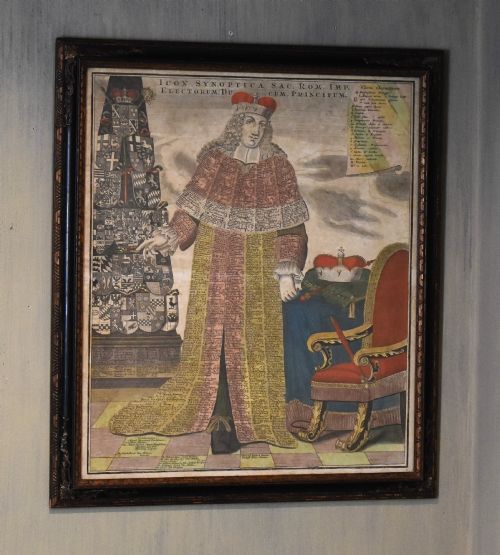
When you search for antique heraldry, you encounter a diverse array of wall plaques, framed prints and carved architectural salvage that display historic family crests and coats of arms. These objects bridge decorative art and genealogy, recording specific lineages through visual symbols.
You are most likely to meet 19th century painted panels and framed artwork on this page, alongside earlier carved wooden finials and mid-century plaques. The materials span oil paint on glass, carved oak, walnut, marble and paper documents.
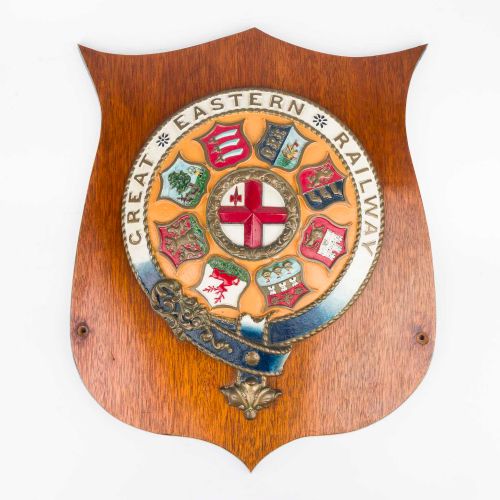
Originating from British, European and Celtic traditions, these pieces reflect distinct historical periods from the 17th century through to the 1930s. Each item serves as a tangible link to past families, railways, or imperial authorities.
Materials and construction
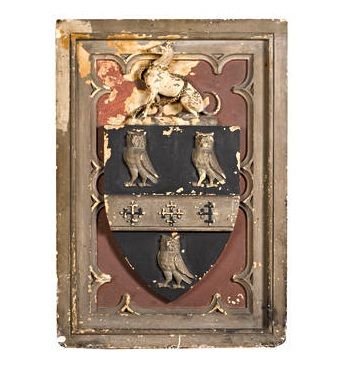
Carved wooden elements utilise oak, walnut and giltwood, shaped into newel post finials, wall shields and architectural panels with hand-chiselled detail. These wooden supports provide durable foundations for intricate armorial relief work.
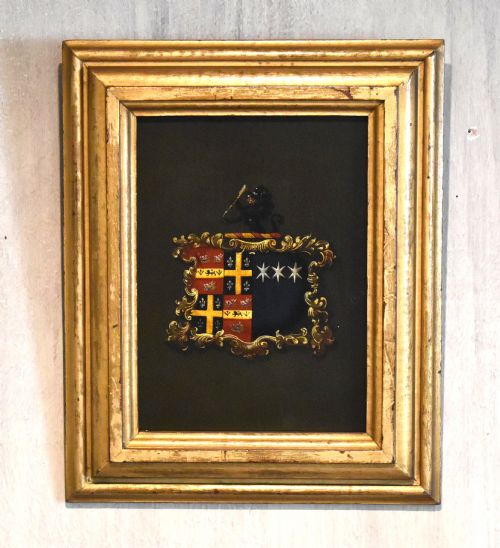
Painted works employ oil paint on glass, watercolour on paper, and polychrome pigments on plaster or bronze. These surfaces capture the precise tinctures and metal hues required by traditional heraldic rules.
Paper documents and prints utilise period printing and manuscript techniques to record genealogies and historical crests, often framed for preservation and display.
Antique Heraldry Retail Price Guide 2026
Typical asking prices for heraldry among the pieces listed under this phrase on Sellingantiques today, from the lower quarter to the upper quarter. They describe what is for sale here now, not the wider market.
Listings feature items spanning from the 17th century to 1930, utilising glass, paper, wood, oak, giltwood, oil paint and plaster.
Factors of quality
The refinement of the carving or brushwork defines the upper tier of these pieces, where heraldic tinctures and animal forms are rendered with anatomical and artistic precision. Lesser examples show simplified, hurried application of paint or coarser chisel marks.
Material integrity and original preservation separate exceptional items from heavily restored pieces, particularly in fragile mediums like painted glass, plaster panels and old paper documents.
The Antique Heraldry Glossary
- Armorial
- Relating to heraldic arms or a coat of arms. It describes items decorated with familial or institutional crests.
- Newel Post Finial
- A decorative ornament placed at the top of a stair newel post. Carved lion finials often incorporate heraldic elements.
- Giltwood
- Wood that has been treated with gold leaf or a gold-coloured gilt finish. It frequently highlights carved crests and frames.
- Coaching Panel
- A painted section removed from a horse-drawn carriage. These often display the owner's coat of arms.
- Genealogy
- A line of descent traced continuously from an ancestor. Heraldic pieces often chart these ancestral connections visually.
Antique Heraldry: Frequently Asked Questions
What is antique heraldry?
Antique heraldry encompasses decorative objects, paintings, prints and carvings that display historic coats of arms, crests and lineages.
These pieces range from framed watercolours and oil paintings on glass to carved wooden wall shields and marble panels.
How were these pieces displayed?
Historically, armorial panels and wall plaques were mounted in grand halls, offices or private residences to signal lineage, allegiance or corporate identity.
Today, framed prints, genealogies and wall shields function as striking focal points in modern interiors.
How do I date a piece?
Dating relies on material analysis, framing styles, and the specific artistic conventions of periods such as the Georgian era, Victorian times or the 1930s.
Inscribed dates, written genealogies and the natural ageing of wood, glass and paper also provide clear chronological markers.
Can I identify the family crest?
Many pieces feature specific family names, mottos or recognizable heraldic symbols that connect directly to recorded genealogies and peerage guides.
Researching the depicted animals, crowns and shield divisions often reveals the origin of the lineage.