




Antique Hepplewhite Chest
An antique hepplewhite chest brings understated elegance to a room, offering refined proportions and classic Georgian craftsmanship.
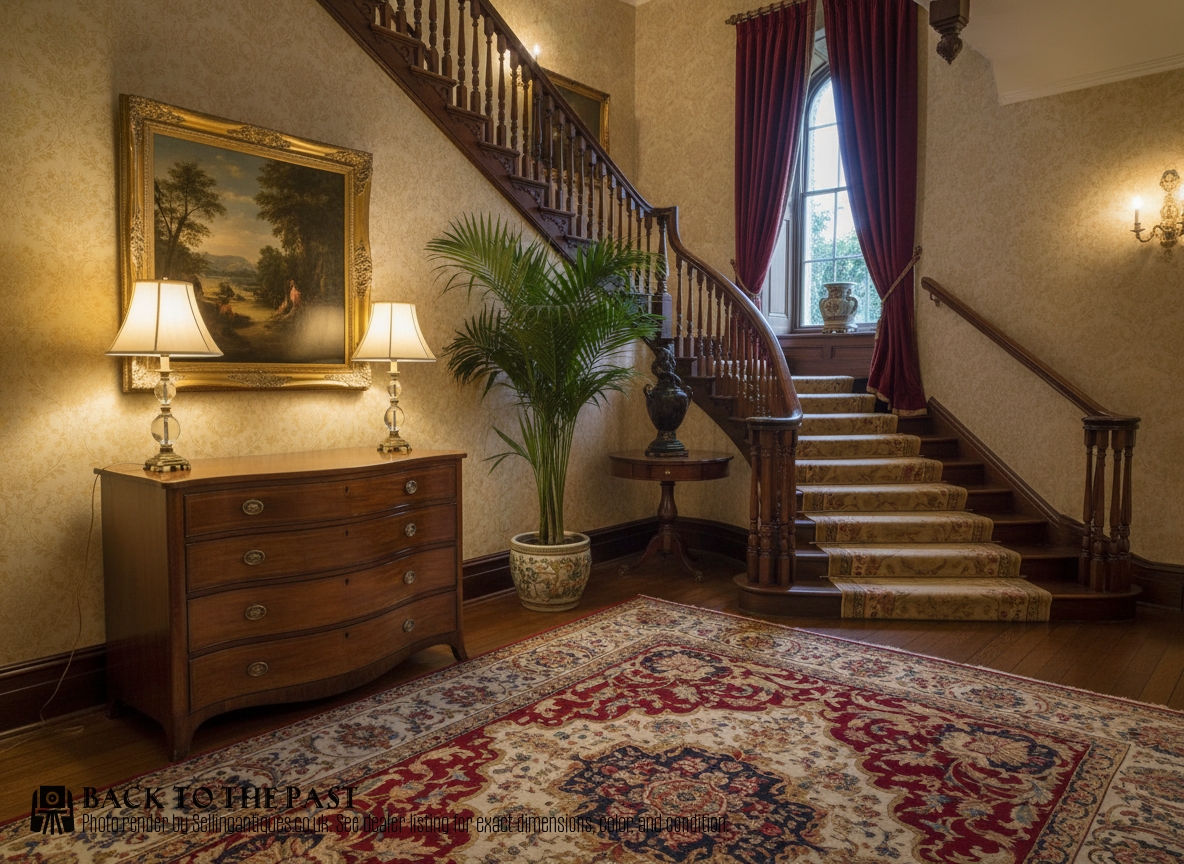
Antique Hepplewhite Chest
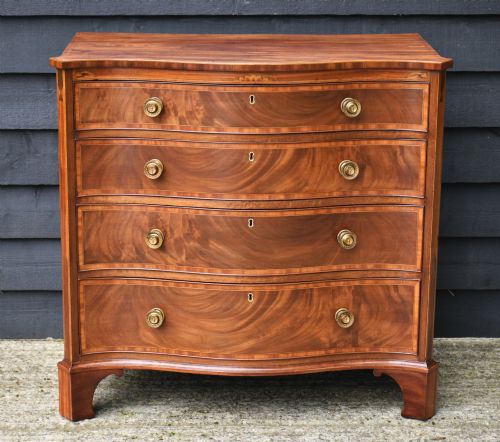
An antique hepplewhite chest represents a pinnacle of late eighteenth-century furniture design, defined by graceful serpentine or bow fronts and delicate proportions. When you search for an antique hepplewhite chest, you encounter pieces that range from original Georgian periods through to later revival interpretations.
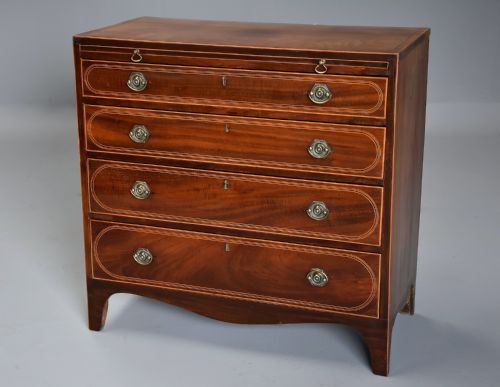
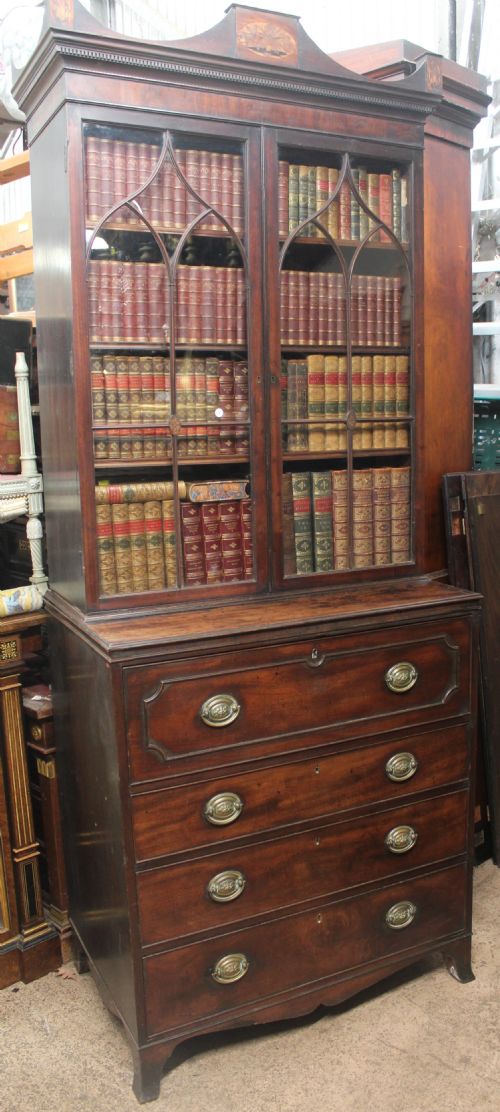
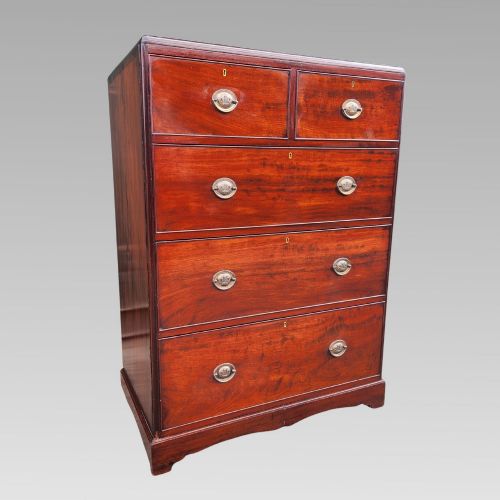
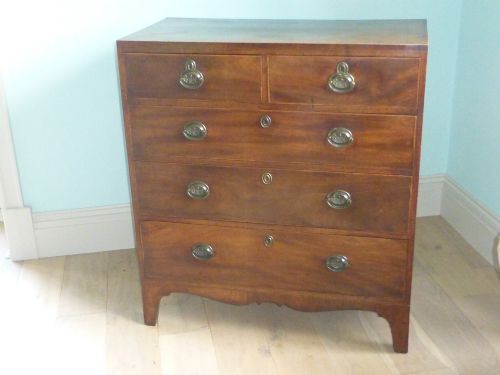
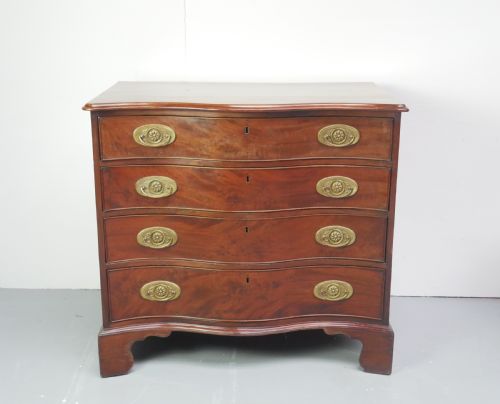
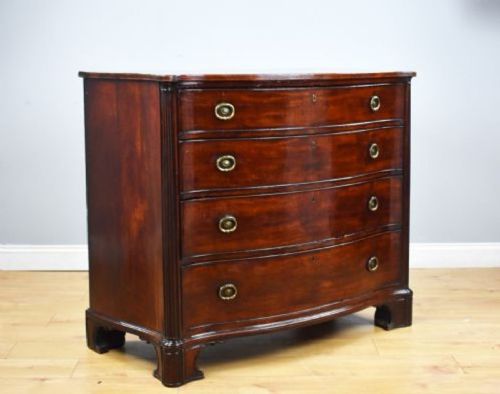
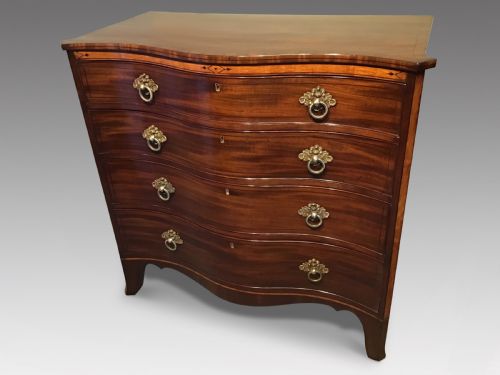
The primary forms on this page include mahogany chests of drawers, commodes, and gentleman's dressing chests featuring distinctive inlaid decoration. Many examples date from the Georgian and George III eras, alongside nineteenth-century Hepplewhite revival pieces.
These items served primarily as bedroom or dressing room storage, prized as much for their decorative woodwork as for their practical utility. Surviving pieces demonstrate the enduring appeal of classical cabinet making traditions.
How they were made
Cabinet makers constructed these pieces predominantly using solid and figured mahogany, often incorporating secondary timbers for internal drawer framing. Selected sections received decorative veneers to enhance the visual depth of the wood grain.
Surface decoration frequently relied on boxwood and satinwood inlay, creating sharp contrasting borders and geometric motifs around drawer fronts and top edges. Hardware typically consisted of brass drop handles or bail pulls mounted on shaped backplates.
The listings span from the eighteenth-century Georgian era through to the twentieth century, including Hepplewhite revival pieces.
What varies in quality
The standard of timber selection largely dictates the visual impact of each piece, with figured mahogany and complex satinwood inlay marking higher tiers of production. Original brass hardware and crispness in the execution of serpentine curves further separate standard examples from exceptional ones.
The precision of dovetail joinery in the drawer construction and the integrity of the secondary woods reveal the original workshop's competence. Later revival pieces differ from eighteenth-century originals in their construction signatures and ageing patterns.
Druce & Co
The Antique Hepplewhite Chest Glossary
- Serpentine
- A front contour characterised by a convex central section flanked by concave curves. This shape requires advanced woodworking skill to execute properly.
- Bowfront
- A convex curved front that swells outward from the corners. It became a popular alternative to flat fronts during the Georgian period.
- Inlay
- A technique where pieces of contrasting wood like boxwood or satinwood are inserted into recesses within the primary surface. It creates decorative borders and panels.
- Commode
- A decorative cabinet or chest of drawers designed for household storage. In eighteenth-century contexts, the term often applies to sophisticated serpentine pieces.
Antique Hepplewhite Chest: Frequently Asked Questions
What is an antique hepplewhite chest?
An antique hepplewhite chest is a piece of storage furniture originating in the late eighteenth century or later revivals, characterised by elegant curved fronts and inlaid woodwork.
These pieces typically feature mahogany construction and refined decorative details associated with the classical design style.
How do I date an antique hepplewhite chest?
Dating relies on examining timber characteristics, construction methods such as dovetailing, and the presence of original hardware. Eighteenth-century examples display period-specific joinery and hand-cut elements.
Revival pieces from the late nineteenth or early twentieth century often utilise machine-sawn components alongside stylistic copies of earlier designs.
Where were these chests used?
These chests functioned primarily as bedroom furniture for storing clothing and personal items. Some variations included dressing slides or compartments for grooming.
In modern settings, they serve equally well as statement storage pieces in living rooms or hallways.
What materials are used in these chests?
Mahogany serves as the primary timber across the majority of pieces, frequently enhanced with figured grain patterns. Boxwood and satinwood provide the contrasting inlay details.
Hardware is predominantly brass, ranging from simple drop handles to decorative backplates.