





Antique Heavy Bookends
These antique heavy bookends anchor your volumes with substantial weight and period character, spanning brass, bronze, cast iron, and marble forms.
Antique Heavy Bookends
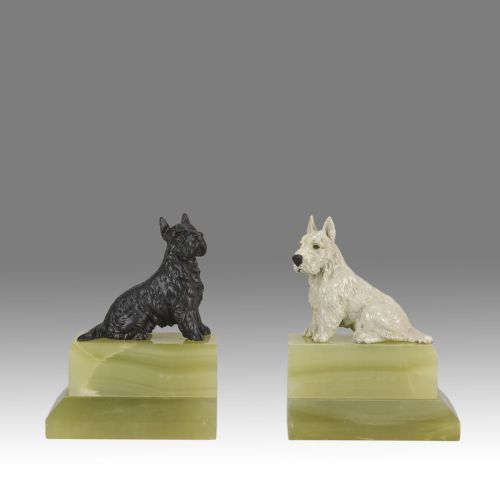
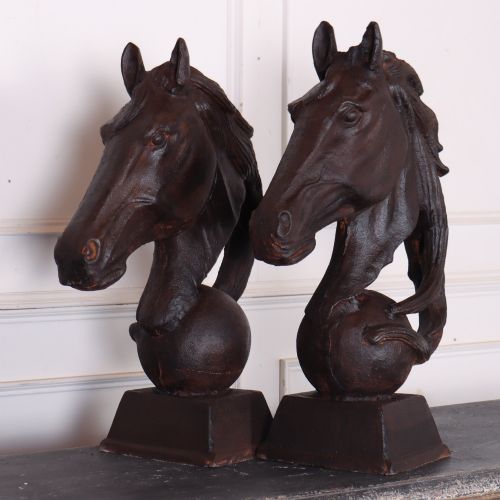
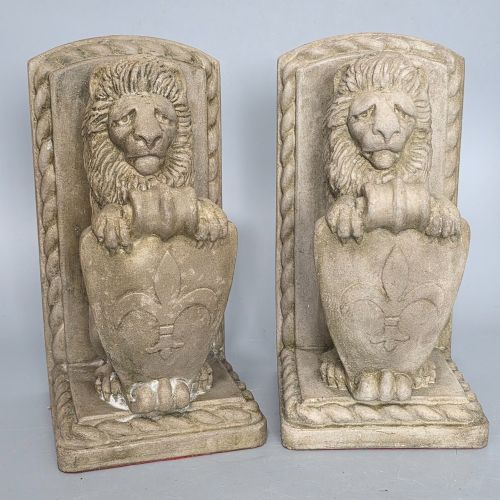
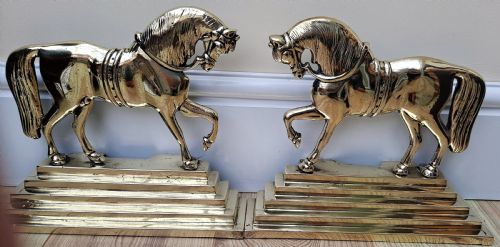
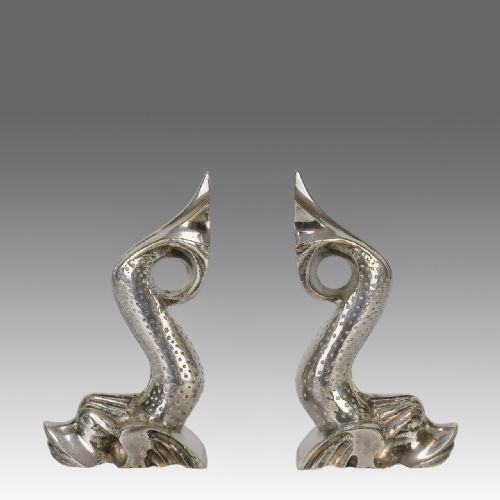
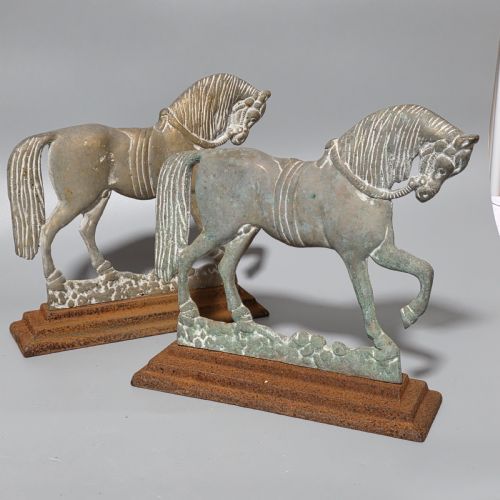
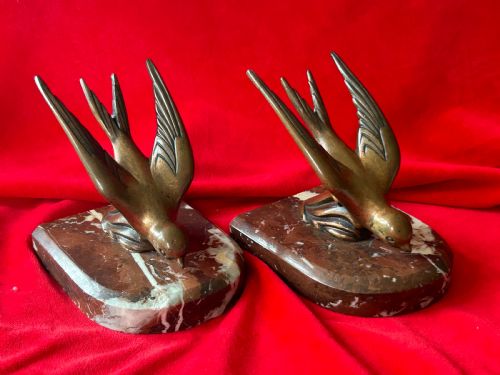
When you search for antique heavy bookends, you encounter functional shelf supports designed to hold rows of books upright through their own mass. These pieces appear in forms ranging from sculptural animals and classical figures to utilitarian architectural metals.
Beyond standard book rests, the inventory frequently includes adapted items such as heavy doorstops and sculptural groups that serve the same stabilizing purpose on a library shelf. Origins span English, French, Austrian, and Asian workshops, reflecting diverse domestic interiors.
Evaluating Quality
Quality rests in the crispness of the cast and the integrity of the materials, where finely chased bronzes and heavy, solid brass surpass lighter hollow forms. The weight distribution determines utility, as denser bases keep books secure under pressure.
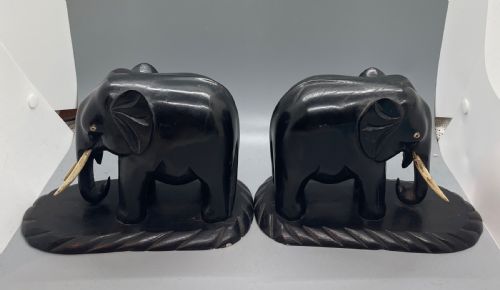
Artistic execution distinguishes standard production from superior examples, visible in the naturalistic modelling of animal figures and the precision of carved wooden details. Original patination and intact painted or patinated surfaces preserve the historical character of the piece.
Antique Heavy Bookends Retail Price Guide 2026
Typical asking prices for heavy bookends among the pieces listed under this phrase on Sellingantiques today, from the lower quarter to the upper quarter. They describe what is for sale here now, not the wider market.
Listings feature cast iron, brass, bronze, marble, ebony, and hardwood across Victorian, Edwardian, and Art Deco periods.
F Abella & Sons·Franz Gruber·C Omin
The Antique Heavy Bookends Glossary
- Spelter
- A zinc alloy commonly used as a cheaper alternative to bronze in nineteenth and twentieth-century figures. It is softer than bronze and typically carries a painted or bronzed finish.
- Cold Painted
- A technique where bronze or metal sculptures are painted with oil or cold enamel after casting, without high-temperature firing. This finish is susceptible to rubbing and wear over time.
- Doorstop
- A heavy utilitarian object designed to keep doors open, frequently repurposed as a sturdy bookend due to its substantial weight and cast metal construction.
- Patina
- The surface sheen and coloration developed through age, handling, and oxidation on metals and woods. Collectors prize an undisturbed patina for its historical authenticity.
- Recumbent
- A term describing figures represented in a lying or resting position. In bookends, recumbent lions or animals provide a low, stable centre of gravity.
Antique Heavy Bookends: Frequently Asked Questions
Why are these bookends so heavy?
These pieces utilise dense materials like solid brass, cast iron, marble, and bronze to generate the physical mass necessary for holding upright rows of heavy books without sliding.
This deliberate weight ensures that even large volumes remain stable and secure on your shelves without relying on mechanical tension.
How do I distinguish spelter from bronze?
Spelter is a softer zinc alloy that feels lighter and shows a duller sound when tapped, whereas bronze is denser and more resilient. You can often check the underside or areas of wear where the underlying metal colour is exposed.
Bronze generally retains crisper cast details and a deeper, more durable natural patina compared to the painted finishes often found on spelter.
Can I use doorstops as bookends?
Many heavy doorstops and door porters share identical casting materials and sculptural forms with bookends of the same period. Their substantial weight makes them ideal for supporting large rows of heavy books on deep shelves.
Pairs of cast iron or brass animals originally made to hold doors open function effectively as shelf supports.
How do I care for antique metal bookends?
Dust your metal pieces gently with a dry, soft cloth to prevent the accumulation of grit in recessed details. Avoid using abrasive cleaning agents or metal polishes that strip away the historical patina.
Preserving the original surface finish maintains both the visual depth and the long-term character of the object.