

Antique Hearth Vessel
An antique hearth vessel brings the texture of old metal and timber right into a modern room, offering genuine utility and a heavy physical presence by the fire.
Antique Hearth Vessel
When you search for an antique hearth vessel, you encounter a range of functional metal and leather objects designed for domestic firesides and utility work. These pieces span from the seventeenth century through the Edwardian period, drawing together utilitarian copper, brass, iron, and leather items.
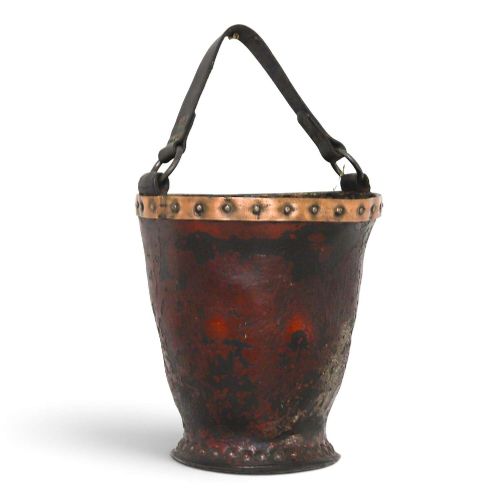
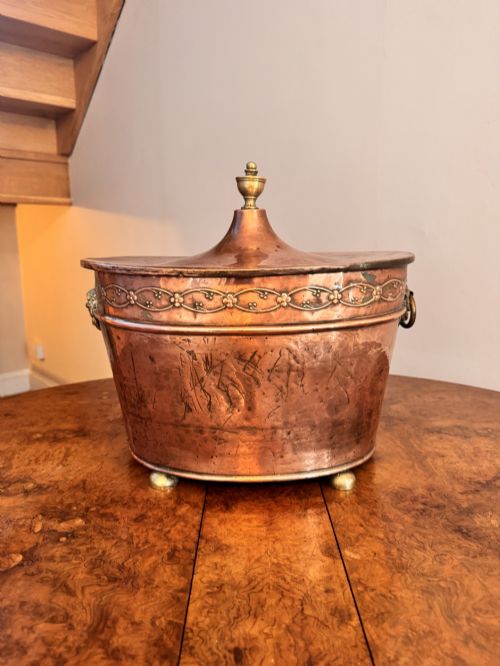
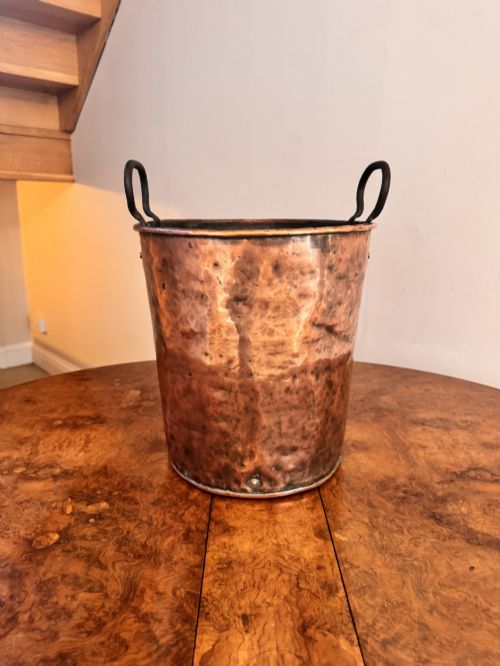
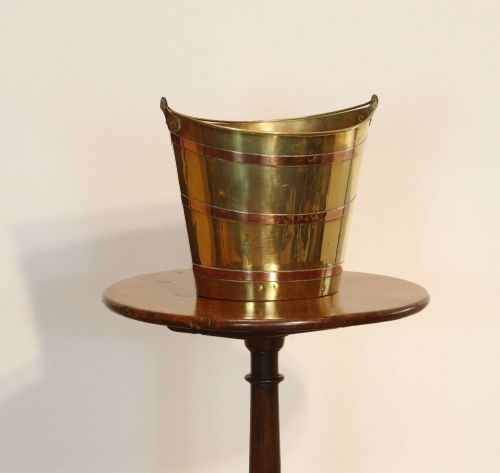
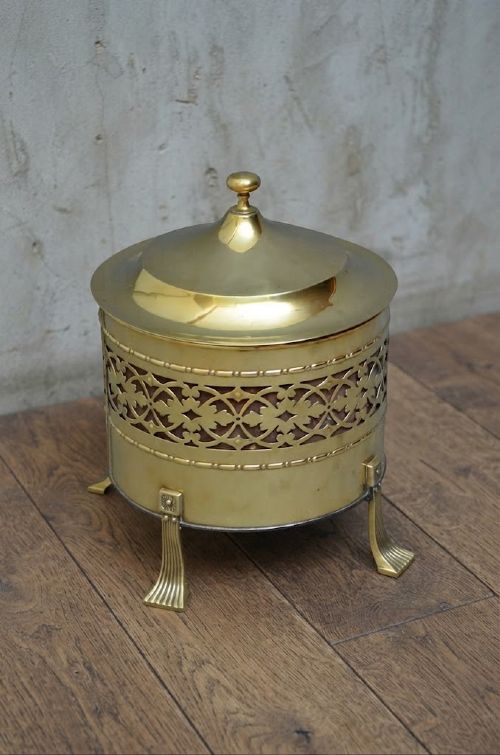
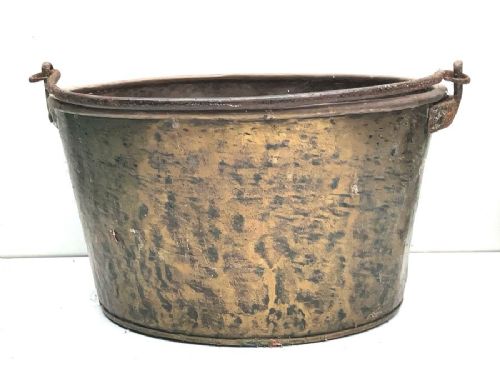
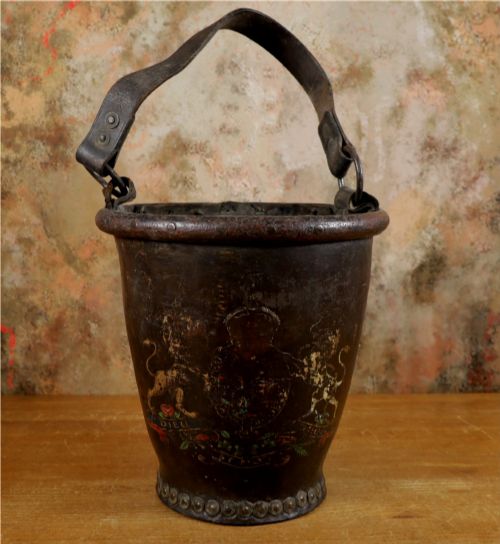
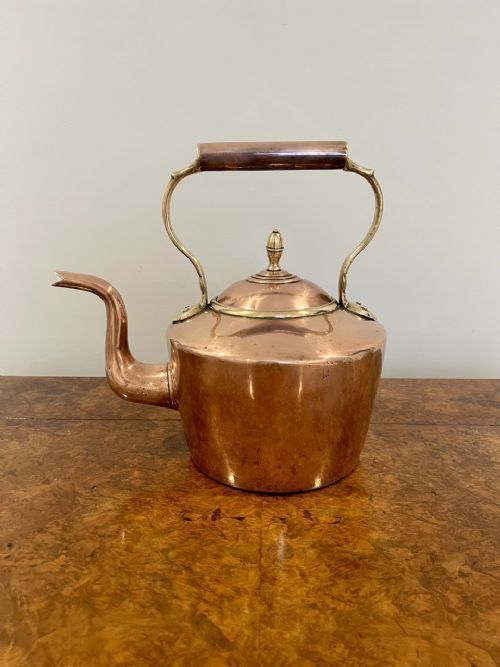
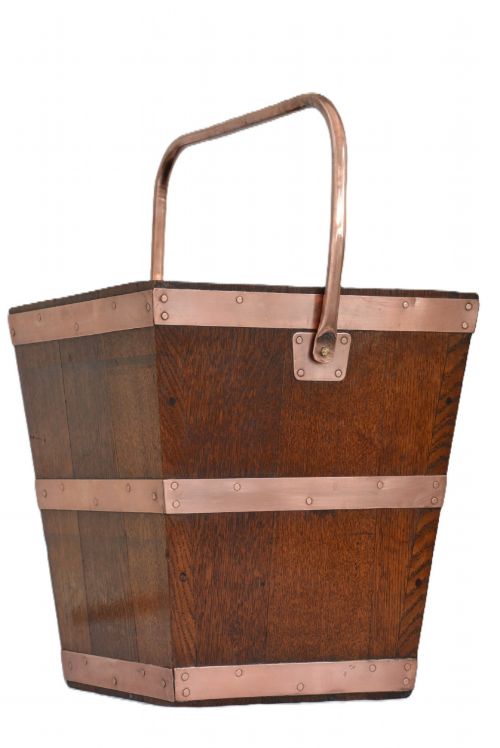
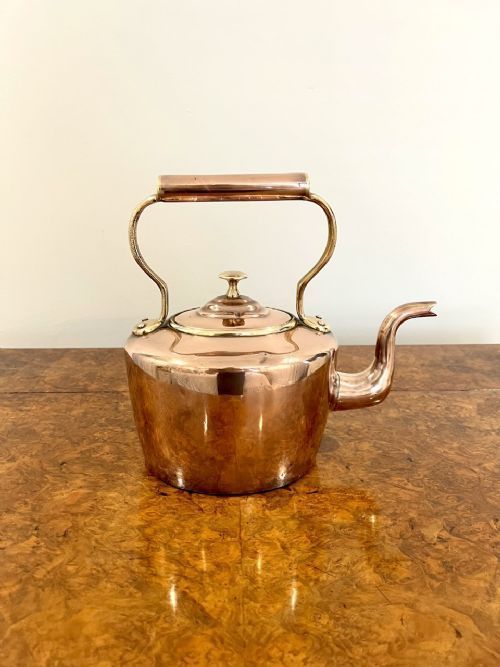
The most common forms on this page are copper and brass kettles, coal buckets, log bins, and fireside vessels. You also find leather fire buckets, iron pans, and coopered peat buckets originating from English, Scottish, and continental workshops.
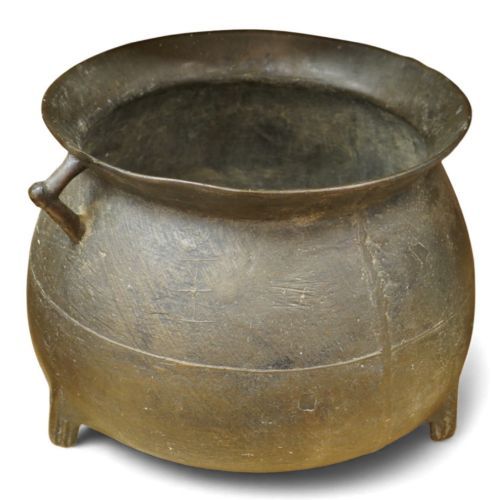
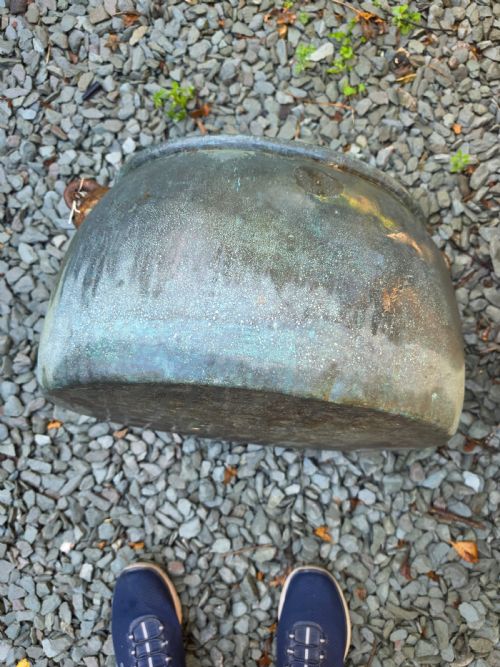
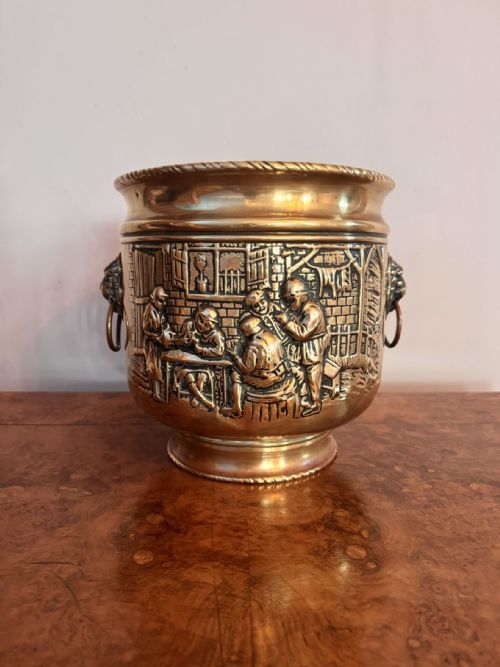
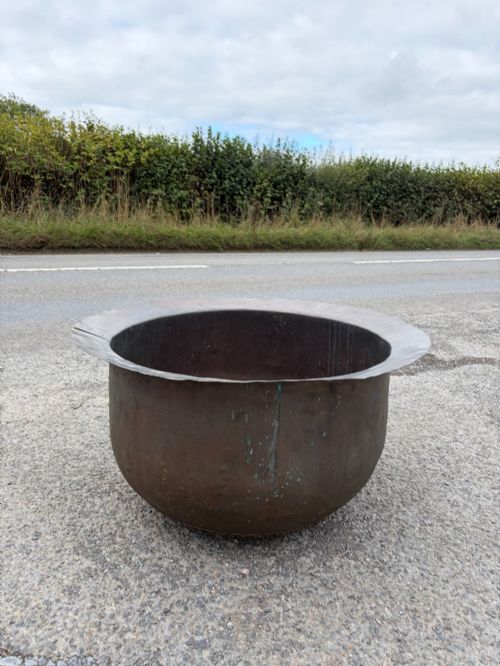
Earlier examples include heavy bronze cauldrons and cooking pots, while later pieces lean towards decorative brass coal scuttles and hand-riveted planters. Each form reflects the changing demands of domestic heating and hearth maintenance across the centuries.
Materials and construction methods
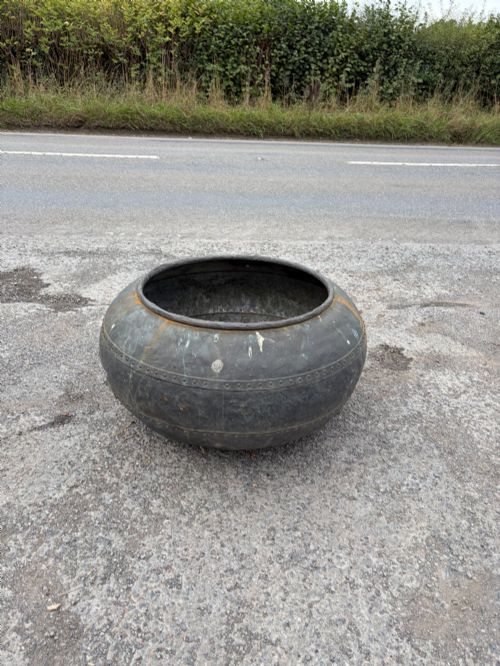
Heavy-gauge sheet copper and brass dominate these listings, shaped by hand-riveting and beating over stakes to create seamless joints and robust bodies. Rivets appear regularly along seams, securing handles and reinforcing the structure for heavy loads of coal or water.
Other items rely on organic materials, such as soft leather over structural frames for fire buckets, or coopered staves of oak held with iron bands for peat and log bins. Bronze items like early cauldrons utilise traditional sand-casting or lost-wax methods, resulting in thick, heavy walls with distinct tactile surfaces.
Antique Hearth Vessel Retail Price Guide 2026
Typical asking prices for hearth vessel among the pieces listed under this phrase on Sellingantiques today, from the lower quarter to the upper quarter. They describe what is for sale here now, not the wider market.
Listings feature heavy seventeenth-century bronze cauldrons alongside eighteenth-century George III copper kettles and Edwardian brass coal buckets.
Judging quality in fireside metalware
Quality rests upon the thickness of the metal sheet, the integrity of the hand-beaten form, and the survival of original fixings like swing handles and iron frames. Thicker copper resists dents and holds a deep, natural patina that thinner utility vessels lose through excessive cleaning.
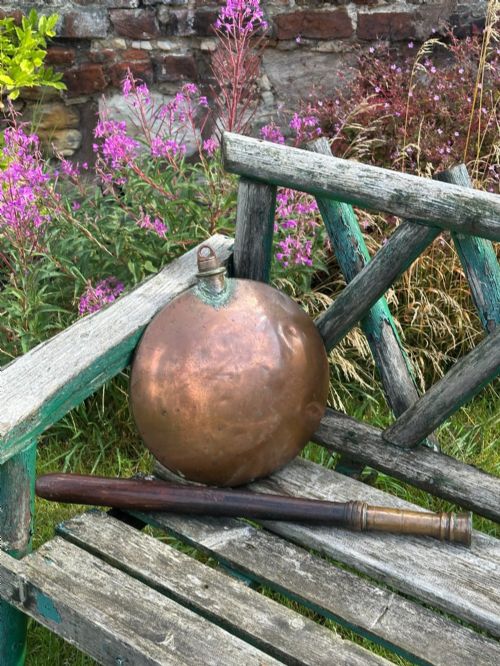
Construction details also separate standard production from superior pieces, such as neat, evenly spaced hand-riveting rather than machine stamping. The presence of makers' marks, unusual shapes like moon-shaped warming flasks, or intact period leather coats of arms elevate an object from simple fuel storage to high craftsmanship.
Benham and Froud
The Antique Hearth Vessel Glossary
- Cauldron
- A large metal pot with a round base and a swing handle, traditionally used for cooking over an open fire. Early examples are cast in bronze or leaded bronze.
- Coopered
- Built from vertical wooden staves fitted together and bound by metal hoops, a technique used for watertight vessels like peat buckets and logs bins.
- Patina
- The surface sheen and colour developed by metal, leather, or wood over decades of handling, exposure to heat, and ageing. Natural patination shows depth rather than bright, uniform polish.
- Coal scuttle
- A container specifically designed for holding and carrying coal to a fireplace, often featuring a shovel, a hinged lid, or a wide mouth for easy scooping.
- Riveting
- A method of joining sheet metal by inserting metal pins through overlapping edges and hammering the ends flat. Hand-riveted seams form a visible row of studs along the body of copper buckets and pans.
Antique Hearth Vessel: Frequently Asked Questions
How do I date an old copper kettle?
Dating relies on construction methods, handle attachments, and the shape of the spout and body. Georgian examples often show hand-beaten seams and distinctive lid styles, while Edwardian pieces tend to display more uniform manufacturing.
Examine the rivets and the interior lining to understand the period of production. Lighter gauge metals and machine-formed parts generally point toward the later Victorian and Edwardian eras.
Can I use an antique coal bucket today?
Most copper and brass buckets remain structurally sound enough to hold logs, kindling, or magazines beside a modern fireplace. Leather fire buckets can also serve as dry storage containers.
Avoid filling older riveted vessels with wet materials or standing water if the seams have dried out over time. Gentle dusting preserves the surface without stripping the aged patina.
What is a coopered peat bucket?
A coopered peat bucket is a traditional wooden container made from curved oak staves bound with iron hoops. Scottish households used them to store dry peat blocks brought indoors for fuel.
The barrel-like construction allows the wood to expand and contract near the hearth without splitting. They now function well as rustic log holders or planters.
How should I clean antique brass and copper?
Basic maintenance requires only a soft, dry cloth to remove household dust. Aggressive metal polishes strip away the historical darkening and natural oxidation that collectors value.
Allow the metal to retain its rich, undisturbed surface tone. Over-cleaning diminishes the visual warmth built up across centuries of fireside use.