



Antique Hearth Rail
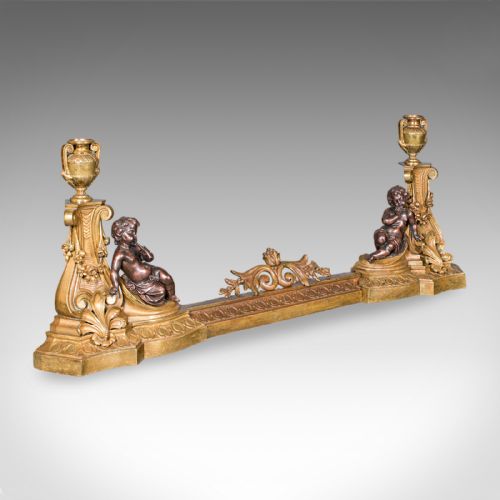
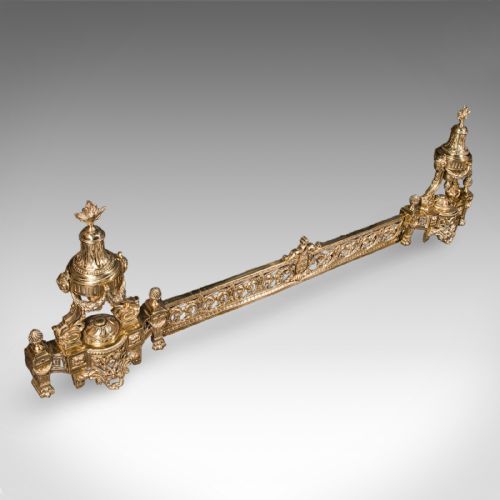
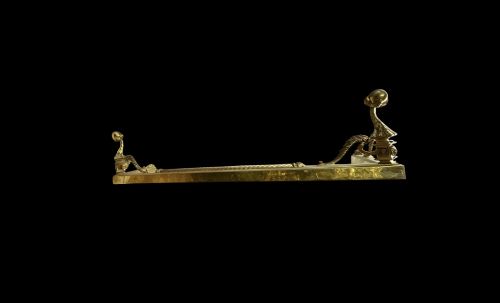
An antique hearth rail, also known as a fender or fire curb, frames the fireplace to contain sparks and adds structure to the hearth.
Antique Hearth Rail
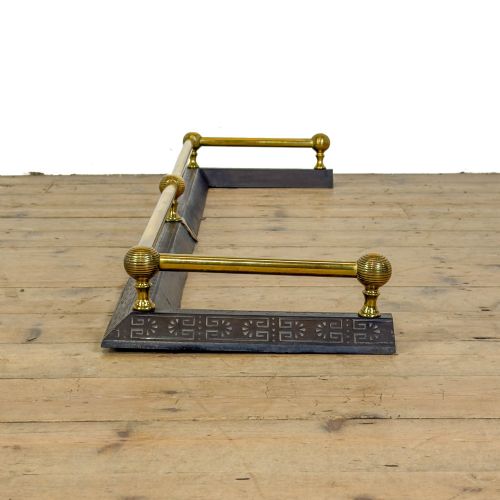
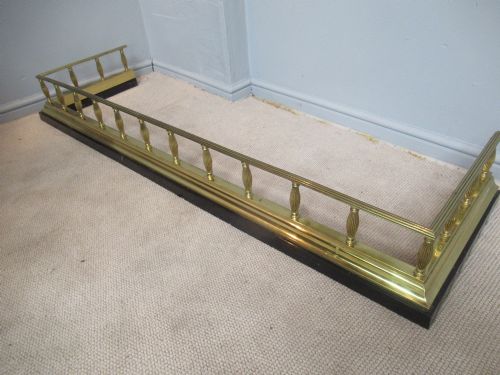
An antique hearth rail forms the physical boundary of an open fireplace, traditionally sitting directly on the hearthstone to protect the surrounding floor from stray embers and ash. These items appear in various forms, including standard fireplace fenders, adjustable models, protective nursery guards, and club fenders fitted with upholstered seats.
The pieces on this page span the nineteenth century and the early twentieth century, encompassing Victorian, Edwardian, and Art Deco eras alongside French Rococo and Louis XVI styles. Buyers will frequently encounter heavy brass constructions, sometimes paired with iron, steel, or tan leather cushioning.
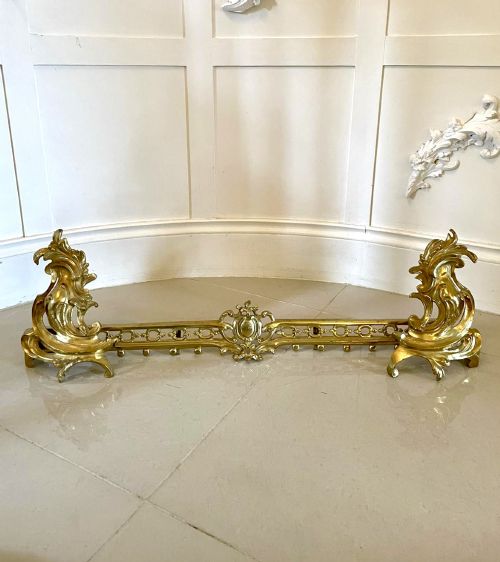
Originating from English and French workshops, these fireplace accessories range from simple pierced steel curbs to ornate gilded brass structures featuring lions, scrolling details, and integrated clothes rails. Each variation reflects the domestic heating requirements and interior decoration tastes of its specific period.
Distinctions in quality and execution
The calibre of a hearth rail depends heavily on the gauge of the metal and the solidity of its construction, with heavier brass and iron frames offering superior longevity and stability. Substantial weight often indicates thick-walled casting and robust internal corner brackets that resist the warping caused by intense hearth heat.
Artisanal execution separates standard production from exceptional examples, visible in the crispness of scrolled brass ornamentation, the precise piercing of steel plates, and the quality of leather hide selection on club fenders. Finer pieces demonstrate careful attention to detail in secondary fixings, decorative mounts, and functional adjustment mechanisms.
Some nineteenth-century nursery rails doubled as clothes dryers, turning the fireplace into an early laundry room.
The Antique Hearth Rail Glossary
- Hearth rail
- A metal barrier placed along the edge of a fireplace hearth to contain fuel and sparks. This term often refers specifically to the top horizontal bar of a fender.
- Club fender
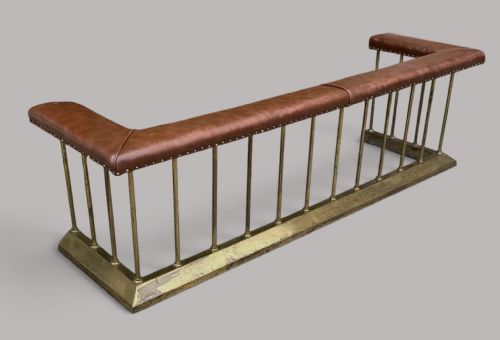
- A low, metal-framed fireplace fender featuring upholstered top rails designed for seating. These pieces were traditionally used in libraries and smoking rooms to sit close to the fire.
- Fire curb
- An alternative term for a hearth fender, denoting the low metal boundary enclosing the fireplace opening. Curbs are frequently adjustable to fit various hearth dimensions.
- Nursery fender
- A tall protective guard designed to keep children and clothing at a safe distance from open flames. Some examples include integrated rails for drying garments.
- Pierced fender
- A metal fender featuring patterns cut through the plate to allow heat circulation and decorative effect. These openings are often arranged in geometric or floral motifs.
Antique Hearth Rail: Frequently Asked Questions
What is an antique hearth rail used for?
An antique hearth rail serves primarily to contain stray embers, hot coals, and ash within the fireplace perimeter, protecting floor coverings from damage.
Beyond safety, many variations such as club fenders provide low seating directly beside the fire, while others incorporate rails for warming clothes.
How do I measure for a hearth fender?
Measure the width and depth of your fireplace hearth stone to ensure the fender sits securely within the perimeter without overhanging the edges.
Take note that many period pieces feature adjustable mechanisms, allowing the width to be modified to fit specific hearth dimensions.
How do I clean brass hearth rails?
Clean brass surfaces with a soft cloth and a gentle metal cleaner formulated to remove soot and tarnish without abrading the historic finish.
Avoid harsh chemical abrasives that can strip patination or damage delicate detailing on Victorian and Edwardian castings.
Are club fenders comfortable for seating?
Club fenders with leather-upholstered top rails provide firm seating close to the hearth, designed for warmth during colder months.
The height is typically lower than standard seating, matching the proportions of nineteenth-century fireplace architecture.