



Antique Hearth Ornament Dog
An antique hearth ornament dog brings nineteenth-century character to a mantelpiece, offering the traditional appeal of seated spaniels and poodles.
Antique Hearth Ornament Dog
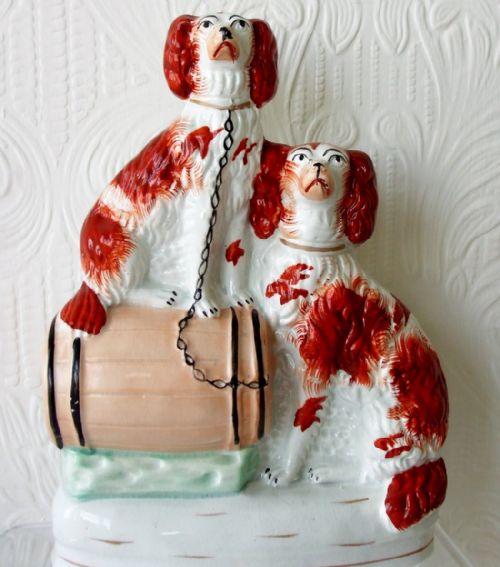
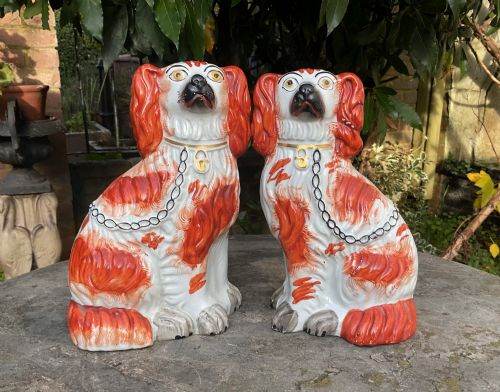
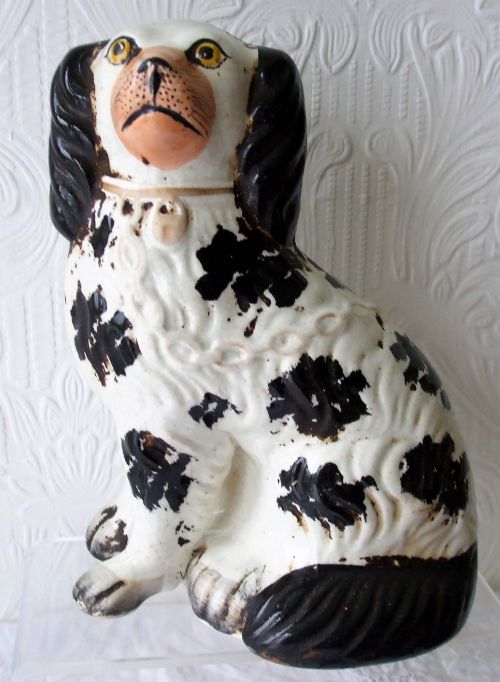
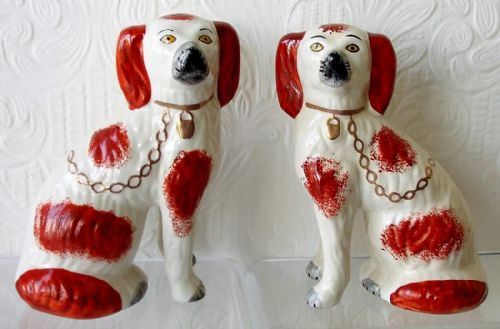
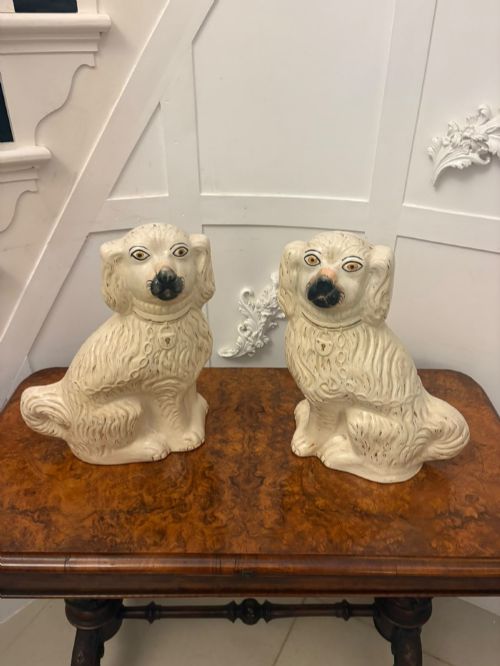
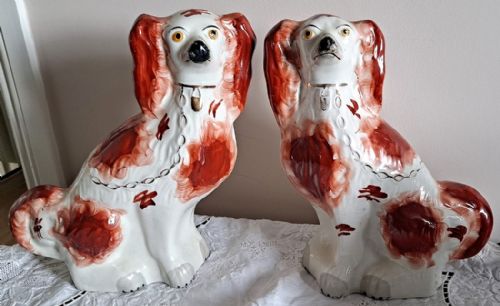
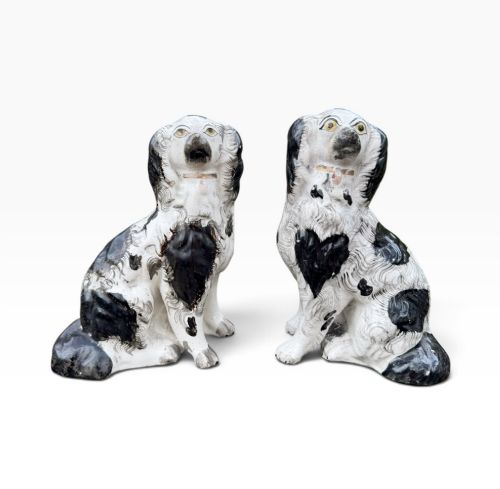
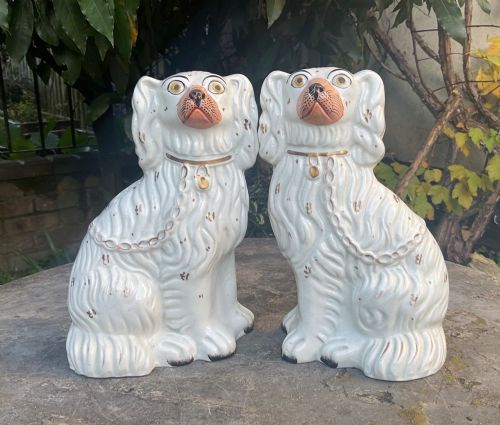
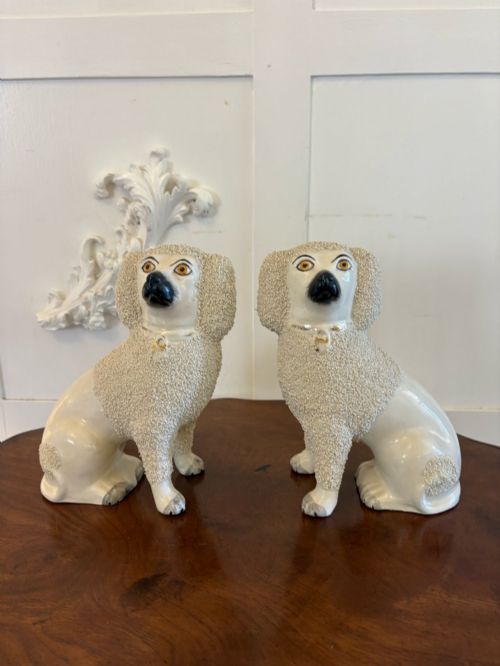
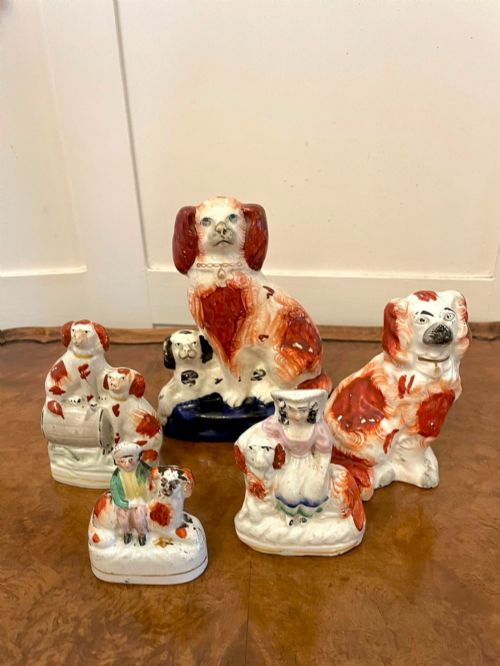
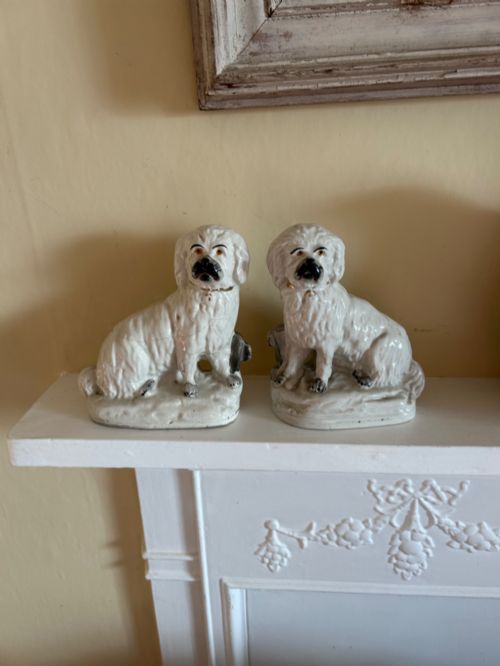
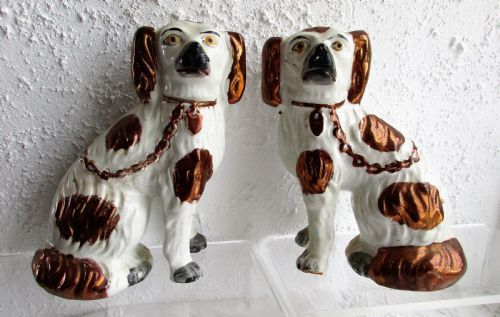
When searching for an antique hearth ornament dog, buyers encounter ceramic figurines and solid brass fire dogs dating from the nineteenth century. The selection is dominated by Victorian Staffordshire pottery figures, particularly comforter spaniels and poodles.
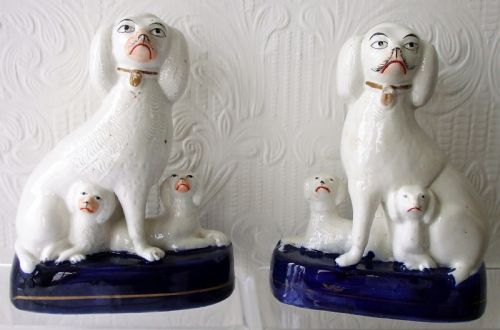
These ceramic pieces were modelled as pairs to sit on either side of a fireplace. Alongside spaniels, the listings include poodles with pups, Maltese terriers, and dogs paired with barrels or cushions.
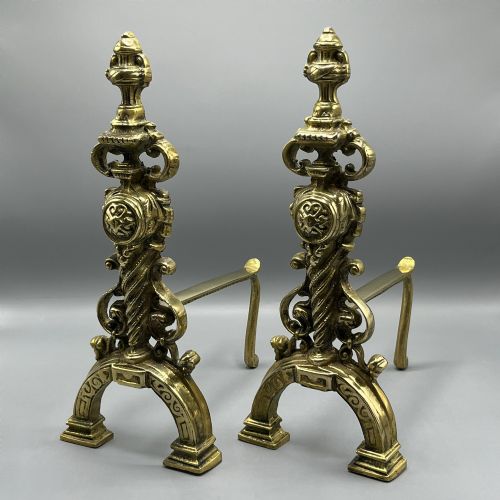
Heavier metal examples take the form of brass chenets or fire dogs designed for functional use by the hearth. Most examples across the range belong to the Victorian period, spanning decades from the mid to late nineteenth century.
Materials and construction methods
Brass fire dogs and chenets are constructed from cast brass, combining gilt and patinated finishes for decorative effect. Ceramic variants rely on lead glaze and encrusting techniques to create texture on cushions and fur.
Antique Hearth Ornament Dog Retail Price Guide 2026
Typical asking prices for hearth ornament dog among the pieces listed under this phrase on Sellingantiques today, from the lower quarter to the upper quarter. They describe what is for sale here now, not the wider market.
Materials recorded include lead glaze, enamel, copper lustre, and gold leaf applied to Victorian Staffordshire figures.
Distinctions in craftsmanship
Quality in Staffordshire pottery dogs rests upon the crispness of the modelling and the control of the hand-painted enamels. Finer examples display more detailed facial expressions and carefully applied gilt or copper lustre accents.
Brass chenets derive their standing from the weight of the metal casting and the depth of the chased detailing. Pairs that retain their original matched patination and fire-gilt surfaces command greater attention.
Beswick
The Antique Hearth Ornament Dog Glossary
- Comforter spaniel
- A ceramic figurine representing the Staffordshire spaniels kept as pets by Victorian households. These dogs typically face left and right to form a mirrored pair.
- Chenet
- An alternative term for a fire dog or andiron placed at the sides of a hearth. These metal supports often feature French Louis XV-Style or brass ornamentation.
- Copper lustre
- A metallic pottery glaze containing copper that produces a reflective, iridescent surface finish. It appears on select nineteenth-century Staffordshire figures.
Antique Hearth Ornament Dog: Frequently Asked Questions
What are Staffordshire comforter spaniels?
Staffordshire comforter spaniels are ceramic figurines modelled on the pet dogs popular during the Victorian era. Potters produced them in mirrored pairs designed to sit on mantelpieces or hearths.
These figures often feature characteristic markings, lockets, and chains painted in gold or copper lustre.
How do fire dogs differ from ceramic figures?
Fire dogs, also known as chenets or andirons, are heavy metal accessories built from brass to support logs in an open hearth. They serve a functional purpose alongside their decorative appearance.
Ceramic figures are lighter earthenware ornaments intended strictly for display on mantels and shelves rather than inside the fireplace.
How are nineteenth-century periods identified?
Nineteenth-century dating relies on stylistic traits, manufacturing techniques, and the type of glaze applied to the earthenware body. Victorian pieces often show specific colour palettes like red and white or copper lustre.
Pottery from this era typically lacks maker marks, requiring evaluation of the modelling style and clay characteristics to establish the period.
Where should these ornaments be displayed?
These ornaments suit mantelpieces, tabletops, and fireplace surrounds where pairs can be arranged symmetrically. Their traditional placement was on either end of the mantel shelf.
Positioning them away from direct heat protects the painted enamel and glaze finishes on the antique ceramics.