



Antique Hearth Figurines
These antique hearth figurines bring character to a mantelpiece, offering a glimpse into Victorian and Edwardian domestic displays.
Antique Hearth Figurines
When you search for antique hearth figurines, you encounter ceramic spaniels, poodles, cats, and human figures designed to sit upon the mantelpiece or beside the fireplace.
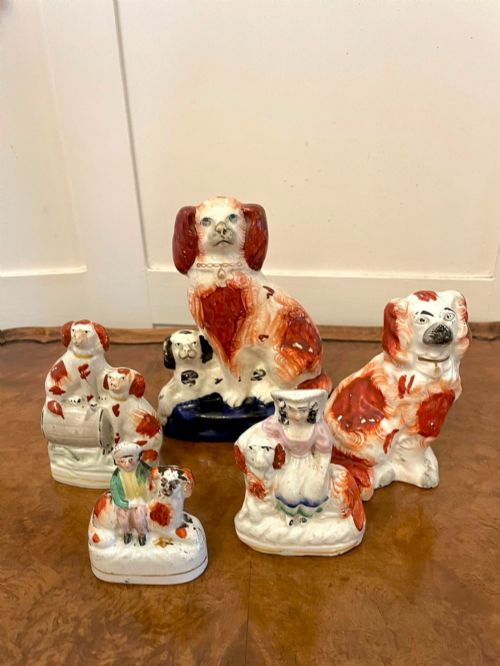
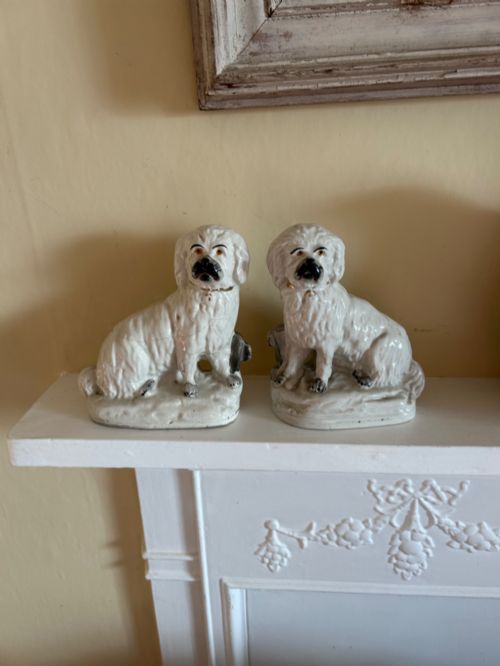
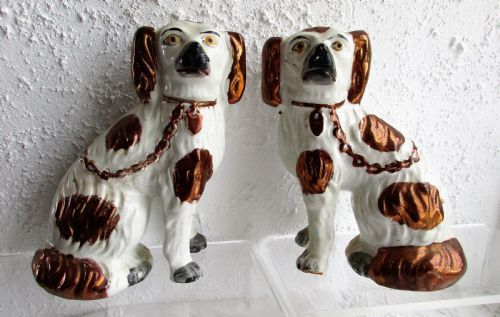
The version you are most likely to meet on this page is the Staffordshire pottery dog, modelled as a seated pair meant to guard the hearth.
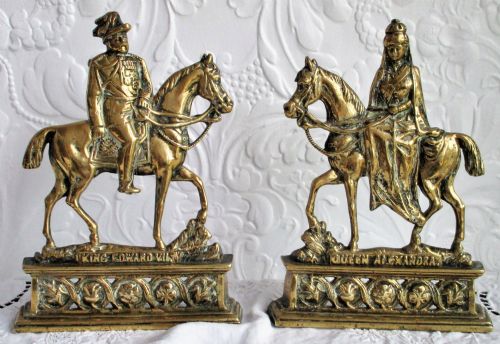
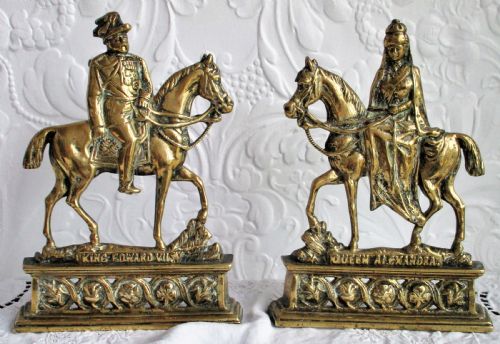
Other forms include cast iron golfer companion sets, brass chimney ornaments, and flatback figures representing historical or everyday subjects from the nineteenth century.
How they were made
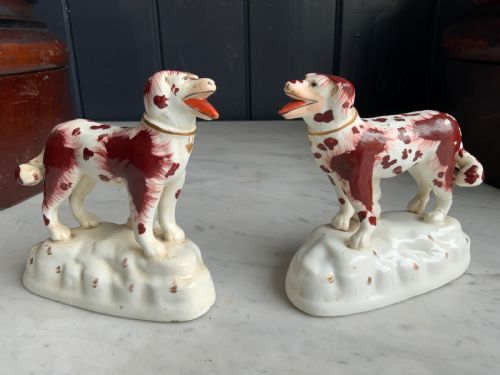
Pottery figures take shape through earthenware moulding, finished with hand-painted enamel, glaze, and occasional gilt highlights applied over the fired ceramic body.
Metal items utilise cast brass or cast iron, sometimes combining copper and brass to form fireside ornaments and companion sets designed for daily use near the fire.
Antique Hearth Figurines Retail Price Guide 2026
Typical asking prices for hearth figurines among the pieces listed under this phrase on Sellingantiques today, from the lower quarter to the upper quarter. They describe what is for sale here now, not the wider market.
Listings feature earthenware pottery, cast iron, and brass across nineteenth-century and early twentieth-century periods.
What varies in quality
The crispness of the modelling and the precision of the hand-painted details separate standard examples from superior pieces, particularly in the rendering of facial expressions and fur texture.
Mould consistency and the richness of the glaze or enamel application dictate the visual weight of pottery figures, while substantial metal casting defines the better brass and iron companion sets.
Beswick
The Antique Hearth Figurines Glossary
- Flatback figure
- A ceramic ornament moulded with a detailed front and a flat, unglazed or plain back intended to stand against a wall or mantelpiece. This method saved ceramic material during production.
- Comforter spaniel
- A pottery dog modelled to represent the popular pets kept by Victorian households, typically displayed in pairs facing inward on the mantel.
- Enamel
- A decorative vitreous substance fused to the surface of earthenware through firing, providing the red, black, and copper markings on pottery figures.
- Gilt
- A thin layer of gold or gold-coloured paint applied to collars, lockets, and highlights on ceramic and metal ornaments.
- Companion set
- A collection of functional fireplace tools, such as pokers and tongs, often accompanied by decorative cast iron or brass figures.
Antique Hearth Figurines: Frequently Asked Questions
Where were antique hearth figurines placed?
These ornaments sat predominantly on the mantelpiece above the fireplace or directly on the hearth alongside the fire irons. Pairs of dogs faced one another to frame the hearth space.
Their placement made them a central decorative feature of the Victorian and Edwardian parlour, visible to anyone seated in the room.
Why are most pottery dogs found in pairs?
Victorian mantelpiece display favoured symmetry, so ceramic dogs were produced and sold as matched pairs meant to sit at either end of a shelf.
Each animal faced the opposite direction, creating a balanced composition that anchored the decorative items on the chimney breast.
What subjects besides dogs appear on the hearth?
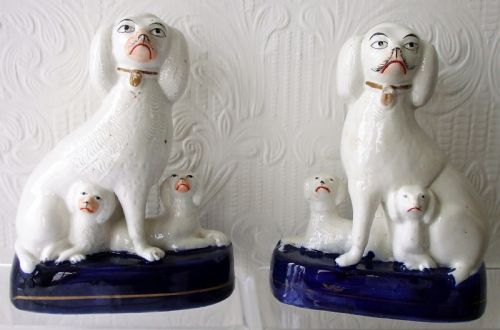
Makers modelled cats, poodles with pups, lions, and maltese terriers alongside human figures such as Scottish highlanders on horseback and crinoline ladies.
Metal versions introduced practical items like golfer companion sets and boot fireside ornaments that served both decorative and functional roles.
How do I care for antique ceramic figurines?
Dust these earthenware pieces gently with a soft dry brush to protect the delicate enamel and gilt painted surfaces from abrasion.
Avoid using water or liquid cleaners, which can seep into old crazing lines in the glaze and damage the ceramic body over time.