

Antique Hearth Container
An antique hearth container is a practical fireside receptacle for fuel, which keeps coal or logs tidy beside the fireplace.
Antique Hearth Container
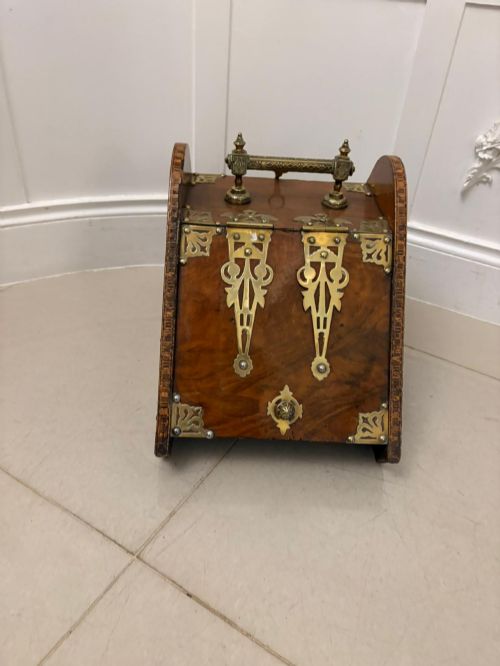
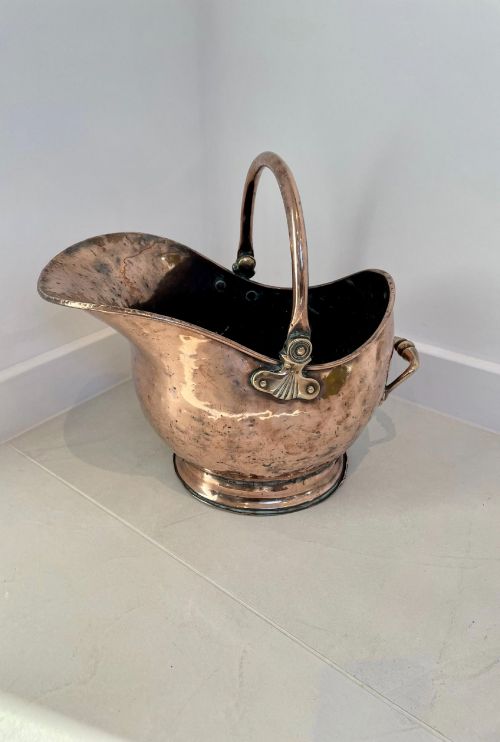
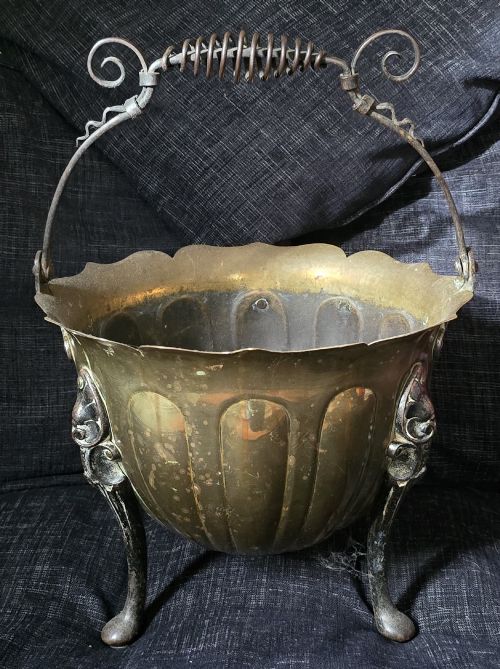
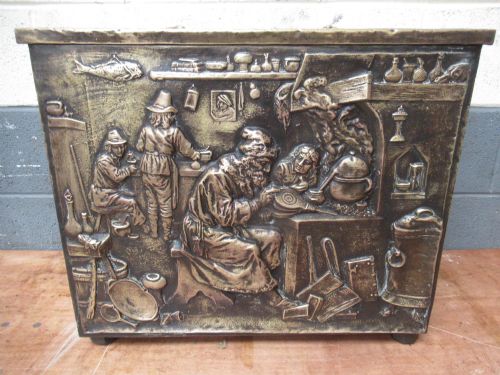
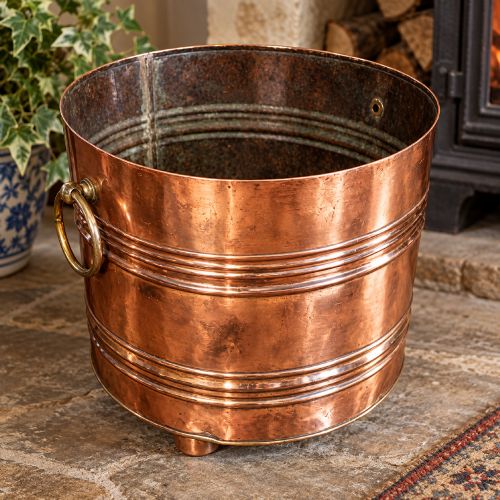
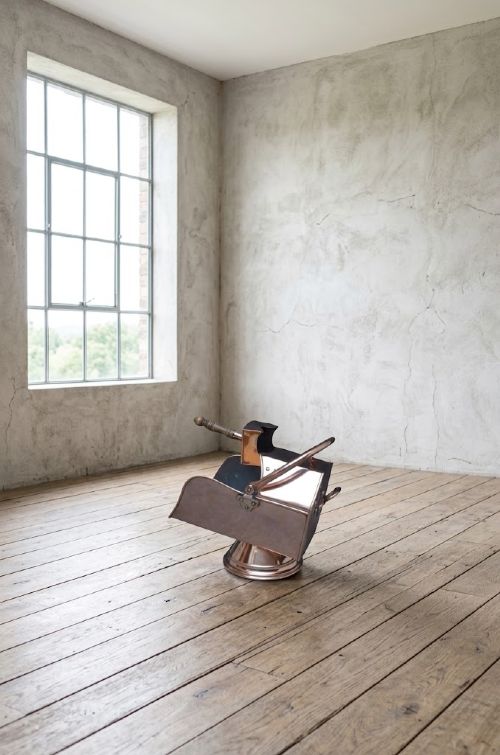
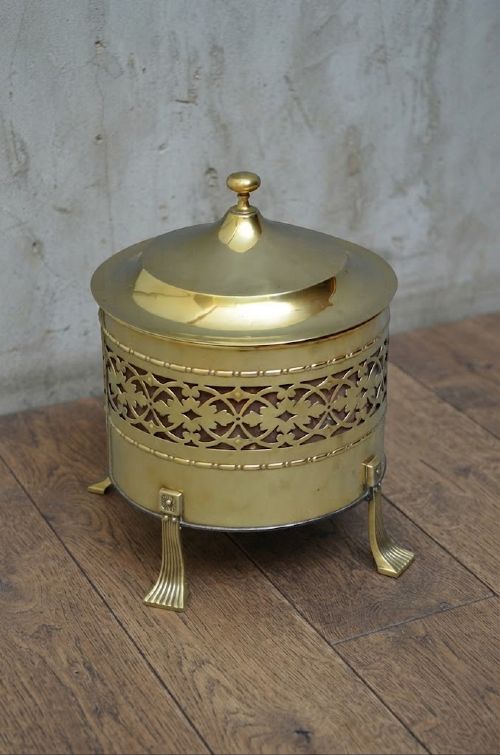
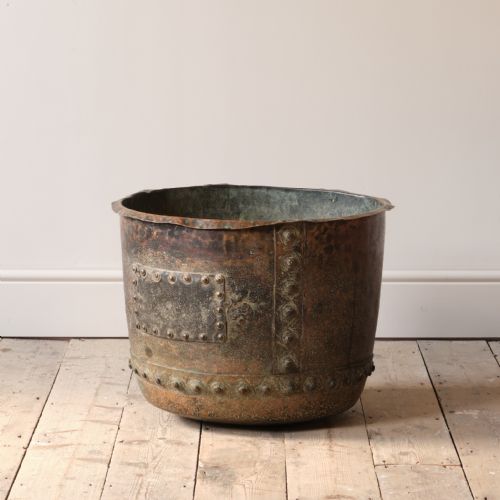
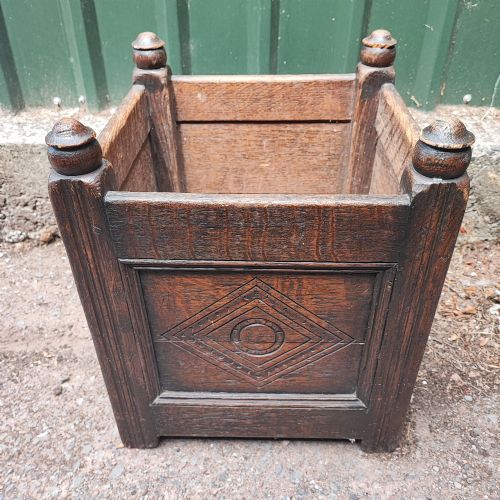
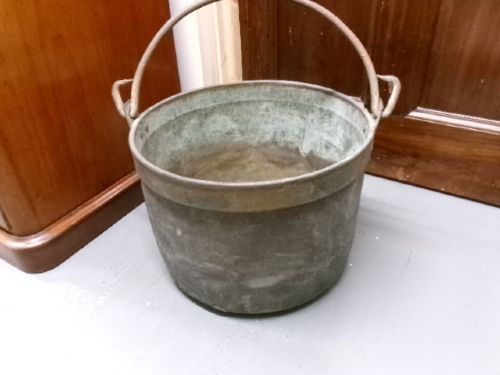
When searching for an antique hearth container, buyers encounter various functional vessels designed to hold solid fuel near the fireplace. The selection spans robust coal scuttles, copper helmets, and wooden log bins originating from the eighteenth, nineteenth, and early twentieth centuries.
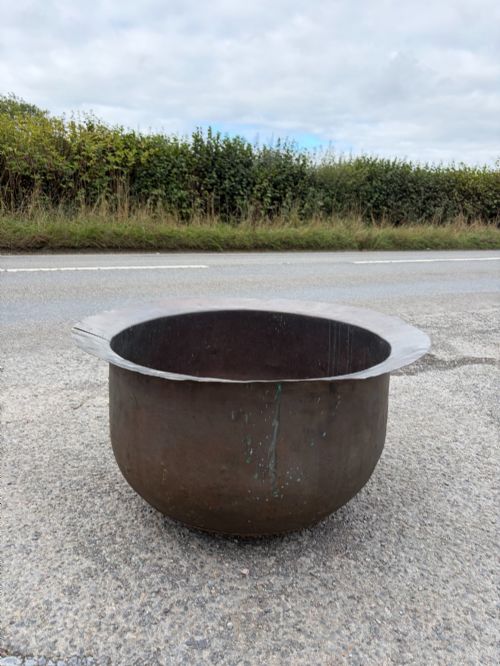
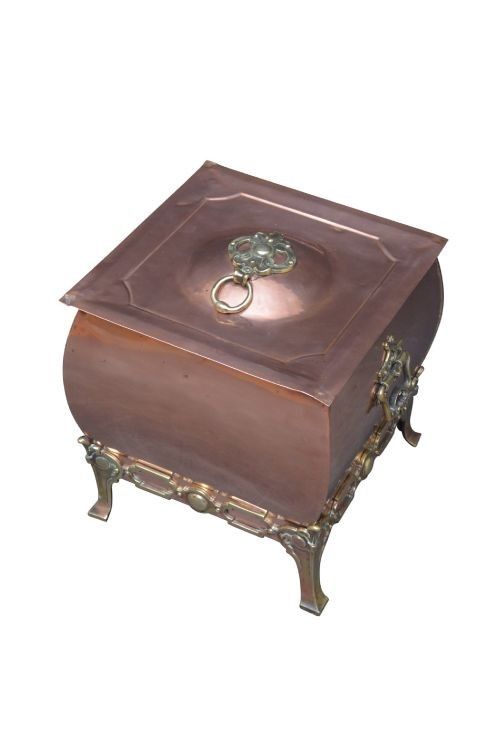
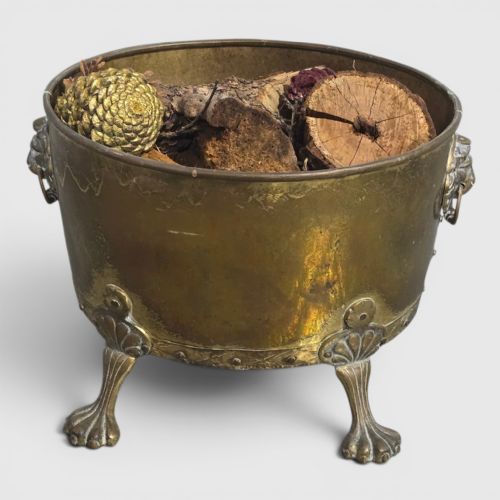
Most items on this page date from the Victorian and Edwardian eras, constructed in forms such as lidded coal boxes, open buckets, and cauldrons. Makers of these periods utilised durable metals and timbers to withstand daily hearthside service.
Domestic interiors of the past required sturdy receptacles for coal, peat, and logs, leading to diverse regional designs in brass, copper, and oak. These pieces function equally well today as fireside fuel stores or decorative planters.
Materials and construction
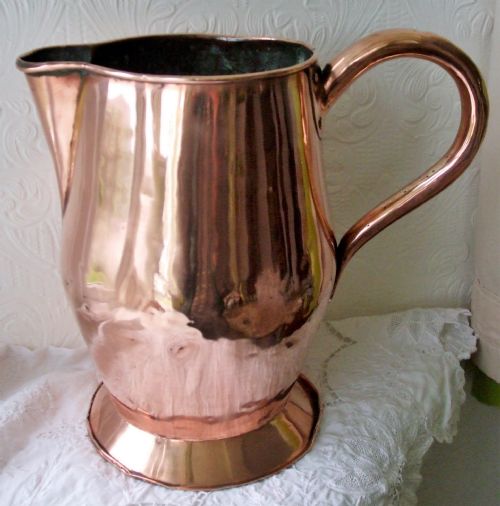
Metal vessels rely heavily on sheet copper and brass, often joined with visible rivets or formed into helmets and cauldrons using traditional panel-beating techniques. Iron frames and handles provide structural support for heavy loads of fuel.
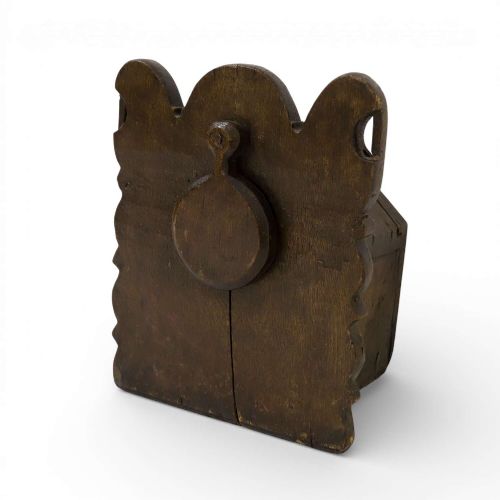
Wooden examples utilise solid oak, mahogany, and pine, frequently featuring iron hardware, brass banding, or carved detailing. Joinery methods range from country dovetailed boxes to purpose-built purdoniums with interior liners.
Listings feature metals including copper, brass, iron, and wrought iron alongside timbers such as oak, mahogany, and pine.
Assessing quality and character
Quality rests in the heaviness of the gauge of metal and the integrity of the original hardware, such as swing handles, hinges, and liners. Pieces retaining their matching shovels or original surface patination stand apart from altered examples.
Construction details differentiate standard production from superior workshop output, particularly in hand-beated riveting, fretwork designs, and dovetail thickness. The balance of proportion and the preservation of honest wear mark the better specimens.
Henry Loveridge·Benham and Froud·Petrus Ramus
The Antique Hearth Container Glossary
- Coal scuttle
- A container designed specifically for carrying and storing coal, often shaped with a sloped mouth or scoop for easy pouring.
- Purdonium
- A dedicated wooden coal box, popular in the Edwardian period, featuring a hinged front panel and an internal metal liner.
- Log bin
- A large, deep receptacle intended for stacking firewood beside a hearth, constructed from timber, metal, or a combination of both.
- Coal helmet
- A metal bucket with a flared, helmet-like rim and a raised back, designed for scooping and transporting fuel cleanly.
- Tinder box
- A small box used historically to contain flint, steel, and tinder for fire-lighting before the invention of safety matches.
Antique Hearth Container: Frequently Asked Questions
What is an antique hearth container used for?
These vessels served to store and transport coal, logs, or peat for domestic fires.
Today, they continue their original purpose by the hearth or function as decorative planters.
How do I date a copper coal bucket?
Dating relies on manufacturing techniques, such as hand-riveting patterns, handle attachments, and metal gauges.
Stylistic cues from Georgian, Victorian, and Arts and Crafts periods also indicate the era of manufacture.
Are these containers waterproof?
Many metal buckets and those with original internal metal liners hold water successfully for plant use.
Wooden boxes without liners require a separate insert to protect the timber from moisture.
How do I clean antique brass and copper?
Gentle dusting and mild soapy water preserve the aged surface patination appreciated by collectors.
Strong chemical polishes strip the historical darkening and wear that establish the age of the metal.