



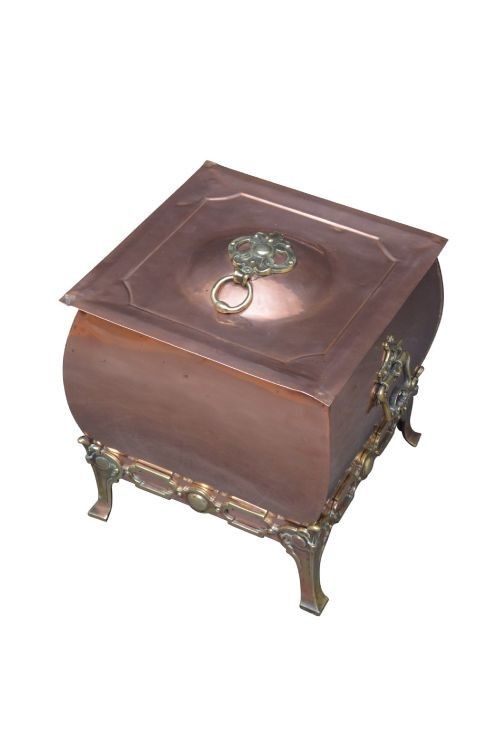
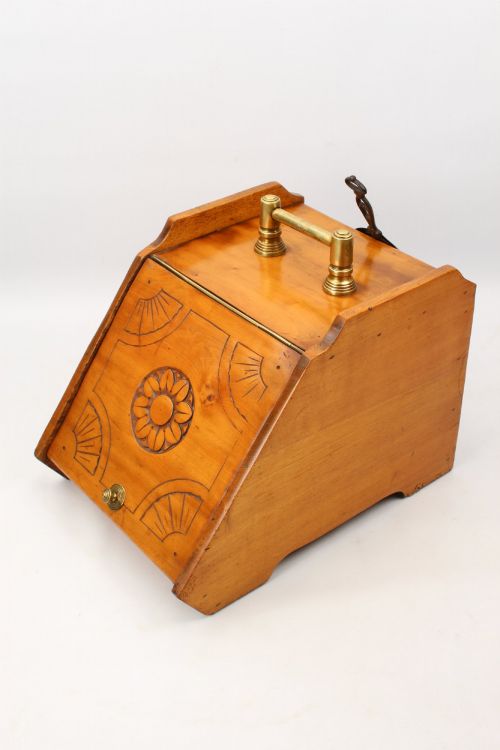
Antique Hearth Coal Bin
An antique hearth coal bin is a sturdy fireside vessel for storing fuel, bringing character and function to a chimney corner.
Antique Hearth Coal Bin
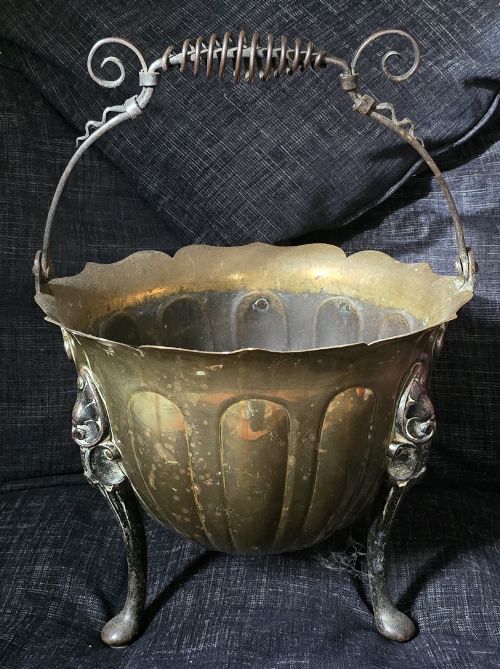
When you search for an antique hearth coal bin, you encounter a range of functional fireside vessels designed to hold fuel near the hearth. The examples on this page span several periods, including the Georgian, Victorian, and Edwardian eras, reflecting changing domestic habits.
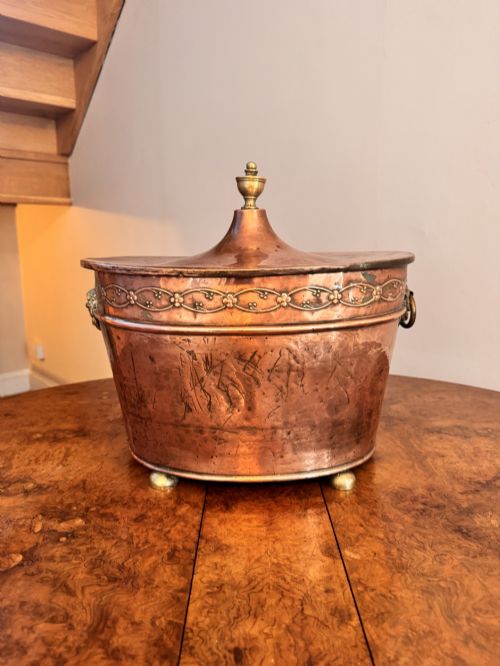
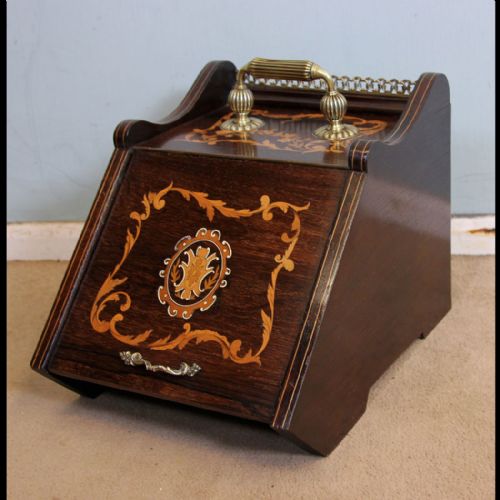
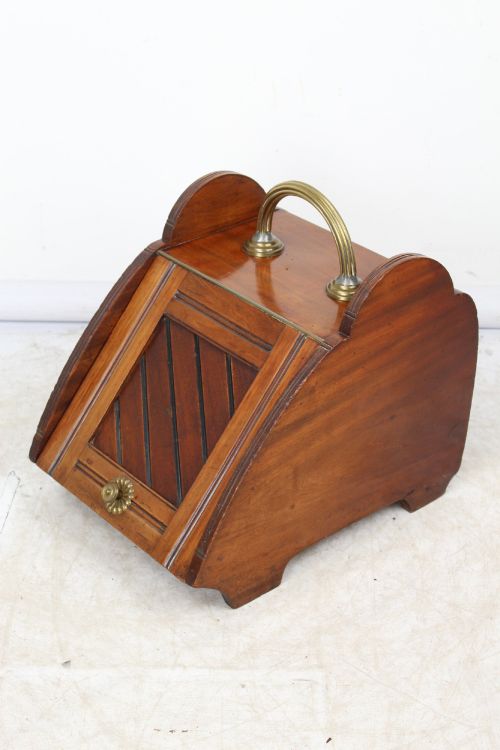
You are most likely to meet metal buckets and scuttles alongside wooden boxes known as purdoniums. These pieces range from simple country oak boxes to elaborate Arts and Crafts and Art Nouveau designs in brass and copper.
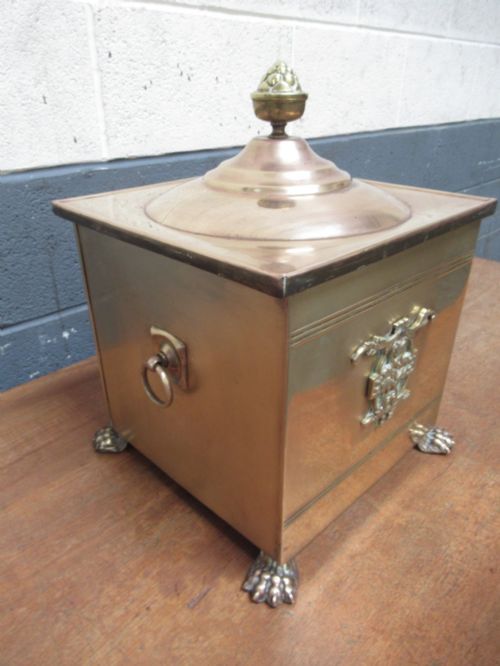
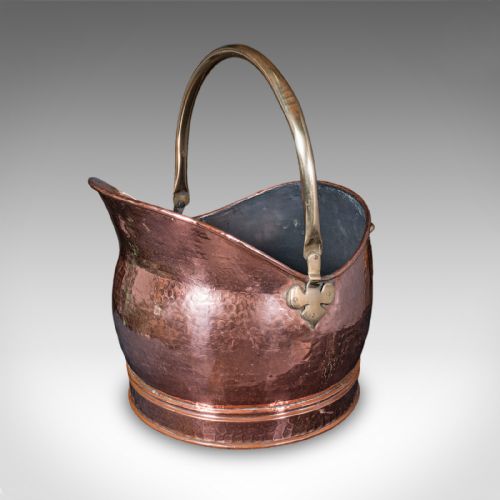
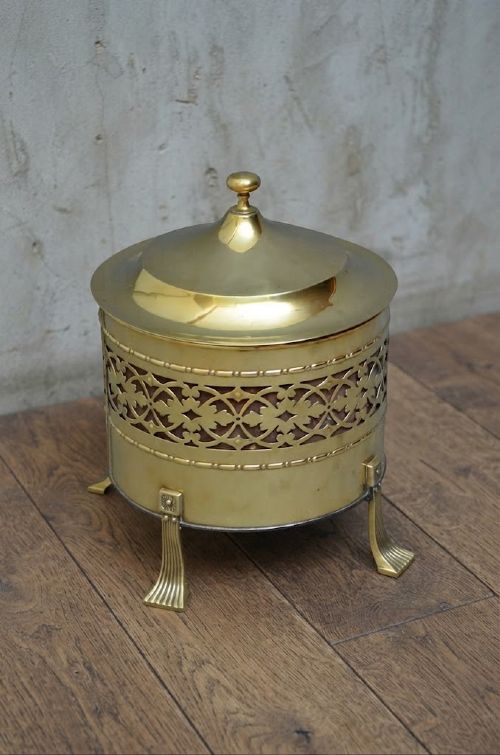
Makers produced these items to sit beside the fireplace, serving as both practical storage and decorative focal points in period rooms. Their forms include helmet scuttles, cylindrical buckets, and lidded cabinets fitted with metal liners.
How they were made
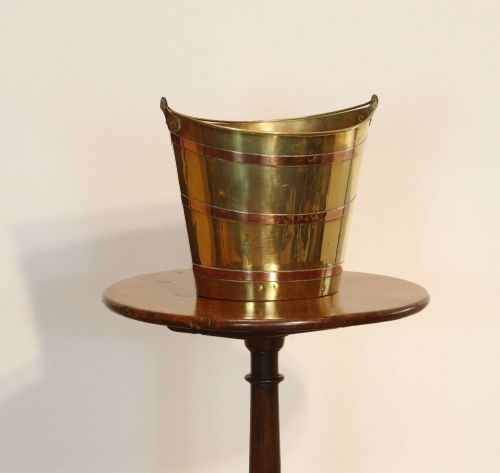
Craftsmen built these containers using durable metals like brass, copper, iron, and wrought iron, alongside timbers such as oak, mahogany, walnut, and rosewood. Metal vessels often display hand-beaten textures, riveted seams, and cast brass mounts or handles.
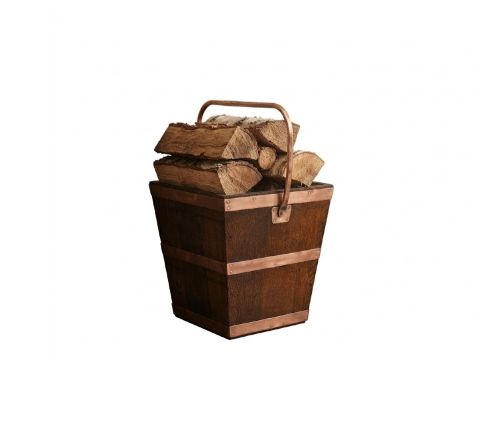
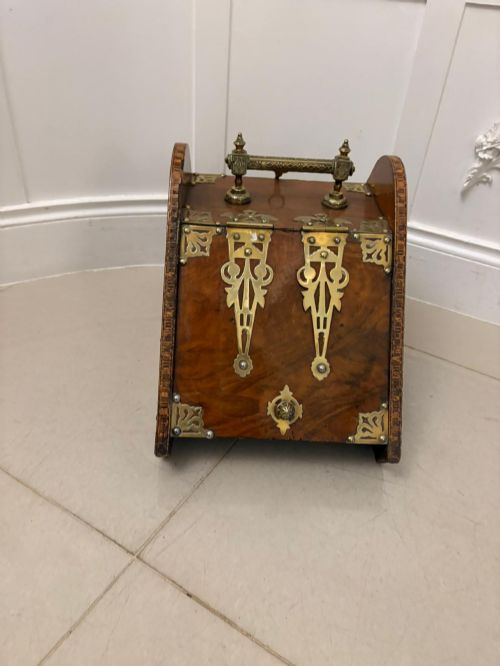
Wooden boxes frequently utilise coopered staves or panelled construction, sometimes incorporating brass banding, carved details, or inlay. Many examples include original metal liners and matching shovels designed to withstand daily use.
Antique Hearth Coal Bin Retail Price Guide 2026
Typical asking prices for hearth coal bin among the pieces listed under this phrase on Sellingantiques today, from the lower quarter to the upper quarter. They describe what is for sale here now, not the wider market.
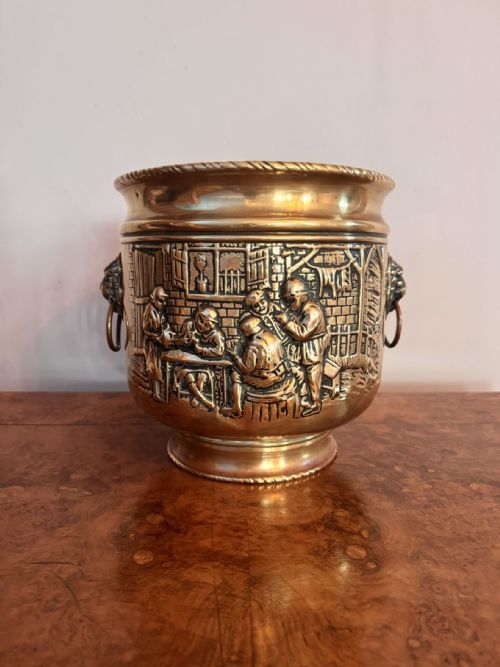
Some nineteenth-century brass buckets feature detailed tavern scenes hammered into the metal, bringing a lively local pub atmosphere straight to the hearth.
What varies in quality
Quality in these fireside pieces rests on the integrity of construction and the grade of materials employed. Heavy-gauge metal, robust dovetailing in timber boxes, and solid brass fittings distinguish finer examples from standard utility items.
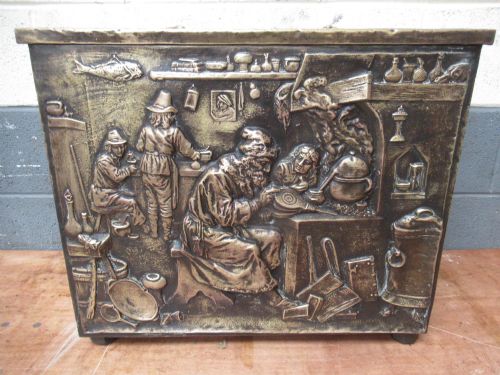
Artistic execution also separates tiers of quality, seen in detailed fretwork, hand-chased tavern scenes, or carefully chosen wood veneers. The survival of original liners and matching shovels adds significantly to the completeness of a piece.
Henry Loveridge·Petrus Ramus
The Antique Hearth Coal Bin Glossary
- Purdonium
- A dedicated coal box, usually made of wood with a hinged sloping lid and a drop-down front, often containing a metal liner and shovel.
- Helmet scuttle
- A traditional metal coal container shaped like a classical helmet, featuring a flared lip for pouring and a raised carrying handle.
- Coopered
- A method of construction where tapered wooden staves are bound together with metal hoops, typical of round buckets and peat bins.
- Fretwork
- Openwork ornamentation cut into sheet metal or wood, commonly found on Edwardian brass buckets to lighten their appearance.
Antique Hearth Coal Bin: Frequently Asked Questions
How do I clean copper and brass?
Copper and brass vessels benefit from gentle dusting with a soft cloth to preserve their historic surfaces. Aggressive polishing removes the aged patina that collectors value.
If cleaning is necessary, use a mild metal cleaner suitable for antiques, taking care around riveted joints and hand-beaten areas.
Were these always used for coal?
While primarily manufactured for coal and coke, many of these receptacles served alternative fireside purposes. Owners utilised them for storing logs, kindling, or peat.
Today, buyers frequently repurpose metal buckets and wooden boxes as planters or umbrella stands while retaining their historic character.
How do I tell Victorian from Edwardian?
Victorian coal containers often display heavier ornamentation, dark woods like mahogany and walnut, and robust riveted copper construction. They lean towards formal or industrial aesthetics.
Edwardian pieces frequently showcase lighter oak timbers, geometric fretwork designs, and flowing Art Nouveau influences that reflect changing interior tastes around nineteen hundred.