





Antique Heart Table
An antique heart table brings distinct romantic form to domestic spaces, taking shape in mahogany, oak, and sterling silver from the Victorian and Edwardian eras.
Antique Heart Table
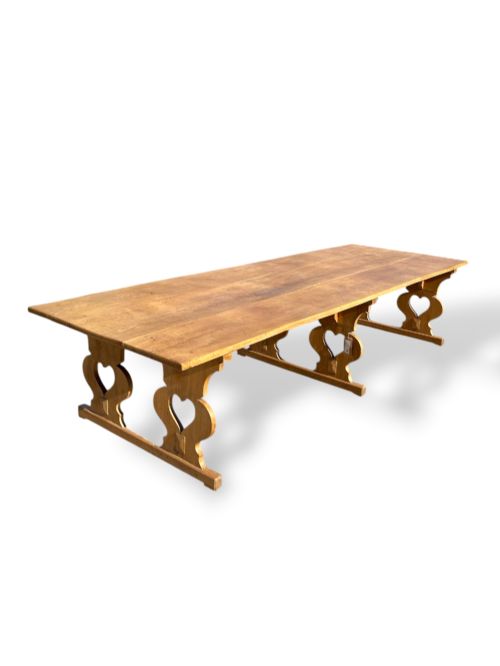
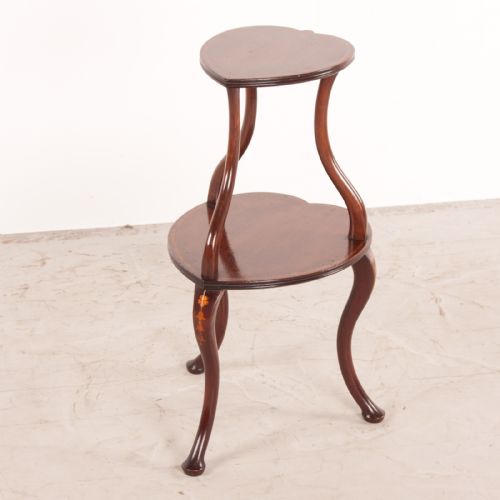
An antique heart table encompasses occasional tables, side tables, and display bijouterie pieces shaped with curved outlines. These items emerge primarily from the Victorian and Edwardian periods, alongside late nineteenth century production.
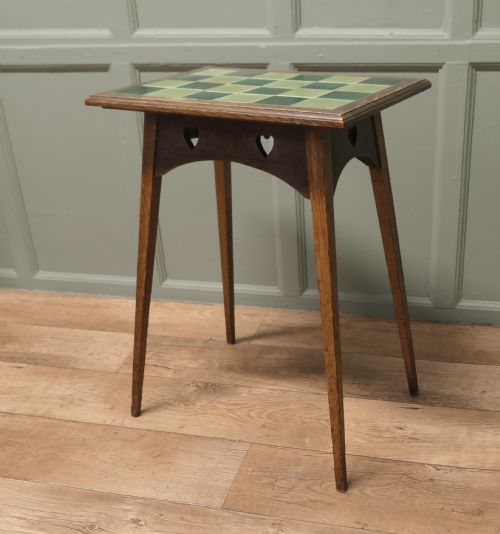
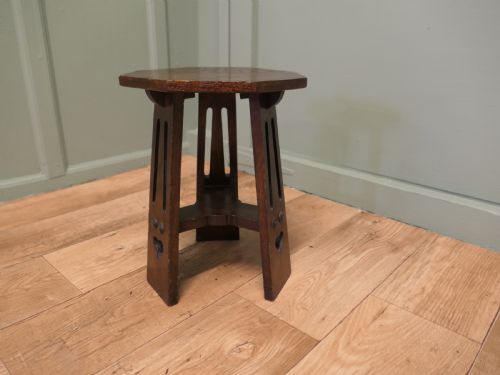
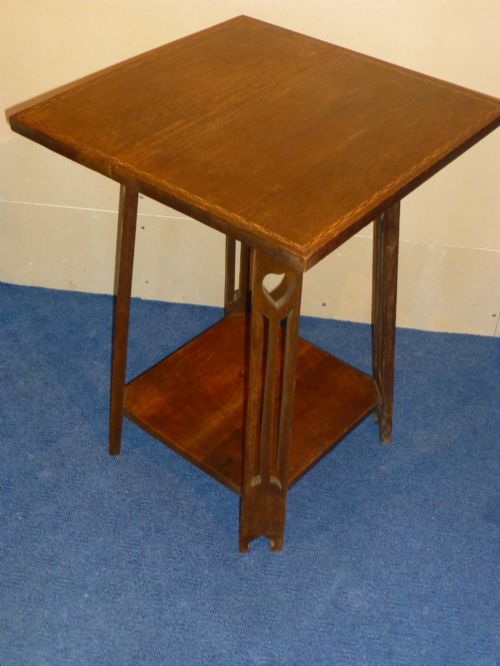
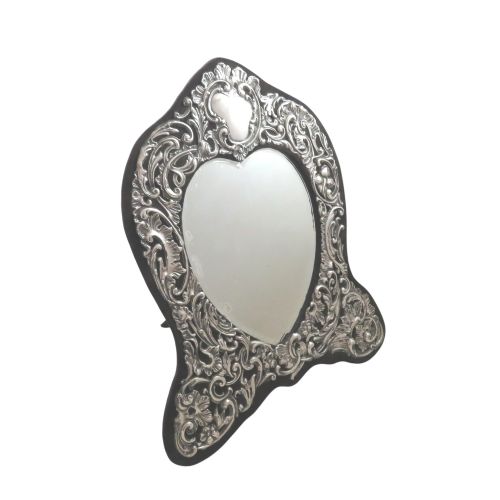
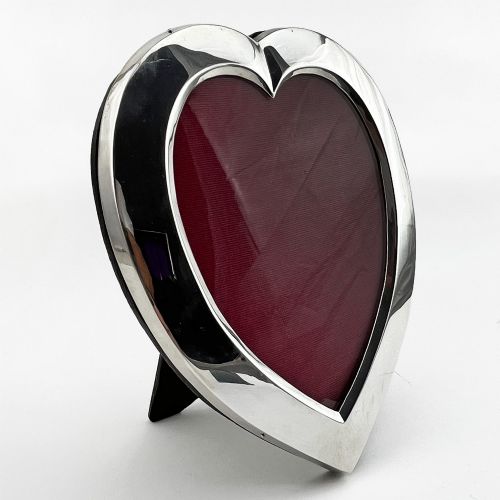
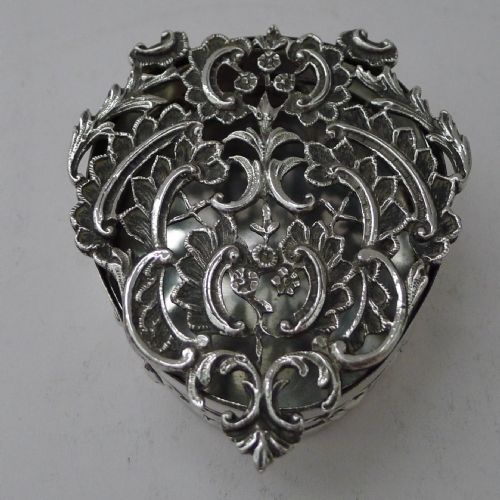
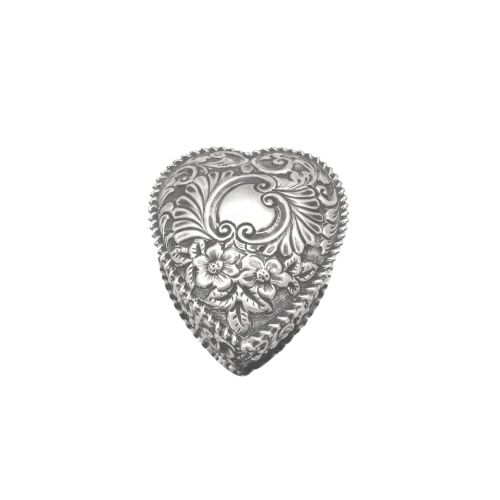
Buyers encounter mahogany and oak occasional tables featuring heart motifs, alongside smaller silver heart-shaped boxes and mirrors designed for dressing tables. The selection also includes inlaid designs and Arts and Crafts examples.
The form bridges practical furniture and decorative tabletop items, uniting utilitarian surfaces with distinct curved silhouettes. Most surviving examples date from the late nineteenth and early twentieth centuries.
Materials and Construction
Craftsmen utilised solid timbers such as mahogany and oak to shape the curved tops and supporting structures, often incorporating chequered inlay or distinct wood veneers.
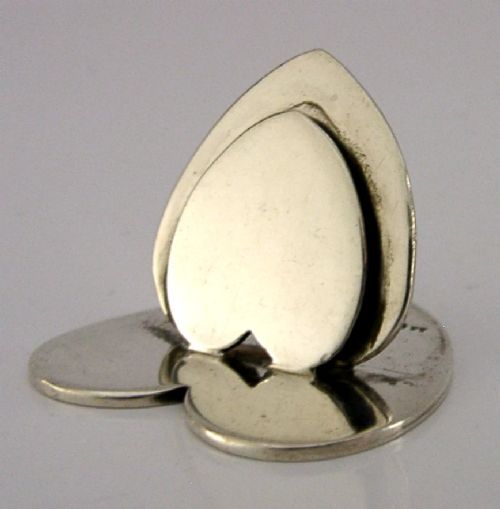
Silver items and dressing table accessories rely on sterling silver and silver plate, frequently featuring repoussé work, pierced decoration, and embossed heart motifs.
Glass elements combine with silver mounts in trinket boxes and cut crystal containers, while structural joints rely on traditional nineteenth-century cabinet-making techniques.
Listings feature sterling silver, oak, and mahogany across Victorian, Edwardian, and nineteenth century periods.
Distinctions in Quality
Quality rests on the precision of the curved woodwork and the integrity of any inlaid elements or veneers. Finer furniture displays balanced proportions and careful timber selection.
In silver items, the crispness of the embossed details and maker marks dictates distinction, while heavier gauge metal separates superior boxes from lighter production.
William Comyns·Sampson Mordan·Liberty London·William Birch·Gillows Of Lancaster
The Antique Heart Table Glossary
- Bijouterie table
- A glass-topped display table intended for small valuables and curiosities. These pieces often feature hinged lids.
- Repoussé
- A metalworking technique where the metal is hammered from the reverse side to form a raised design. This method appears frequently on silver frames and boxes.
- Inlay
- The insertion of contrasting materials into a wood surface to form decorative patterns. Chequered patterns are common on Arts and Crafts examples.
- Occasional table
- A small, movable table designed for specific, intermittent use within a room. They take various top forms including heart shapes.
- Sterling silver
- An alloy containing a high proportion of pure silver by mass, standard for quality British plate and tabletop objects.
Antique Heart Table: Frequently Asked Questions
How are antique heart tables cleaned?
Dust timber surfaces gently with a dry cloth and avoid harsh chemical polishes. Silver components require specialist non-abrasive silver cloth to maintain the finish without damaging hallmarks.
Keep wooden items away from direct heat sources and strong sunlight to prevent timber splitting and veneer lifting over time.
Where should an occasional table go?
Place these compact tables beside armchairs or as standalone accent pieces in hallways and sitting rooms. Their distinctive tops work well displayed away from walls.
Ensure the surface supports only light decorative items or lamps to protect antique joints from excessive weight.
How do I identify Edwardian pieces?
Edwardian items date from the early twentieth century and often show lighter timber tones and refined Arts and Crafts influence. Look for cleaner lines compared to heavier Victorian styles.
Maker marks and date letters on integrated silver mounts provide precise verification of the manufacturing year.
What is a bijouterie table used for?
These glass-topped display tables were designed to showcase small personal treasures, medals, and decorative items. The glazed compartment keeps objects visible while protecting them from dust.
They function effectively in drawing rooms as specialised display surfaces rather than general utility tables.