


Antique Hat Form
These antique hat form pieces bring industrial character and workshop history into modern rooms, offering sculptural form shaped by practical use.
Antique Hat Form
When you search for an antique hat form, you find utilitarian objects designed for shaping, stretching and displaying headwear in past millinery workshops. The pieces on this page span the Victorian era, the Edwardian period and the early twentieth century.
You will encounter various forms including wooden hat blocks, adjustable millinery stretchers, aluminium moulds, and display stands. Many originate from French and British workshops, reflecting traditional haberdashery and industrial trades.
The selection also includes related novelty items shaped like headwear, such as snuff boxes, tea caddies and decorative display stands. Wooden hat blocks and fruitwood display stands appear most frequently among current listings.
Materials and construction
Traditional hat blocks and form pieces are turned and carved from dense timbers such as beech, oak, walnut and fruitwood. These hardwoods withstood the repeated pressure and moisture involved in shaping millinery.
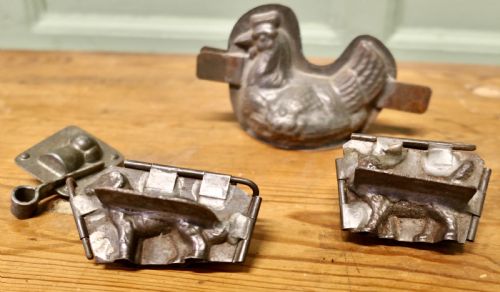
Later industrial examples utilise cast iron, tinned steel and aluminium. Metal moulds provided durability for heavy production work in twentieth-century hat factories.
Military bearskin caps required specialised multi-part wooden blocks to achieve their imposing height.
What determines quality
Quality rests upon the sculptural purity of the carving and the integrity of the material. Hand-carved wooden blocks with visible tool marks display superior craftsmanship compared to mass-produced metal moulds.
Patina dictates visual success, where honest wear from workshop use enhances the surface texture of fruitwood and hardwood. Original maker stamps, numbered metal tags and operational adjustment mechanisms elevate individual pieces.
The Antique Hat Form Glossary
- Hat block
- A solid wooden form used by milliners to shape hats during manufacture. These sculptural blocks often feature peg holes or mounting bases.
- Hat stretcher
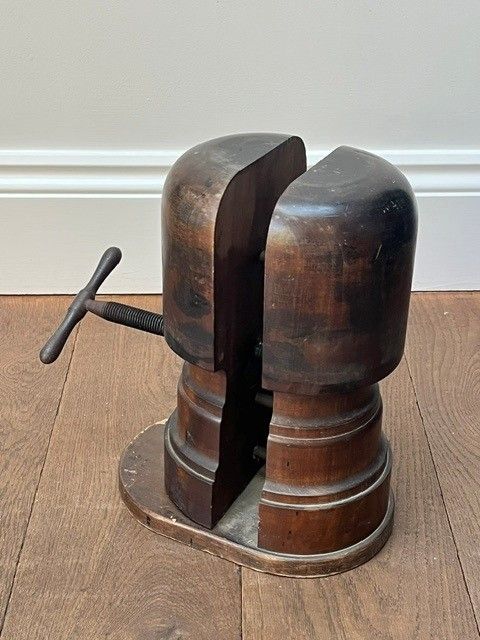
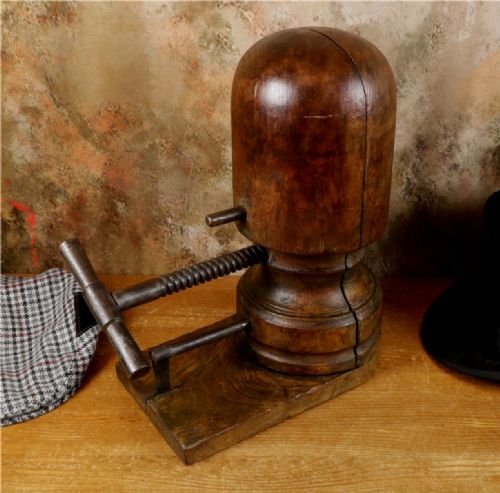
- A mechanical tool inserted into a hat to expand or adjust the size. They typically feature wooden segments operated by a central screw mechanism.
- Millinery mould
- A hollow form, frequently cast in aluminium or iron, used to press and form hat crowns. These industrial pieces reflect mid-period manufacturing methods.
- Fruitwood
- Dense timber derived from fruit-bearing trees such as pear or apple. Makers favoured it for fine turning and smooth finishes.
- Haberdashery
- The trade and equipment associated with clothing accessories and hatmaking. Items from this tradition carry utilitarian marks and robust construction.
Antique Hat Form: Frequently Asked Questions
What are antique hat blocks made from?
These pieces are constructed primarily from dense hardwoods like beech, oak, walnut and fruitwood. Later twentieth-century versions utilise aluminium, iron and tinned steel.
Each material reflects the functional requirements of the workshop, from hand-turned wooden carving to industrial metal casting.
How were hat stretchers used?
Hat stretchers were placed inside the crown of a hat to gently expand the circumference. By turning a handle or screw, the wooden segments moved outward to adjust the fit.
Milliners and hatters utilised them for final sizing before sale or during maintenance.
How can I display a hat form at home?
Wooden hat blocks and display stands sit naturally on bookshelves, sideboards or desks as sculptural objects. Their organic timber tones and workshop patinas complement both modern and traditional interiors.
Many collectors group aluminium moulds or wooden forms together to highlight their industrial shapes.
Are all hat forms made of wood?
While wooden blocks and fruitwood stands dominate nineteenth-century examples, later pieces incorporate aluminium and cast iron. Industrial haberdashery utilised metal moulds for durability during large-scale production.
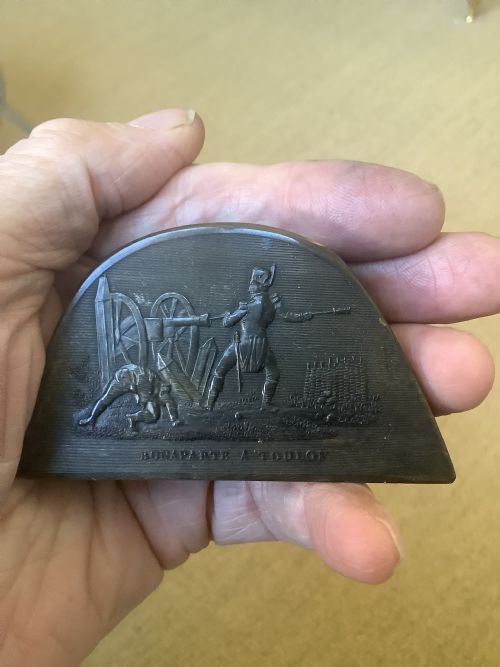
Novelty items shaped like hats also appear in pressed horn and silver.