





Wooden Hat Display Stand
These wooden hat display stand pieces are practical workshop survivors that double as striking sculptural objects for modern interiors.
Wooden Hat Display Stand
A wooden hat display stand serves as a functional support for millinery, hats, and wigs, originating from traditional shop displays and domestic dressing rooms. When you search for a wooden hat display stand, you encounter items designed for commercial haberdashery as well as private use.
The pieces on this page span several centuries, including Georgian examples, 18th-century forms, and items from the 1900s and 1920s. Common forms include hat blocks, wig stands, and millinery display stands.
Origins range from English workshops to French provincial makers, reflecting both utilitarian shop equipment and folk art carving traditions.
How they were made
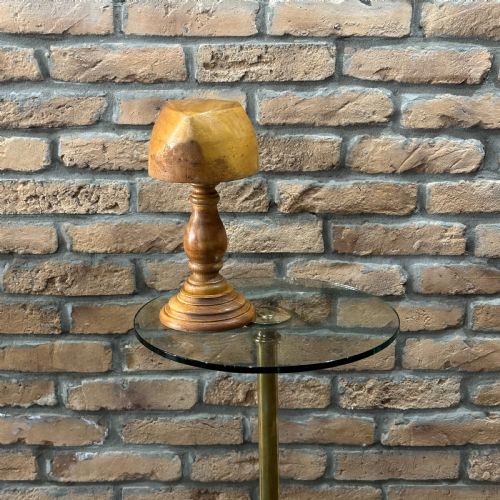
Maker's utilised a variety of timbers including oak, fruitwood, beech, yew, walnut, and mahogany, often turning the wood on a lathe to create smooth, symmetrical shapes. Some examples feature carved details, creating anthropomorphic wig stands and folk art milliner heads.
Construction techniques combine turned wooden columns with weighted bases or cast iron elements to ensure stability when holding heavy hats or wigs.
Wooden Hat Display Stand Retail Price Guide 2026
Typical asking prices for wooden hat display stand among the pieces listed under this phrase on Sellingantiques today, from the lower quarter to the upper quarter. They describe what is for sale here now, not the wider market.
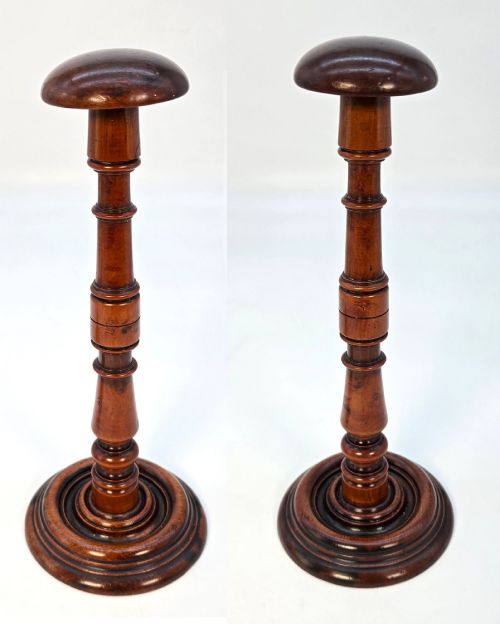
Some wig stands wear their history quietly, shaped like small wooden bowling pins awaiting a very strange game.
What varies in quality
Quality rests in the sculptural presence of the turning and the character of the timber grain, with older pieces displaying rich patination developed through decades of workshop use. The integrity of the original construction and the balance of the proportions distinguish superior examples.
Patination and wear show the history of the piece, where dry surfaces or polished finishes tell different stories of a working life in trade or domestic care.
The Wooden Hat Display Stand Glossary
- Haberdashery
- Items and fittings originally used in retail shops for the display and sale of clothing and accessories. These pieces often exhibit robust construction intended for daily commercial use.
- Milliner
- A maker and seller of hats. Milliner's forms and blocks were shaped specifically to create or display headwear.
- Hat Block
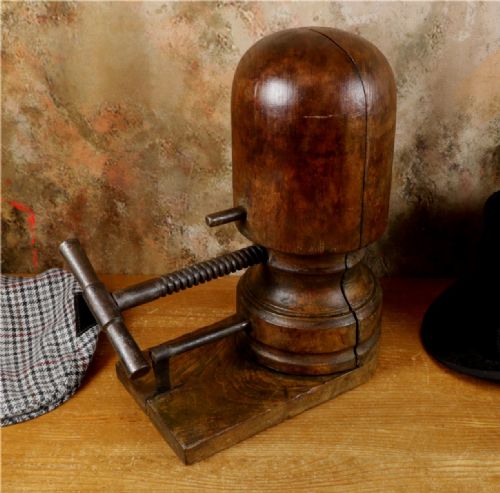
- A solid wooden form used to shape a hat during its creation. These often double as display stands due to their sculptural qualities.
- Wig Stand
- A tall turned wooden support designed to hold wigs. They frequently feature a spherical or ovoid top.
- Patina
- The surface sheen and colour acquired by wood over years of handling and exposure. A good patina indicates age and use.
Wooden Hat Display Stand: Frequently Asked Questions
What is a wooden hat display stand?
A wooden hat display stand is a functional or sculptural object designed to hold hats, wigs, or millinery items. These pieces originated in shops and domestic settings for storage and display.
They range from turned wooden pedestals to carved wooden heads and adjustable stretchers used by hat makers.
How do I date a wooden hat display stand?
Dating relies on the timber used, the tool marks left from manufacturing, and the turning style. Georgian and 18th-century pieces often feature dense hardwoods and hand-turned details.
Later 19th-century and 1920s items show industrial production methods, including beech blocks and cast iron components.
Were these stands used in shops?
Many examples on this page originated in commercial haberdashery shops and millinery workrooms. They were designed to showcase hats to customers or to store stock neatly.
Other pieces served private domestic roles on dressing tables and in bedrooms for holding personal wigs and headwear.
How do I care for antique wood?
Keep wooden stands away from direct heat sources and drastic humidity changes to prevent the timber from splitting. Dust gently with a dry cloth and avoid harsh modern cleaning products.
Applying a traditional beeswax polish occasionally helps nourish dry wood surfaces and maintains the historic patina.