




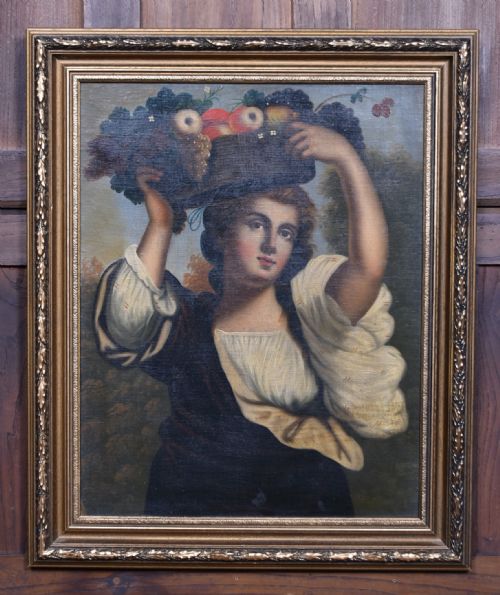


Antique Harvest Figures
Antique harvest figures capture rural labour and seasonal abundance through bronze, porcelain, and canvas.
Antique Harvest Figures
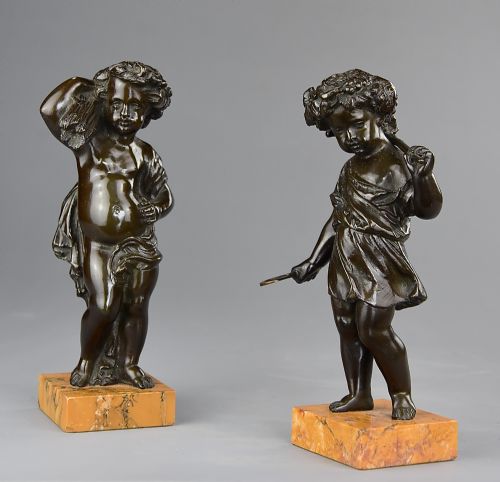
When you search for antique harvest figures, you encounter a selection of bronze sculptures, porcelain figurines, and landscape oil paintings dating from the nineteenth and early twentieth centuries. These pieces portray seasonal abundance and agrarian themes through allegorical putti, dancers, and cherubs holding wheat sheaves.
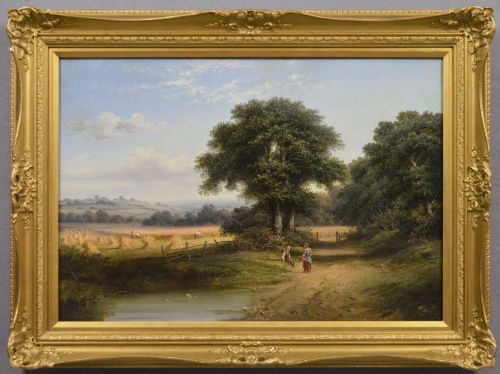
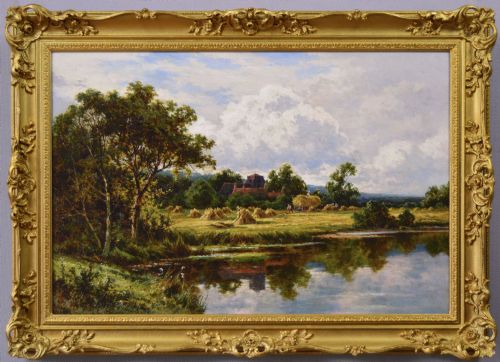
You are most likely to meet bronze figurines from the Victorian and late nineteenth-century periods, alongside canvas oil paintings depicting figures harvesting near fields and rivers. The range spans French, English, and broader European schools, capturing both classical revival aesthetics and nineteenth-century pastoral realism.
Materials and construction
Bronze sculptures and inkstands utilise cast metal techniques, often finished with gilt wood or gold leaf detailing and mounted on marble bases. Porcelain and ceramic bisque figures rely on traditional kiln-fired moulding and hand-painted enamel decoration.
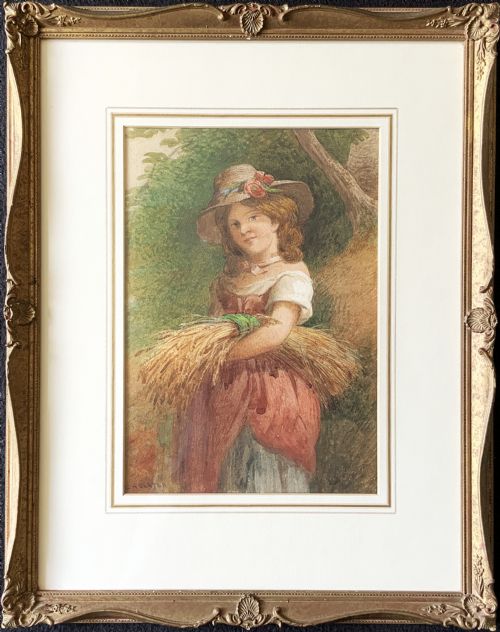
Paintings employ oil on canvas or watercolour mediums to render landscape scenes of harvest fields. Alabaster and giltwood appear in sculptural pieces to highlight seasonal motifs such as wheatsheaves.
Antique Harvest Figures Retail Price Guide 2026
Typical asking prices for harvest figures among the pieces listed under this phrase on Sellingantiques today, from the lower quarter to the upper quarter. They describe what is for sale here now, not the wider market.
Listings span the nineteenth and early twentieth centuries, featuring oil on canvas, bronze, marble, and porcelain.
Judging quality and execution
In painted works, the handling of light within landscape harvest scenes separates accomplished brushwork from standard decorative production. Material choice also plays a role, with carved alabaster and fire-gilded bronze representing finer execution than mass-produced ceramics.
Walter Heath Williams·Charles Henry Slater·Henry H Parker·Joseph Thors
The Antique Harvest Figures Glossary
- Allegorical
- Artworks that use symbolic figures to represent abstract ideas such as autumn or harvest abundance. This convention appears frequently in nineteenth-century decorative bronzes.
- Bisque
- Unglazed ceramic porcelain that has been fired once, producing a matte, tactile surface texture. It is typical of nineteenth-century portrait and figure sculpture.
- Putto
- A plump, naked male child depicted in classical art, often styled as a cherub or seasonal harvester. Pairs of these figures frequently flank decorative inkstands or act as standalone bronzes.
- Flatback
- A ceramic figure moulded with a decorated front and a flat, unpainted rear designed to sit against a mantelpiece. Staffordshire potteries produced these extensively during the Victorian era.
Antique Harvest Figures: Frequently Asked Questions
What materials were used for antique harvest figures?
Makers employed bronze, porcelain, alabaster, and ceramic bisque to shape sculptural figures and inkstands. Canvas and paper support landscape oil paintings and watercolours depicting seasonal rural workers.
Giltwood, gold leaf, and marble bases frequently complement the metal and stone sculptures to enhance their display.
How do I identify a nineteenth-century bronze figure?
Nineteenth-century bronze pieces typically exhibit rich patination, careful hand-chasing after casting, and substantial weight. They often feature classical revival motifs such as putti holding wheatsheaves or grapes.
Many examples sit upon fitted marble or giltwood plinths characteristic of French and English workshops from the period.
Where were porcelain harvest figurines made?
Porcelain figures emerge from various European traditions, including Staffordshire flatbacks and pieces created in the style of Derby or Frankenthal. These factories produced allegorical representations of autumn and farming.
The figures combine moulded ceramic bodies with hand-painted enamel details to signify seasonal productivity.
How were landscape harvest paintings displayed?
Landscape oil paintings of harvest fields served as interior wall art within nineteenth-century homes, framed in carved wood. They recorded rural British and European countryside scenes involving workers near rivers and fields.
Collectors today hang these canvases in domestic living spaces to complement associated bronze and ceramic sculptures.