




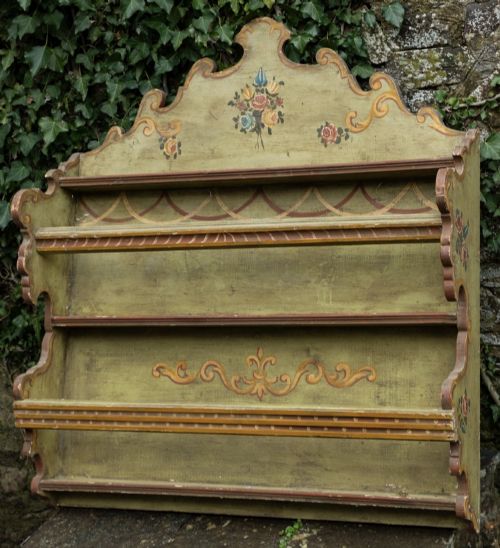
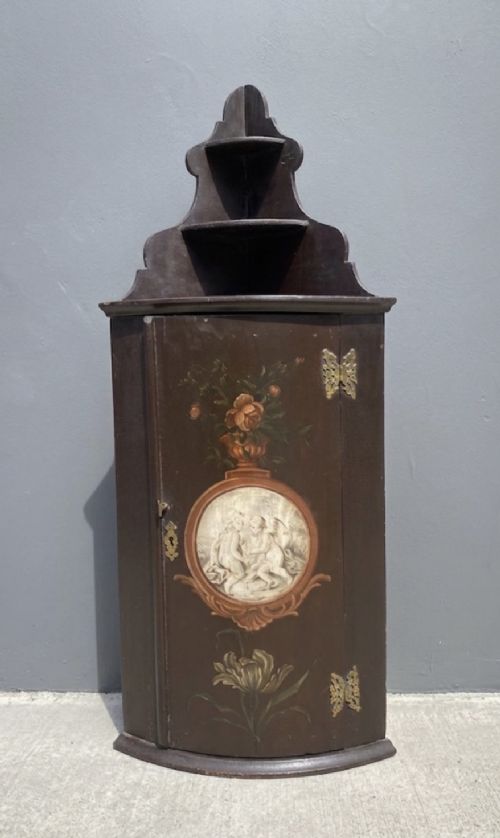


Antique Hanging Shelf Unit
An antique hanging shelf unit clears floor space while displaying books or ceramics, bringing timber warmth directly to a room.
Antique Hanging Shelf Unit
When you search for an antique hanging shelf unit, you encounter wall-mounted tiers, corner cupboards and display racks designed to hold books, china or small objects off the floor. The examples available on this page span several centuries, with nineteenth-century and Victorian mahogany and walnut pieces appearing most frequently alongside earlier Georgian and Regency designs.
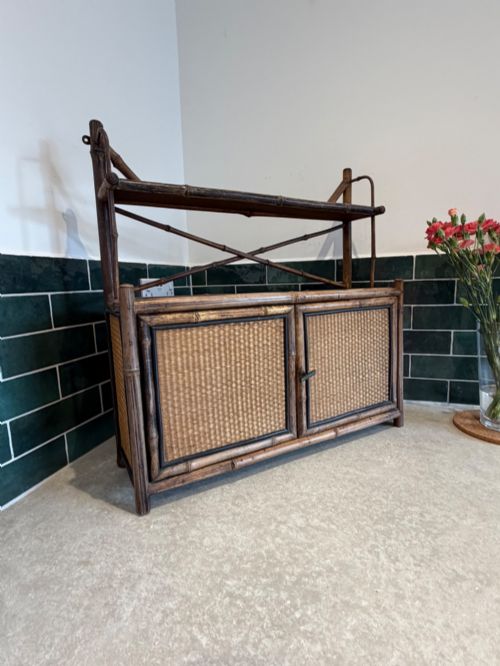
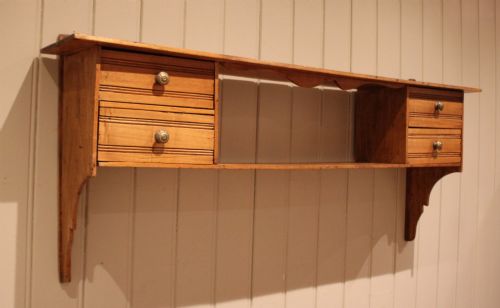
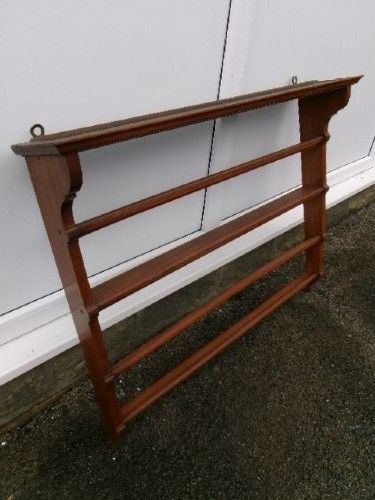
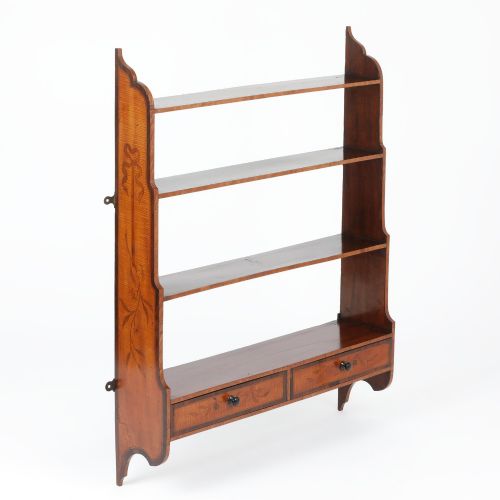
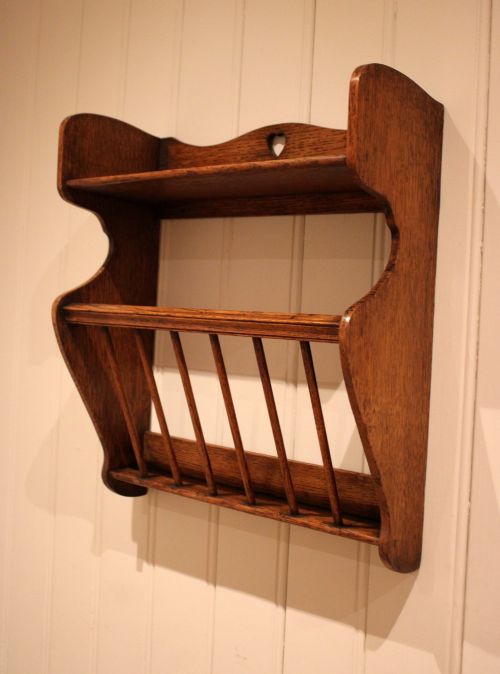
Forms vary from open bookcases and waterfall tiers to enclosed wall cabinets with tambour fronts or glazed doors. You will also find specialised formats such as kitchen plate racks, cloakroom mirror combinations and corner shelves inlaid with olive wood or satinwood.
Origins range across English country workshops, formal Georgian parlours and continental makers utilising cherry, pine, limewood and oak. Each piece relies on secure wall fixings or brass mounting brackets to support its load safely.
Materials and construction
Cabinetmakers constructed these hanging units predominantly in timbers such as mahogany, oak, walnut and pine, occasionally incorporating contrasting satinwood, cherry or limewood for decorative effect. Brass fixings, hinges and decorative brackets frequently provide structural support and functional detail.
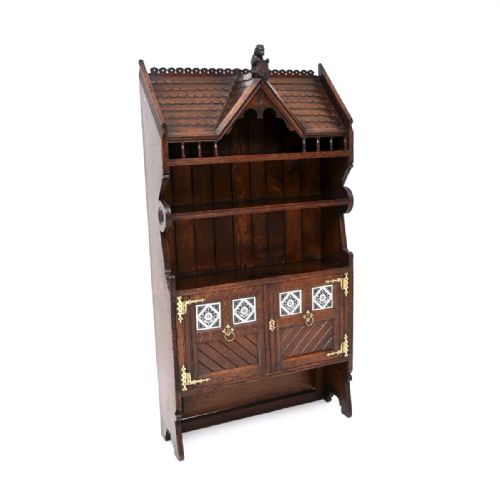
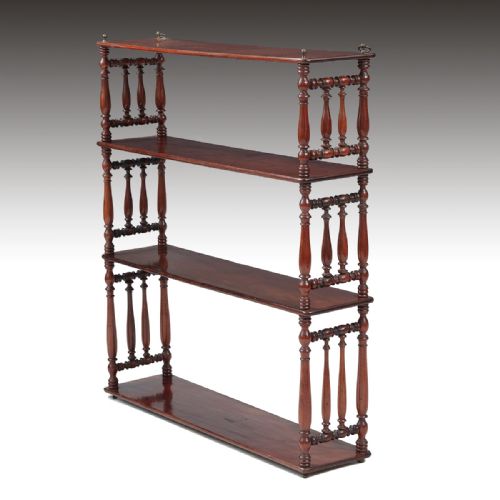
Joinery methods include dovetailed joints for shelves and cabinet boxes, alongside turned uprights, hand-painted finishes, and delicate wood inlay. Some pieces combine open shelving tiers with enclosed lower cupboards or glazed display doors.
Antique Hanging Shelf Unit Retail Price Guide 2026
Typical asking prices for hanging shelf unit among the pieces listed under this phrase on Sellingantiques today, from the lower quarter to the upper quarter. They describe what is for sale here now, not the wider market.
The listings span from 18th Century Georgian styles to 1930s satinwood pieces, utilising materials like brass, glass, painted wood, and mahogany.
Distinguishing quality
Quality in these wall units reveals itself in the choice of timber figure, the crispness of turned supports and the precision of inlaid details or hand-painted finishes. Superior examples display thoughtful proportions and robust joint construction that safely bears the weight of books and ceramics.
Simpler kitchen racks and pine storage pieces rely on utilitarian function and honest utility, whereas formal Georgian and Regency selections demonstrate refined cabinetmaking traditions through select mahogany grains and polished brass mounts.
The Antique Hanging Shelf Unit Glossary
- Tambour front
- A sliding shutter made from narrow vertical strips of wood glued to a canvas backing. This mechanism allows a cabinet door to curve around corners without swinging outward.
- Whatnot
- A set of open shelves standing on one another or mounted to a wall, used for displaying ornaments or books. Victorian examples often feature tiered platforms supported by slender turned columns.
- Waterfall bookshelves
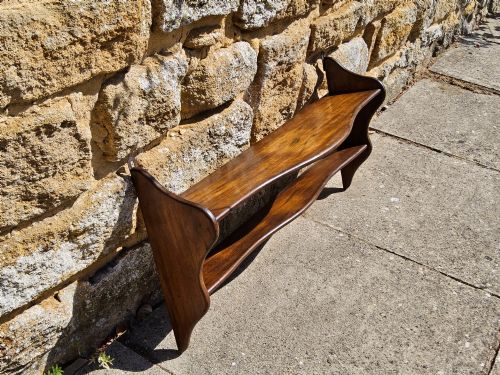
- A set of graduated shelves where each tier steps back from the one below it. This profile creates a cascading effect popular in eighteenth and nineteenth-century reading rooms.
- Corner cupboard
- A triangular storage unit designed to fit snugly into the angle of a room. These incorporate open shelving above or enclosed doors to utilise neglected space.
Antique Hanging Shelf Unit: Frequently Asked Questions
Were these shelves meant for books or display?
Many pieces served dual purposes depending on their depth and shelf spacing. Portable mahogany bookshelves and waterfall tiers held reading material close to hand.
Other formats incorporated display cabinets, glazed doors or mirror panels specifically intended for ornaments, plates and decorative ceramics.
How do I tell a Georgian shelf from a Victorian one?
Georgian hanging shelves typically display restrained mahogany grains with simple architectural mouldings and classic proportions. They prioritize clean lines and understated utility.
Victorian pieces often introduce bolder ornamentation, including carved Gothic motifs, walnut timbers, contrasting inlay, or integrated cupboards and mirror plates.
Can I put these shelves in a modern kitchen?
Pine wall shelves and antique kitchen racks integrate naturally into modern cooking spaces for storing jars, mugs and everyday ceramics. Their open format keeps essentials accessible.
Ensure that damp kitchen environments do not damage unsealed antique timber or delicate hand-painted surfaces over time.