



Antique Hanging Portrait
An antique hanging portrait brings the human face and presence into a room through framed miniatures, carved reliefs, and wall mirrors.
Antique Hanging Portrait
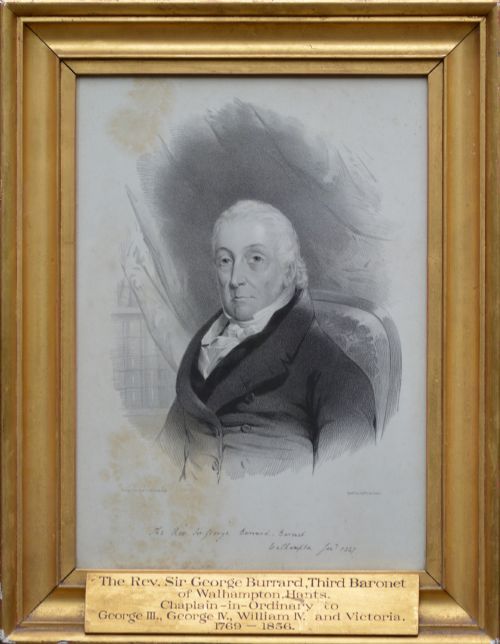
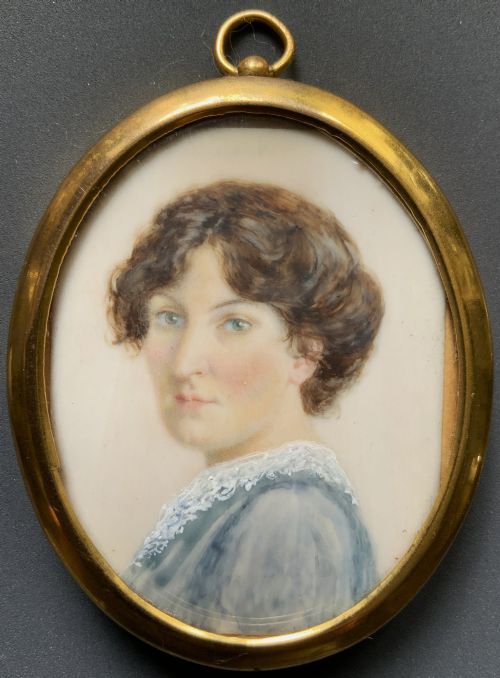
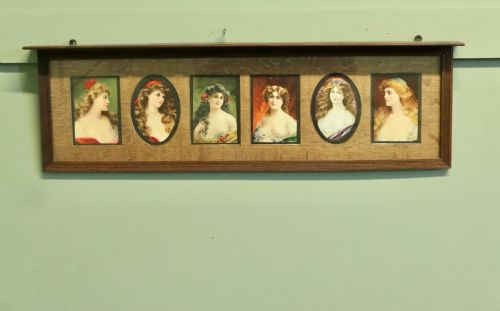
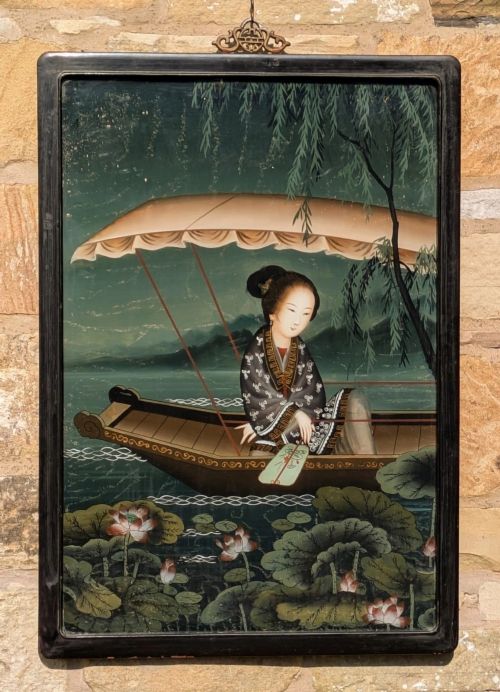
When you search for an antique hanging portrait, you encounter a diverse group of wall-mounted works spanning the eighteenth to the twentieth centuries. These objects range from delicate plumbago portrait miniatures and watercolour studies to cast metal relief plaques and reverse paintings on glass.
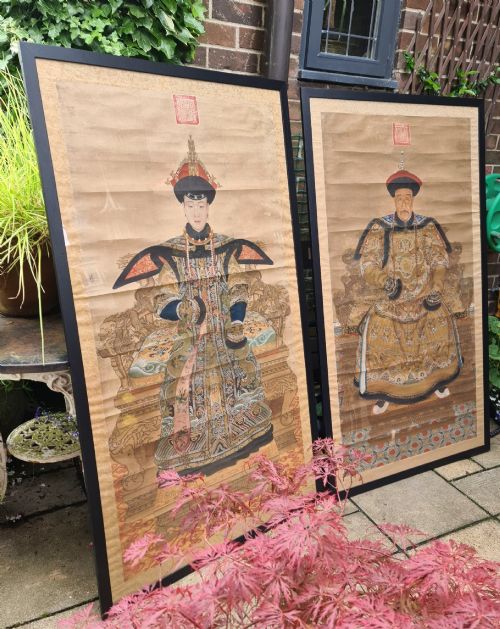
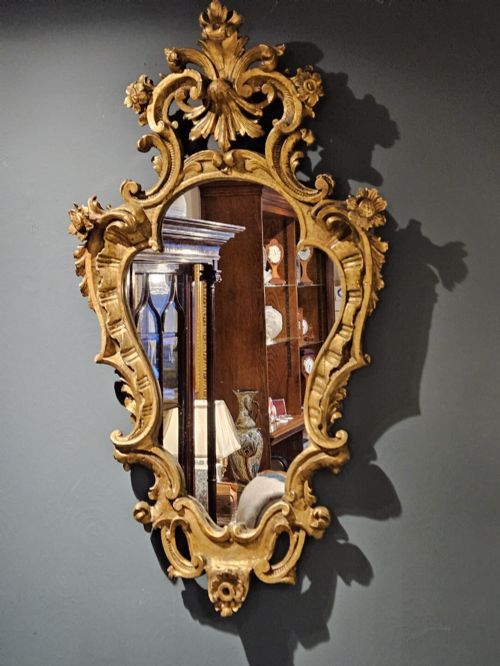
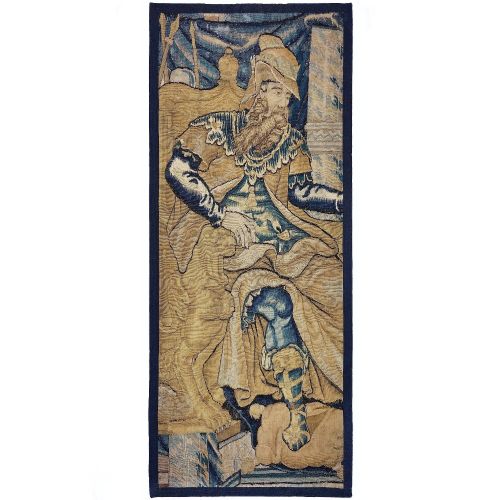
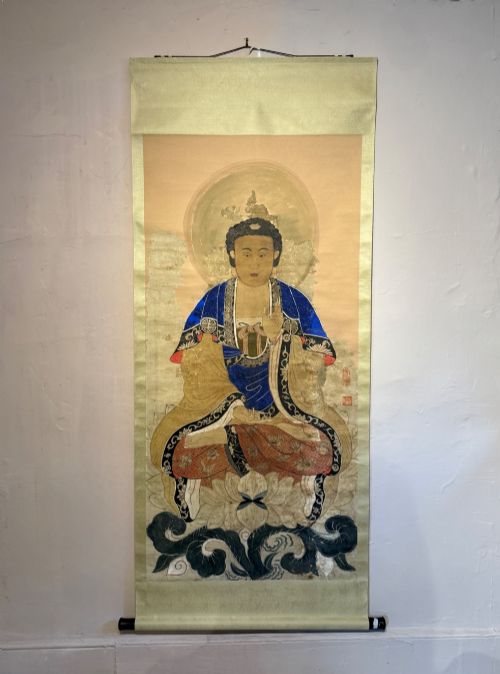
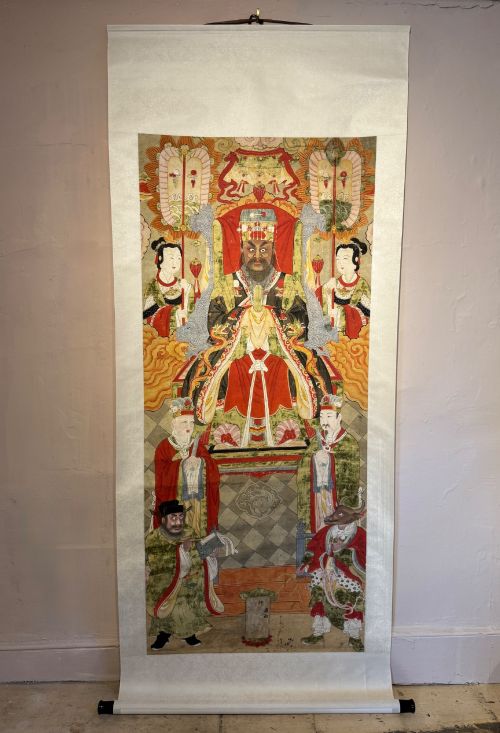
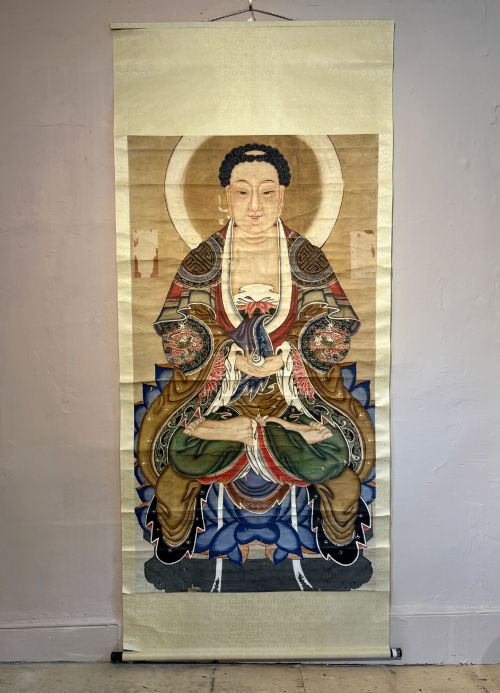
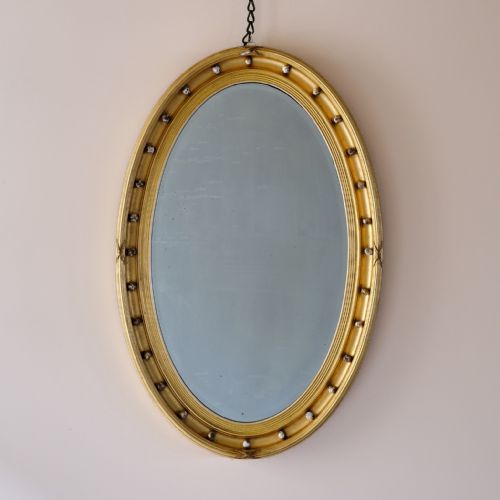
Mirrors formed in a vertical format also appear frequently in this category, alongside textiles such as silk rugs depicting rulers and framed Chinese ancestral scrolls. The overarching characteristic is the display of a likeness or a vertical composition designed to hang upon a wall.
The materials and techniques shift considerably between these forms, moving from fragile paper and glass to heavy carved walnut, oak, and gilded gesso frames. This variety reflects changing domestic tastes across Victorian, Georgian, Regency, and Art Deco periods.
Materials and construction methods
Makers utilised traditional hand-working methods, combining timber frames of walnut, mahogany, and ebonised wood with delicate interior components of glass, paper, and silk. Watercolour and plumbago drawings required meticulous brushwork on paper, while reverse paintings on glass demanded precise execution in a mirrored medium.
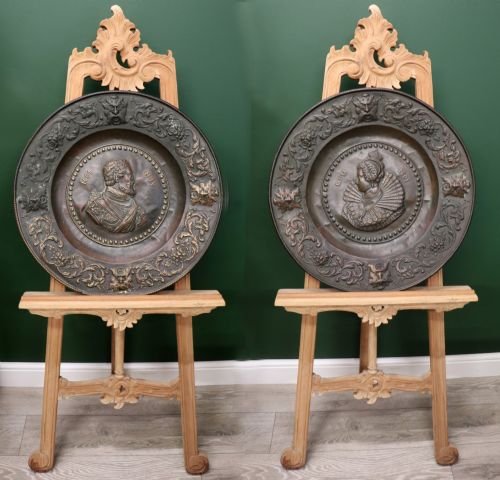
Relief plaques and chargers involved metalworking techniques in copper, white metal, and gilded bronze, alongside cast plaster and bronzed finishes. Textile portraits relied on hand-knotted wool and silk construction, demonstrating intricate pictorial weaving executed on traditional looms.
Frames received careful attention through carved wood, applied gesso, and gilding to create secure housings for the portraits within. Joinery techniques such as corner mitring and panel construction ensured these vertical wall pieces remained structurally sound over centuries.
Antique Hanging Portrait Retail Price Guide 2026
Typical asking prices for hanging portrait among the pieces listed under this phrase on Sellingantiques today, from the lower quarter to the upper quarter. They describe what is for sale here now, not the wider market.
The listings show portrait pieces spanning from the 18th century to the 1920s, incorporating glass, paper, walnut, and brass.
Distinctions in quality
The standard of execution in the painted or drawn likeness dictates much of the visual merit within these works. Finer miniatures and watercolours display subtle handling of line and tone that captures expression with immediacy, whereas simpler pieces rely on standard commercial production.
The integrity and originality of the surrounding frame contribute significantly to the overall merit of the piece. Hand-carved walnut, crisp gilding, and original dome-fronted glass preserve the historical context far better than later replacement mouldings or modern backing boards.
Material choice and depth of relief in cast plaques or woven textiles also divide standard examples from exceptional ones. Heavier cast metals with detailed chasing and tightly knotted pictorial rugs represent higher degrees of craftsmanship.
George Atkinson·N Millett·Elisabeth Vigee Le Brun
The Antique Hanging Portrait Glossary
- Plumbago
- A drawing executed in graphite, taking its name from the Latin word for lead ore. These monochrome works gained popularity for detailed portrait miniatures.
- Reverse painting on glass
- An artwork applied directly to the back of a glass panel so the finished image is viewed through the front. This technique protects the pigments from dust and fading.
- Gilt and gesso
- A combination of a plaster-like grounding material applied to a wooden base and finished with a thin layer of gold leaf. It allows for intricate decorative moulding around frames and wall plaques.
- Silhouette
- A portrait profile filled in with a solid dark colour, typically black, against a light background. These were cut from paper or painted on card, glass, or plaster during the Georgian and Regency eras.
- Wall charger
- A large decorative plate designed to be hung on a wall rather than used for dining. They frequently feature embossed or chased metallic portraits of historical figures.
Antique Hanging Portrait: Frequently Asked Questions
How do I hang a heavy framed portrait safely?
Secure hanging requires locating wall studs or using appropriate heavy-duty wall anchors rated for the weight of the timber frame and glass. Heavy walnut frames and cast metal plaques demand robust picture wire and sturdy wall hooks to prevent slipping.
Ensure the hanging cord or chain is securely fastened to the original structure of the frame rather than weak backing elements. Check the stability of the wall fixture periodically, especially with older pieces incorporating heavy plaster or dense hardwoods.
Where should I place a portrait miniature at home?
Miniatures and delicate watercolours on paper require placement away from direct sunlight to prevent the fading of pigments and paper discolouration. Small vertical wall spaces, narrow alcoves, or groupings alongside other framed works provide suitable proportions for display.
Maintain a stable indoor climate away from damp walls or excessive heat sources that could compromise organic materials like silk, paper, and wood. Eye-level placement allows viewers to examine the fine brushwork and intricate detail characteristic of miniature art.
How do I care for antique textile portraits?
Textile portraits, such as woven silk rugs depicting historical figures, need protection from dust, moisture, and insect activity. Gentle vacuuming through a mesh screen on a low setting helps remove surface debris without pulling individual fibres.
Keep woven wall hangings out of bright sunlight to preserve the dyed colours of the wool and silk elements. Professional conservation cleaning remains necessary if deep-seated dirt accumulates within the textile structure.