


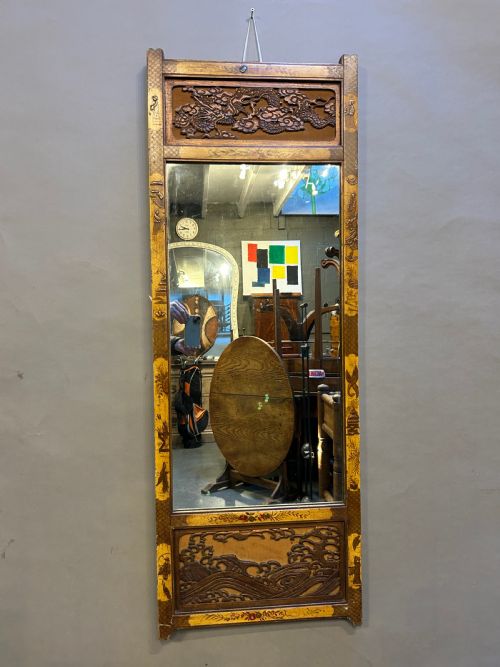


Antique Hanging Pier Glass
An antique hanging pier glass brings deep historical character and light into a room, framed in rich giltwood or figured mahogany.
Antique Hanging Pier Glass
An antique hanging pier glass is a traditional wall mirror designed to hang between windows, reflecting natural light deeper into a room. These pieces appear across Georgian, Regency, and nineteenth-century periods, showcasing distinct regional revivals and classical motifs.
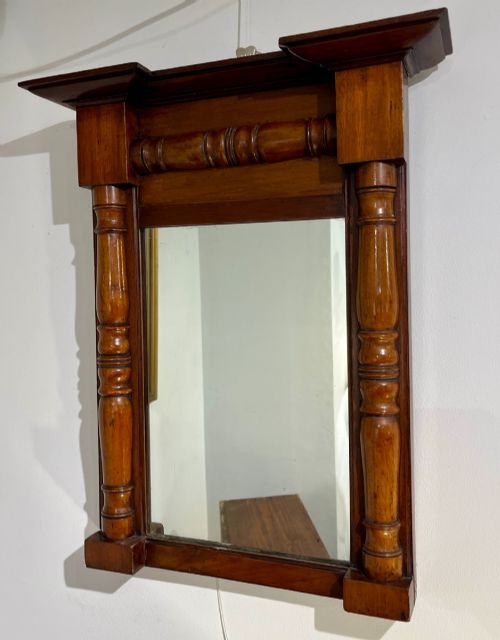
The versions most common on this page are mahogany and walnut frames, frequently featuring giltwood accents or fretwork. Wall mirrors and pier glasses from these eras combine functional design with sculptural timber frames.
Materials and construction
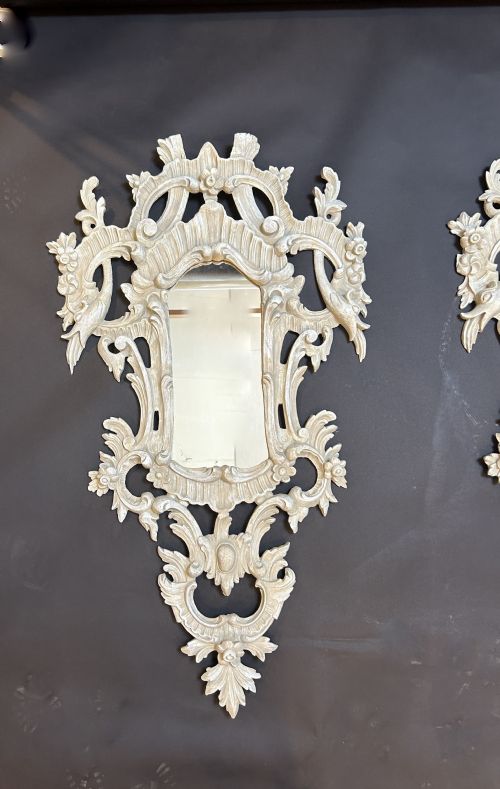
Cabinetmakers utilised dense timbers such as mahogany and walnut, often applying veneers and intricate marquetry or parcel gilt details to the wooden foundation. Carved gesso and giltwood provided opulent surface decoration for frames designed in rococo, neoclassical, and revival styles.
Mirrored glass plates were historically produced by hand, resulting in subtle imperfections and mercury plates that catch the light differently than modern glass. Joinery relied on traditional mortise and tenon techniques to stabilise the heavy wooden frames.
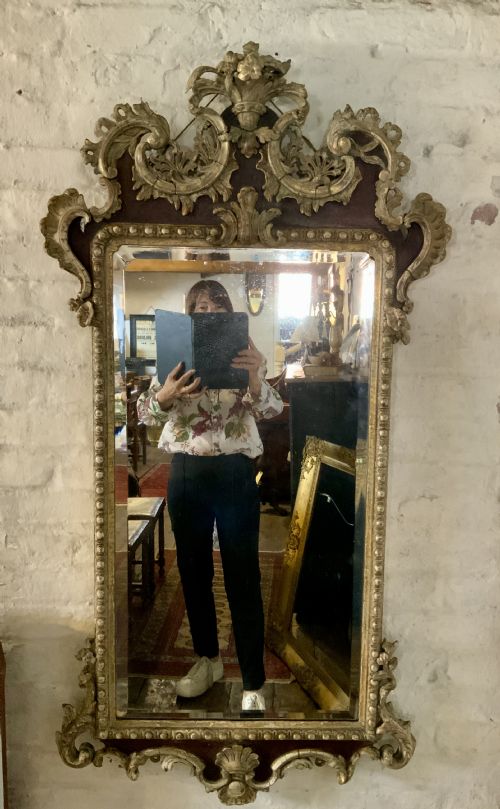
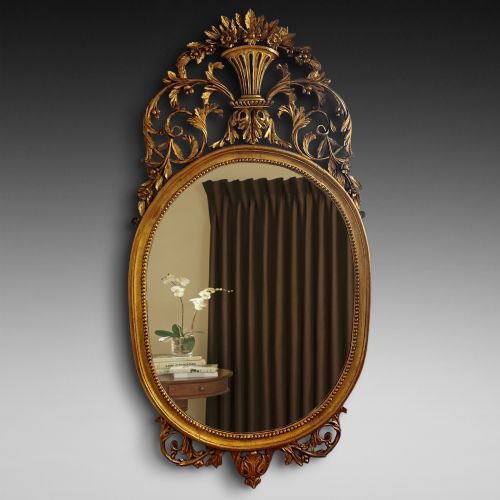
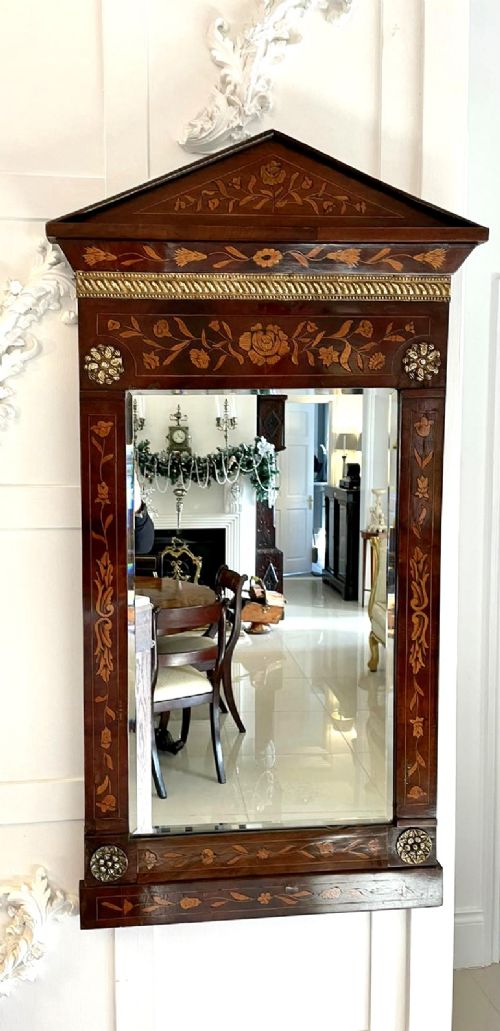
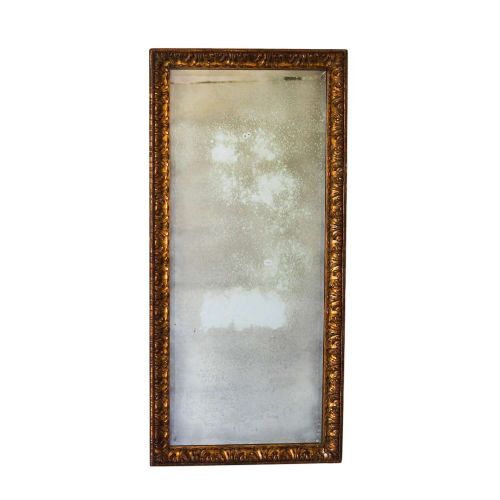
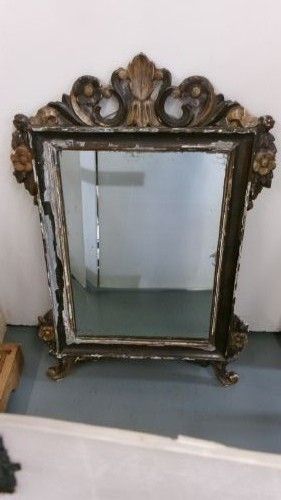
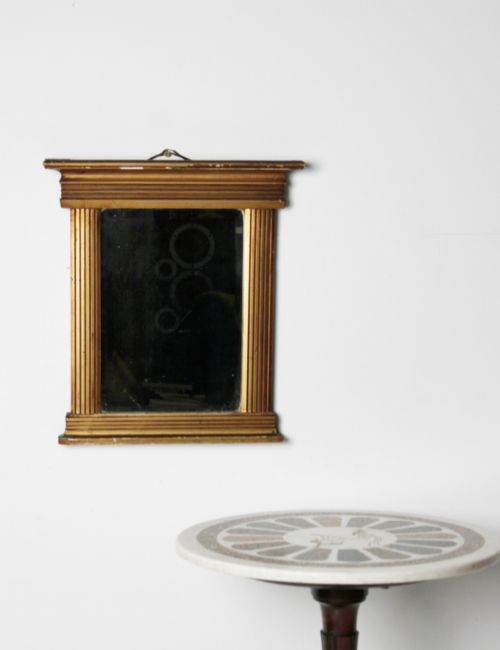
Listings feature walnut, mahogany, and giltwood frames spanning the Georgian, Regency, and nineteenth-century periods.
Assessing quality and execution
The calibre of an antique hanging pier glass rests upon the depth and crispness of the wood carving or gesso moulding. Finer examples display hand-cut fretwork and well-preserved original gilding that has aged with a soft, natural warmth.
The integrity of the mirror plate and timber backing further separates superior pieces from standard workshop output. Original glass plates with authentic silvering hold greater historical weight than later replacements.
The Antique Hanging Pier Glass Glossary
- Pier glass
- A tall mirror specifically proportioned to hang on the wall space between two windows. This placement maximised illumination in period drawing rooms.
- Giltwood
- Timber that has been coated with a thin layer of gold leaf over a prepared gesso ground. It provides a brilliant, reflective surface that catches candle and natural light.
- Fretwork
- Thin wood ornamentation cut with a fretsaw into decorative geometric or scrolling patterns. It appears frequently on the crests and borders of eighteenth-century frames.
- Vauxhall mirror
- A historic term often associated with bevelled mirror plates produced in early English glassworks. These plates exhibit distinctive hand-beveled edges.
- Mercury plate
- An older style of mirror glass manufacturing utilising a tin-mercury amalgam. This technique produces a characteristic mottled reflection and depth.
Antique Hanging Pier Glass: Frequently Asked Questions
Where should I hang a pier glass?
Historically, an antique hanging pier glass hung on the narrow wall between two windows to bounce daylight into the room. Today, they work equally well above a fireplace mantel or in a hallway.
Ensure the wall anchors can support the substantial weight of the timber frame and glass plate.
How do I identify the period?
Dating relies on observing the combination of timber, carving style, and construction methods used in the frame. Georgian and Regency pieces show distinct classical motifs and proportions.
Examine the backboards and the composition of the mirror plate for signs of age that match the recorded styles.
What is the difference between walnut and mahogany frames?
Walnut frames are typical of earlier eighteenth-century pieces, often featuring rich grain patterns and burr veneer highlights. Mahogany became dominant later in the Georgian period for its strength and deep reddish hue.
Both timbers were frequently enhanced with giltwood or parcel gilding to catch the light.
Are the mirror plates original?
Many surviving pieces retain their original glass plates, which often display light oxidation and minor foxing. These natural signs of age confirm the long history of the object.
Replacement glass is sometimes fitted during conservation, so checking the back of the frame provides clarity.