

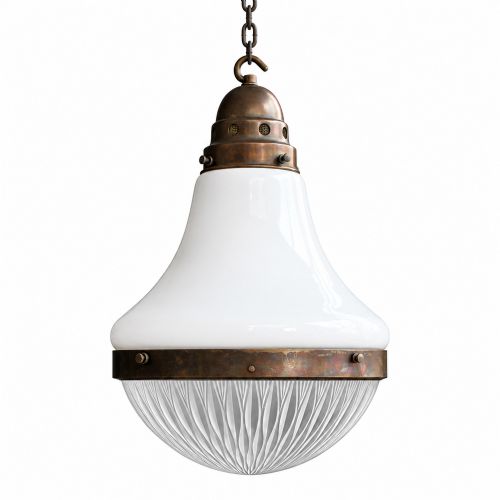

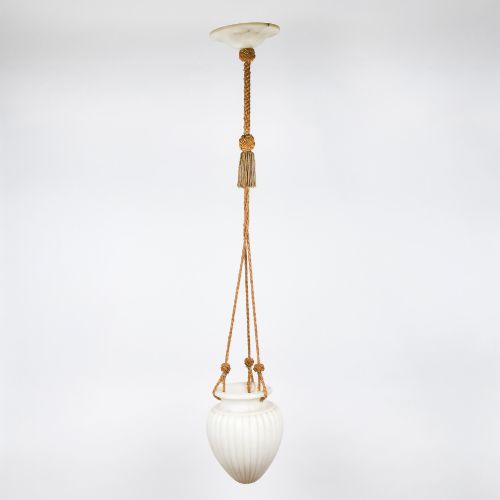
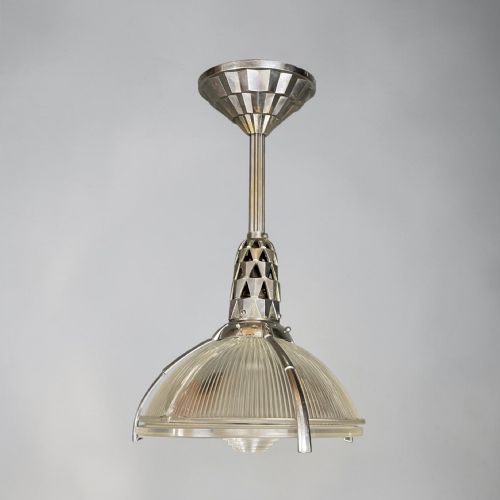
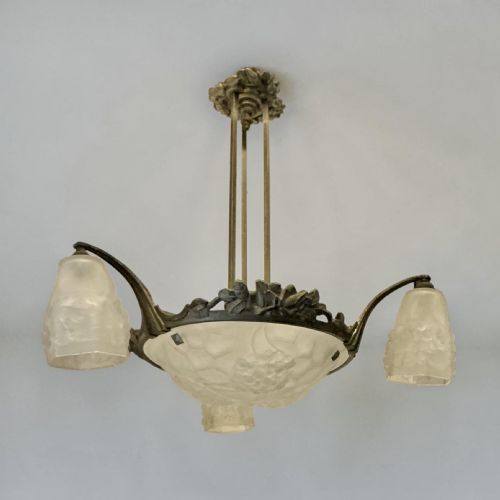
Antique Hanging Lamp Shade
An antique hanging lamp shade transforms overhead illumination, bringing period character and warm atmosphere to a room through glass and brass.
Antique Hanging Lamp Shade
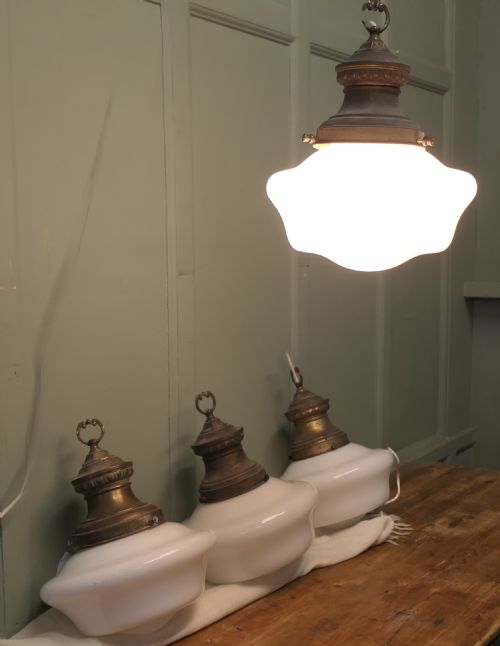
When you search for an antique hanging lamp shade, you encounter a variety of ceiling fixtures designed to suspend illumination from above. The selections span pendant lights, globes, and plafonniers originating from the Victorian era through the mid-century modern period. These pieces serve functional lighting needs while adding distinct historical style to interiors.
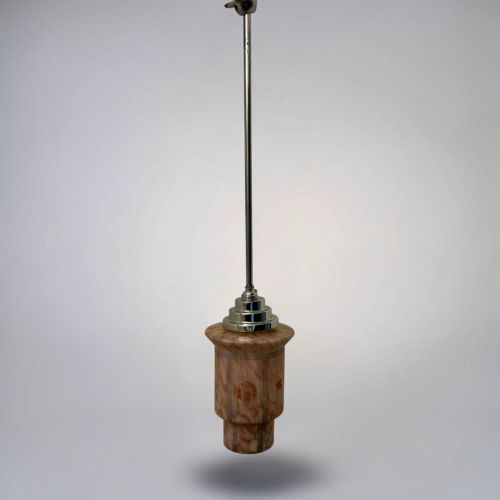
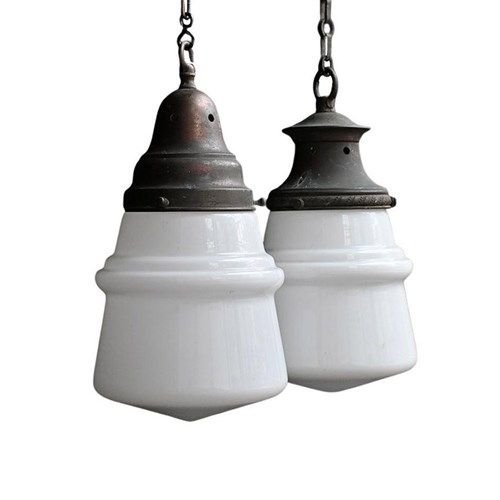
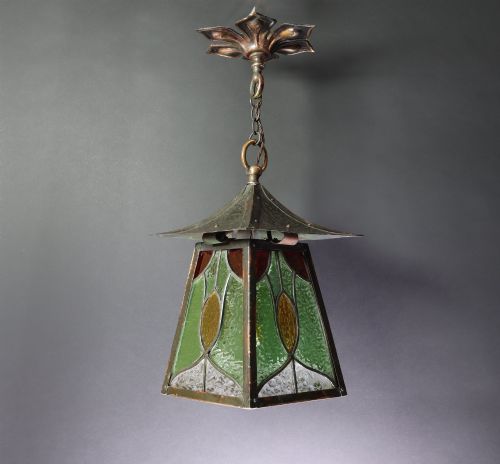
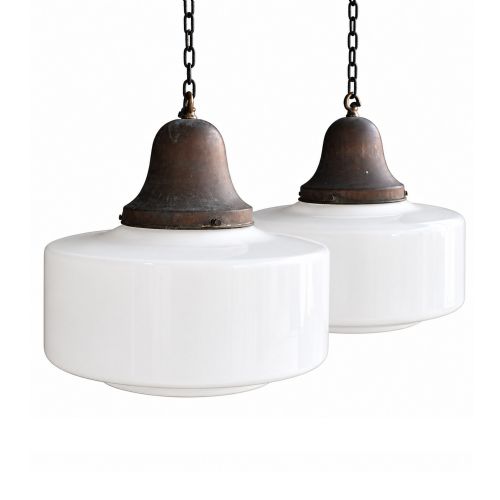
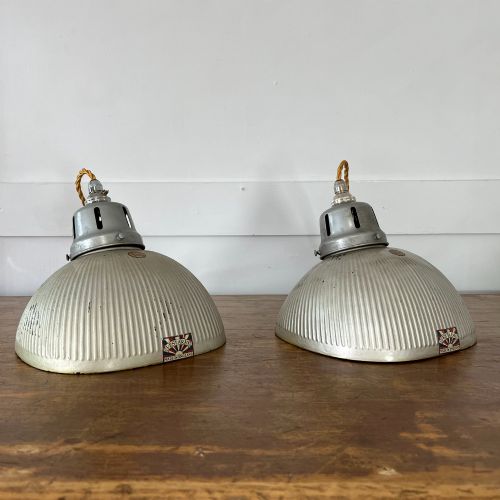
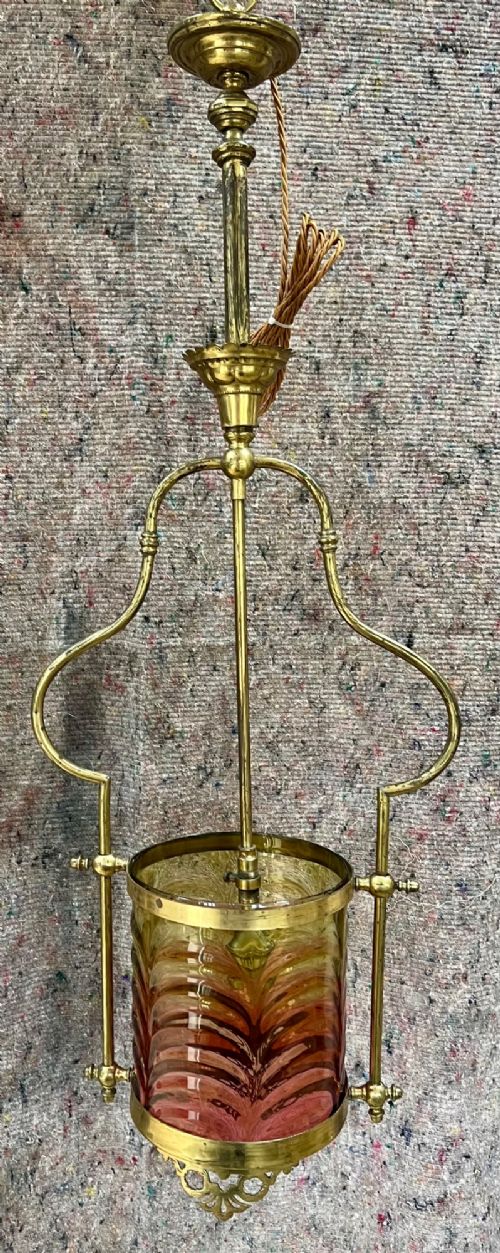
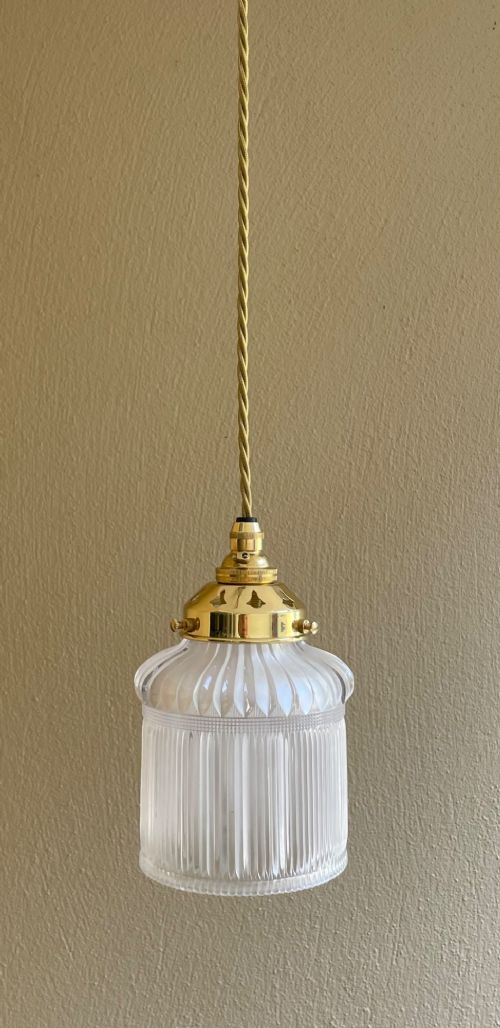
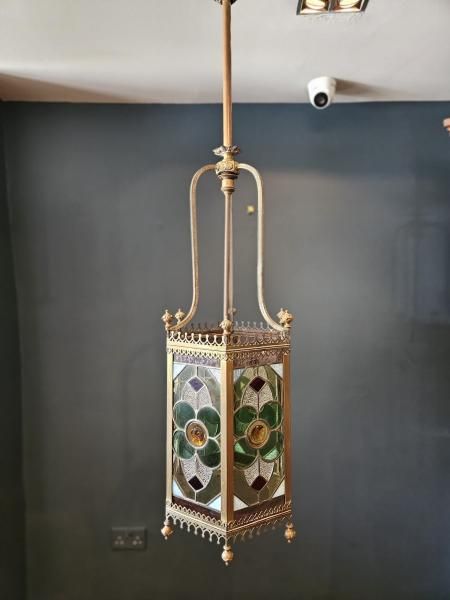
The specimens on this page encompass diverse forms including opaline glass globes, industrial enamel shades, and brass lanterns. French and English examples predominate, showcasing designs from Art Deco geometric patterns to Edwardian utility. Buyers find fixtures suited for hallways, kitchens, and living spaces alike.
How these pieces were made
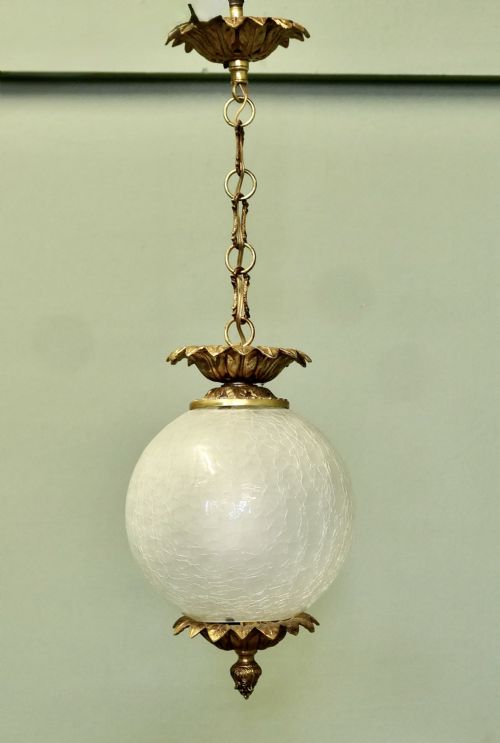
The manufacture of these fixtures relies heavily on combinations of glass and metal worked by hand or in early factories. Brass, copper, and bronze form the structural mounts, chains, and galleries that support the hanging weight. Metal components often feature cast leaf designs, pierced brass work, or spun construction typical of industrial workshops.
Glass elements utilise specialised techniques such as acid etching, leaded construction, and mould blowing to diffuse light effectively. Opaline, frosted, cut, and crackle glass appear frequently, each imparting a different quality of illumination. Makers also incorporated prism crystals and prismatic glass like Holophane to maximise light distribution.
Antique Hanging Lamp Shade Retail Price Guide 2026
Typical asking prices for hanging lamp shade among the pieces listed under this phrase on Sellingantiques today, from the lower quarter to the upper quarter. They describe what is for sale here now, not the wider market.
Railway guards and billiard players once relied on the exact same sturdy copper and brass shades now illuminating modern kitchens.
What varies in quality
Quality in these lighting fixtures rests on the integrity of the materials and the sophistication of the design. Heavy cast brass mounts and thick, uniform glass shades represent superior manufacturing compared to lighter, pressed metal alternatives. The presence of original matching components, such as burners on oil conversions or specific shade fixings, elevates a piece.
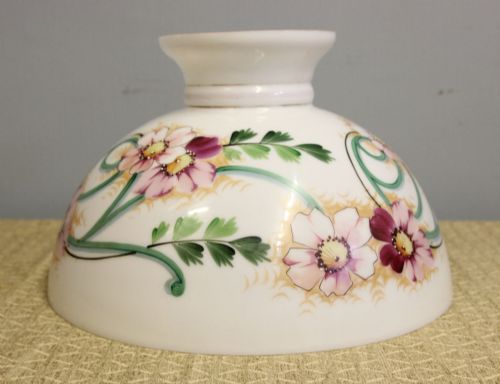
Artistic execution distinguishes exceptional examples from standard utilitarian wares. Finely hand-painted details, complex geometric Art Deco mouldings, and intricate brass pierced work demonstrate superior craftsmanship. The clarity and weight of the glass, whether cut crystal or moonstone opaline, further define the grade of the fixture.
Émile-Jacques Ruhlmann
The Antique Hanging Lamp Shade Glossary
- Plafonnier
- A ceiling light fitting that sits flush or close to the ceiling, frequently featuring a glass bowl held in a metal frame. These pieces gained popularity during the early twentieth century.
- Opaline glass
- A milky, semi-translucent glass that diffuses light softly without harsh glare. It appears frequently in white and pastel shades across Victorian and Art Deco lighting.
- Holophane
- A brand of scientific glass shade designed with prismatic ribs to direct and control light output. These are prized in industrial and commercial lighting contexts.
- Rise and fall
- A mechanical pulley system utilising weights and a counterbalanced cord that allows the pendant height to be adjusted. This mechanism was common in Edwardian billiard rooms and dining spaces.
- Pendant light
- A single light fixture suspended from the ceiling by a cord, chain, or metal rod. It directs illumination downwards into a specific area of a room.
Antique Hanging Lamp Shade: Frequently Asked Questions
How do I hang a heavy antique glass shade?
Hanging these fixtures requires securing the weight directly to ceiling joists using a suitable metal hook or bracket. Heavier brass and glass assemblies demand robust fixings rather than standard plaster plugs.
Consulting a qualified electrician ensures the internal wiring safely supports the age and weight of the pendant. Many vintage fixtures require modern rewiring to comply with contemporary safety standards.
What rooms suit an Art Deco pendant?
Art Deco pendants feature geometric lines and stylised motifs that complement dining areas, hallways, and living rooms. Their distinctive glass shades create a focal point against high or standard ceilings.
Matching the scale of the shade to the dimensions of the room ensures balanced illumination. Smaller globes fit intimate spaces, while large conical shades suit wider expanses.
Can I convert an old oil lamp shade?
Many antique shades originally designed for oil lamps are adapted for electric fittings using standard brass shade holders and galleries. This allows historical glass to be utilised with modern electrical bulbs.
Checking the fitter rim diameter ensures the glass securely engages with the new metal gallery without risk of slipping. Professional conversion maintains the integrity of the original period glass.
How do I identify a Victorian lantern?
Victorian lanterns typically feature robust brass or copper construction with heavy leaded or bevelled glass panels. Styles often incorporate decorative leaf motifs or nautical brass elements suited for exterior or hallway use.
Examining the fixings, patina, and construction methods helps distinguish genuine nineteenth-century pieces from later reproductions. Original period patination on copper and brass provides a reliable indicator of age.