


Antique Handled Vase
An antique handled vase brings classical proportion and tactile weight to a room, ranging from delicate porcelain garnitures to monumental bronze vessels.
Antique Handled Vase
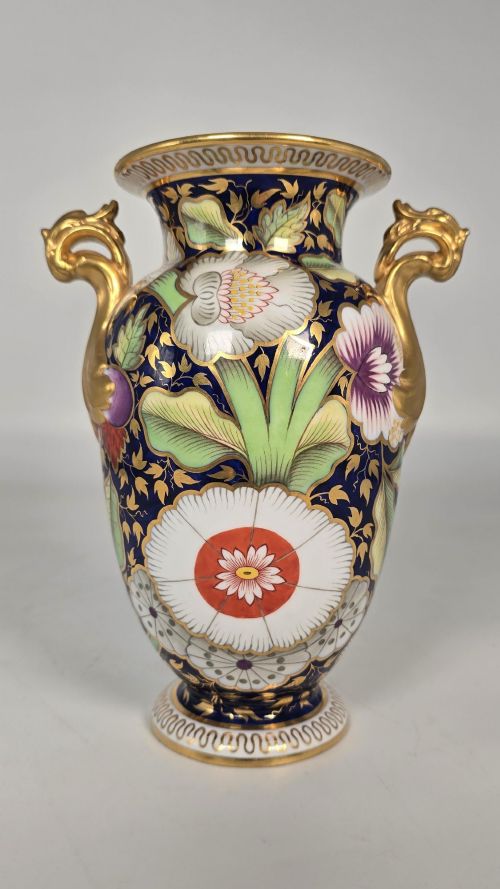
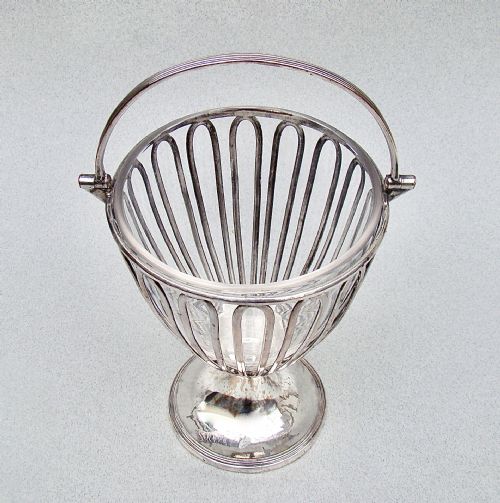
When searching for an antique handled vase, buyers encounter a diverse array of vessels designed for display, lighting, or ornamentation rather than everyday floral arrangement. The selection spans earthenware, porcelain, and heavy metals, reflecting centuries of domestic and grand interior decoration.
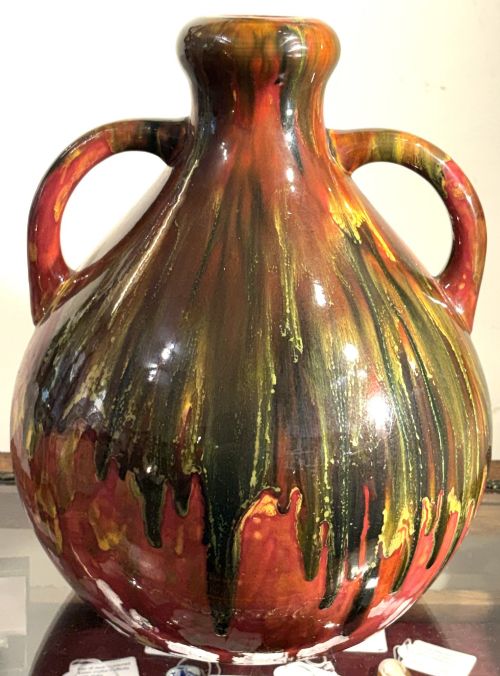
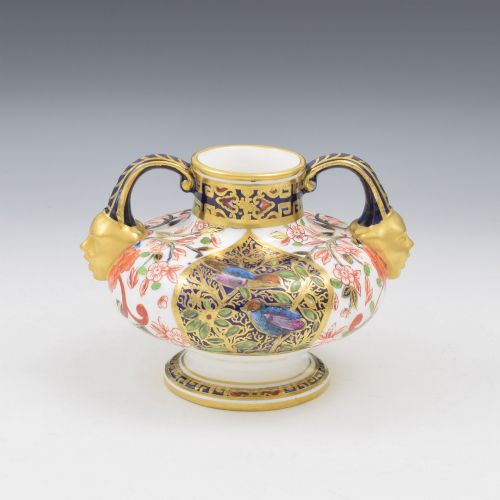
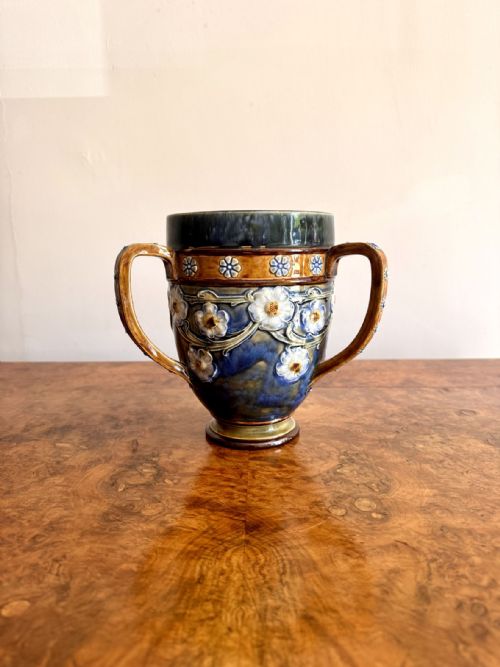
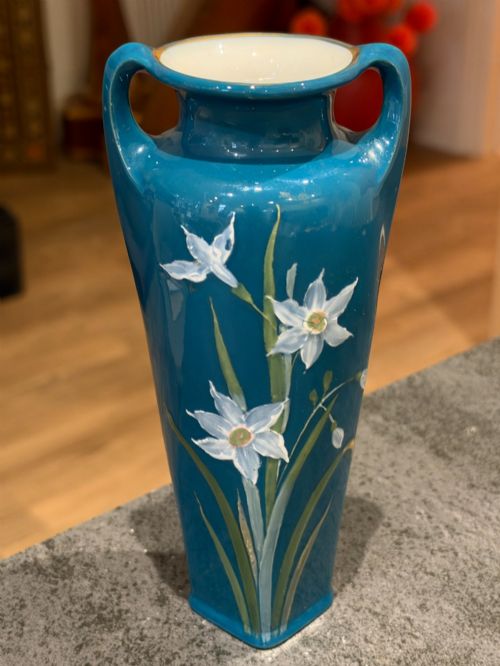
The pieces on this page most frequently emerge from the nineteenth and early twentieth centuries, encompassing Victorian, Edwardian, and Meiji period aesthetics. Forms range from twin-handled mask urns and moon flasks to monumental campana shapes and converted table lamps.
European factories such as Royal Crown Derby, Spode, and Royal Worcester appear alongside Japanese bronzes and art pottery from makers like Burmantofts and Brannam. These objects serve as focal points on mantels, side tables, and pedestals, carrying the decorative vocabulary of their respective eras.
How They Were Made
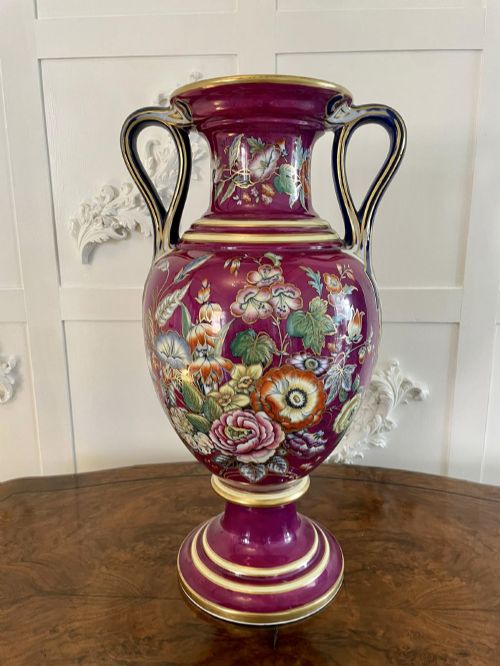
Makers utilised ceramic techniques including hand-painting, gilding, and transfer printing upon porcelain, ironstone, and earthenware bodies. Glazes range from blush ivory finishes to rich enamel applications, often combined with applied handles moulded into animal or human forms.
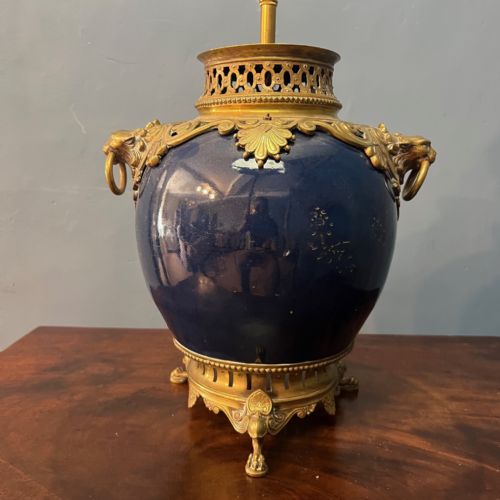
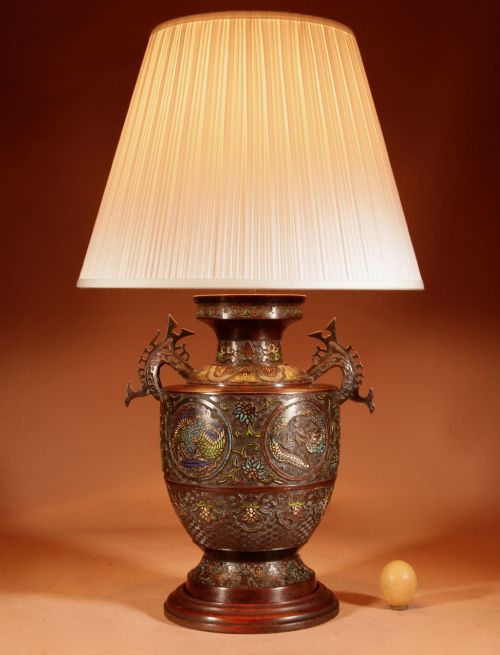
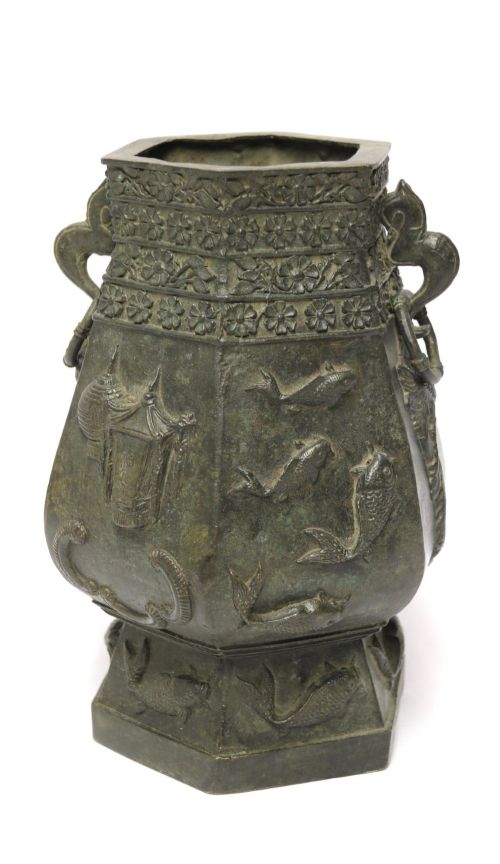
Metal vessels rely on bronze, copper, and spelter construction, frequently decorated through champlevé enamel work, bronze mounts, and gold leaf highlights. Japanese works from the Meiji period demonstrate intricate casting and inlay methods, while European pieces combine metalwork with marble bases or ceramic bodies.
Antique Handled Vase Retail Price Guide 2026
Typical asking prices for handled vase among the pieces listed under this phrase on Sellingantiques today, from the lower quarter to the upper quarter. They describe what is for sale here now, not the wider market.
Some nineteenth-century makers cleverly disguised oil lamps as classical urns, letting a wick emerge from a bronze deity's head.
What Varies in Quality
Quality rests upon the crispness of the casting in metalwork and the precision of the brushwork on ceramic pieces. Finer examples display meticulous hand-painted details, secure mounts, and well-balanced proportions that demonstrate the maker's full technical control.
The integration of handles reveals much about the piece's construction, distinguishing masterworks from standard production items. Superior items maintain integrity across complex mixed-media assemblies, such as bronze mounts fitted tightly to porcelain or faience bodies without clumsy joins.
Edward Souter Barnsley·Royal Crown Derby·Royal Worcester·Makuzu Kozan·René Lalique
The Antique Handled Vase Glossary
- Campana
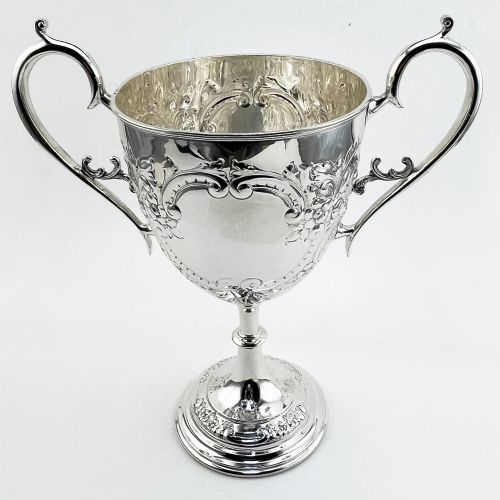
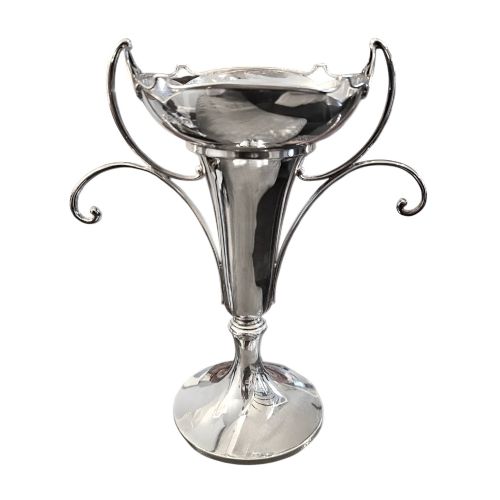
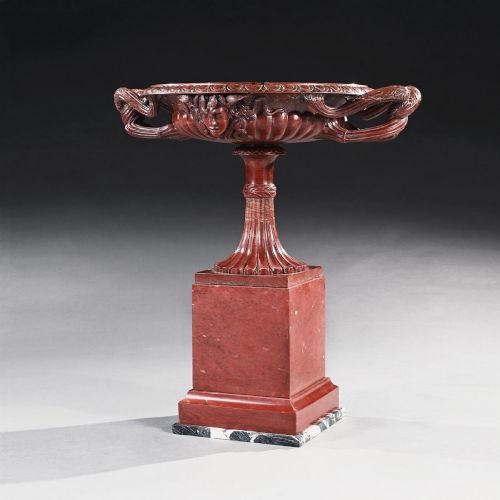
- A bell-shaped vessel with a flaring rim and foot, commonly found on large trophy cups and classical urns. This form draws directly from ancient Roman models.
- Champlevé
- An enamelling technique where troughs are dug into a metal surface and filled with vitreous enamel before firing. It frequently decorates nineteenth-century bronze items.
- Garniture
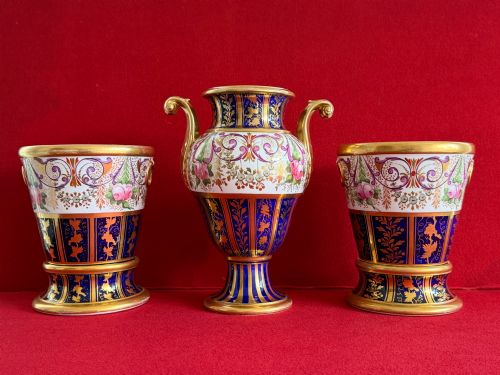
- A set of three or more matching vases or urns designed to sit together on a mantelpiece or sideboard. They typically feature a central taller vessel flanked by smaller matching pieces.
- Moon Flask
- A flattened circular ceramic flask with a short neck and twin side handles, often supported on a small foot. This shape originates from ancient Chinese metal and ceramic prototypes.
- Spelter
- An alloy of zinc and lead cast into decorative figures and urns, often given a bronze-like finish. It served as a more affordable alternative to solid bronze during the nineteenth century.
Antique Handled Vase: Frequently Asked Questions
How were antique handled vases used?
These vessels primarily served as decorative ornaments on mantelpieces, pedestals, and side tables within formal interiors. Many were created as display pieces or garnitures rather than utilitarian containers for cut flowers.
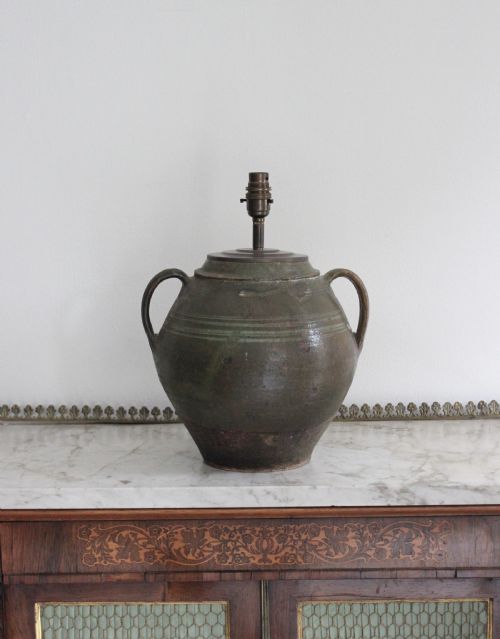
Over time, larger examples were frequently converted into table lamps to suit changing domestic lighting requirements. Their substantial handles and decorative mounts were designed to catch the eye from across a room.
How do I identify a Meiji period bronze vase?
Meiji period bronzes date from the late nineteenth and early twentieth centuries in Japan, often displaying complex surface decoration and patination. Artisans utilised intricate casting techniques, sometimes incorporating inlaid metals or champlevé enamel.
These pieces frequently bear signatures of individual makers or workshops on the base. Their stylistic vocabulary combines traditional Eastern motifs with Western aesthetic influences of the era.
What is blush ivory porcelain?
Blush ivory refers to a soft, matte cream-coloured ceramic body developed by manufacturers like Royal Worcester during the late Victorian period. It provided a neutral background for delicate hand-painted floral decoration and gilding.
This finish is characteristic of Edwardian tablewares and decorative vases. Pieces often feature gilt handles moulded into organic shapes such as dolphins or plant stems.
How do I care for an antique ceramic vase?
Maintain these pieces by dusting gently with a soft, dry brush to prevent the accumulation of dirt on delicate enamel or gilt surfaces. Avoid using commercial cleaning agents or immersing painted ceramics in water, as this can damage historical finishes.
Keep them away from direct sunlight and areas of high humidity to protect the integrity of the glaze and any added metal mounts.