


Antique Hand Tools
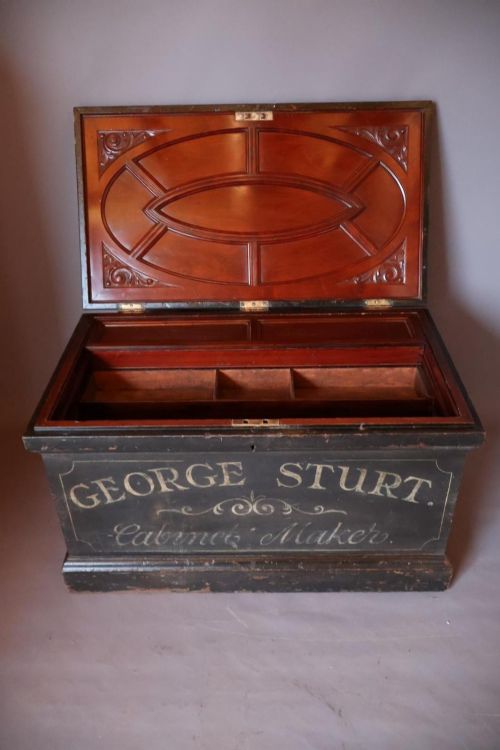
These antique hand tools bridge practical utility and tactile craft, offering collectors tangible links to past trades through enduring materials like wood, brass and steel.
Antique Hand Tools
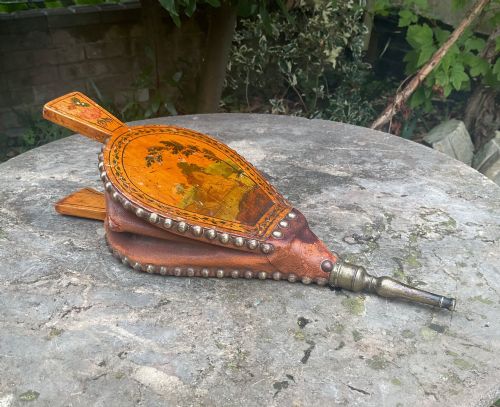
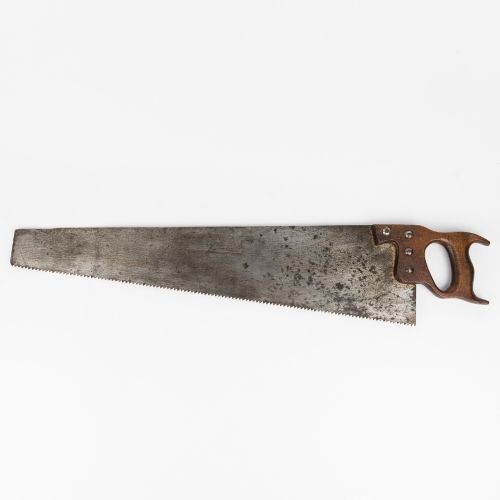
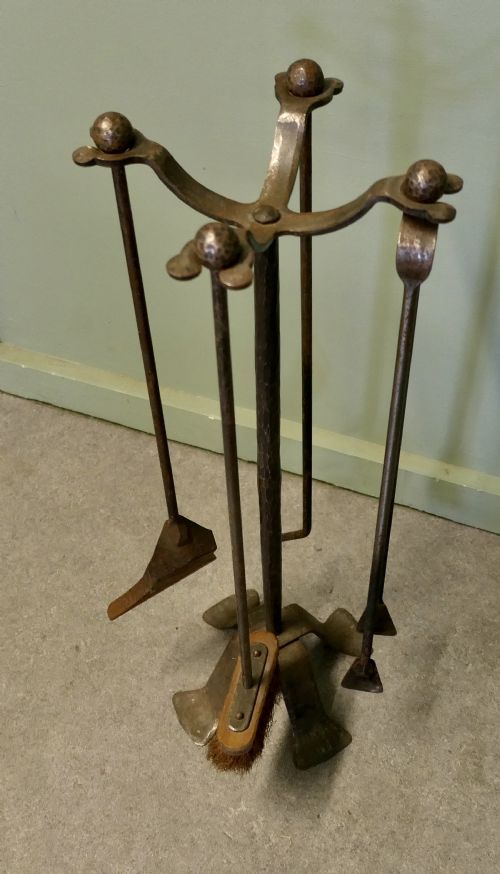
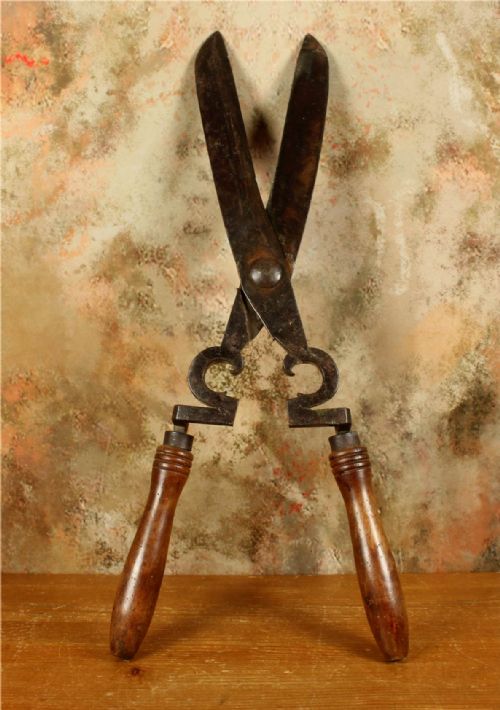
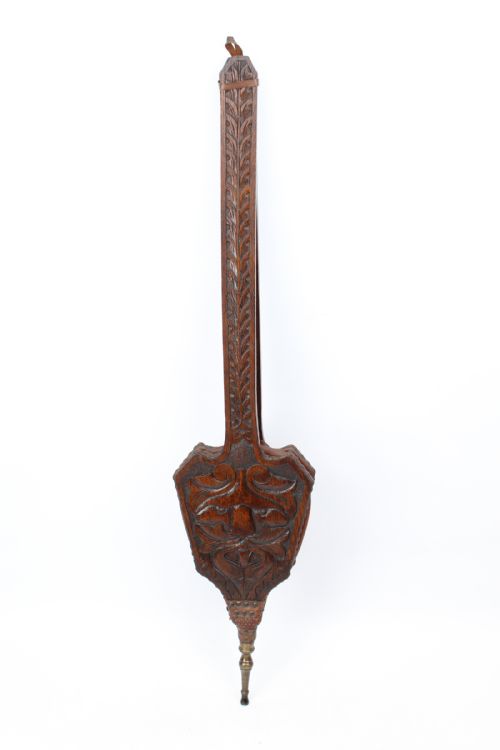
When searching for antique hand tools, buyers encounter a diverse selection spanning utilitarian implements from the eighteenth, nineteenth and early twentieth centuries. The inventory reflects domestic, agricultural and workshop origins, ranging from woodworking planes and gardening shears to textile tools and fireplace accessories.
The most common examples on this page derive from the Victorian and Edwardian eras, encompassing specialised items such as knitting sheaths, distaffs, mallets and iron companion sets. These objects combine functional design with regional folk art characteristics.
Materials and Construction
Construction relies heavily on durable hardwoods such as beech, ash, fruitwood and lignum vitae, selected for resistance to heavy wear in carpentry and textile production. Metals including brass, gunmetal, cast iron, wrought iron and burnished steel provide structural strength and cutting edges.
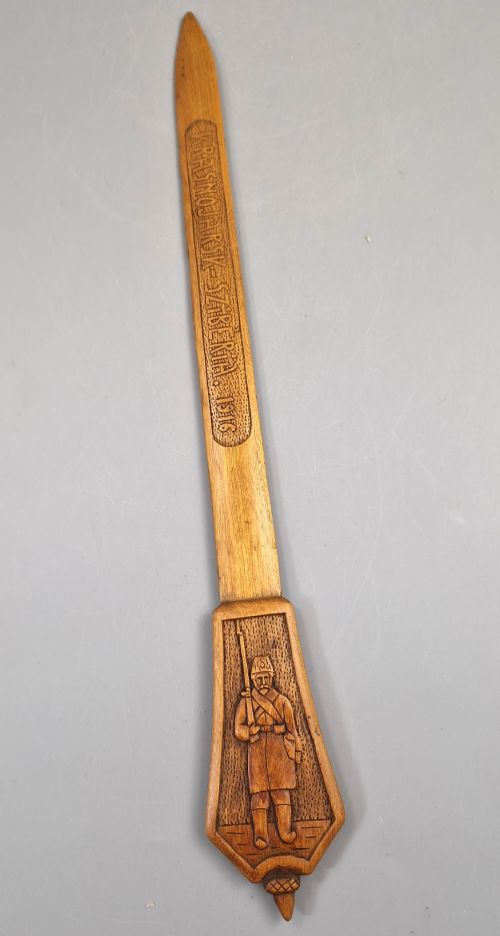
Makers employed traditional joinery, turning and metal casting techniques, occasionally embellishing surfaces with poker work, carved folk art motifs or leather fittings. These manual processes ensure that individual implements display distinct textural details.
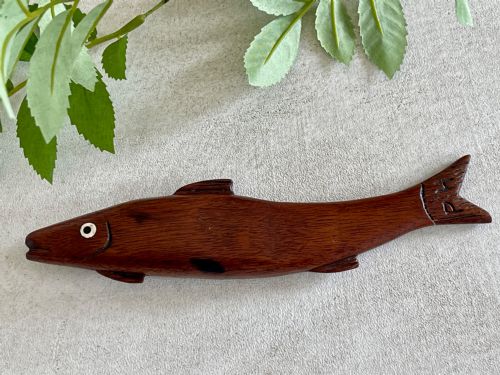
Treen fish-shaped knitting sheaths demonstrate how historical makers brought maritime charm to everyday domestic textile production.
Assessing Quality and Execution
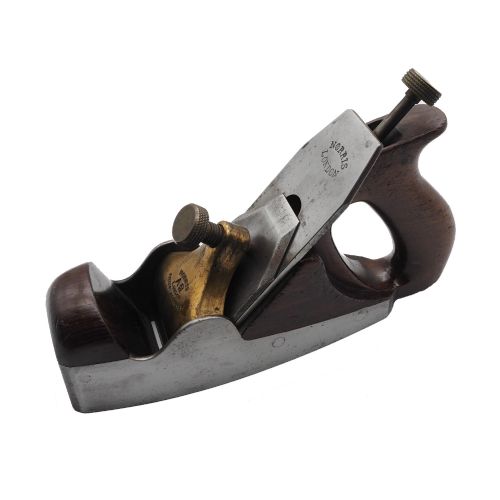
Quality in these implements rests on the precision of the metal components and the integrity of the timber body. Finer examples exhibit crisp casting, legible maker markings on planes, or intricate hand-carved folk art details rather than basic utility finishes.
The relationship between material selection and ergonomic form dictates distinction. Pieces retaining original surface patination, well-balanced proportions and undamaged joinery command greater appreciation among discerning collectors.
Norris London·Broadway & Co·Liberty & Co·Royal Worcester·Singer
The Antique Hand Tools Glossary
- Plane
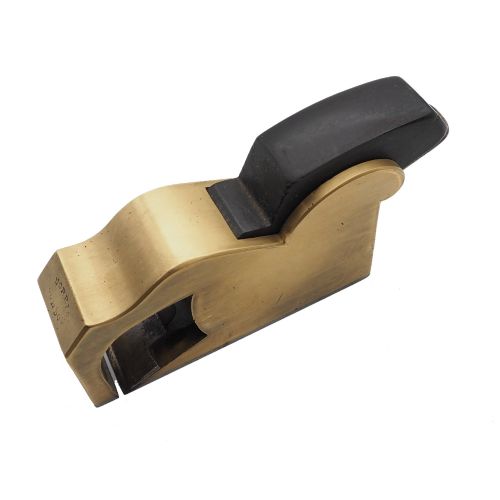
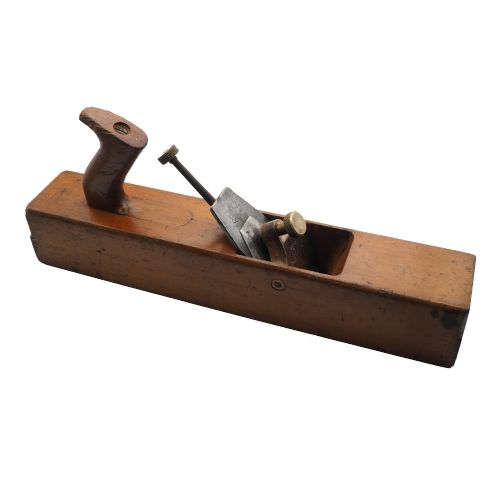
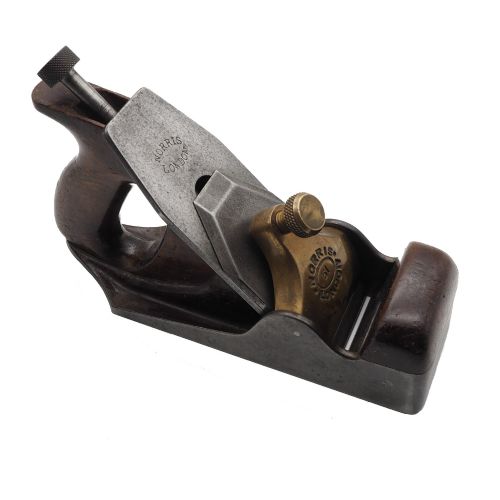
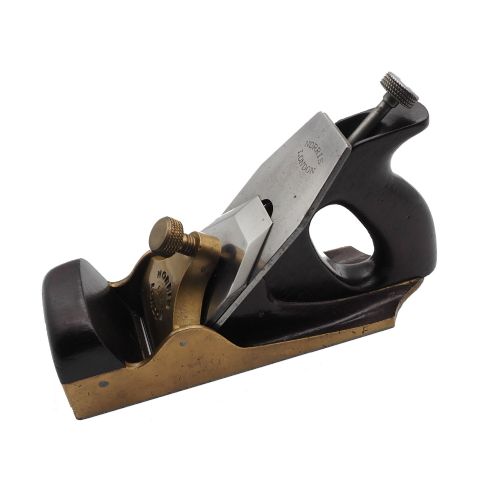
- A woodworking tool used for shaping wood by shaving off thin layers. Examples by makers such as Norris often feature adjustable mechanisms and gunmetal bodies.
- Distaff
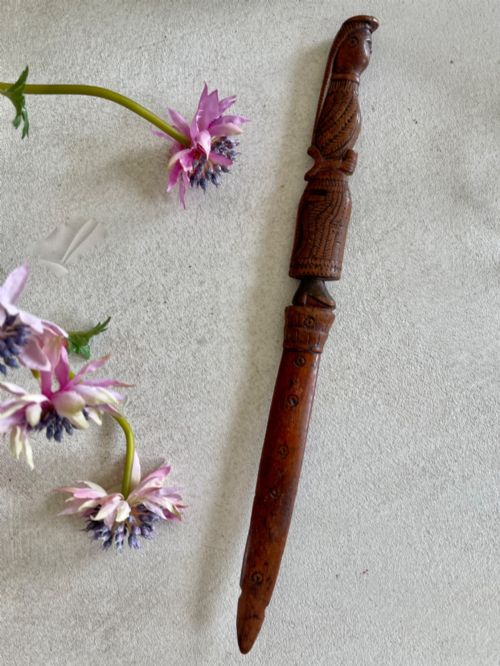
- A tool used in spinning to hold flax or wool before it is drawn into thread. Many surviving nineteenth-century examples display folk art carving.
- Knitting Sheath
- A small device tucked into a belt or apron to hold a knitting needle steady. Traditional regional forms include carved treen and fish shapes.
- Treen
- Small handmade wooden household objects. These items range from lace folders to maritime tools shaped by domestic or professional makers.
- Andiron
- A horizontal metal support used in pairs to hold logs in an open fireplace. Wrought iron versions frequently accompany fire tool sets.
Antique Hand Tools: Frequently Asked Questions
What defines an antique hand tool?
Antique hand tools comprise implements operated by manual power rather than electricity, originating primarily from the eighteenth, nineteenth and early twentieth centuries. They encompass specialised gear for woodworking, textiles, gardening and domestic maintenance.
These pieces reflect the manual trades and domestic industries of their period, often displaying distinct regional characteristics and material choices like hardwood, brass and iron.
How were textile tools used?
Textile tools such as distaffs, lace bobbins and knitting sheaths facilitated home-based spinning and lace-making traditions. Workers tucked knitting sheaths into waistbands to support needles during production, while distaffs held unspun fibres.
These objects bridged utility and folk art, frequently featuring intricate hand-carved decoration or turned wooden forms produced by regional artisans.
How do I care for wooden tools?
Wooden tools require stable indoor humidity levels to prevent the timber from drying, splitting or warping over time. Avoid direct sunlight and excessive heat sources that degrade natural surface patination.
Applying microcrystalline wax periodically helps nourish hardwoods like beech or fruitwood without altering the historic finish or obscuring tool marks.
How are nineteenth-century tools dated?
Dating relies on identifying material composition, manufacturing techniques, maker stamps and stylistic traits typical of Victorian or Edwardian design. Metal alloys, cast marks and specific patent dates provide precise chronological markers.
Comparing construction methods against documented examples helps narrow down the period of production for unsigned or vernacular implements.