




Antique Hand Screen
An antique hand screen offers both functional partitioning and hand-painted artistry, transforming domestic interiors through centuries of craftsmanship.
Antique Hand Screen
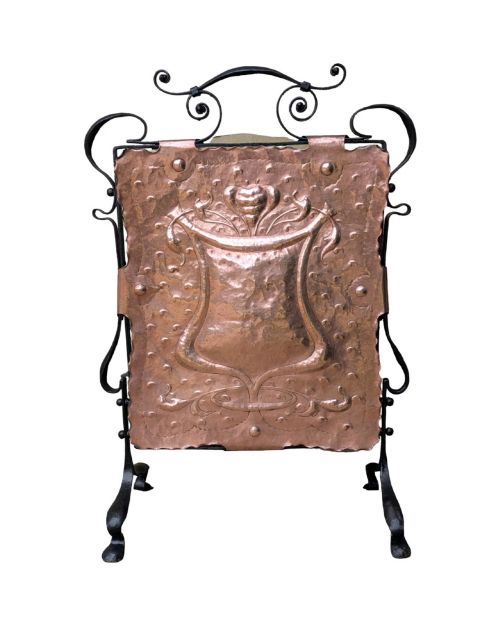
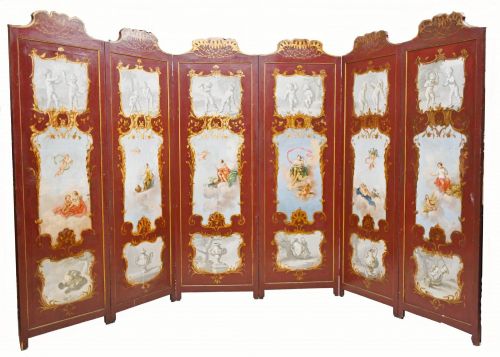
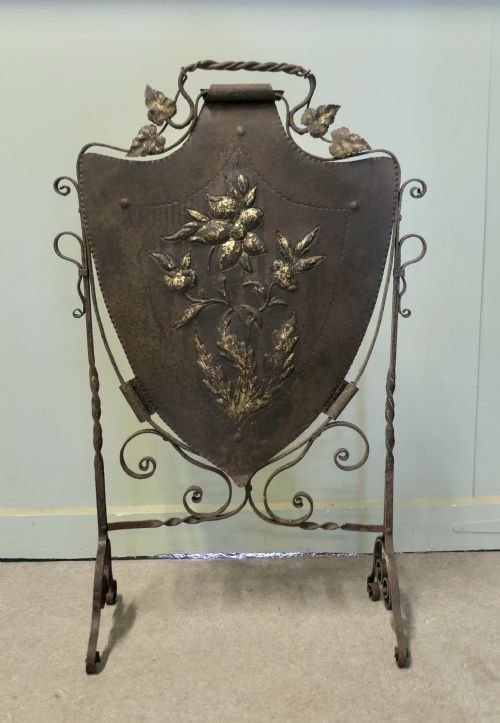
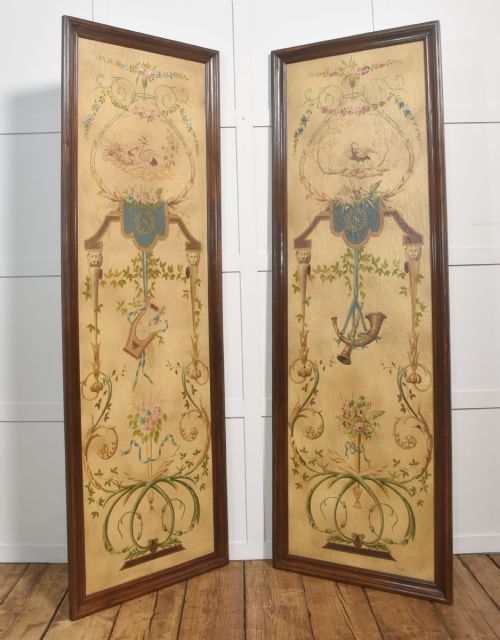
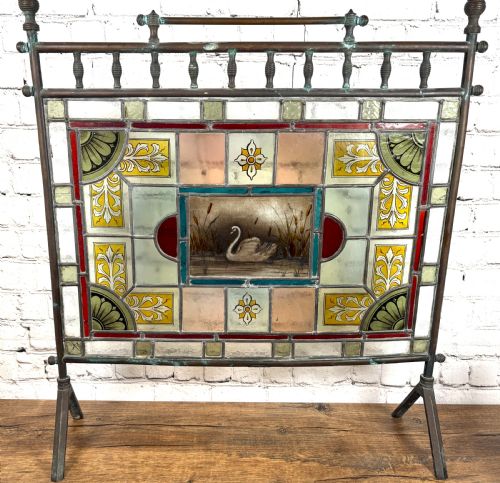
When searching for an antique hand screen, buyers encounter a diverse selection of domestic furnishings designed for privacy, warmth deflection, or purely decorative display. These pieces range from substantial folding room dividers and protective hearth guards to delicate handheld face screens used to shield the complexion from fireside heat.
The selection on this page demonstrates remarkable variety across different periods and regional traditions, spanning grand multi-fold panels to smaller framed plaques. The 19th century and Victorian eras provide the largest share of examples, alongside earlier 18th century pieces and items stretching into the early 20th century.
Forms include classic multi-fold room dividers alongside specialised fire screens and face screens. Materials shift from European leather and painted wood to Asian lacquer and carved panels, showing how different cultures approached the creation of portable partitions.
Materials and construction methods
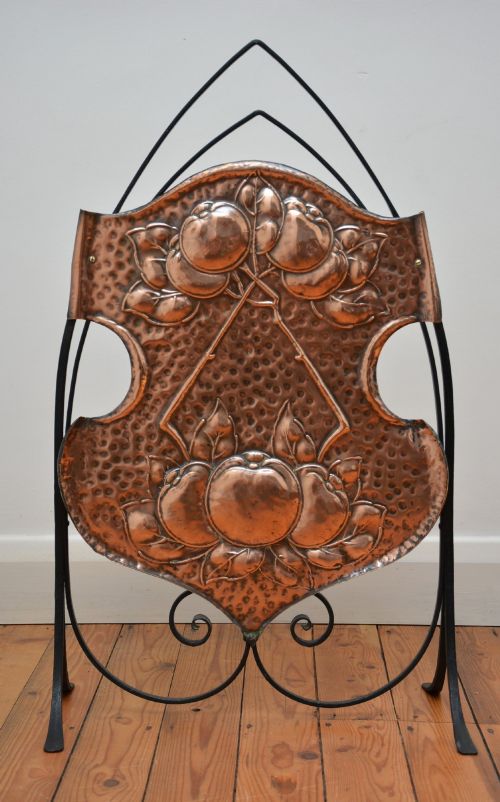
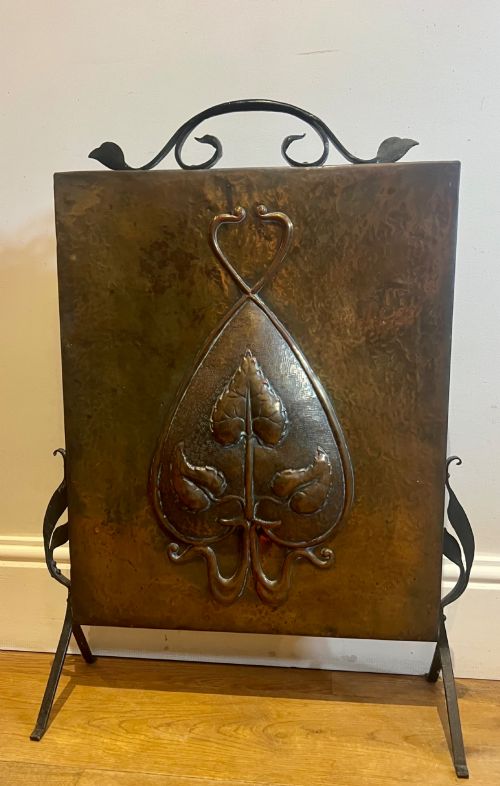
Makers utilised a combination of sturdy structural supports and decorative surfaces, employing wood, brass, wrought iron, and copper to build folding frames and protective stands. Leather, canvas, paper maché, and silk provided flexible or flat expanses suited to detailed surface decoration.
Surface ornamentation relied heavily on manual skill, incorporating hand painting, oil paint, lacquer work, gilt embossing, and hand-woven needlepoint or tapestry. Artisans applied these techniques directly to panels, shields, and screens to create pictorial scenes, floral motifs, and heraldic designs.
Antique Hand Screen Retail Price Guide 2026
Typical asking prices for hand screen among the pieces listed under this phrase on Sellingantiques today, from the lower quarter to the upper quarter. They describe what is for sale here now, not the wider market.
Victorian ladies used delicate face screens so their makeup would not slide off during polite conversation by the hearth.
Assessing quality in manual screens
Quality rests primarily on the execution of the hand-painted or carved decoration and the integrity of the structural joinery. Finer examples display confident brushwork, intricate detailing such as gilt embossing, and robust framing that supports multi-fold panels without sagging.
Material choice and preservation of the original surface further distinguish the range. Pieces retaining their original 18th or 19th century leather, lacquer, or textile work without heavy modern intervention command greater appreciation from collectors.
The Antique Hand Screen Glossary
- Fire screen
- A protective barrier placed in front of a fireplace to block excessive radiant heat when the fire was burning low. These often featured glazed, iron, or needlepoint panels.
- Face screen
- A small handheld screen designed to protect a lady's face and makeup from the intense heat of an open hearth. They frequently used materials like paper maché or painted card on slender handles.
- Cordoban leather
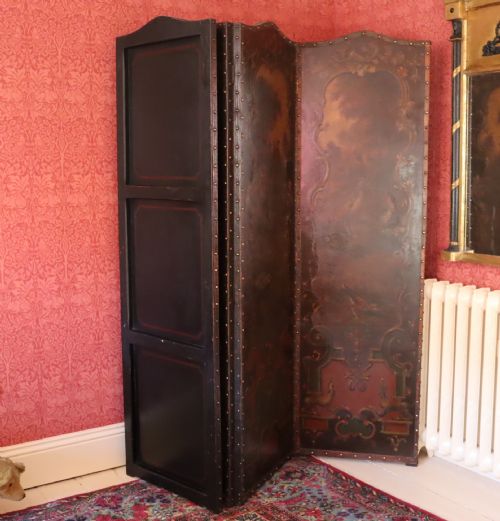
- Heavy, ornamental leather originating from Spain, typically hand-painted and gilt embossed with rich patterns. It was frequently utilised for luxurious folding room dividers.
- Needlepoint
- Hand-stitched textile work executed on a canvas mesh, commonly mounted into Victorian frames for decorative and pastoral effect. This technique allowed makers to introduce intricate coloured imagery.
- Lacquer
- A durable resin finish applied in multiple layers to wooden panels, often associated with Asian export pieces. Craftsmen carved or painted directly onto the hardened surface.
Antique Hand Screen: Frequently Asked Questions
What is the difference between a room divider and a fire screen?
A room divider is a tall, multi-fold screen built to partition a large space or create privacy within a room. These taller pieces typically feature leather, painted canvas, or lacquer panels.
In contrast, a fire screen is a smaller, single-panel guard designed specifically to sit before a hearth. They protect the room from stray embers and shield sitters from excessive radiant heat.
How do I care for a painted leather screen?
Painted leather requires careful humidity control to prevent the hide from drying out or cracking over time. Keep the panels away from direct sunlight and extreme temperature fluctuations.
Dust the surface gently with a soft, dry cloth rather than using liquid cleaning products. Leather balm should only be applied sparingly by a professional conservator if the material becomes exceptionally brittle.
Were face screens used for practical purposes?
Face screens served a very specific social and domestic function in homes with open coal or wood fires. Ladies used them to protect their complexions and heavy makeup from melting or flushing in the heat.
They were typically held in the hand or mounted on small stands near seating areas. Over time, their practical use diminished, leaving them as decorative tabletop items.
How can I date a folding screen?
Dating relies on examining the construction methods, hinge types, and the materials used for the panels and frame. Stylistic clues such as Victorian Gothic elements or Arts and Crafts ironwork provide clear chronological markers.
The backing materials, ageing of the oil paint, and the nature of the hand-painted motifs also help narrow down the decade of production.