
Antique Hand Carved Statue
An antique hand carved statue brings the character of wood and stone into a room through the work of traditional carvers.
Antique Hand Carved Statue
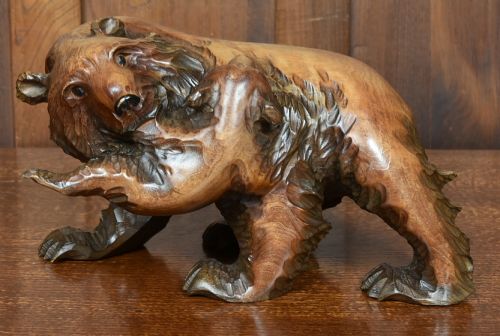
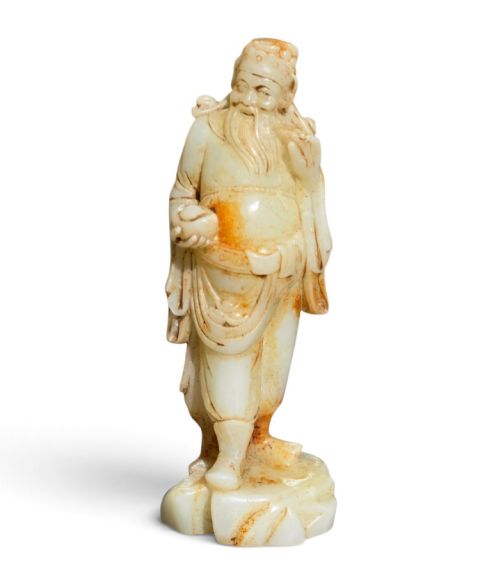
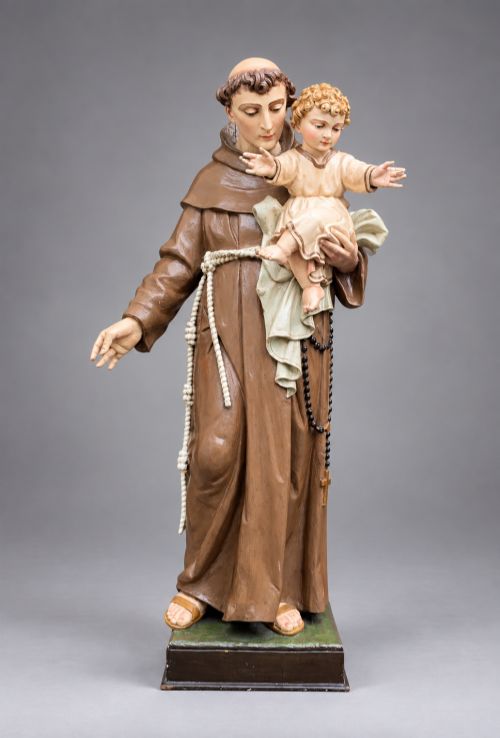
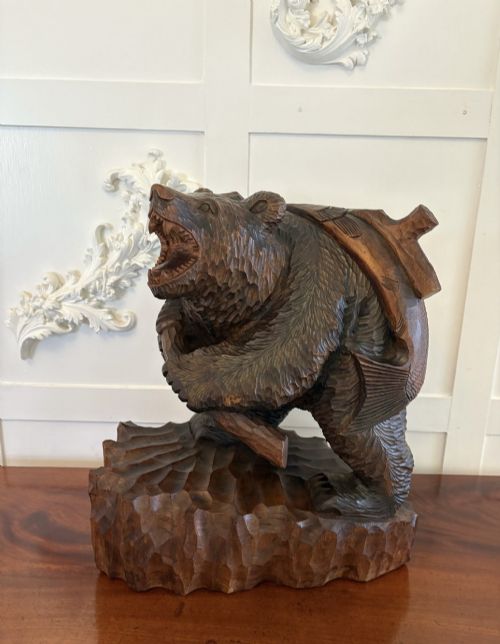
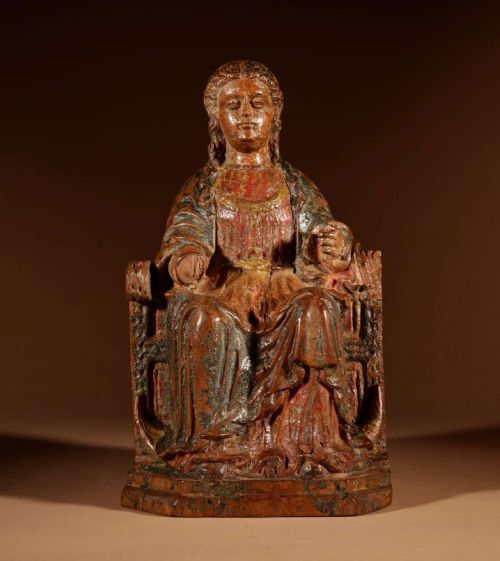
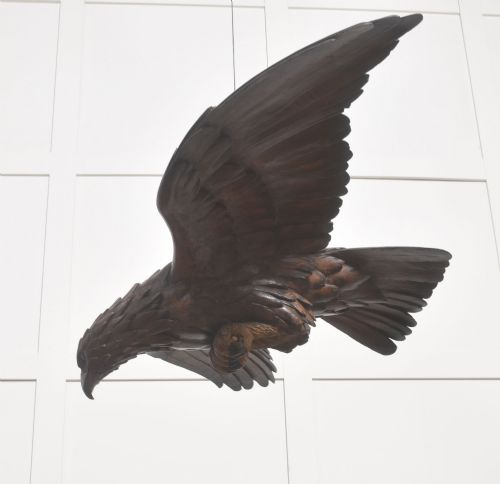
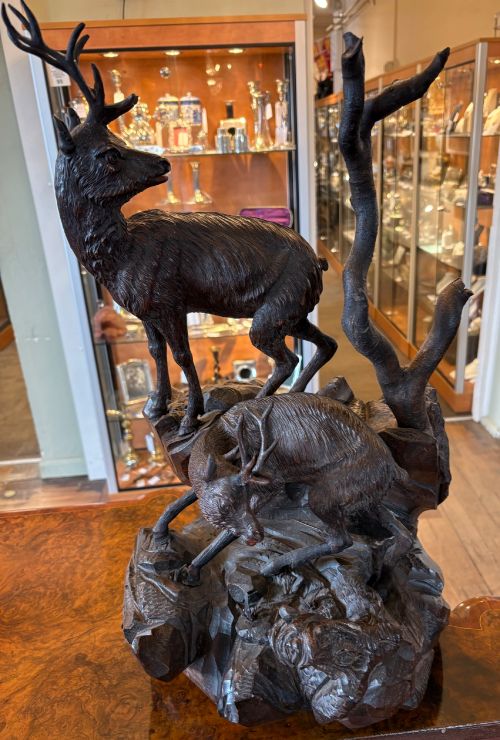
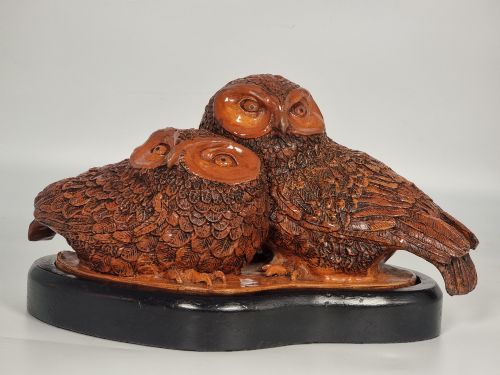
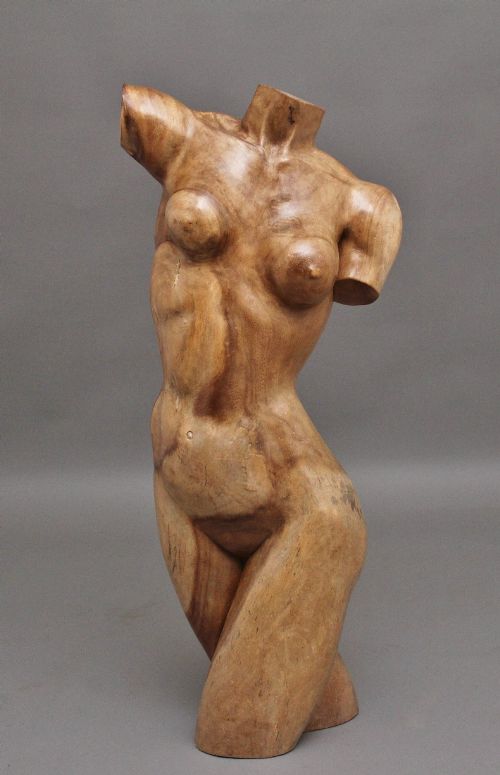
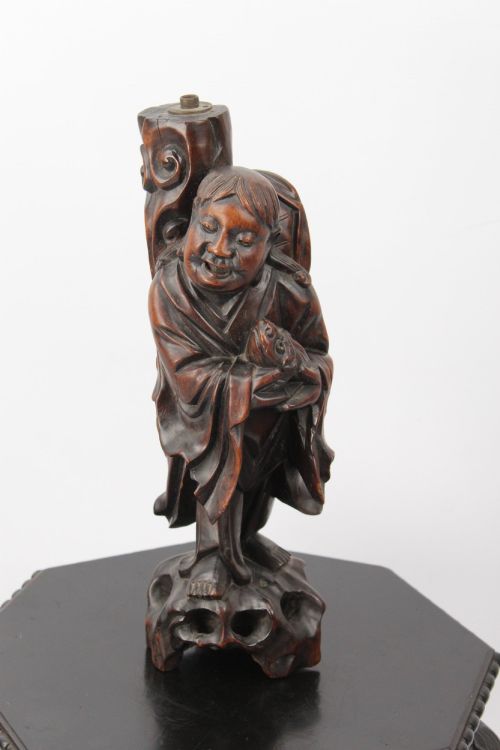
When you search for an antique hand carved statue, you encounter sculptures shaped by hand from various woods and stones across multiple centuries and global regions. The selection spans figures of saints, animals, soldiers, and deities created in styles from Black Forest to folk art and Qing dynasty traditions.
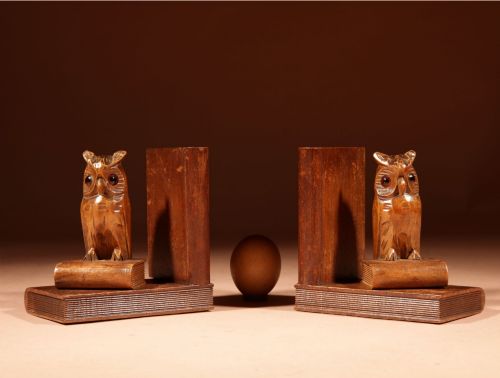
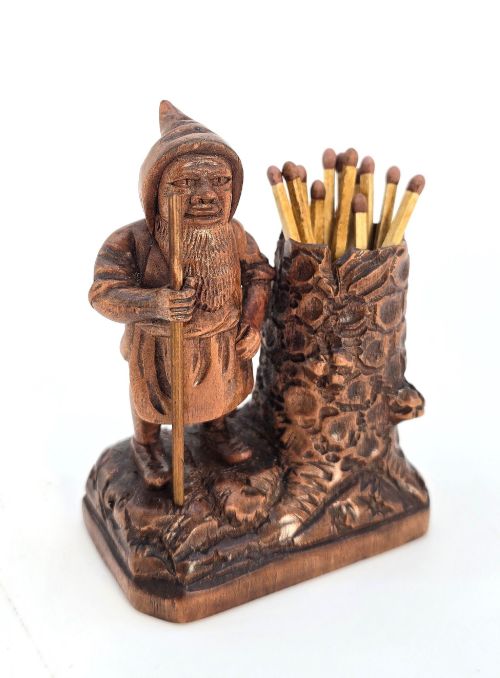
You are most likely to meet pieces originating from the nineteenth and early twentieth centuries, rendered in limewood, walnut, oak, and fruitwood. These objects take many forms, functioning as standalone sculptures, bookends, match holders, and trade figures.
How They Were Made
Carvers shaped these pieces using hard and soft woods such as limewood, walnut, oak, fruitwood, and hardwood, alongside occasional soapstone and alabaster. Artisans employed hand chisels and gouges to build depth and texture directly into the material.
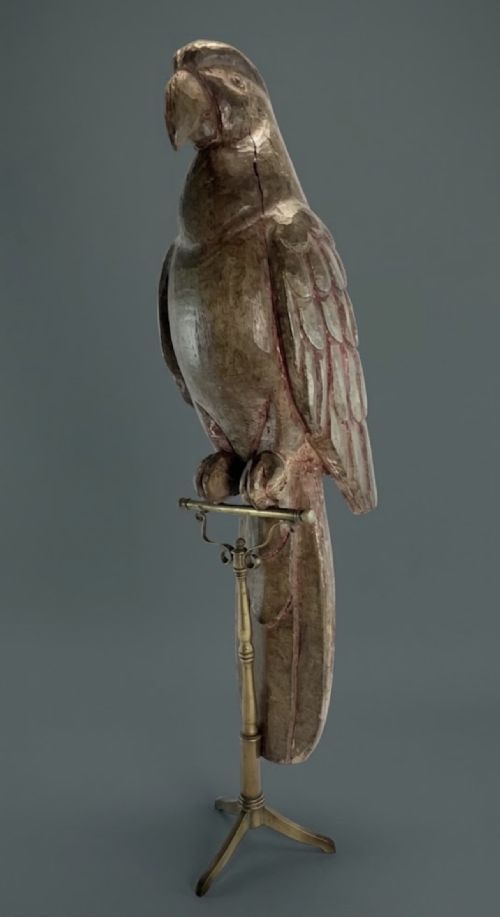
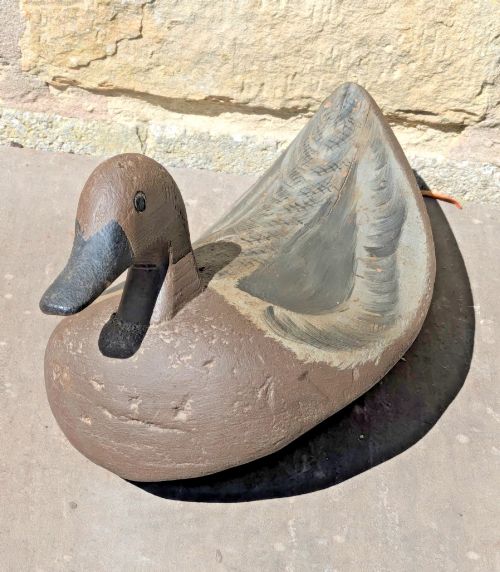
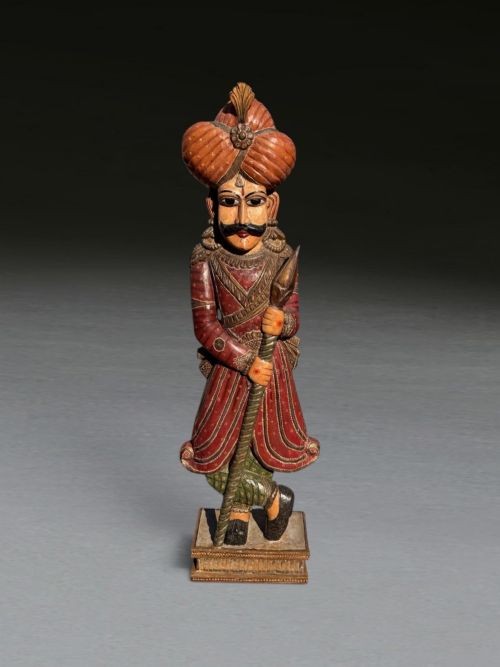
Many statues received surface treatments including hand painting, lacquer, and polychrome finishes to accentuate details on figures and animals. Certain items integrated brass stands or silver inlay to support the carved structure.
The inventory records regional styles including Black Forest, Qing dynasty, Anglo-Indian, Balinese, and European folk art.
What Varies in Quality
Quality rests upon the execution of anatomy, expression, and proportion by the carver, distinguishing confident anatomical rendering from rigid carving. Expressive detail in faces, drapery, and animal forms separates ambitious studio work from simpler output.
The choice of material and the preservation of original surface finishes, whether unsealed wood or layered paint and lacquer, dictate the integrity of the piece. Crispness in the remaining tool marks shows the direct hand of the maker without heavy modern intervention.
Bright And Sons
The Antique Hand Carved Statue Glossary
- Black Forest
- A style of wood carving originating from the Swiss and German mountain regions, famous for realistic depictions of bears, deer, and woodland animals.
- Folk Art
- Objects created by traditional artisans or untrained makers outside mainstream academic traditions, often displaying a naive or direct aesthetic.
- Limewood
- A fine-grained, pale wood favored by traditional carvers because it holds intricate detail without splintering across the grain.
- Match Holder
- A utilitarian desk or wall object featuring a striking surface alongside a carved figural element for domestic use.
Antique Hand Carved Statue: Frequently Asked Questions
What woods were used for these statues?
Carvers utilised a range of regional timbers, predominantly limewood, walnut, oak, fruitwood, and general hardwood. Softer woods like linden allowed for deep undercutting in animal and human figures.
Heavier woods provided stability for architectural or larger freestanding sculptures that needed to withstand handling without splitting.
How do I identify Black Forest carvings?
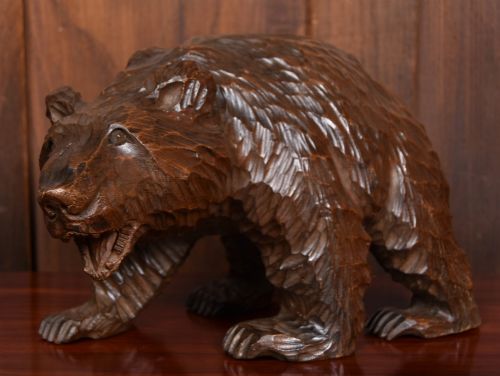
Black Forest pieces typically feature realistic representations of wildlife, especially bears, owls, and deer, carved from limewood or walnut. They often incorporate functional elements like bookends, tobacco holders, or stands.
The style emerged from European mountain regions during the nineteenth century and relies on textured fur rendering and deep brown tones.
Are all these statues painted?
Many figures retain their natural wood grain with wax finishes, while others show historic hand-painted or lacquered surfaces. Folk art pieces and Asian sculptures frequently display polychrome pigments or decorative lacquer.
Surface treatments vary entirely by regional tradition and the intended display context of the object.
How were these figures used originally?
Statues served devotional, decorative, and domestic functions within homes, shops, and places of worship. Some items acted as trade signs outside commercial premises or held matches and tobacco on desks.
Religious figures stood in domestic shrines or churches, while animal studies decorated nineteenth-century parlours.