

Antique Hammered Brass
These antique hammered brass pieces bring tactile warmth to an interior through worked metal surfaces shaped across Victorian and twentieth-century workshops.
Antique Hammered Brass
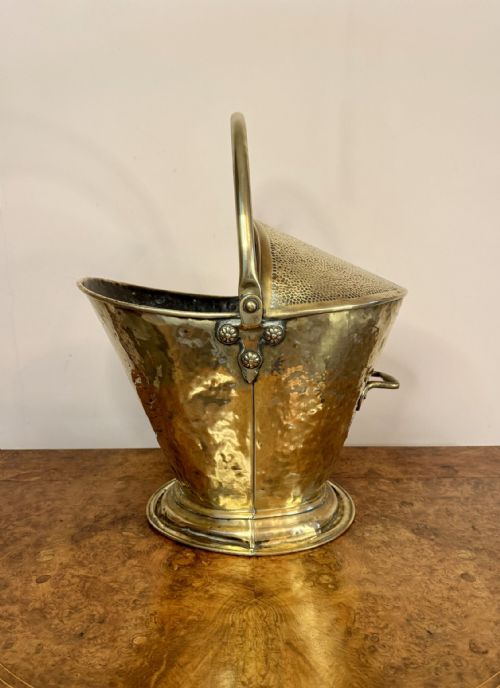
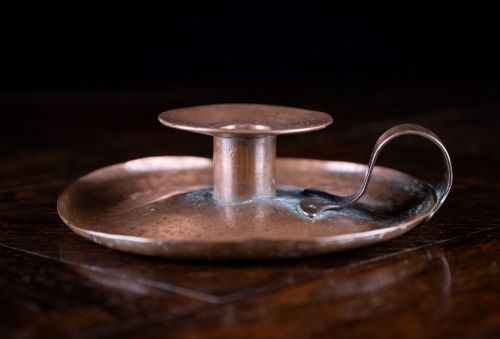
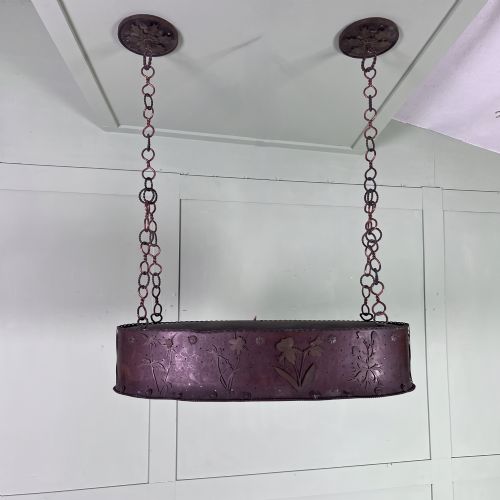
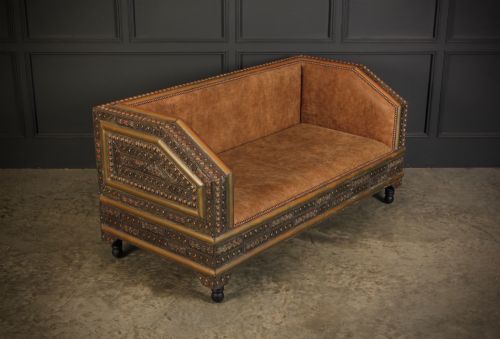
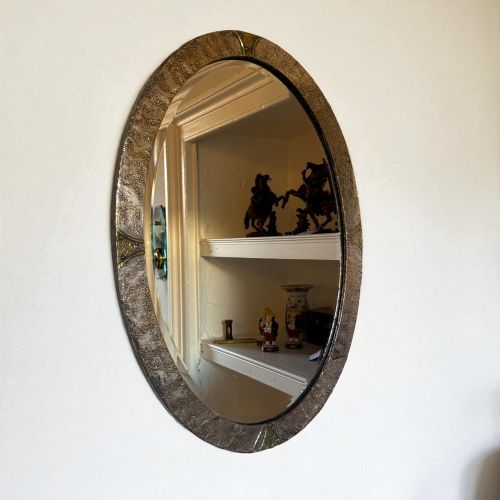
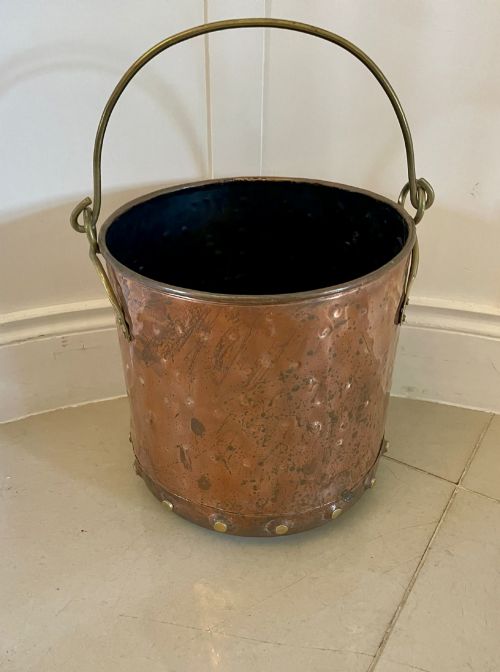
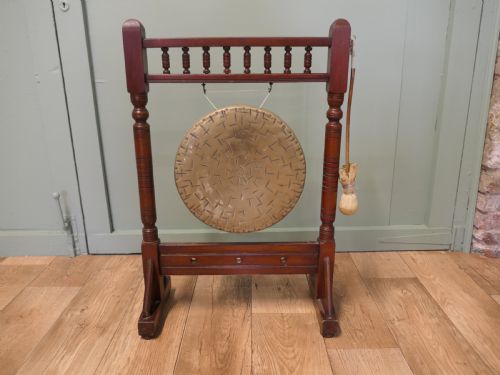
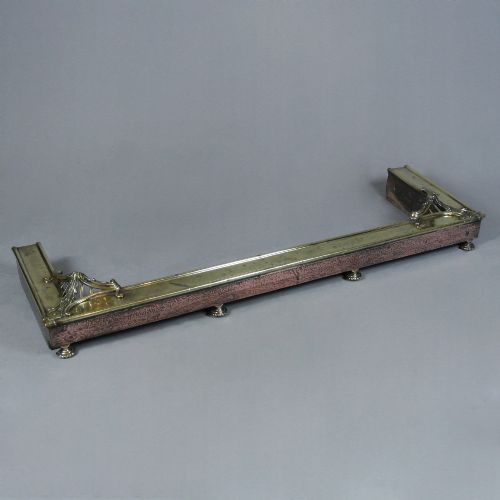
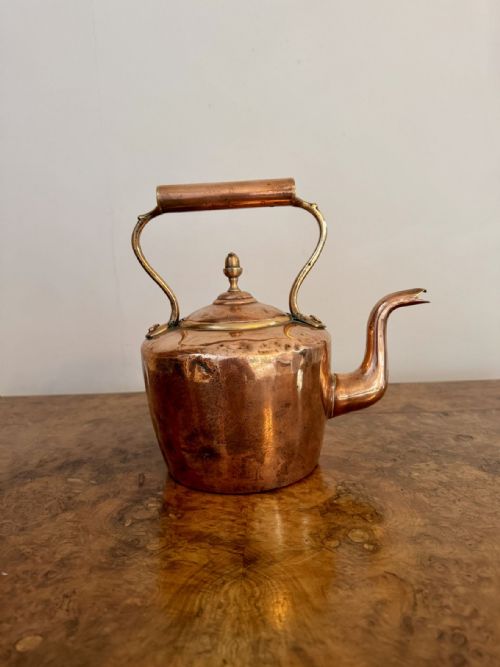
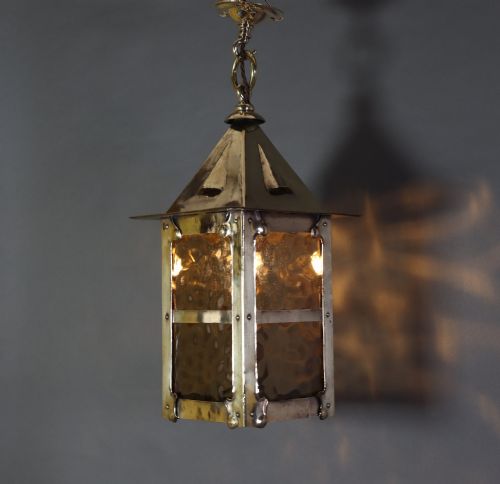
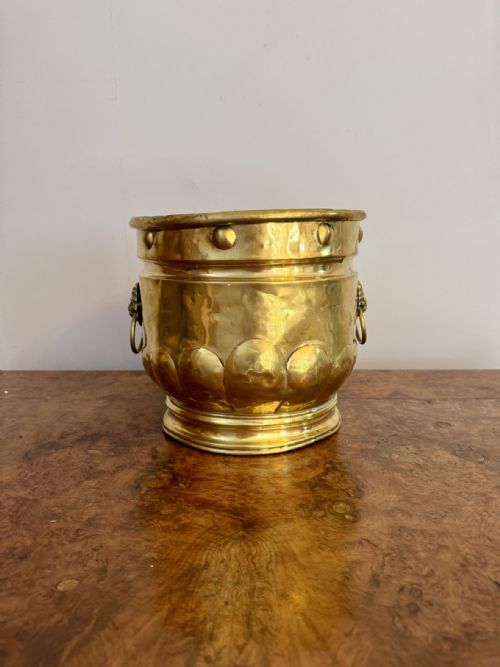
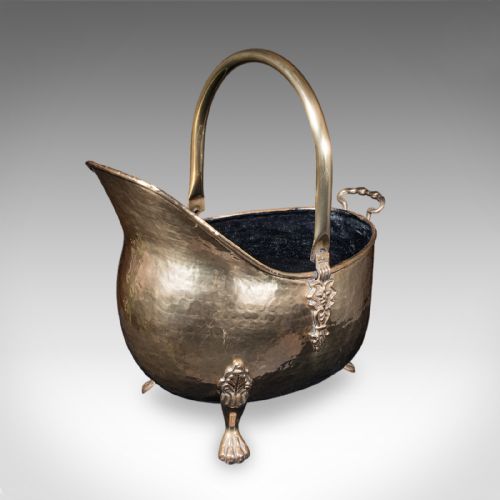
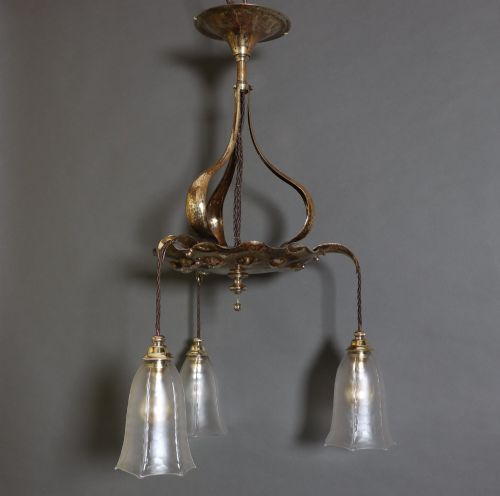
When you search for antique hammered brass, you encounter functional household metalwork ranging from Victorian fireside accessories to Arts and Crafts mirrors and lighting. These items encompass coal buckets, coal scuttles, jardinières, wall mirrors, kettles, and table gongs produced across the nineteenth and early twentieth centuries.
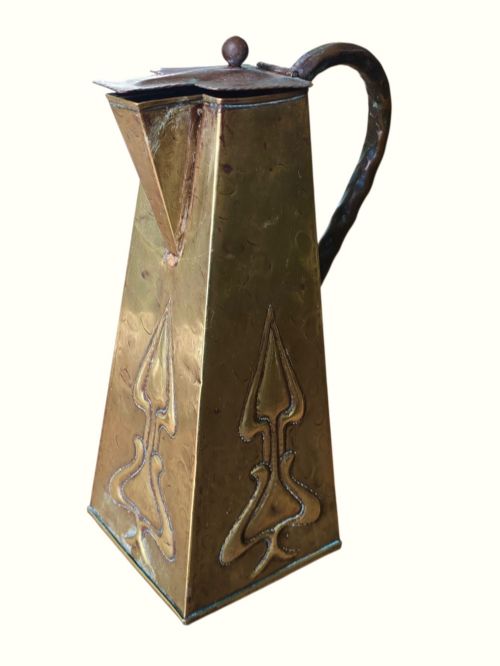
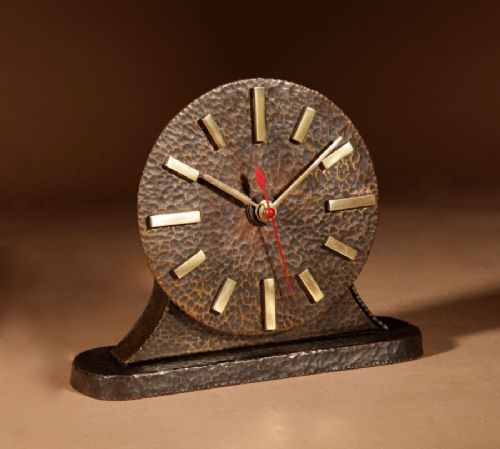
The most common versions on this page are fireside items and decorative vessels originating from the Victorian period and the Arts and Crafts movement. Alongside standard British domestic brassware, you find Dutch Amsterdam School pieces and objects incorporating copper, wrought iron, and enamel cabochons.
Domestic pieces span Georgian items through to 1930s designs, reflecting changing interior tastes from utilitarian hearth equipment to expressive decorative art. Their forms bridge utility and display, designed for everyday service beside coal fires or for mounting on walls as mirrors and gongs.
Materials and methods of production
Makers shaped sheet brass and copper by hand hammering, raising the metal over stakes and anvils to build resilient, textured surfaces. This manual beating left characteristic facets across the body of coal scuttles, jardinières, and planters.
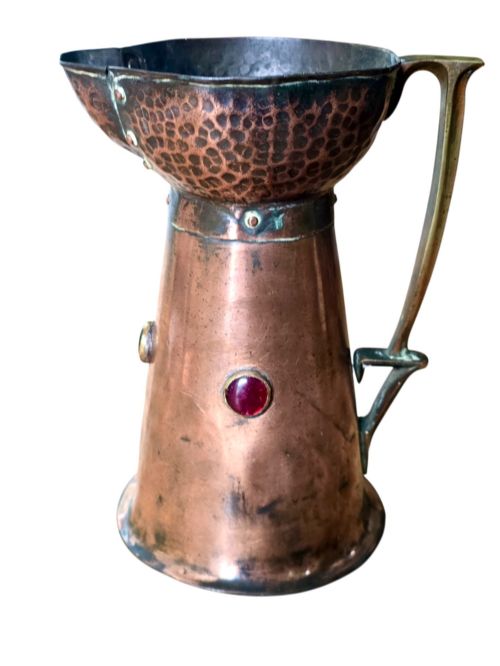
Many items combine brass with secondary materials such as copper, oak, wrought iron, and glass, secured with visible rivets or framing. Enamel cabochons and patinated finishes appear on specific Arts and Crafts and Amsterdam School pieces, adding colour contrast to the warm metal.
Antique Hammered Brass Retail Price Guide 2026
Typical asking prices for hammered brass among the pieces listed under this phrase on Sellingantiques today, from the lower quarter to the upper quarter. They describe what is for sale here now, not the wider market.
The listings span the Georgian era through to the 1930s, incorporating Victorian and Edwardian periods alongside Amsterdam School designs.
Factors that separate examples
Quality rests in the precision of the hand-beating and the weight of the metal sheet utilised by the maker. Heavier gauge brass and copper maintain their structural integrity better over decades of hearthside service.
Design integration separates standard production from superior pieces, particularly where hinges, handles, and decorative elements like enamel cabochons are harmoniously joined. Stronger examples show deliberate attention to proportion and patination rather than purely mechanical assembly.
The Antique Hammered Brass Glossary
- Jardiniere
- An ornamental pot or stand for holding plants or flowers. These vessels often combine hammered brass and copper bodies.
- Pricket candlestick
- A candleholder featuring a central spike that pushes into the base of the wax candle. Examples appear frequently in Amsterdam School designs.
- Repousse
- A metalworking technique where the metal is hammered from the reverse side to form a raised design in relief. This method decorates chargers and vessels.
- Coal scuttle
- A bucket or container designed for holding household coal beside a fireplace. Many Victorian versions include matching shovels and hinged lids.
- Amsterdam School
- An architectural and design style originating in the Netherlands during the early twentieth century. It produced expressive hammered metalwork with strong geometric and patinated qualities.
Antique Hammered Brass: Frequently Asked Questions
How do I clean antique brass?
Dust the surface regularly with a soft cloth to prevent grime accumulation in the hammered facets. Avoid harsh chemical polishes that strip away historic patination.
For stubborn dirt, use mild soapy water on a damp cloth and dry thoroughly immediately after cleaning. Preserve the aged surface rather than striving for a bright, mirror-like shine.
What is an Amsterdam School brass piece?
Amsterdam School metalwork stems from a Dutch design movement spanning the early twentieth century. These objects feature distinctive patinated finishes, heavy construction, and sculptural forms.
You frequently encounter pricket candlesticks and clocks reflecting this architectural aesthetic on the market. Their manufacture prioritises tactile surface textures and robust proportions.
How were coal scuttles used?
Coal scuttles served as durable containers for storing coal near open hearths in nineteenth-century homes. Their hinged lids and sturdy handles allowed householders to transport fuel cleanly to the fire.
Many included fitted interior liners or paired with matching brass shovels for daily hearth maintenance. Today, they function primarily as decorative fireside storage bins or umbrella stands.
What defines Arts and Crafts brassware?
Arts and Crafts metalwork highlights visible handcraftsmanship, simple structural forms, and honest materials. Makers employed hand-beating techniques and incorporated elements like enamel cabochons or wrought iron details.
Objects from this movement include wall mirrors, letter racks, and lighting fixtures designed to reject mass-produced factory ornamentation. The resulting pieces showcase the direct touch of the artisan on the metal.