
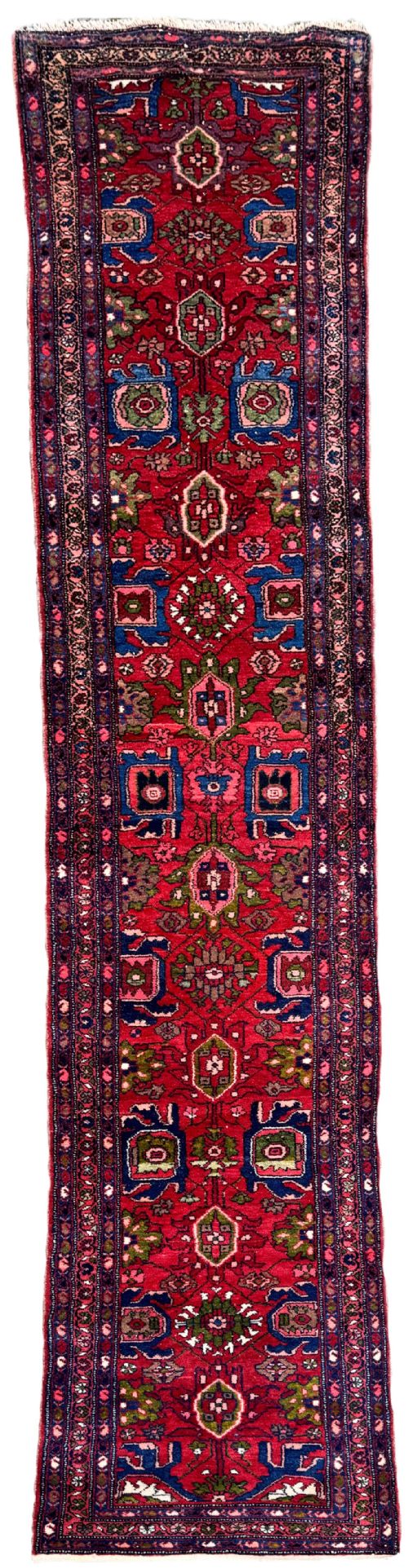
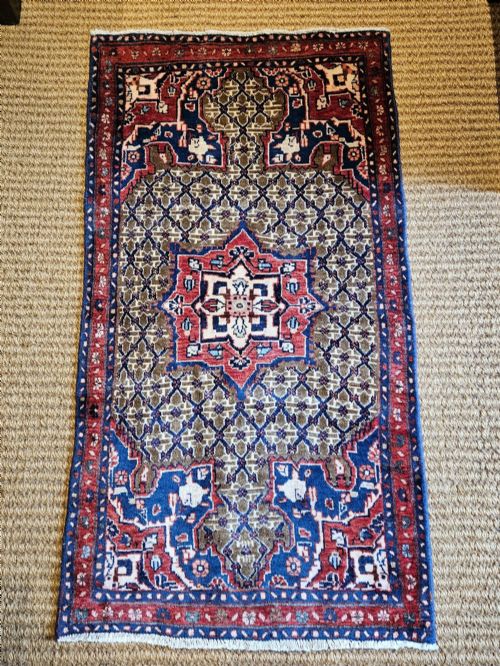
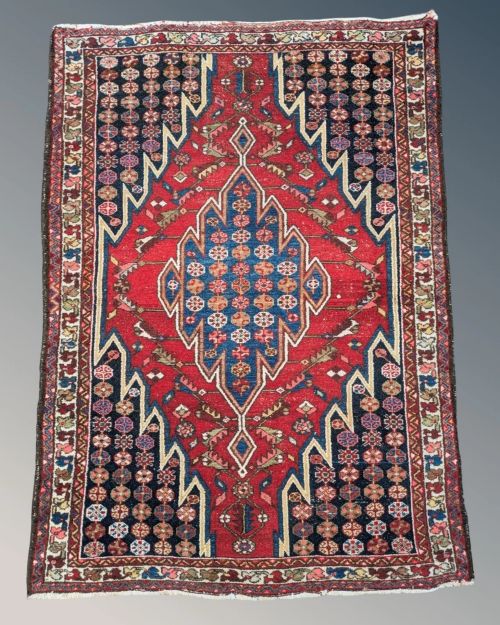
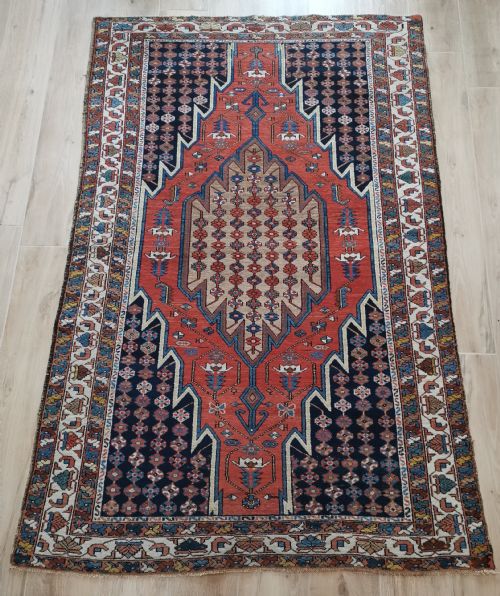


Antique Hamadan Runner
An antique hamadan runner brings authentic Persian village character and hard-wearing practicality to long hallways and narrow spaces.
Antique Hamadan Runner
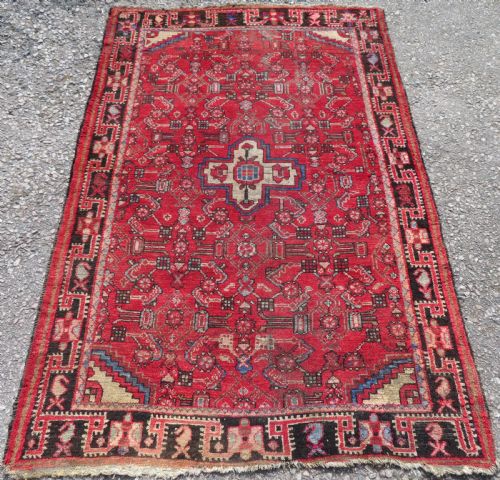
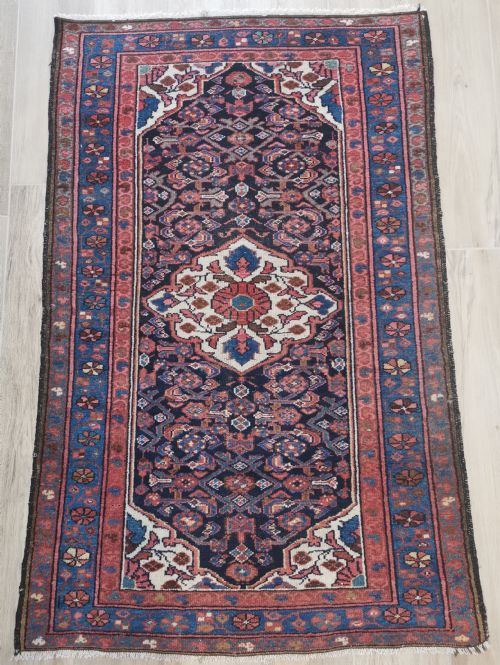
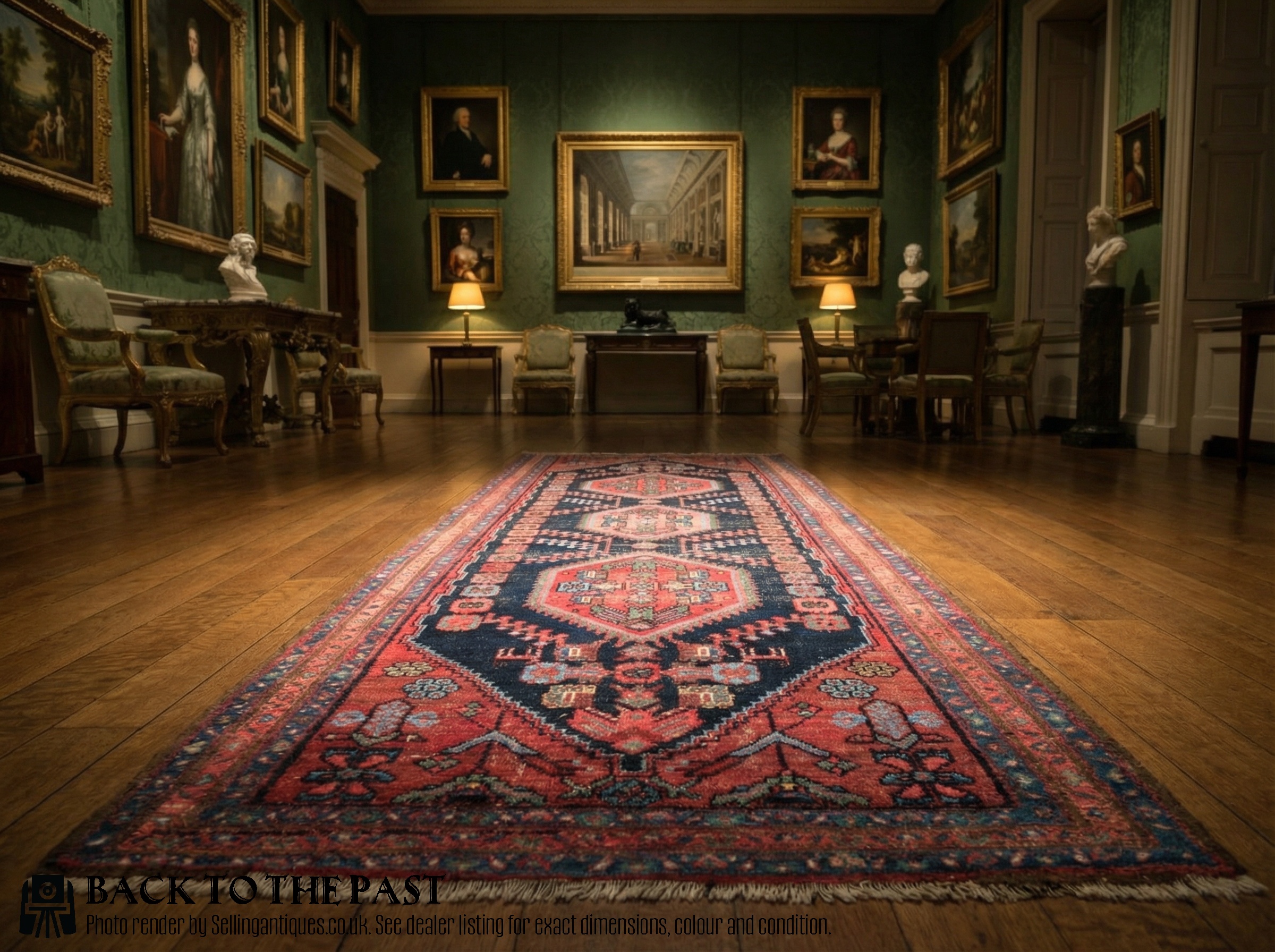
An antique hamadan runner is a woven floor covering originating from the West Persian region and surrounding villages, designed specifically for corridors and extended rooms. These pieces display traditional Persian and tribal patterns created by regional weavers working in village workshops.
The pieces found here include long hallway formats, narrow formats, and related village rugs from the broader Hamadan region including Borodjert and Kurdish areas. They bridge the gap between decorative household items and durable utility.
Buyers encounter formats varying from compact lengths to grand runners exceeding four metres, spanning the late nineteenth century through to the early decades of the twentieth century. This variety reflects the diverse output of domestic looms across the region.
How they were made
These textiles rely on a foundation of cotton for structural stability combined with a durable wool pile for everyday wear. Weavers knotted the wool by hand onto the cotton warp and weft threads to create a dense, resilient surface.
Village production utilised locally sourced materials, producing thick piles designed to withstand heavy domestic traffic in country houses and town residences alike.
The listings span periods from the 1880s to the 1930s, utilising wool and cotton materials across Persian tribal and village styles.
What varies in quality
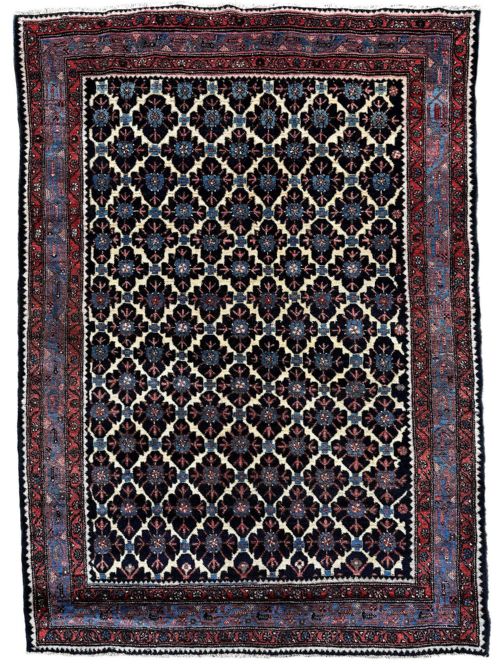
Quality in these runners is governed by the tightness of the weave and the precision of the village motifs, which range from simple geometric layouts to intricate floral lattices. Finer examples show greater control in the execution of traditional patterns like the Herati or Mina Khani designs.
The condition of the wool pile and the integrity of the cotton foundation dictate the longevity of each piece. Surviving examples retain varying degrees of pile depth and edge binding stability depending on their original placement in the home.
The Antique Hamadan Runner Glossary
- Hamadan
- A major trading hub and surrounding rug-producing region in West Persia encompassing numerous weaving villages.
- Runner
- A long, narrow carpet format traditionally utilised in hallways, corridors, and alongside larger room layouts.
- Herati
- A traditional all-over repeating pattern composed of a floral motif framed by curved lancet leaves.
- Mina Khani
- A symmetrical repeating botanical layout featuring interconnected rosettes and flowers.
- Boteh
- A stylised almond or paisley-shaped motif of Persian origin representing a floral sprout or cypress tree.
Antique Hamadan Runner: Frequently Asked Questions
Where should I place a runner?
These long formats suit hallways, corridors, and narrow passageways where traditional square carpets do not fit. Their durable construction handles regular walking traffic.
They also work well alongside kitchen islands or in narrow gallery spaces to add warmth to wooden floors.
How do I care for wool pile?
Regular gentle vacuuming without a beater bar removes surface dirt and prevents grit from settling into the foundation. Professional cleaning suits older textiles when deep maintenance is required.
Keeping the piece out of direct sunlight protects the wool from fading over time.
How can I tell the age?
Dating relies on stylistic markers, construction methods, and material characteristics recorded across late nineteenth and early twentieth century examples. Structural differences in the wool and cotton foundation provide further context.
Archival comparisons with dated pieces help narrow down the production era.
Are these pieces durable?
The combination of a thick wool pile and a cotton foundation makes these runners resilient for everyday household use. Village weavers constructed them to withstand decades of heavy foot traffic.
Proper underlay provides extra cushioning and reduces friction against hard flooring.