

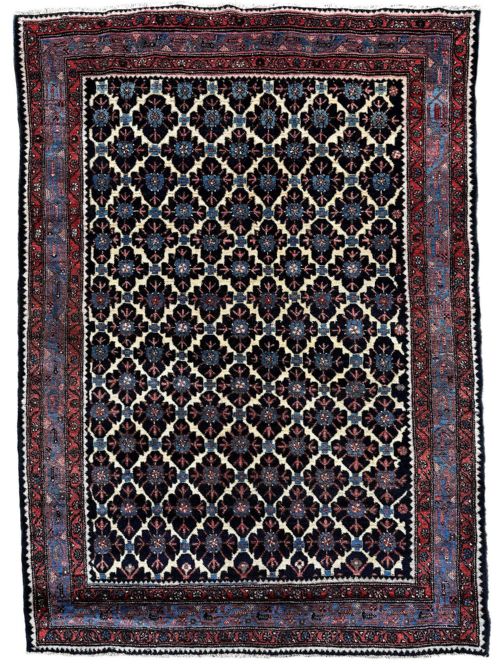


Antique Hamadan Floor Rug
An antique hamadan floor rug brings enduring West Persian tribal character and robust village craftsmanship directly to your living space.
Antique Hamadan Floor Rug
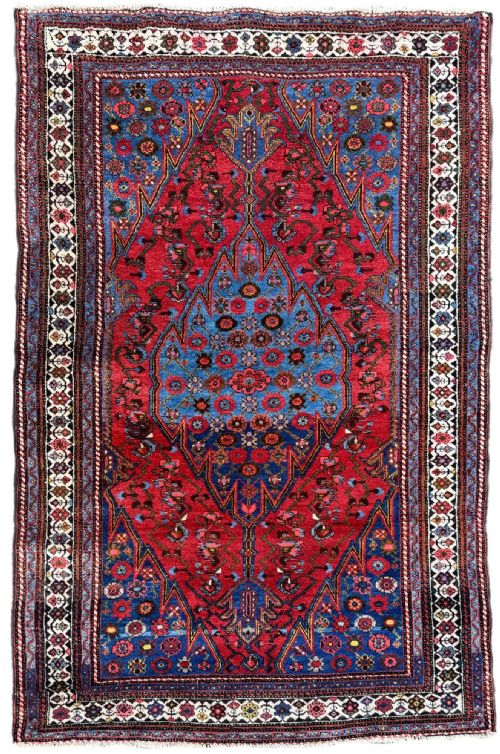
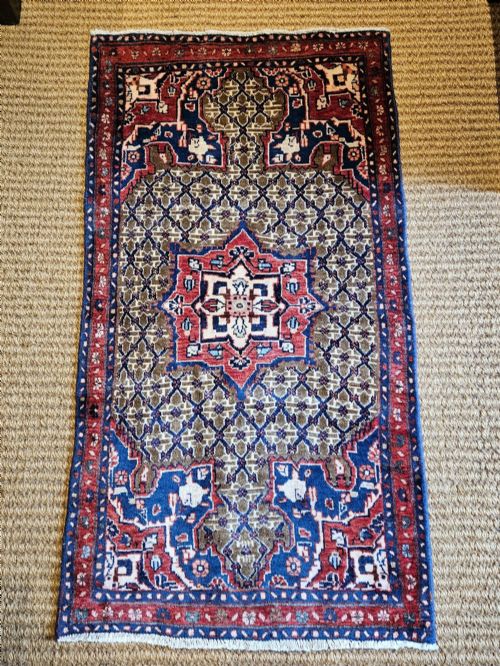
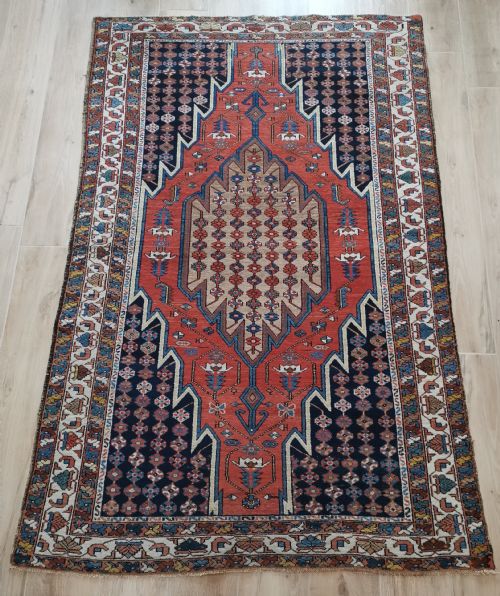
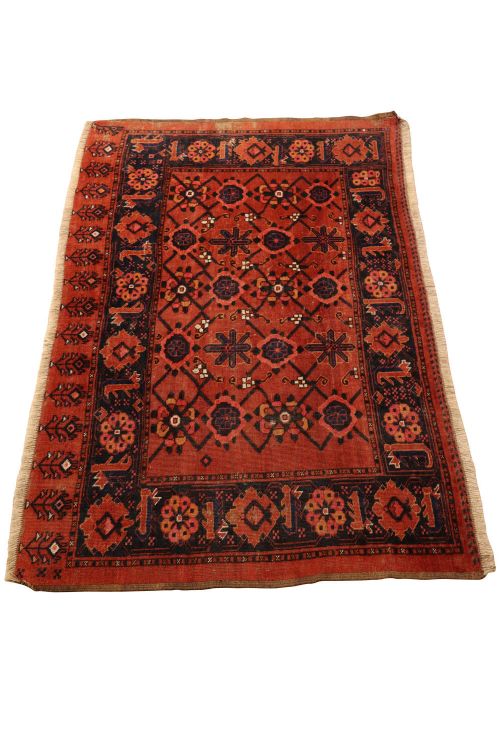
When you search for an antique hamadan floor rug, you are looking at hand-knotted wool textiles originating from the vast weaving region of western Persia. These pieces include hearth-sized rugs, narrow runners, and room-sized carpets produced across various village and tribal communities.
The version you are most likely to meet on this page dates from the late nineteenth century through to the mid-twentieth century, predominantly spanning the decades between 1890 and 1940. They display traditional Persian motifs, geometric patterns, and floral lattices associated with villages such as Borodjert and Mazlaghan.
These floor coverings served practical functions in Persian homes, designed to withstand daily wear while providing warmth and decoration. Their enduring appeal lies in the straightforward village aesthetic that contrasts with formal city carpets.
Factors that distinguish quality
Knot density and the precision of the village design separate the finer examples from simpler utilitarian pieces. Higher quality is apparent in the fineness of the wool, the complexity of the lattice or medallion layout, and the harmonious balance of natural dye colours.
The condition of the pile and the integrity of the original selvedges and ends influence the overall caliber of a rug. Examples retaining their full dimensions and even wear reflect superior initial materials and careful stewardship over the decades.
Antique Hamadan Floor Rug Retail Price Guide 2026
Typical asking prices for hamadan floor rug among the pieces listed under this phrase on Sellingantiques today, from the lower quarter to the upper quarter. They describe what is for sale here now, not the wider market.
The Antique Hamadan Floor Rug Glossary
- Hamadan
- A vast market town and collection centre in west Persia where rugs woven by surrounding villages are gathered for trade. These rugs share robust wool qualities and varied geometric or floral designs.
- Mazlaghan
- A village within the Hamadan region known for producing distinctive rugs featuring bold central medallions and contrasting red and blue ground colours. They represent a specific sub-category of West Persian weaving.
- Borodjert
- A specific village in the Hamadan region recognised for distinct tribal and village rugs often displaying structured floral lattice patterns. Pieces from this locale carry specific regional design characteristics.
- Warp
- The vertical foundation threads that run the entire length of the rug from fringe to fringe. The pile knots are tied around these stationary cotton or wool threads.
- Weft
- The horizontal threads passed back and forth between the warp rows to secure the knots in place. They contribute to the structural firmness of the carpet.
Antique Hamadan Floor Rug: Frequently Asked Questions
How do I clean an antique rug?
Gentle surface brushing and regular vacuuming without a beater bar help remove everyday dust and grit from the wool pile. Professional specialist cleaning remains necessary for deeper washing to protect the natural dyes and historical fibres.
Water saturation and harsh chemical detergents must be avoided to prevent dye bleeding and shrinkage. Proper drying ensures the cotton foundation remains stable and free from mildew.
Where should I place my rug?
These robust textiles suit living rooms, studies, and hallways where moderate foot traffic allows the wool pile to settle naturally. Using a quality underlay prevents slipping and cushions the weave against hard floorboards.
Direct, prolonged sunlight can fade natural dye colours over time, so positioning away from intense southern windows preserves the palette. Rotating the rug periodically ensures even exposure and balanced wear across the surface.
How do I identify a village rug?
Village rugs display spontaneous geometric layouts, tribal symbols, and repeating motifs rather than the precise symmetry of urban workshop carpets. Slight irregularities in the borders and lines reflect the individual hand of the weaver working from memory.
The use of sturdy hand-spun wool and visible structural foundations further points to traditional cottage industry production. Regional traits often link specific colour combinations and medallion styles to distinct areas within West Persia.
What is a runner?
A runner is a long, narrow format rug designed specifically for corridors, staircases, and hallways. These pieces guide movement through a home while providing warmth and acoustic dampening on hard floors.
Their elongated proportions require specific weaving techniques to maintain straight edges and uniform width along the entire span. Historical examples were often woven to fit the precise architectural dimensions of traditional hallways.