





Antique Hallway Chest
These antique hallway chest examples combine practical storage with centuries of craftsmanship, offering compact proportions well-suited to narrow spaces.
Antique Hallway Chest
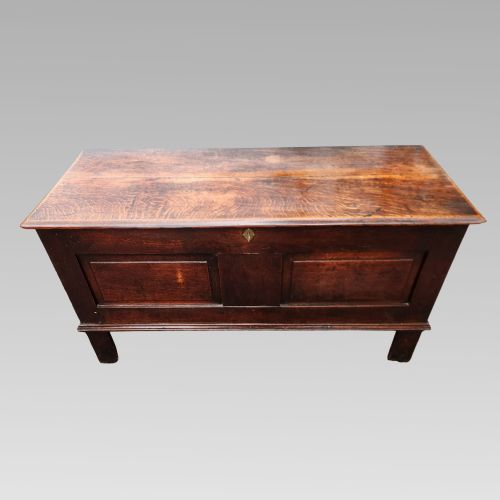
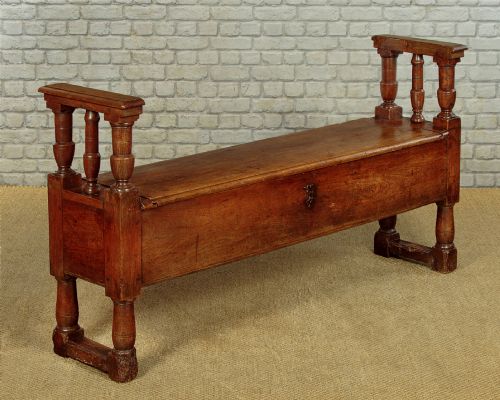
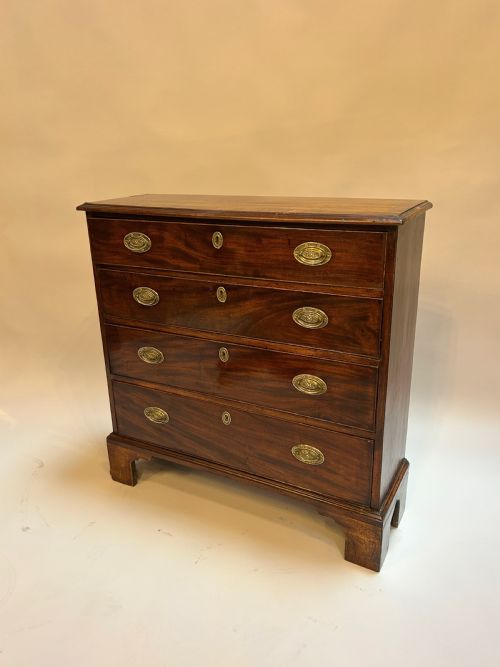
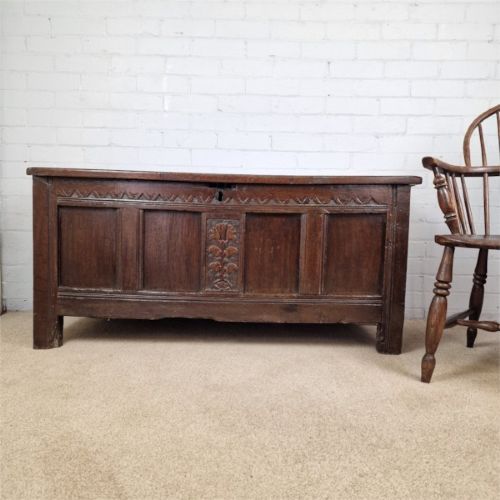
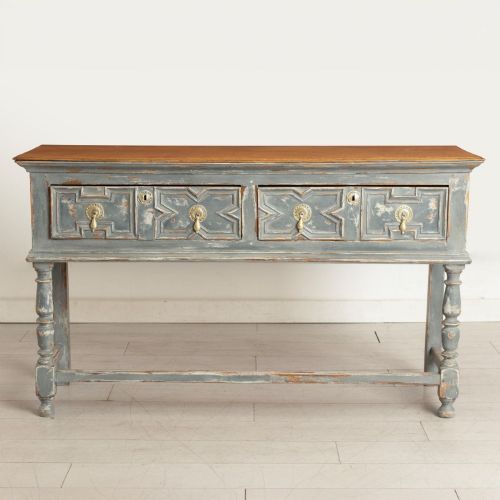
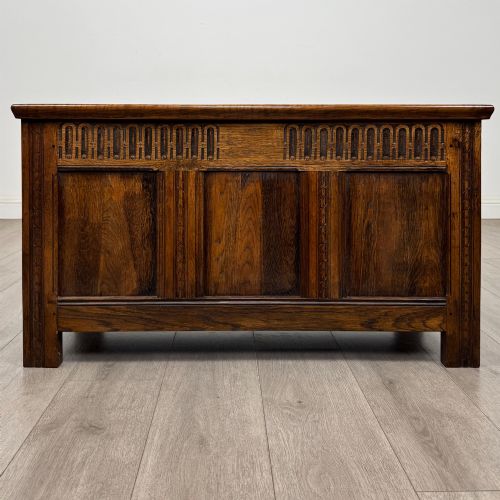
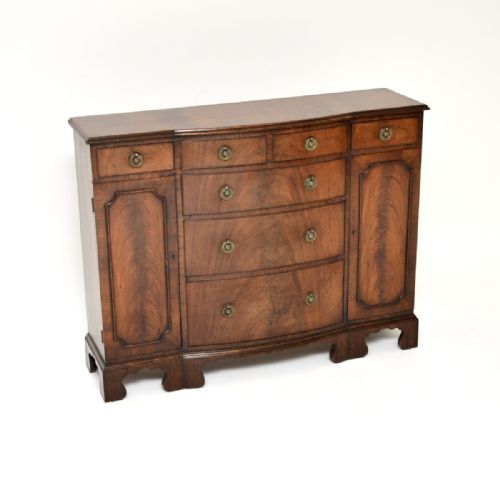
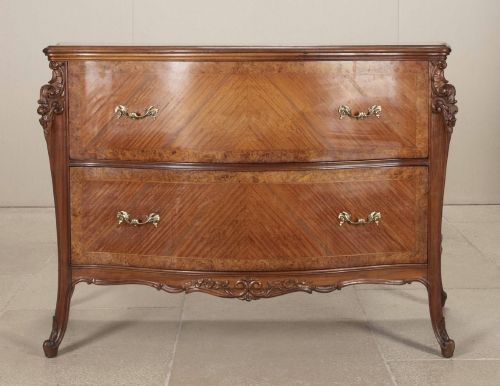
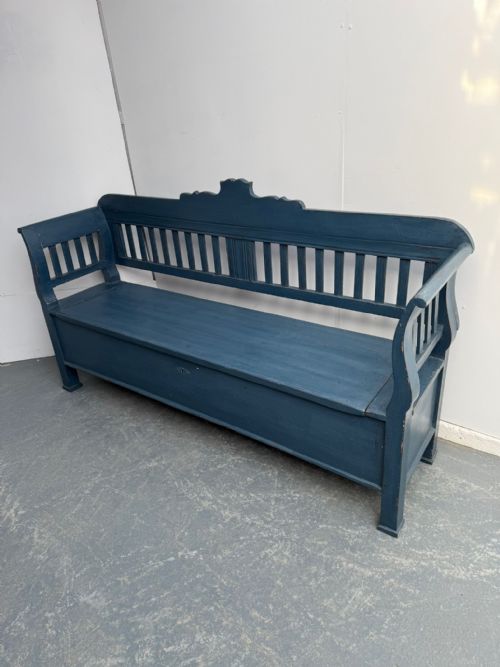
When you search for an antique hallway chest, you encounter a varied selection of narrow storage furniture, blanket boxes, coffers, commodes, and settle benches designed for entryways. The examples appearing here span from the seventeenth century through the Edwardian period, encompassing styles like Jacobean, Georgian, and Victorian.
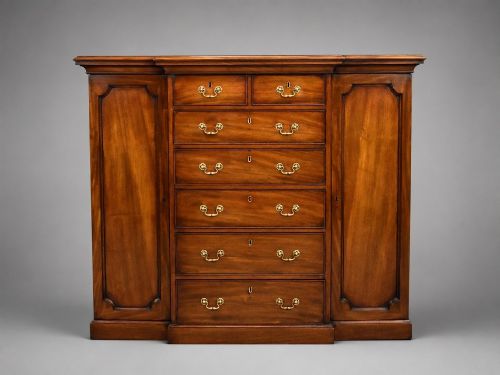
You are most likely to meet oak coffers, blanket chests, and compact mahogany chests of drawers or sideboards. These pieces serve to organise entrance halls while providing surface space and enclosed storage for household items.
Materials and construction
The pieces listed rely heavily on solid English oak, mahogany, and pine, frequently enhanced with brass hardware, iron fittings, or painted finishes. Cabinetmakers utilised joinery techniques appropriate to each era, from early joined frames to later veneering methods.
Antique Hallway Chest Retail Price Guide 2026
Typical asking prices for hallway chest among the pieces listed under this phrase on Sellingantiques today, from the lower quarter to the upper quarter. They describe what is for sale here now, not the wider market.
Listings span from the 17th century through the Edwardian period, featuring oak, mahogany, pine, and burr walnut.
Factors determining quality
The standard of a piece depends largely on the crispness of its hand-carving and the integrity of its timber. Superior examples retain their original patination, hardware, and structural stability without excessive replacement parts.
Proportion and scale distinguish finer iterations, particularly where cabinetmakers adapted standard forms to fit narrow spaces like hallways. The depth of colour in the wood and the subtlety of decorative mouldings further separate ordinary items from exceptional ones.
The Antique Hallway Chest Glossary
- Cofer
- A large wooden chest traditionally used for storing valuables or textiles. Early versions feature joined oak construction and heavy lids.
- Mule chest
- A storage chest featuring one or two drawers built into the base beneath the main compartment. These pieces bridge the gap between simple coffers and full drawer chests.
- Settle bench
- A wooden bench with a high back and enclosed storage beneath the seat. They were historically placed in hallways or living areas to block drafts.
- Commode
- A low decorative chest of drawers or cabinet originating in France. They often utilise finer veneers like satinwood and burr walnut.
Antique Hallway Chest: Frequently Asked Questions
Where should I place a hallway chest?
These pieces suit narrow entryways, corridors, and landings where floor space is limited. Their shallow depths allow for convenient placement against walls without obstructing movement.
They provide a practical surface for post and keys while offering hidden storage beneath or within for shoes, scarves, and household items.
How do I care for antique oak furniture?
Maintain the timber by keeping pieces away from direct heat sources and sudden temperature fluctuations. This prevents the wood from drying out and splitting over time.
Apply a traditional beeswax polish occasionally to nourish the grain and preserve the historic patination without building up heavy chemical layers.
What is the difference between a coffer and a mule chest?
A coffer consists of a simple box with a lid opening from the top, designed primarily for bulk storage. They represent some of the earliest domestic furniture forms.
A mule chest incorporates one or more drawers beneath the main storage well, allowing access to items without needing to lift the top lid.
How can I date an oak blanket box?
Examine the construction methods, such as hand-cut dovetails, pegged joints, and tool marks left by the maker. Early pieces from the seventeenth century often show joined frame-and-panel construction.
Stylistic indicators like carved panels, linenfold motifs, and specific regional hardware help narrow down whether a piece belongs to the Jacobean, Georgian, or Victorian eras.