

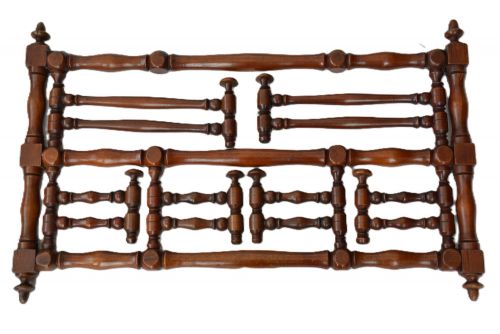


Antique Hall Tree Hooks
Antique hall tree hooks secure hats and coats in an entryway, combining sturdy metalwork with carved timber to welcome visitors into a traditional home.
Antique Hall Tree Hooks
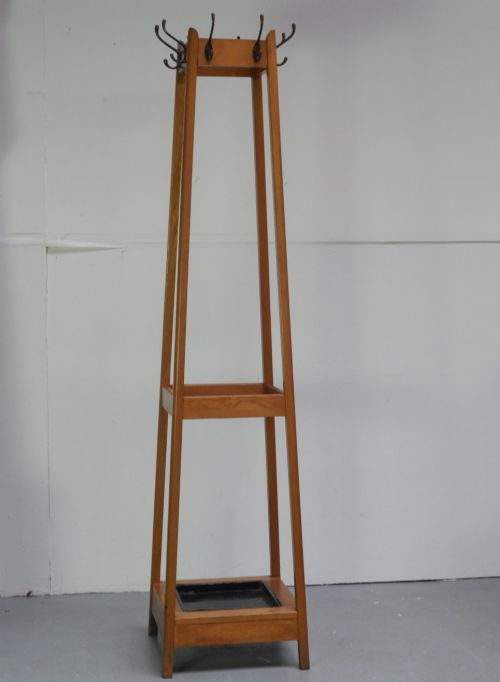
When you search for antique hall tree hooks, you encounter practical hallway hardware and substantial furniture designed to manage outdoor garments. These pieces emerge from the nineteenth century through the early twentieth century, spanning Victorian, Edwardian, and Arts and Crafts aesthetics.
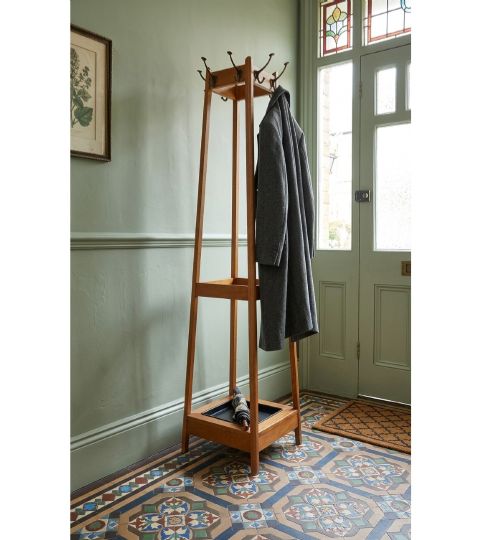
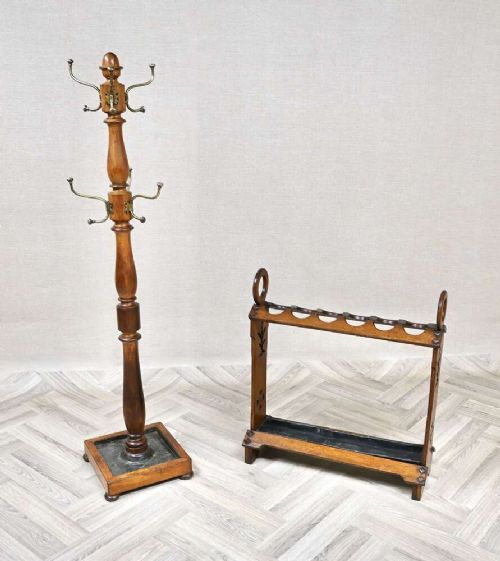
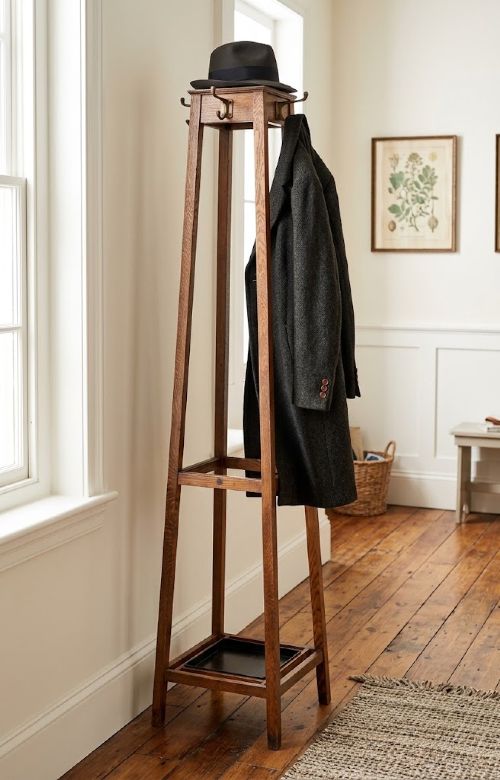
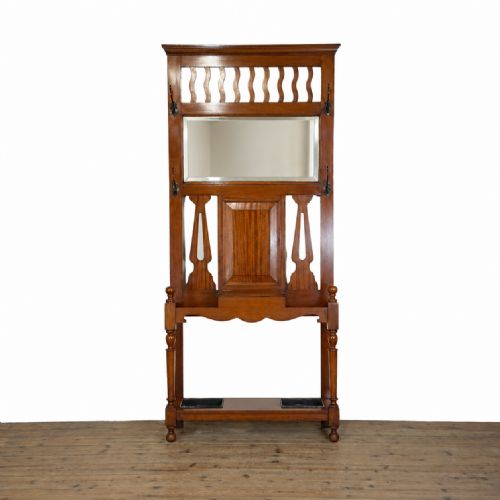
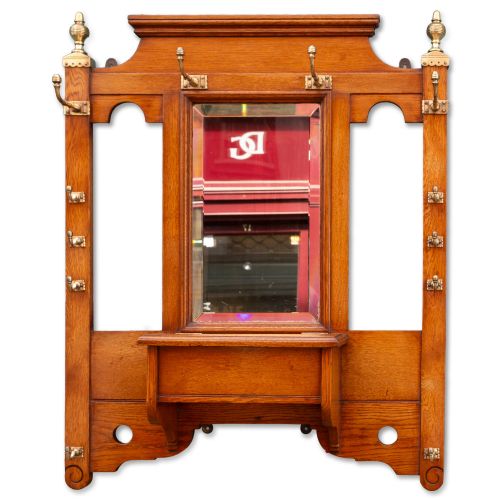
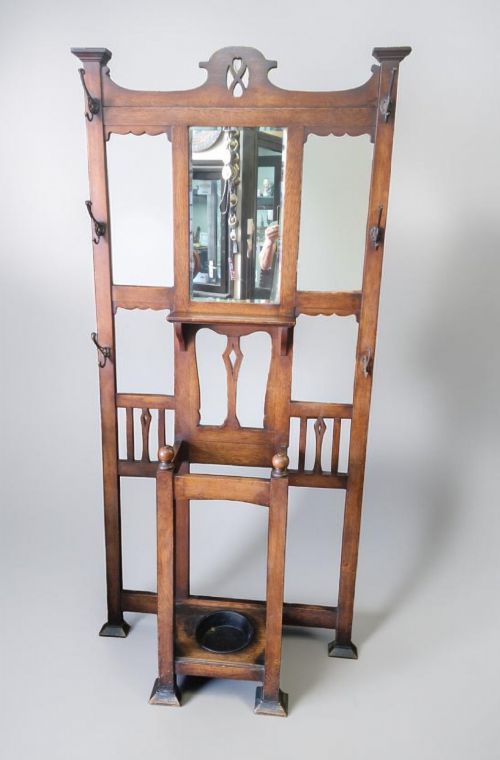
The items range from single wall-mounted brass hooks to large hall stands incorporating mirrors, umbrella holders, and carved wooden panels. Oak and mahogany dominate the timber choices, while brass and iron form the functional prongs that bear the weight of heavy wool coats.
Materials and construction methods
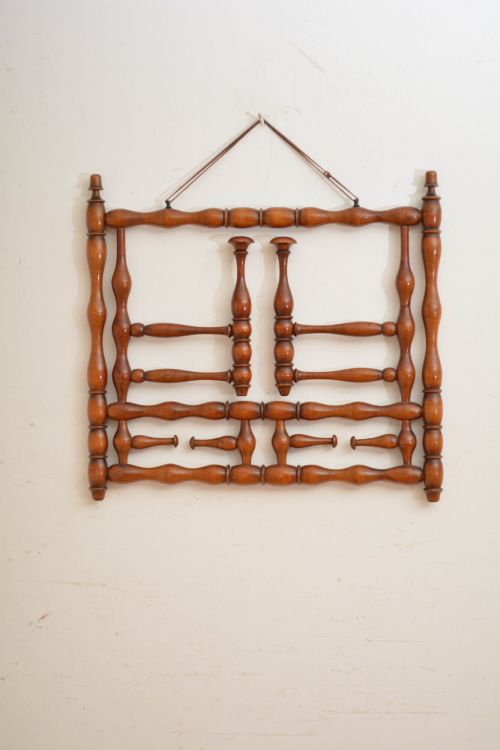
Makers shaped these pieces using traditional joinery, assembling oak, walnut, and mahogany boards with mortise and tenon joints to withstand daily domestic strain. Timber frames often incorporated turned wooden spindles, carved pediments, and applied mouldings.
Metal components relied on cast brass and forged iron, secured directly to wooden backplates with threaded screws. Glass tiles and ceramic elements, such as those from Minton, occasionally provided decorative inserts within larger hall stand panels.
Specialised regional work, such as Black Forest carving, utilised linden wood combined with natural horn and deer antlers to create sculptural wall-hanging hat and coat stands.
Antique Hall Tree Hooks Retail Price Guide 2026
Typical asking prices for hall tree hooks among the pieces listed under this phrase on Sellingantiques today, from the lower quarter to the upper quarter. They describe what is for sale here now, not the wider market.
Deer antlers and linden wood combine in Swiss workshops to hold your morning derby hat.
Distinctions in craftsmanship
The distinction between standard utility items and superior pieces rests on the weight of the metalwork and the depth of the timber carving. Heavy cast brass hooks firmly screwed into dense quarter-sawn oak represent a higher tier of production than thin stamped metal attached to softwood.
Integration of design elements also separates ordinary pieces from exceptional examples, such as those featuring hand-carved Arts and Crafts motifs or integrated ceramic tiles. Original surface patination and intact structural elements without replacement parts retain the integrity collectors seek.
Jas. Shoolbred·Ellen E. Houghton of Minton
The Antique Hall Tree Hooks Glossary
- Hall stand
- A piece of hallway furniture combining coat hooks, a mirror, and an umbrella stand. These large items anchored the entrance of period homes.
- Hat tree
- A vertical stand or wall-mounted rack specifically fitted with multiple tiered prongs for hanging headwear and coats. They appeared in various timbers including oak and mahogany.
- Black Forest
- A nineteenth-century style of intricate wood carving originating from Switzerland and Germany. Pieces typically feature naturalistic animal forms, foliage, and antlers.
- Arts and Crafts
- A design movement prioritising handcraftsmanship and simple forms over mass production. Furniture from this style often displays honest construction and solid walnut or oak.
Antique Hall Tree Hooks: Frequently Asked Questions
How do I mount a wall rack safely?
Secure the backplate directly into wall studs using appropriate screws to handle the heavy weight of winter coats.
Avoid relying solely on plaster anchors, as the leverage exerted by protruding hooks can pull hardware from the wall over time.
Were these used in small hallways?
Compact wall-mounted coat racks and narrow hall stands suited urban Victorian terraced houses with limited entrance space.
Larger freestanding hall trees with umbrella wells were reserved for spacious country houses and suburban villas.
How do I care for the timber?
Dust the wood regularly with a dry cloth and apply occasional high-quality beeswax to nourish the antique grain.
Keep these pieces away from direct heat sources and radiators to prevent the timber from splitting or warping.
Can I date a piece by its hooks?
Solid cast brass hooks with deep patination typically indicate Victorian or Edwardian origins, while later reproductions often feel lighter.
Examine the screw heads securing the hardware, as hand-cut or early slotted screws suggest an older period of manufacture.