


Antique Hall Cane Stand
An antique hall cane stand brings order to the entranceway while showcasing the sturdy utility and distinct period design of the nineteenth and early twentieth centuries.
Antique Hall Cane Stand
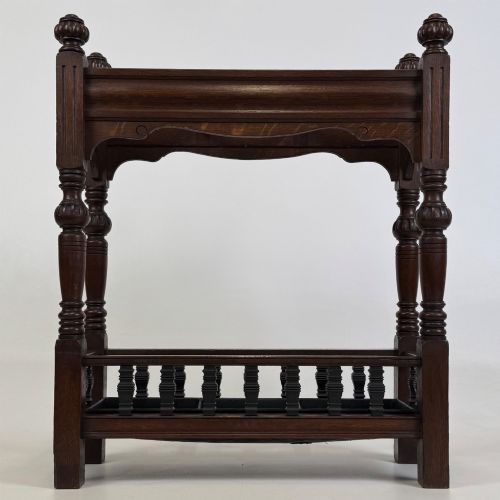
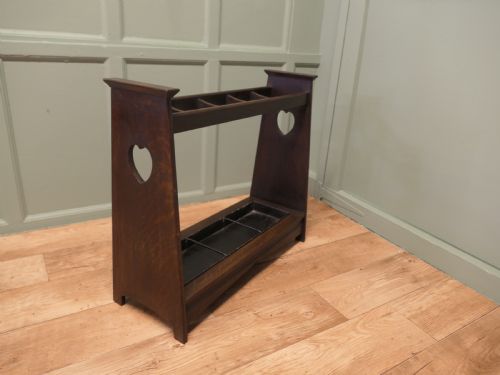
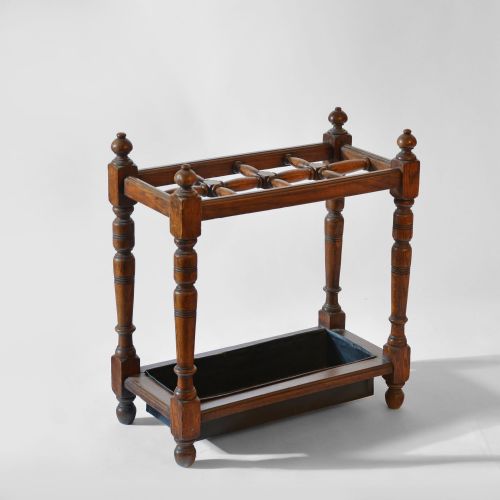
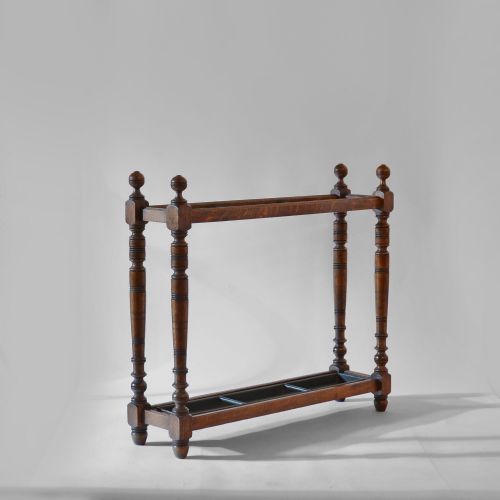
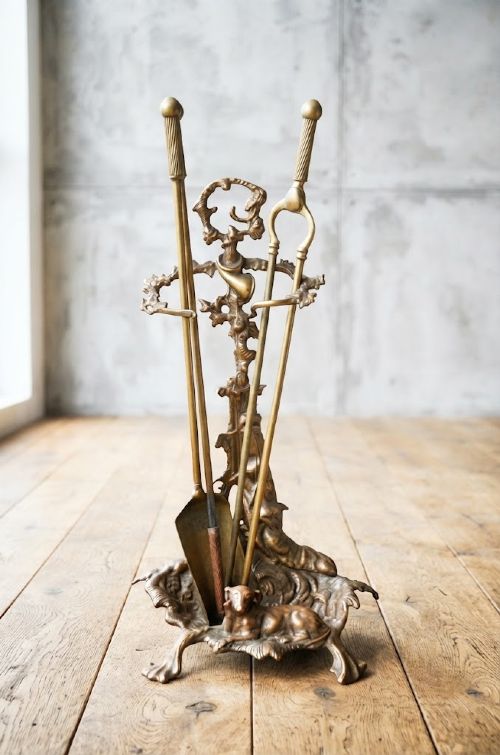
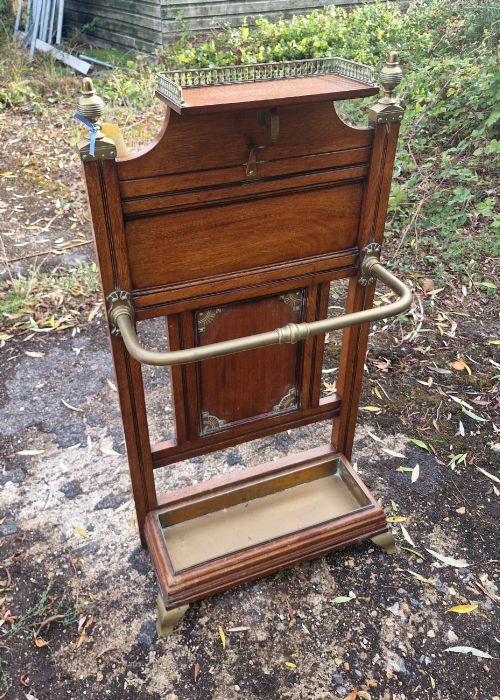
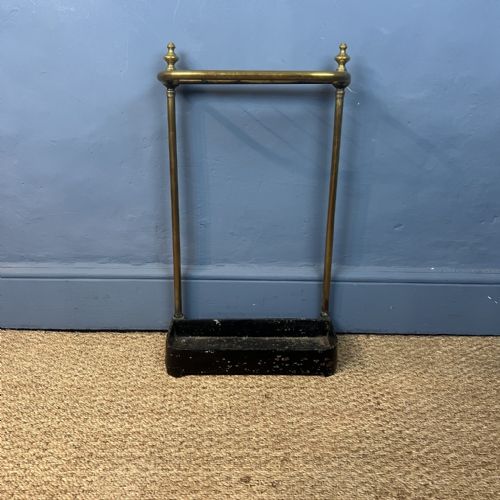
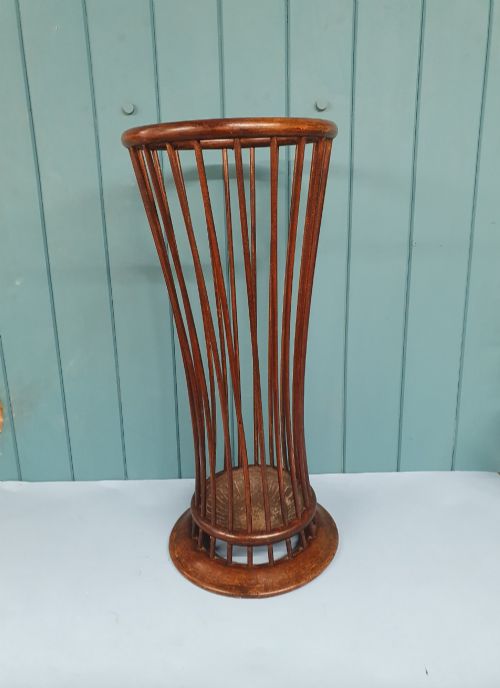
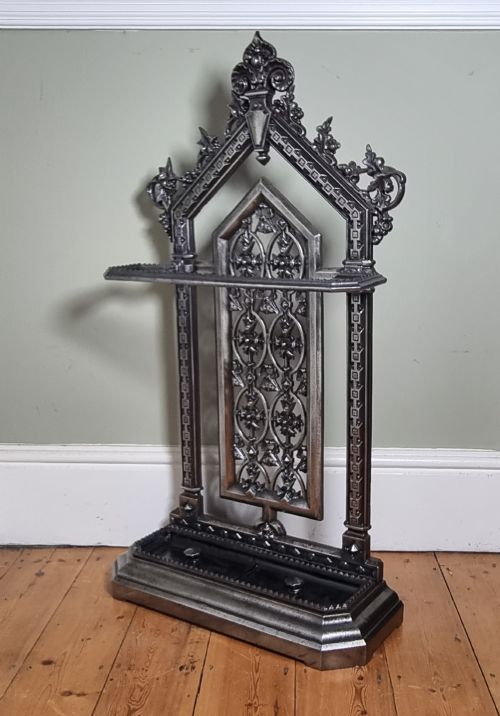
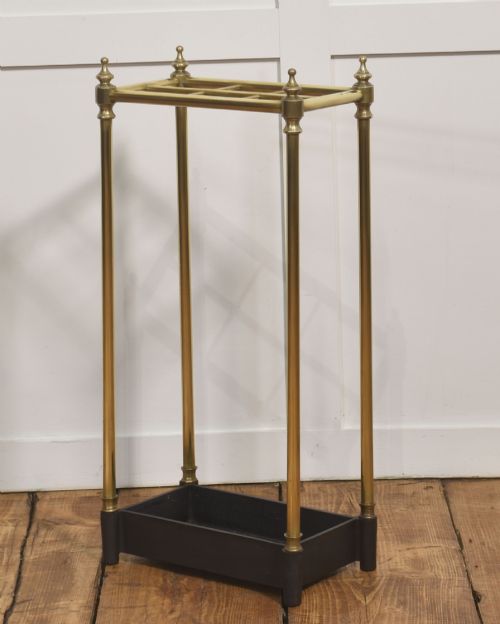
When you search for an antique hall cane stand, you encounter pieces designed to hold walking sticks, umbrellas, and canes in domestic entrance halls. These furnishings appear in forms ranging from dedicated stick racks to multifunctional hall stands combining mirrors, coat hooks, and umbrella compartments.
The pieces on this page span the Victorian and Edwardian eras, alongside later Art Deco and Arts and Crafts examples. Oak and cast iron dominate the domestic output, complemented by lighter bamboo and brass iterations from the late nineteenth century onwards.
Most examples date from the latter half of the nineteenth century into the early decades of the twentieth century. You will find sturdy country house models alongside urban hall furnishings that reflect the prevailing design movements of their respective decades.
Materials and Technique
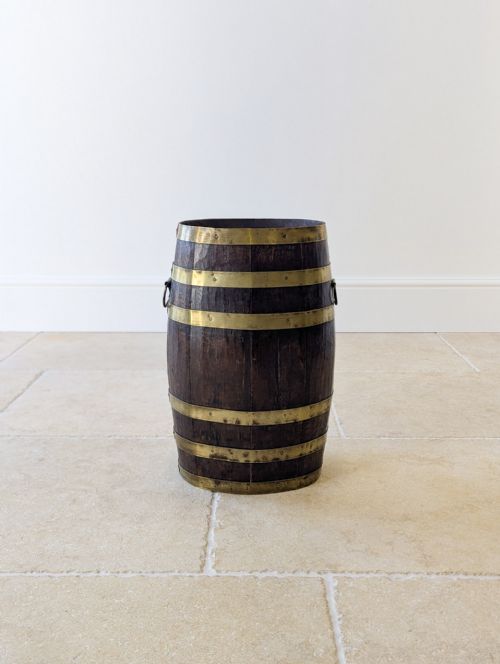
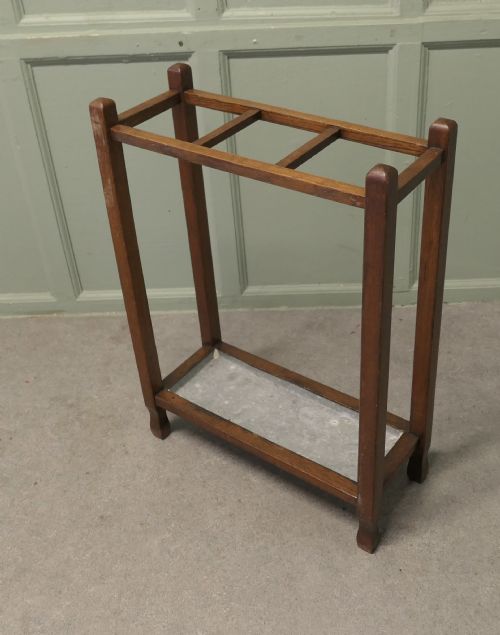
Makers utilised durable construction methods suited to damp items, employing coopered oak staves secured with brass bands, or solid cast iron frames capable of supporting heavy walking canes and wet umbrellas. Metal components frequently included original zinc or iron drip trays positioned at the base to protect floor surfaces.
Woodworking techniques ranged from straightforward pegged and joined oak to bent bamboo frameworks typical of Aesthetic Movement pieces. Cast iron variants relied on industrial moulding processes, occasionally incorporating faux bois bamboo textures or detailed hunting scenes into the metalwork.
Several cast iron stands are moulded to look like bundles of bamboo, proving that even Victorian umbrella storage had a sense of humour.
Judging Quality
The distinction between ordinary and superior pieces rests on the integrity of the materials and the ambition of the design. Standard utilitarian models serve a straightforward domestic purpose, whereas works associated with notable designers or specific firms exhibit greater sculptural detail in the metal casting or more refined cabinetmaking.
Survival of original elements heavily influences desirability. Pieces that retain their fitted metal drip trays, undamaged brass retainer rings, and uncompromised structural joints represent the higher end of the surviving range.
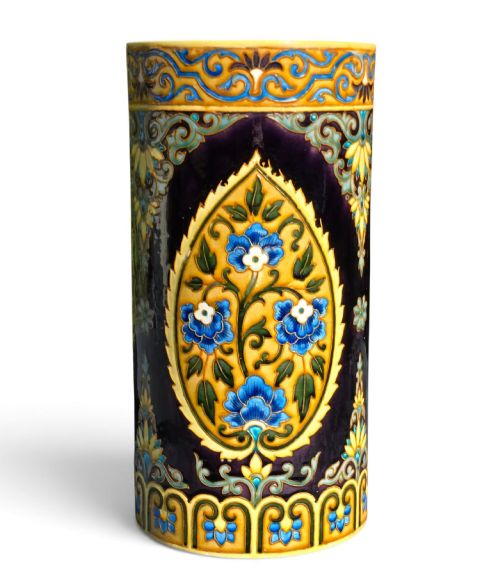
Liberty Design·Théodore Deck·Heals of London·Thomas Jeckyll·Falkirk Ironworks
The Antique Hall Cane Stand Glossary
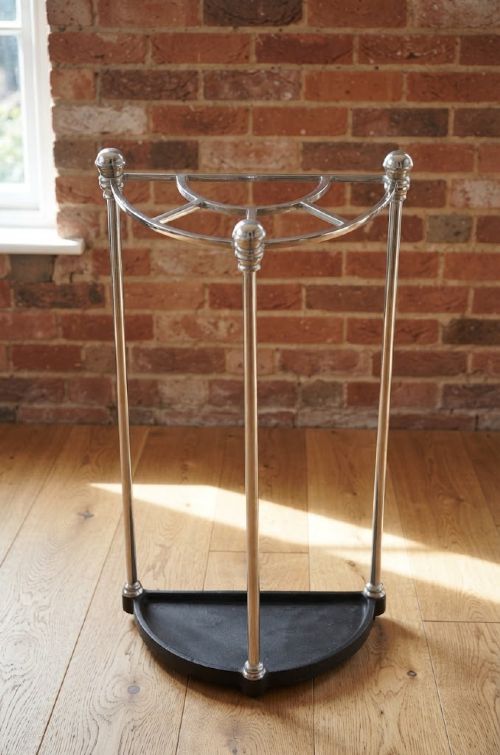
- Demi-lune
- A half-moon shape common in the footprint of hall stands designed to sit flush against an entranceway wall. This semicursal profile allowed furniture makers to save valuable floor space in narrow corridors.
- Coopered
- A method of construction using tapered wooden staves bound together with metal hoops, traditionally associated with barrel-making. This technique appears in solid oak umbrella holders designed to contain moisture without splitting.
- Faux bois
- An artistic imitation of wood grain applied to other materials, notably cast iron. Makers during the Art Nouveau period utilised this technique to give rigid metal structures the appearance of natural bamboo or branches.
- Drip tray
- A removable metal basin located at the base of the stand to catch water from wet umbrellas. Original trays made of zinc, brass, or painted iron are specific indicators of completeness.
Antique Hall Cane Stand: Frequently Asked Questions
How do I stop wet umbrellas damaging the floor?
Most antique hall cane stands incorporate a built-in or removable metal drip tray at the bottom. These trays collect runoff water from wet items.
Ensure your stand retains its original zinc, brass, or iron tray to protect timber flooring from moisture damage during daily use.
Where should I place a cane stand in the home?
These pieces function best in an entrance hall, porch, or boot room where guests arrive and depart. Their narrow footprints allow them to fit snugly against walls without obstructing thoroughfares.
Demi-lune and corner models are particularly useful for making efficient use of tight spaces near front doors.
How do I date an oak umbrella stand?
Dating relies on stylistic clues and construction methods. Pieces featuring heavy carving or exposed joinery often point to the Arts and Crafts movement of the late nineteenth century.
Edwardian and later twentieth-century examples tend to display simpler lines, while bamboo and turned wood variants usually align with the Aesthetic period.
Are cast iron stands too heavy for modern floors?
Cast iron stands are undeniably heavy, but this weight provides necessary stability when holding multiple walking sticks and heavy umbrellas. The mass prevents the rack from tipping over.
Position the piece carefully on hard flooring or use discreet protective pads if placing it on delicate historic timber.