
Antique Hall Accent Table
An antique hall accent table fills a narrow passage with character, offering a practical surface for post and keys.
Antique Hall Accent Table
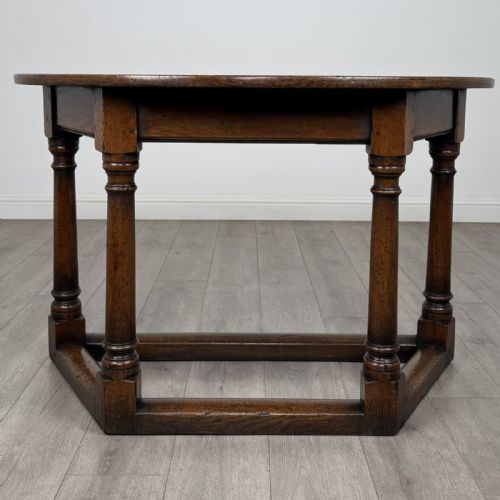
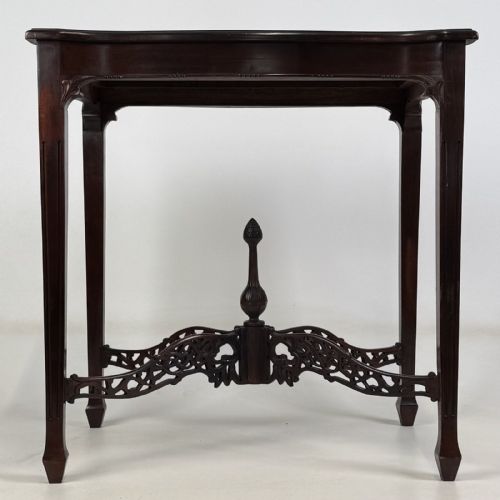
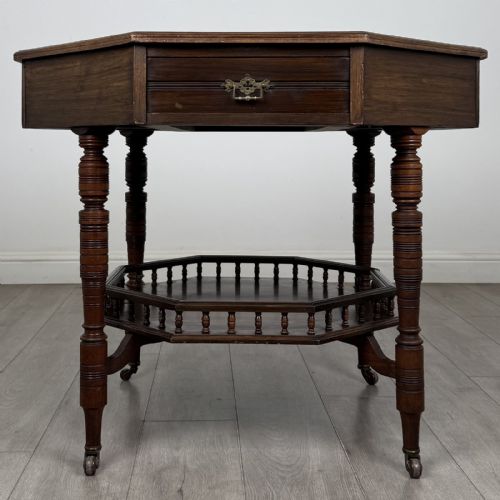
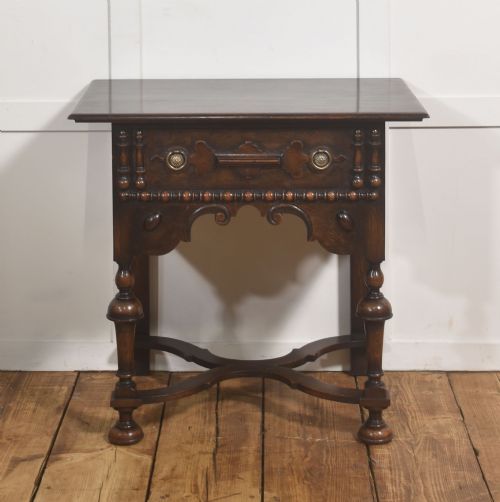
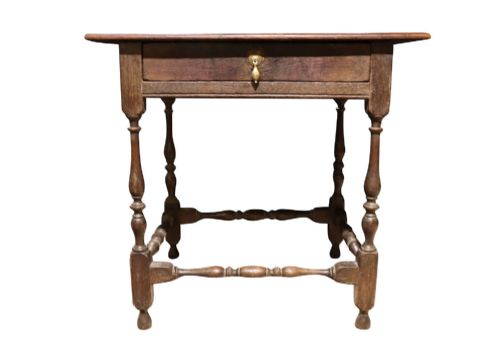
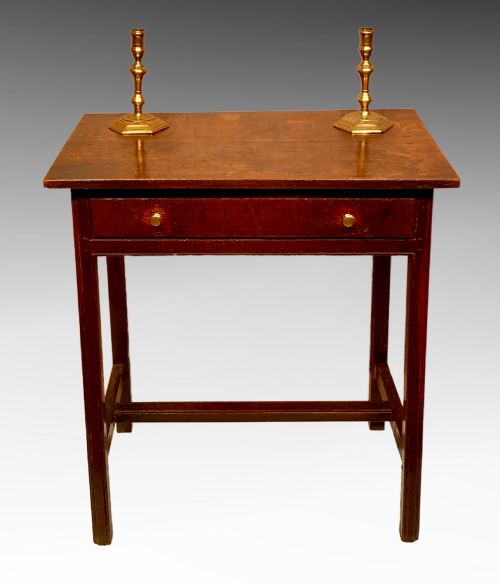
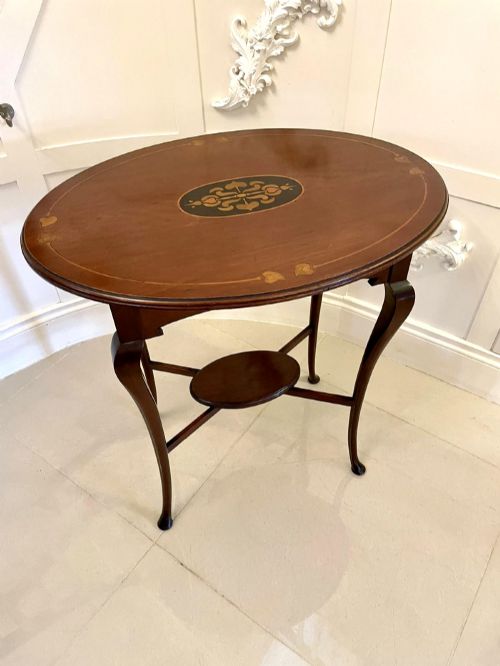
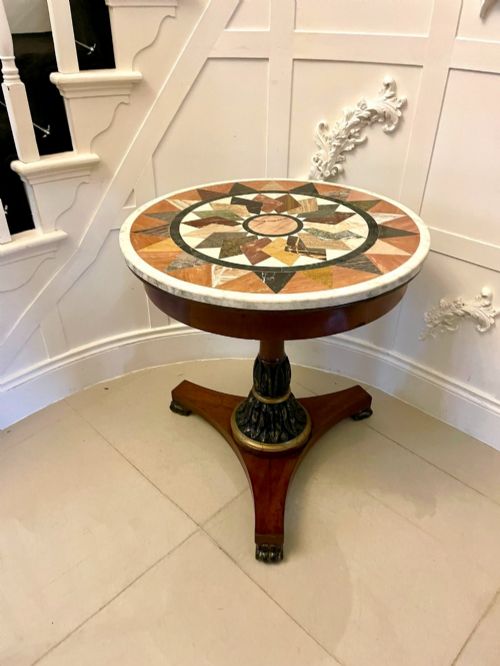
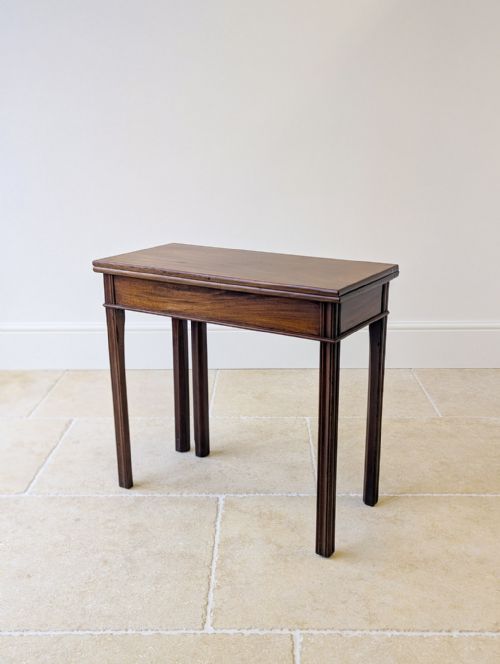
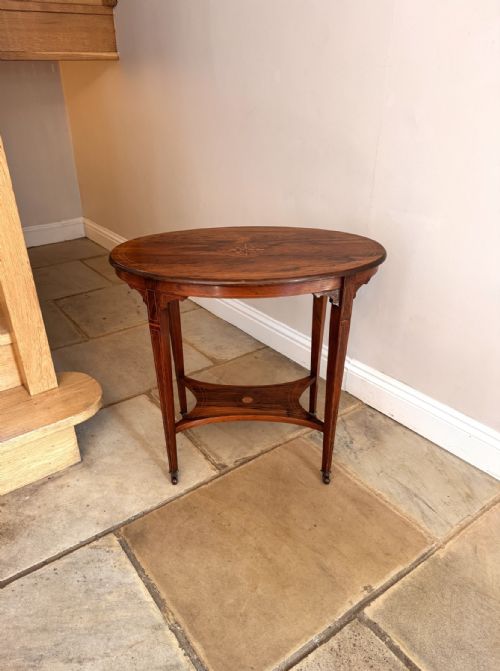
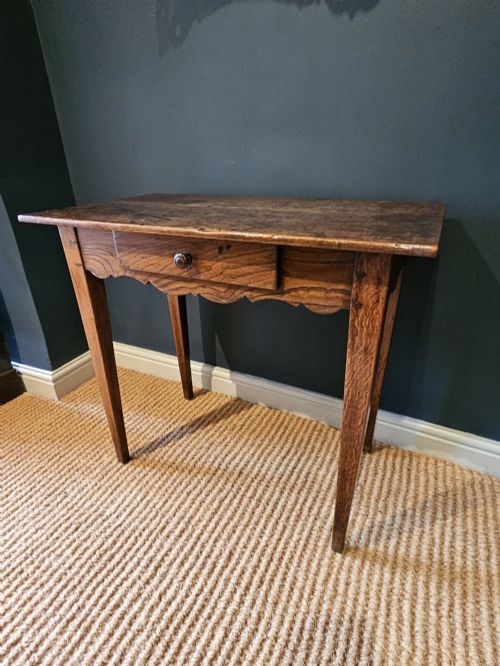
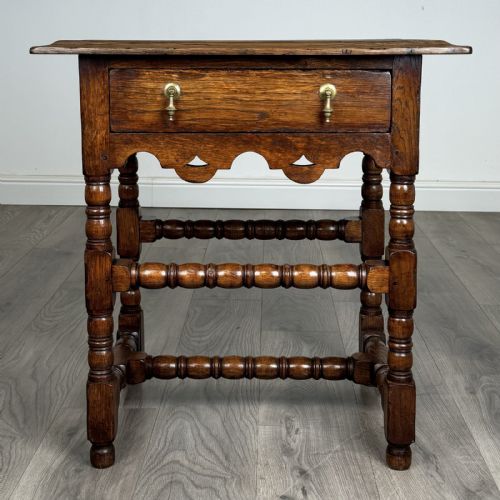
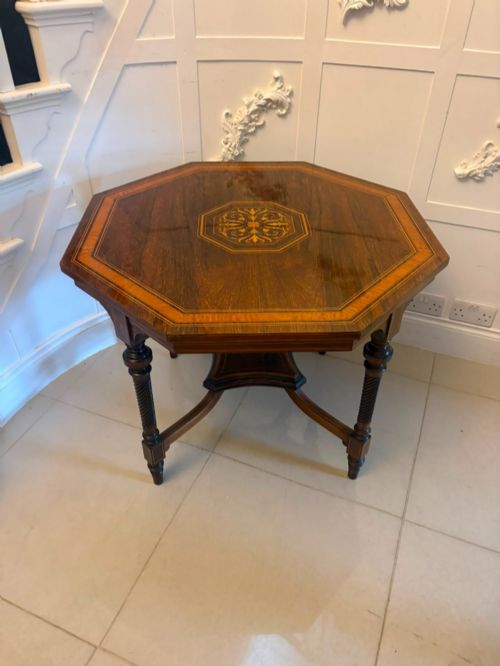
An antique hall accent table covers a range of compact domestic furniture designed for peripheral spaces and hallways. The form stretches from seventeenth-century oak lowboys to Edwardian occasional tables in mahogany and satinwood.
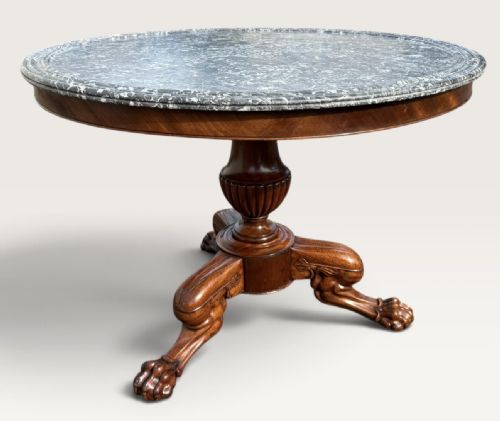
Visitors encounter numerous side tables, centre tables, and console variations across this selection. Oak and mahogany dominate the offerings, spanning periods from the Stuart era through the Georgian and Victorian decades.
Proportions remain modest to suit hallways and landings without obstructing movement. Pieces range from simple boarded elm to elaborate carved burr walnut examples with drawers or galleried tops.
Materials and construction
Cabinetmakers utilised native timbers like oak, elm, and fruitwood alongside imported hardwoods such as mahogany and walnut. Construction relies on traditional joinery, including mortise and tenon frames and hand-cut dovetails for drawer boxes.
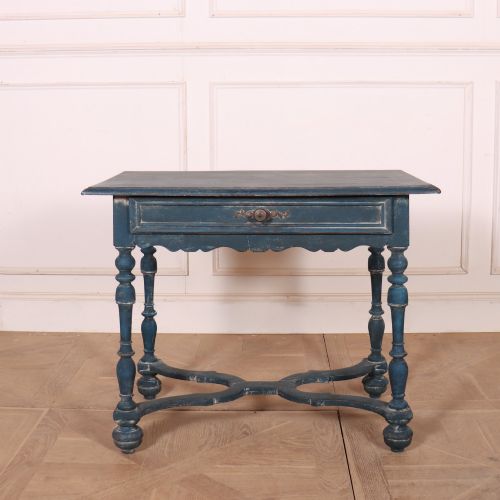
Surface decoration reflects the prevailing taste of each era, incorporating inlaid satinwood banding, carved barley twist legs, or scumble paint finishes. Secondary woods like pine appear in drawer linings and internal framing.
Listings feature oak, mahogany, walnut, and elm tables spanning the seventeenth to the twentieth century.
Design and material depth
Superior examples distinguish themselves through the choice of timber figure, such as highly grained burr walnut or figured mahogany, matched carefully across the top. Crispness of hand-carved detail on friezes and legs also separates high workshops from standard production.
Structural integrity depends on the retention of original timber and minimal replacement of stretchers, drawers, or hardware. Tables retaining their original surface patination and finish hold greater visual depth than heavily stripped or over-polished pieces.
Gregory And Co
The Antique Hall Accent Table Glossary
- Lowboy
- A small oak or walnut table with one or more drawers, standing on relatively tall legs, typically dating from the seventeenth or eighteenth century.
- Frieze
- The horizontal band running directly beneath the tabletop, frequently decorated with carving, inlay, or containing a shallow drawer.
- Scumble
- A decorative paint technique used to simulate the grain of more expensive timbers on a simpler wood base.
- Barley twist
- A turned wooden furniture leg resembling the spiral twist of a barley sugar stick, popular in seventeenth and late-nineteenth-century British furniture.
- Occasional table
- A small, movable table designed for general use in various rooms rather than a specific permanent function.
Antique Hall Accent Table: Frequently Asked Questions
Where should I place an antique hall accent table?
These compact tables fit naturally into entrance halls, narrow landings, or corridors where floor space is limited. Their modest depth allows them to sit flush against a wall without impeding foot traffic.
They provide a convenient drop-off point for daily items while introducing period character to transitional spaces in the home.
How do I care for antique timber surfaces?
Maintenance requires little more than dusting with a soft, dry cloth to prevent the accumulation of grit. Natural beeswax applied sparingly helps nourish older wood and maintains a soft sheen.
Avoid placing these tables in direct sunlight or close to radiator heat sources to prevent the timber from drying out and splitting.
Can I use an antique side table for daily use?
Solid construction in hardwoods like oak and mahogany ensures these tables easily withstand everyday handling. Drawer mechanisms and joints built centuries ago remain robust when treated with reasonable care.
Using coasters and mats protects antique polished surfaces from moisture rings and heat marks left by mugs or glasses.
How can I tell the period of a table?
Dating relies on observing construction methods, timber choices, and decorative motifs characteristic of specific eras. Hand-cut dovetails, tool marks, and fastener types offer clear clues regarding age.
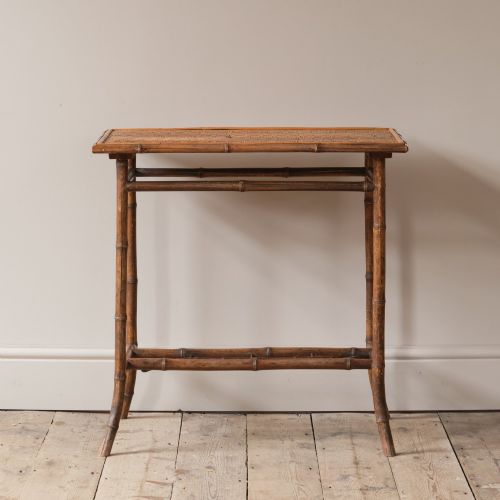
Matching the overall design vocabulary, such as Regency bamboo turning or Edwardian satinwood inlay, confirms the historical context of the piece.