



Antique Guardian Dog
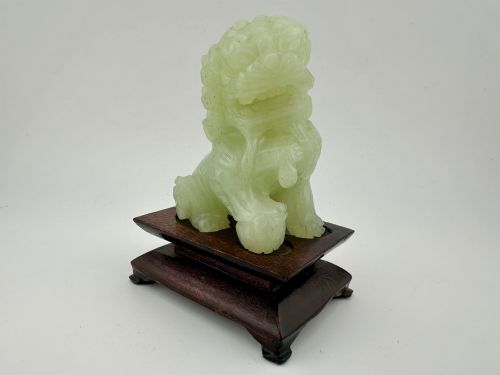
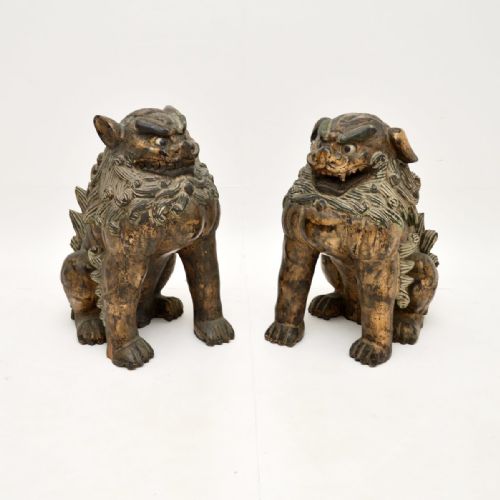
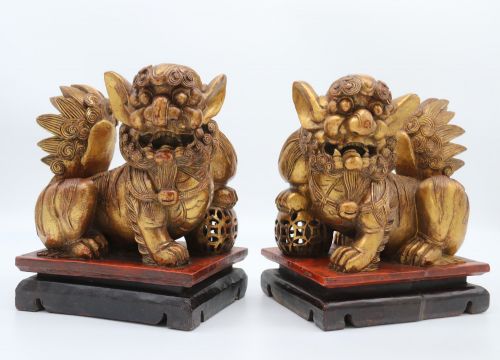
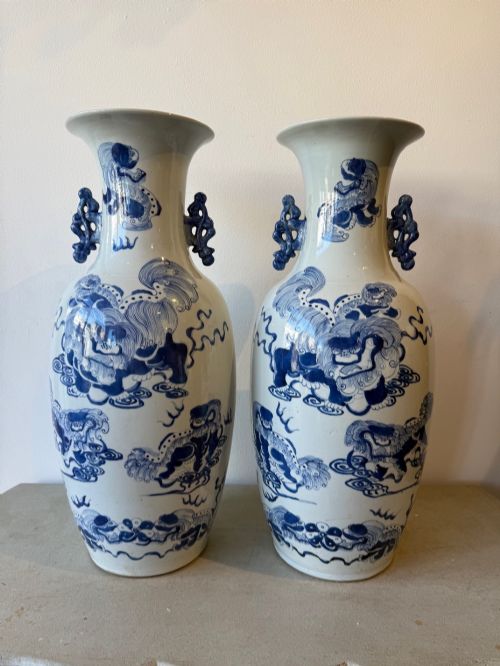
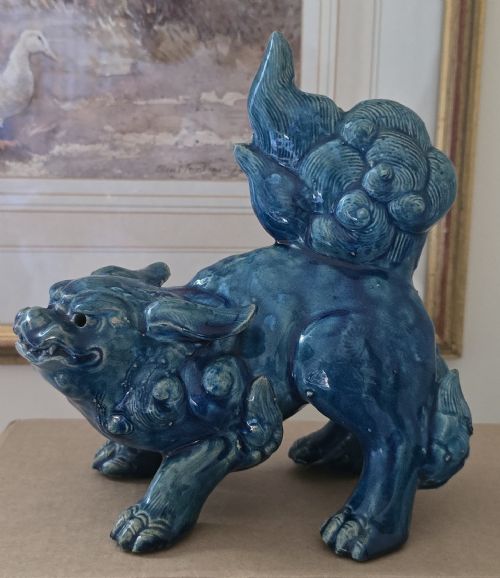
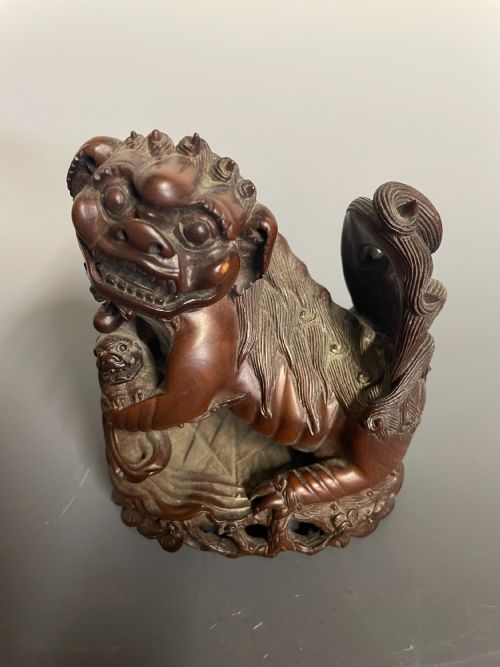
These figures of an antique guardian dog stand to protect the threshold, shaped in bronze, porcelain and wood across centuries of Asian art.
Antique Guardian Dog
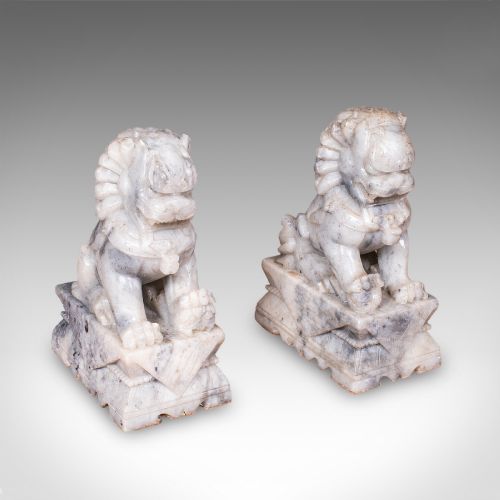
When you search for an antique guardian dog, you encounter traditional Buddhist lions and temple guardians originating primarily from China and Japan. These sculptures serve as symbolic protectors, taking the form of mythical beasts known variously as foo dogs, shishi and karashishi.
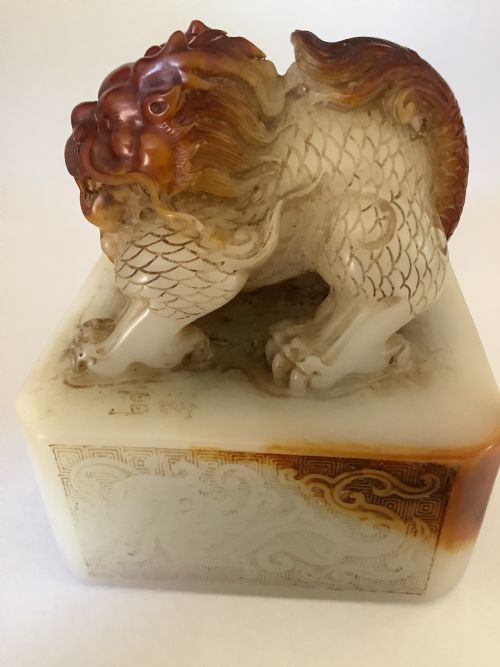
The pieces appearing on this page span the nineteenth and twentieth centuries, encompassing periods from the Qing Dynasty and Edo-Meiji transitions through to the Chinese Republic era. You meet them fashioned as pairs of temple lions, small desk seals, bookends and incense burners.
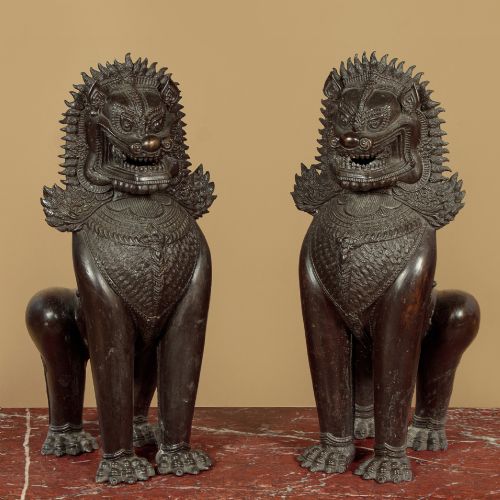
Forms range from large bronze temple guards weighing heavy at floor level down to compact soapstone carvings and glazed ceramic figures. They appear singly or in matched pairs, reflecting the traditional placement flanking doorways and altars.
Materials and methods of construction
Craftsmen shaped these guardian figures through metal casting, wood carving and ceramic moulding using traditional methods. Bronze and iron examples utilise lost-wax casting, yielding robust temple lions and heavy door plates.
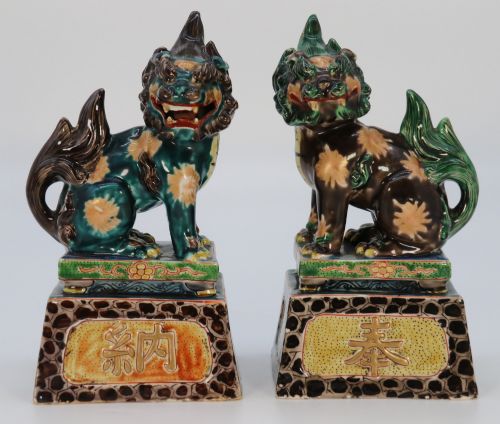
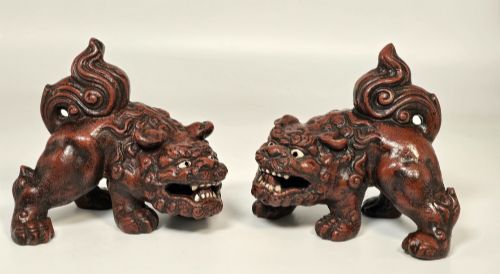
Carved pieces employ boxwood, root wood, soapstone and jade hardstone, showing intricate hand-tool work across mane and claw. Ceramic and porcelain versions receive turquoise glaze, blue and white pigments, or enamel finishes before firing.
Gilding and lacquer often enhance wooden and bronze surfaces, adding depth to the muscular forms of the Buddhist lions. Stonework relies on precise chisel marks to define the powerful stance of the temple guards.
Antique Guardian Dog Retail Price Guide 2026
Typical asking prices for guardian dog among the pieces listed under this phrase on Sellingantiques today, from the lower quarter to the upper quarter. They describe what is for sale here now, not the wider market.
Materials span bronze, porcelain, soapstone, boxwood, root wood and cast iron across the nineteenth and twentieth centuries.
Distinctions in craftsmanship and design
Quality separates through the sharpness of hand-carving in wood and stone, where deeper undercut details and defined facial expressions elevate a piece. Cast metal sculptures show superior work when fur textures and muscular tension remain crisp rather than smoothed by wear.
The integrity of glazes and enamels on porcelain and pottery dictates visual success, with even coverage and controlled firing marks distinguishing finer workshops. Matched pairs displaying symmetrical balance and uniform material grain command greater presence than assembled pairings.
The Antique Guardian Dog Glossary
- Foo Dog
- A western term for the Chinese guardian lion or Buddhist lion, depicting mythical beasts that protect sacred spaces. They combine feline power with canine loyalty in traditional sculpture.
- Shishi
- The Japanese term for a stone or metal lion, representing a guardian figure derived from Chinese Buddhist tradition. These sculptures often feature prominent curly manes and energetic poses.
- Okimono
- A Japanese decorative statue designed for display in a tokonoma alcove or room. These carved or cast objects show exceptional detail in subjects like temple guardians.
- Karashishi
- A Japanese variant of the Chinese lion dog, frequently depicted playing with a brocade ball or standing alert. The term translates literally to Chinese lion.
- Shiwan
- A type of Chinese pottery known for expressive figurative sculptures and rich glazes originating from Guangdong province. Shiwan pieces include textured Buddhist lion dogs with heavy coloured finishes.
Antique Guardian Dog: Frequently Asked Questions
Where were guardian dogs placed?
Traditional guardian dogs stood in pairs outside temple gates, imperial palaces and wealthy residences to ward off harmful spirits. Domestic versions occupied interior desks, altars and bookshelves as protective ornaments.
Matched pairs typically featured the male holding a brocade ball under his paw and the female restraining a cub. This dual arrangement maintained directional harmony and symbolic balance at any threshold.
Are these figures always made in pairs?
Many guardian dogs were created as matched pairs to flank an entrance or altar, though single pieces survive independently. Incense burners, bookends and desk seals frequently appear in balanced sets.
Individual sculptures also occur across wood carvings and ceramic figures, serving as standalone decorative ornaments rather than architectural sentinels.
What is the difference between Chinese and Japanese guardian dogs?
Chinese guardian lions, or foo dogs, typically display fierce expressions, muscular builds and intricate curly manes associated with Qing Dynasty traditions. They often interact with architectural elements like balls, cubs or ribbons.
Japanese versions, known as shishi or karashishi, frequently emerge from the Meiji and Edo periods with distinct stylistic energy and unique glaze palettes. Hirado and Kutani porcelain examples showcase characteristic regional firing and painting techniques.