


Antique Grey Pedestal Table
An antique grey pedestal table is a sturdy, circular surface raised on a single central column that brings understated elegance to any room.
Antique Grey Pedestal Table
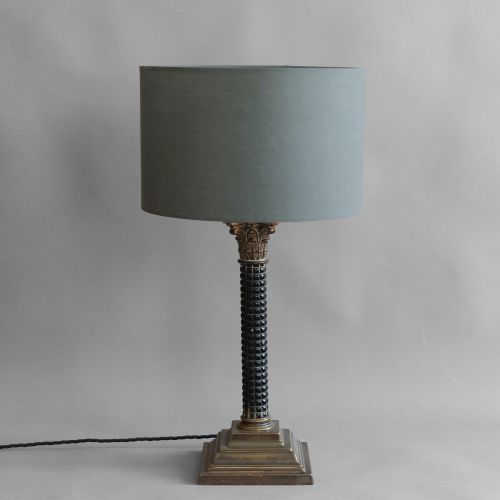
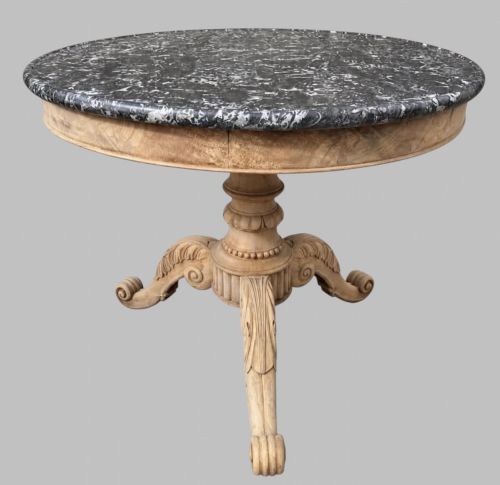
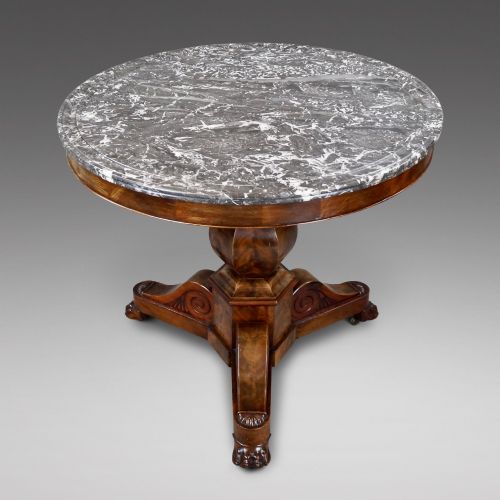
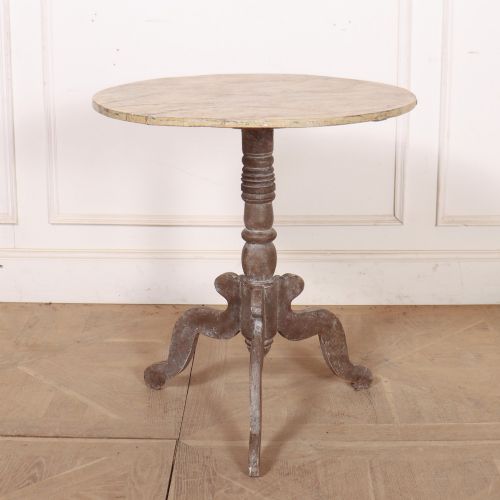
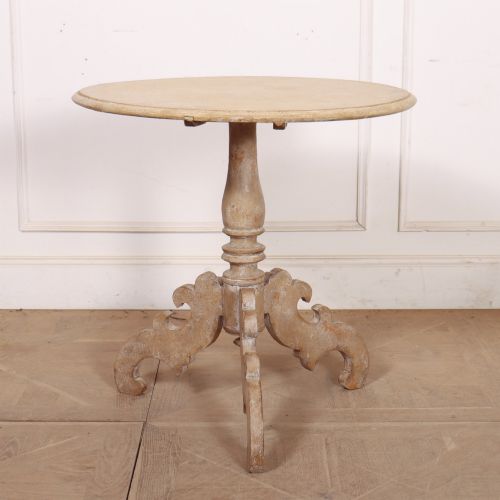
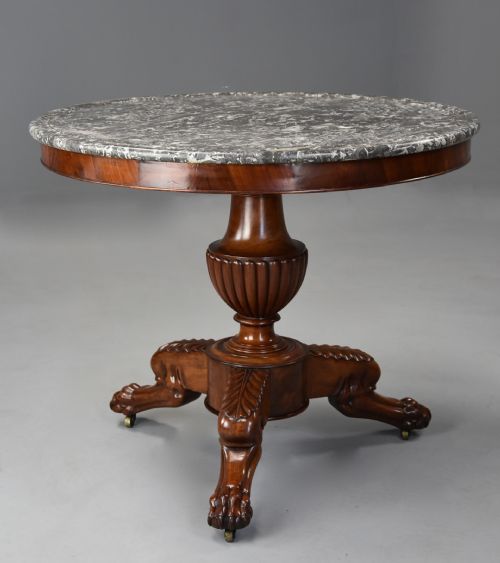
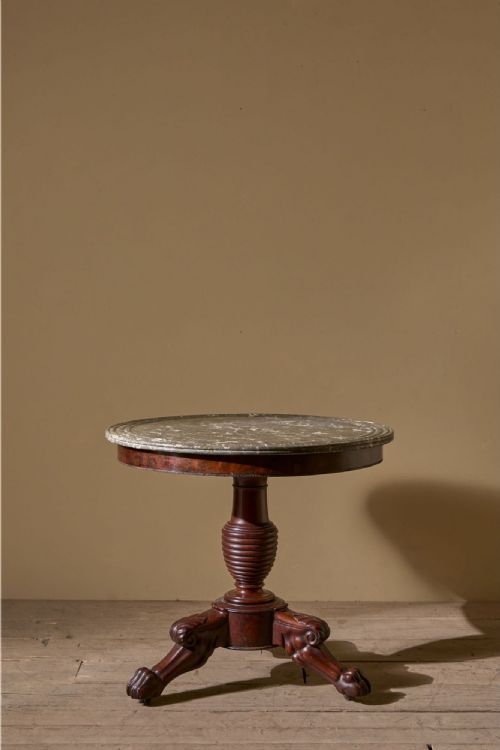
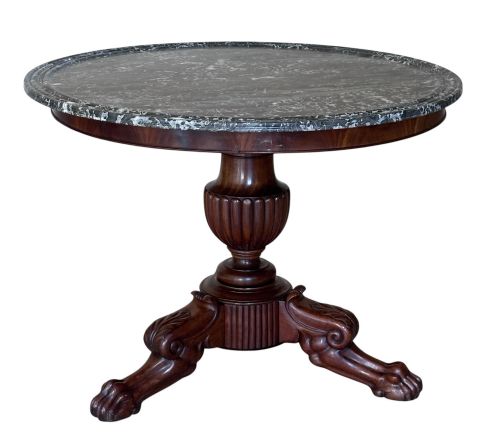
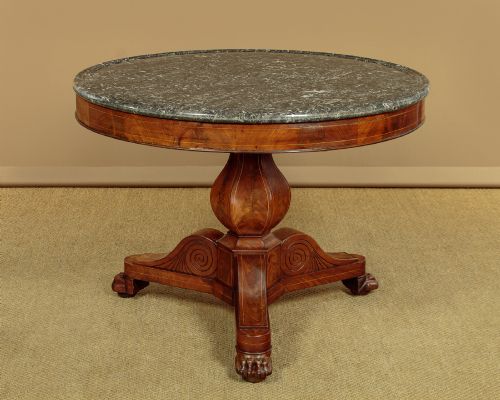
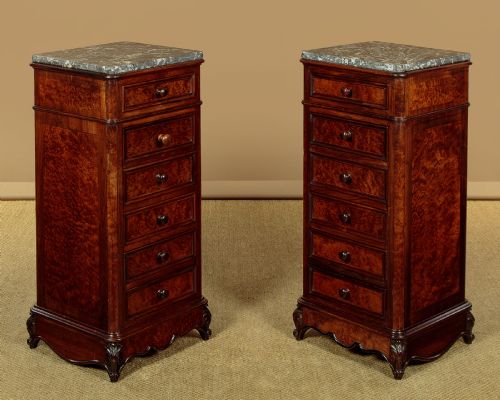
An antique grey pedestal table typically appears on this page as a French gueridon or a Scandinavian country lamp table, resting on a central column above a fitted base. These circular forms function primarily as centre tables, occasional tables, or bedside cabinets within domestic interiors.
Makers fashioned these pieces across the nineteenth and early twentieth centuries, spanning periods from the French Empire and Charles X to Victorian and Art Deco eras. Continental workshops favoured the gueridon format, combining a timber frame with a stone or painted top for everyday utility.
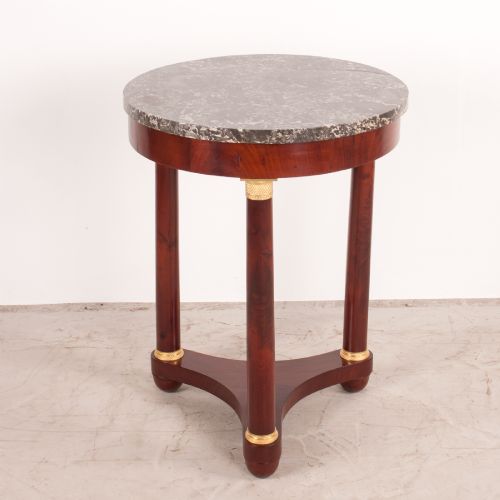
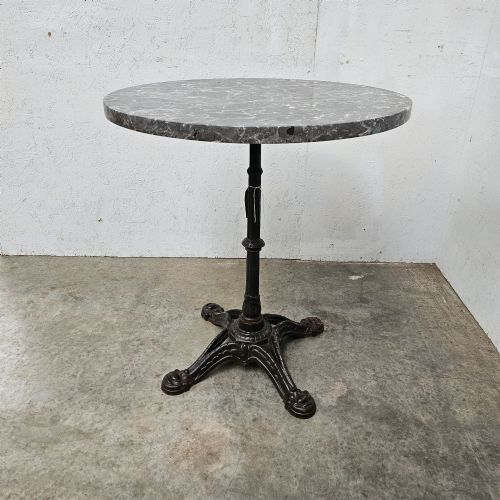
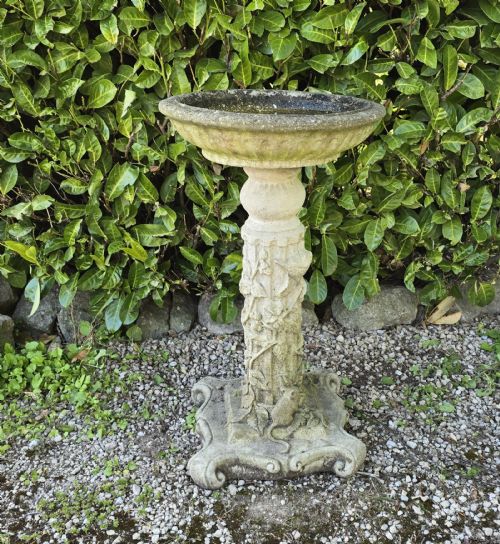
Buyers encounter regional variations ranging from painted Swedish softwood tables to polished mahogany and walnut French examples fitted with marble surfaces. Iron and stone variants also surface, originating from French cafes or country gardens.
How they were made
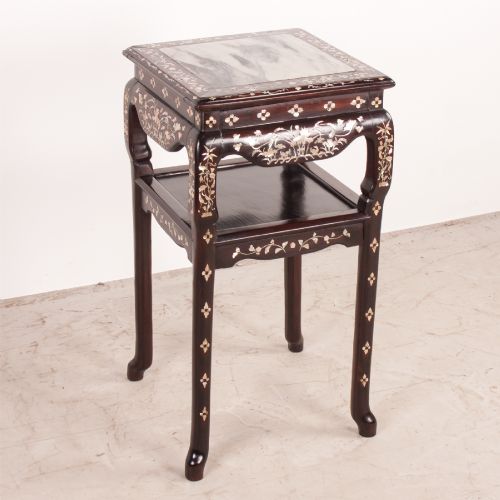
Carpenters constructed the primary frames of these tables using dense timbers such as mahogany, walnut, rosewood, and softwood, often shaping pedestals with carved details or bronze mounts. Marble, stone, and inlaid mother-of-pearl provided durable, decorative surfaces set directly into the timber or iron frameworks.
Surface treatments involved hand-applied paint, French polish, and gilt-bronze finishing to achieve the characteristic grey, patinated, or polished appearances recorded in the evidence. Iron elements were forged for garden and cafe use, pairing industrial metalwork with stone tops.
A mystery clock ticks quietly among the tables, keeping time while baffling anyone trying to see how it works.
What varies in quality
The sophistication of the timber selection and the integration of decorative elements dictate the upper tier of these pieces, distinguishing standard utility items from works by known Parisian makers. Fine examples display carefully matched flame mahogany veneers, intricate brass or gilt-bronze mounts, and heavier veined marble slabs.
Structural integrity of the central column and its junction with the base separates robust examples from those weakened by poor past repairs or excessive weathering. The original pairing of the stone top with the wooden or iron pedestal maintains the design integrity intended by the original workshop.
Zwiener Jansen Sucesseur
The Antique Grey Pedestal Table Glossary
- Gueridon
- A small French table supported by a single central pillar or column. These versatile circular tables frequently feature marble tops and timber frames.
- Empire
- A decorative style spanning the early nineteenth century characterised by classical motifs, dark mahogany timbers, and bronze mounts. This French aesthetic influenced numerous pedestal tables.
- Inlay
- A technique where contrasting materials such as mother-of-pearl are set flush into a timber surface. This decorative method enhances occasional tables.
- Tilt top
- A mechanism allowing the tabletop to pivot into a vertical position when not in use. This space-saving design appears on nineteenth-century tripod tables.
- Gilt-bronze
- Bronze cast objects treated with a gold-coloured finish. Makers utilised these metallic mounts to decorate the frames of high-status tables.
Antique Grey Pedestal Table: Frequently Asked Questions
What is a gueridon table?
A gueridon is a traditional French circular table supported by a single central pedestal or column. These pieces commonly feature marble or timber tops.
Historically utilised as occasional tables or light stands, they suit modern living rooms as central display surfaces or bedside tables.
How do I style a pedestal table?
These circular tables fit easily beside armchairs, sofas, or beds, offering a compact surface for lamps and decorative items. Their central pillar design allows chairs to tuck neatly underneath.
Pairing a marble-topped version with wooden furniture adds contrasting texture to a room scheme.
Are these tables waterproof?
Tables featuring marble or stone tops withstand moisture well, making them practical for everyday use as lamp stands or cafe tables. Wooden surfaces require coasters to prevent water marks.
Iron and stone garden variants tolerate outdoor placement when weathered.
How do I date an antique table?
Dating relies on identifying timber species, construction methods, and stylistic periods such as Empire, Victorian, or Art Deco. Examining the joinery beneath the top reveals workshop practices.
Maker signatures or stamps, when present, provide exact attribution to periods like the nineteenth century.