

Antique Green Side Chair
An antique green side chair brings strong colour and period timber into a room, serving as a practical seat or a decorative accent.
Antique Green Side Chair
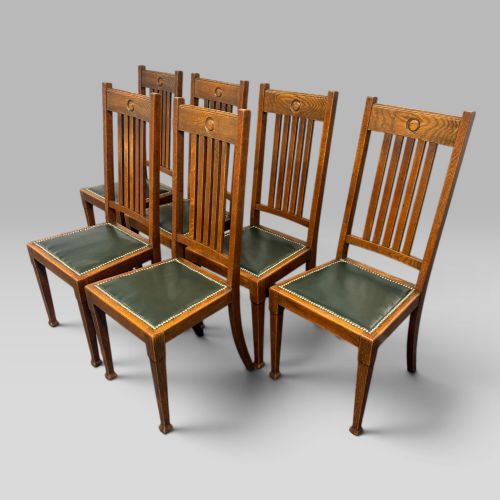
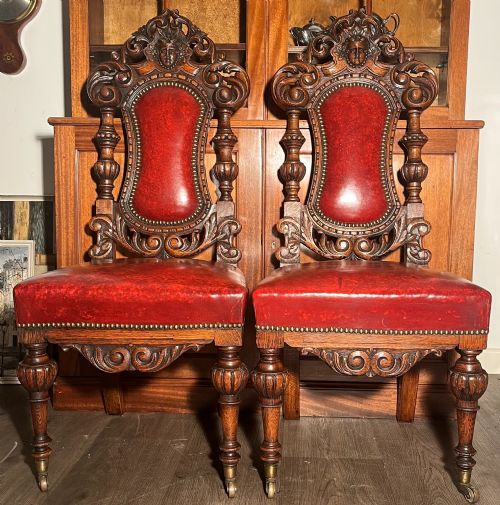
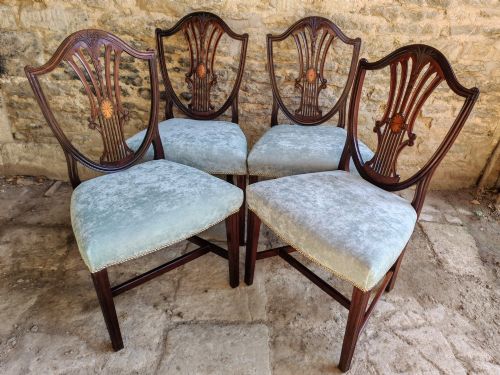
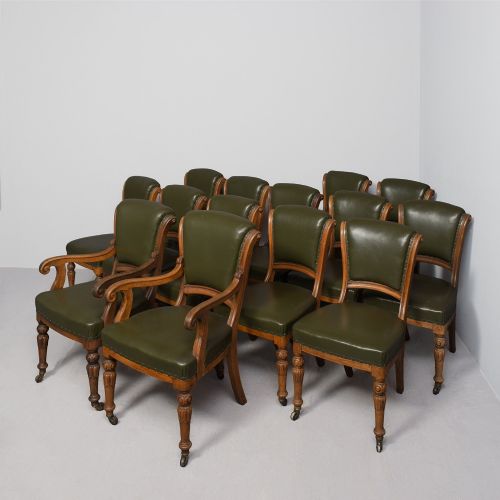
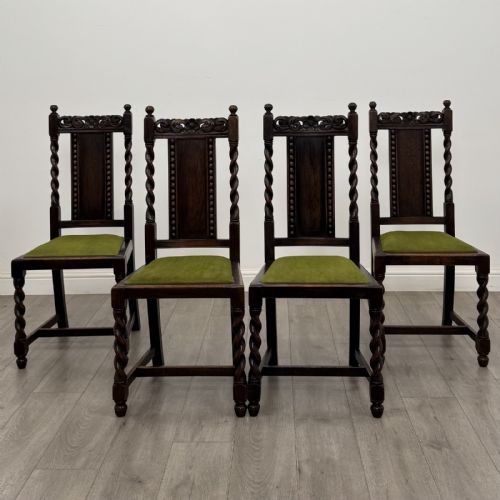
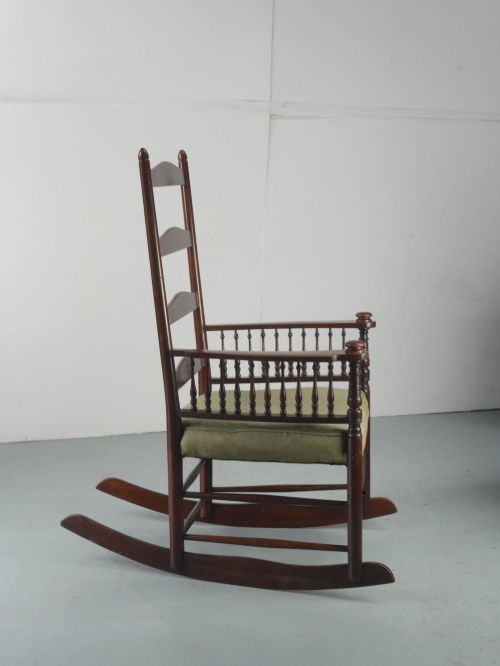
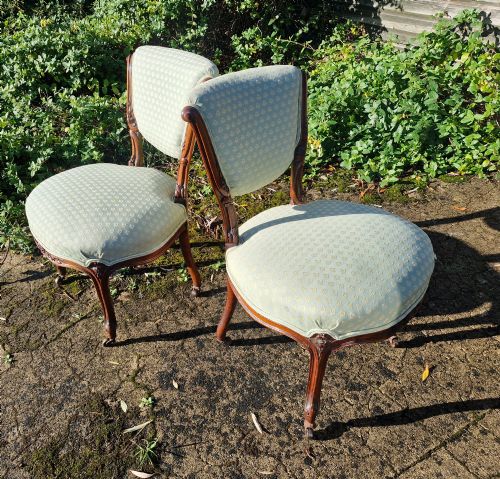
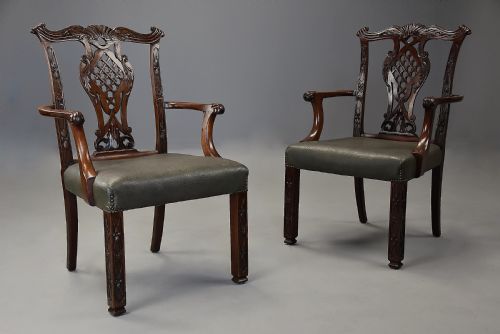
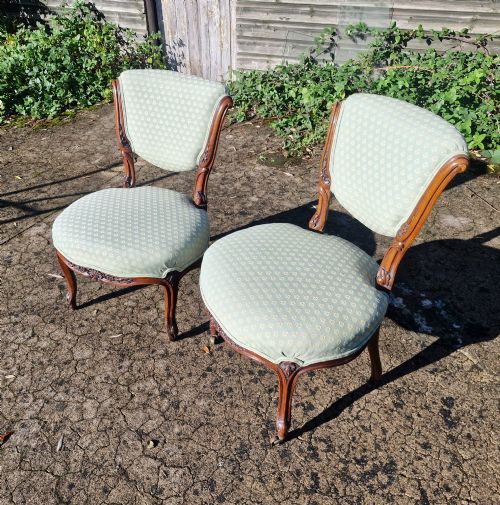
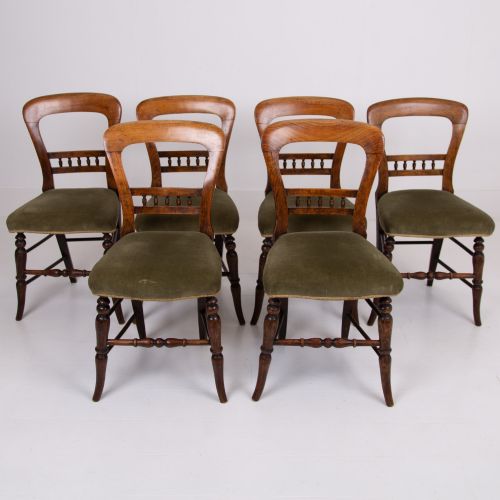
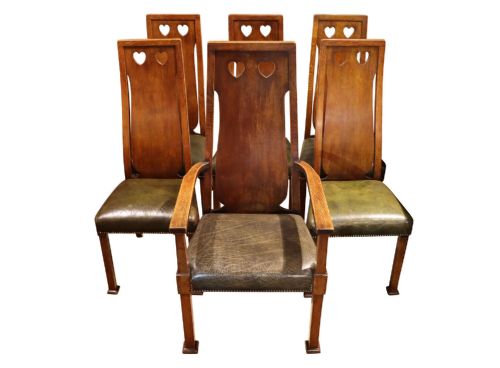
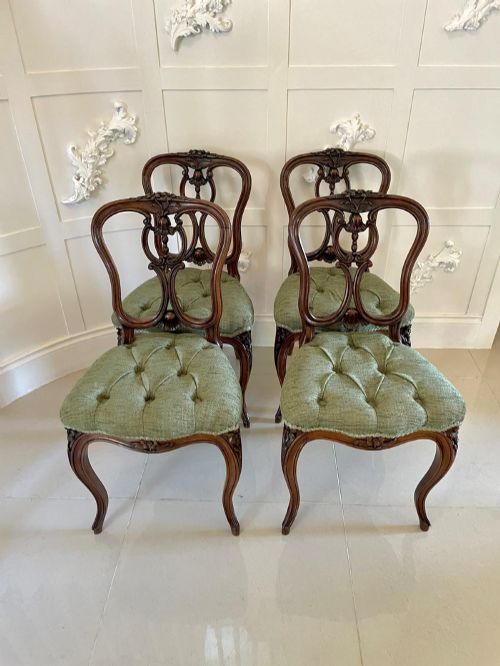
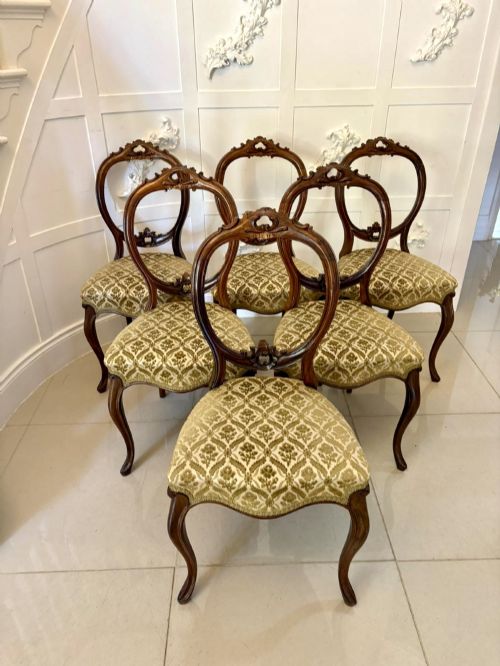
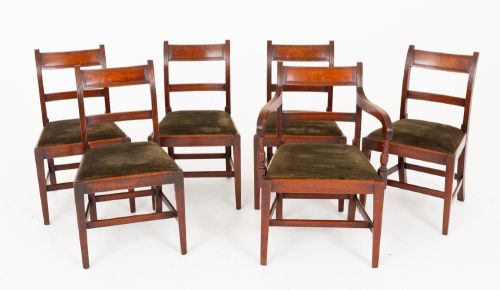
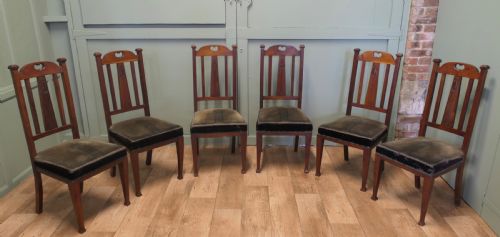
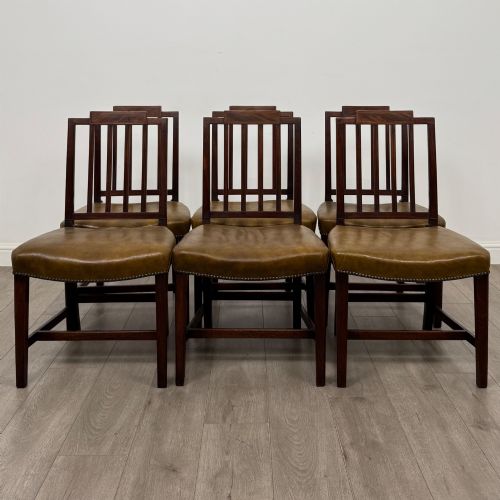
An antique green side chair appears in various forms across this selection, combining period frames with green upholstery in leather, velvet, or fabric. These seats date from the Georgian, Victorian, and Edwardian eras, incorporating styles such as Regency, Arts and Crafts, and Gothic Revival.
The materials supporting the green upholstery span mahogany, walnut, rosewood, oak, and beech. Frames range from country dining chairs to refined drawing room and bedroom seating.
How they were made
Cabinetmakers constructed these frames using hardwoods like mahogany, walnut, and oak, often shaping timber through turning, carving, or steam bending. Joinery relied on traditional methods such as mortise and tenon to ensure structural rigidity.
Upholstery involved securing fabrics, leather, or velvet over supportive padding, frequently finished with brass tacks or piping. The green colour derives from the textile coverings rather than the timber frame.
Antique Green Side Chair Retail Price Guide 2026
Typical asking prices for green side chair among the pieces listed under this phrase on Sellingantiques today, from the lower quarter to the upper quarter. They describe what is for sale here now, not the wider market.
One small office chair manages to combine a revolving base, armless design, and green leather all at once.
What varies in quality
The standard of carving and timber selection dictates the hierarchy of these chairs. Dense, highly figured rosewood or finely carved walnut command greater attention than utilitarian beech or simple country oak.
Integrity of construction and the retention of original upholstery materials or period-appropriate replacement fabrics influence the overall standard of each piece.
Goodyers London
The Antique Green Side Chair Glossary
- Side chair
- A chair without arms, traditionally used at a dining table or placed against a wall.
- Upholstery
- The materials, including padding, springs, webbing, and fabric or leather, that make up the soft covering of a seat.
- Carved walnut
- A dark, durable timber worked with sculptural ornamentation, common in Victorian and Georgian seating.
- Arts and Crafts
- A design movement prioritising handcraftsmanship, simple construction, and natural materials.
- Chippendale style
- A mid eighteenth century design influence characterised by pierced splats, cabriole legs, and carved details.
Antique Green Side Chair: Frequently Asked Questions
Where should I place an antique green side chair?
These chairs fit well as occasional seating in a hallway, bedroom, or living room where the green upholstery introduces a distinct colour accent.
They also function as individual dining or desk seats when paired with a suitable table.
Are these chairs suitable for daily use?
Most antique side chairs remain structurally sound for regular sitting, provided the joints and frame remain tight.
Checking the underlying stability and upholstery support ensures the chair handles everyday wear safely.
What woods were commonly used for these chairs?
Cabinetmakers primarily utilised mahogany, walnut, rosewood, and oak depending on the prevailing fashion and regional availability.
Softer woods like beech also appear in specific desk and office chair applications.