


Antique Green Paperweight
An antique green paperweight brings weight and colour to a desk, drawing the eye through deep glass, carved jade, or mounted stone.
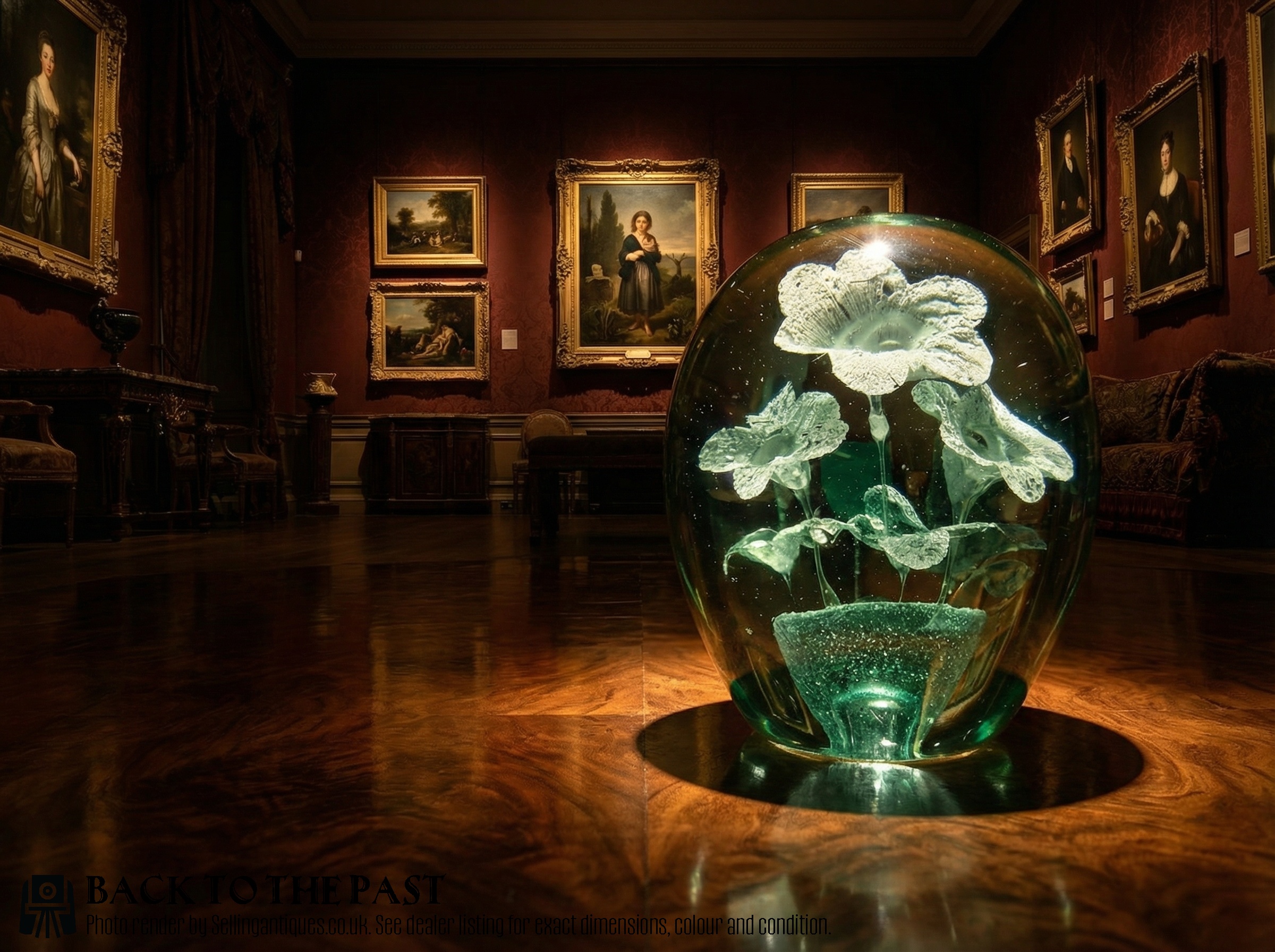
Antique Green Paperweight
The materials span from Victorian glass and Chinese hard stones to Austrian cold-painted bronzes and French animalier casts. These pieces date principally across the nineteenth and early twentieth centuries, with occasional eighteenth-century scholarly carvings.
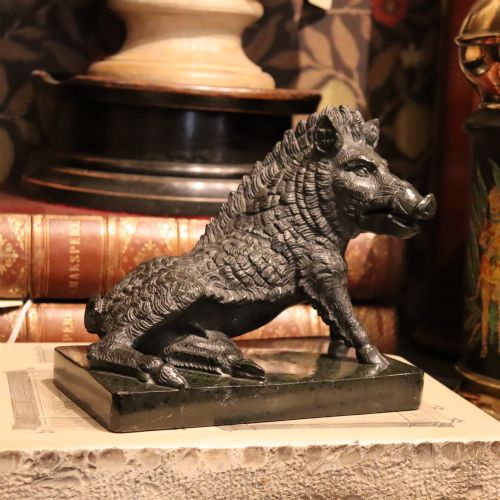
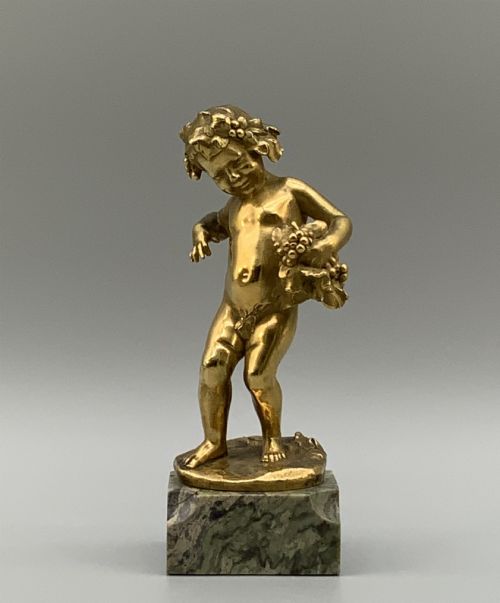
Forms vary from utilitarian glass weights enclosing floral sulphides to sculptural studies of animals, birds, and classical figures positioned upon green mineral mounts.
How they were made
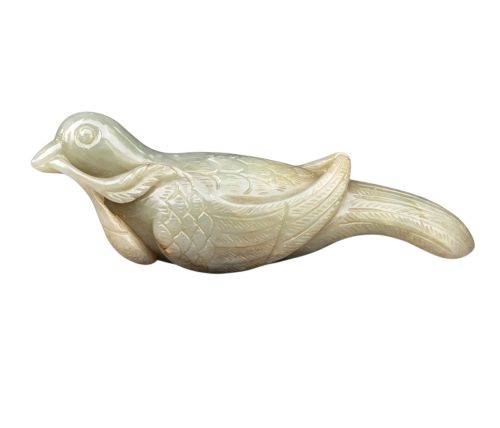
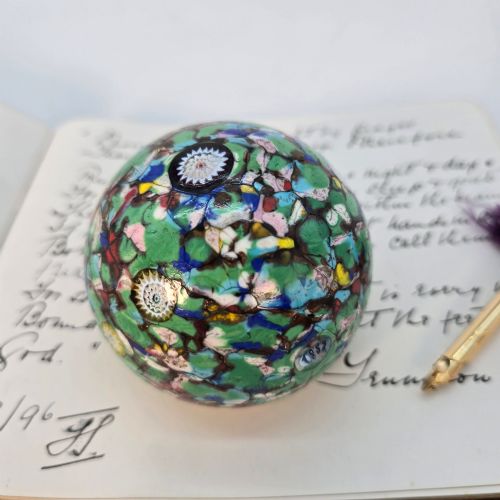
Makers shaped glass through blowing and heavy casting, occasionally embedding ceramic sulphides such as floral motifs inside the molten metal. Artisans carved hard stones like jade and serpentine by hand, revealing natural tonal gradations within the material.
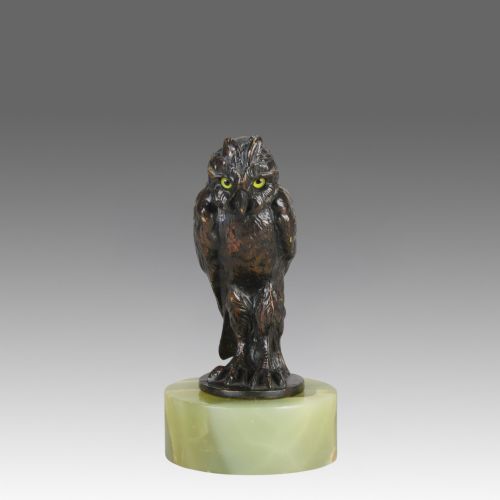
Bronzes were cast using traditional methods, then finished with cold-painted polychrome details or silvering before being secured to marble or onyx bases. Each technique reflects the primary medium of the object, whether molten glass, carved mineral, or cast metal.
Listings feature items from the 18th Century through to the Art Deco period, utilising glass, bronze, jade, and marble.
What varies in quality
Quality rests upon the crispness of the carving in jade and marble, the depth and clarity of the glass, and the preservation of cold-painted pigments on bronze. Superior glass weights display clean bubbles and sharp internal sulphides, while fine bronze casts exhibit detailed tooling and secure attachment to their stone plinths.
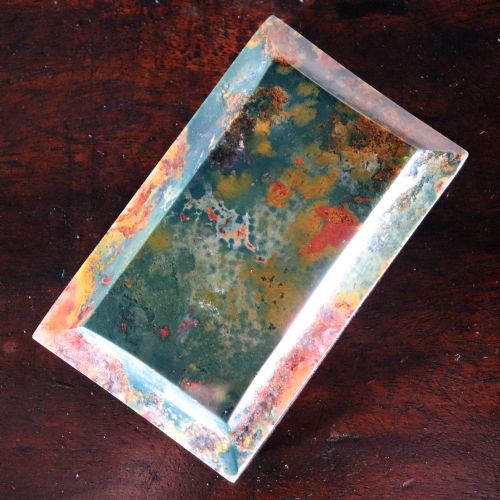
The natural figuring of the marble or onyx base also dictates the appeal of the piece, where varied mineral veining enhances the overall composition.
Charles Louis Malric·Susse Frères·Franz Bergman·Anna Vaughn Hyatt Huntington
The Antique Green Paperweight Glossary
- Sulphide
- A small ceramic cameo embedded within glass during manufacture. It appears silvery-white and catches the light against the surrounding green medium.
- Cold-painted bronze
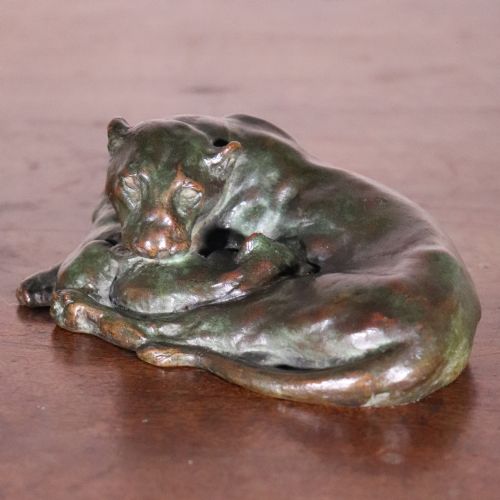
- Metal sculpture painted with non-heat-set pigments after casting. Careful handling preserves these delicate surface colours.
- Onyx
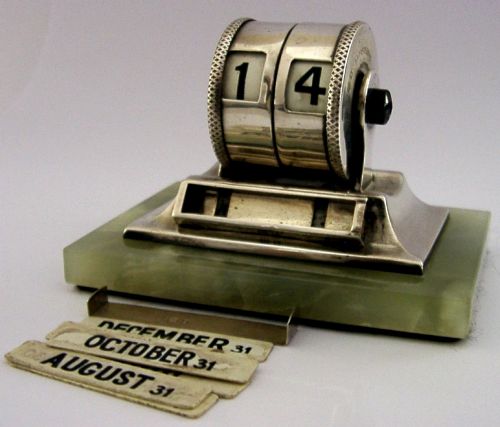
- A banded chalcedony variety utilised for desk calendar mounts and sculptural plinths. Its natural layers provide a sturdy, polished foundation.
- Grand tour
- Nineteenth-century souvenirs collected by travellers visiting classical sites in Italy. These often take the form of carved marble models.
- Animalier
- A nineteenth-century artistic focus on realistic animal sculptures. These figures frequently utilise bronze and rest on stone bases.
Antique Green Paperweight: Frequently Asked Questions
How do I clean an antique glass paperweight?
Wipe the surface gently with a soft, damp cloth to remove dust without scratching the glass.
Avoid harsh chemical cleaners that might damage any historical polish or surface finish.
What is a glass dump paperweight?
A glass dump is a heavy, solid glass object produced in nineteenth-century factories, often utilising waste bottle glass.
They frequently contain internal silvery sulphide designs like flowers or thistles.
How can I date a cold-painted bronze?
Examine the quality of the casting work and the remaining pigment on the metal surface.
Stylistic cues from Art Deco or Victorian periods also help establish the approximate production era.
Are jade carvings always Chinese?
The jade and hard stone carvings on this page originate from Chinese traditions, including Qing dynasty pieces.
These scholar's objects focus on natural motifs and figures.