



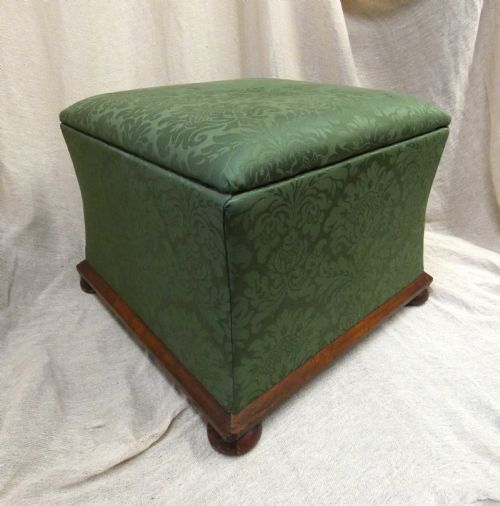

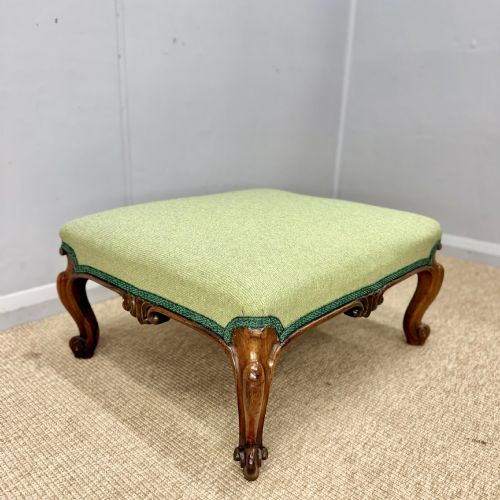


Antique Green Ottoman
An antique green ottoman brings rich tactile texture and deep verdant tone to a room, functioning as a practical seat or low resting surface.
Antique Green Ottoman
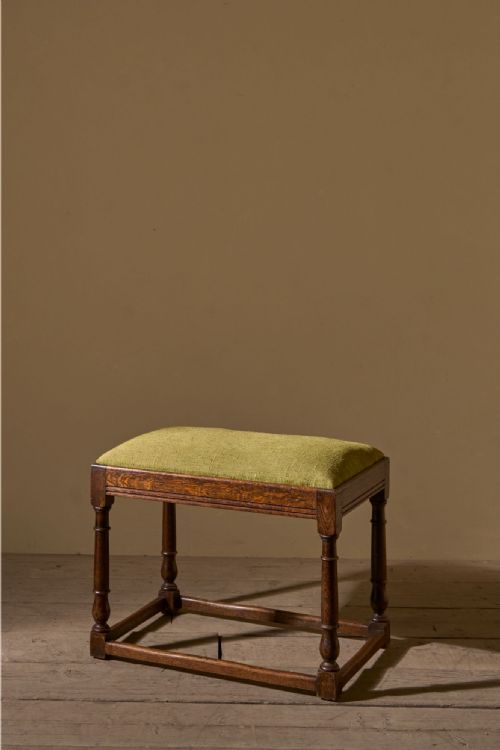
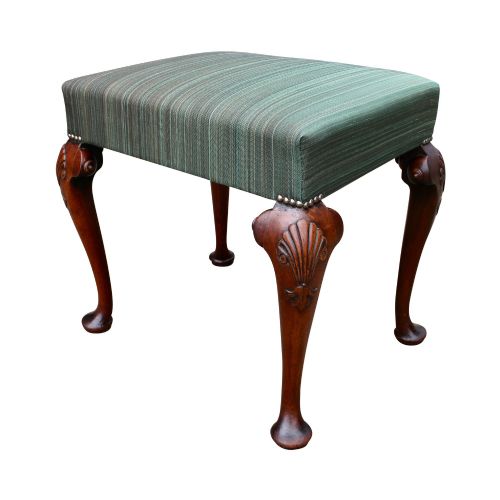
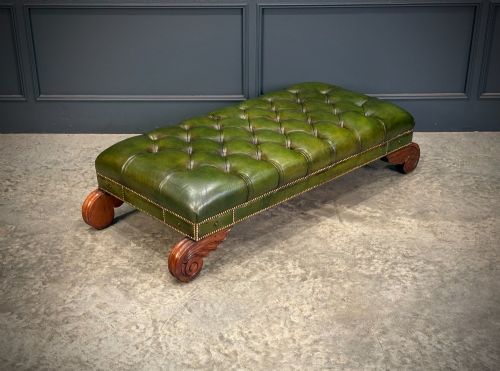
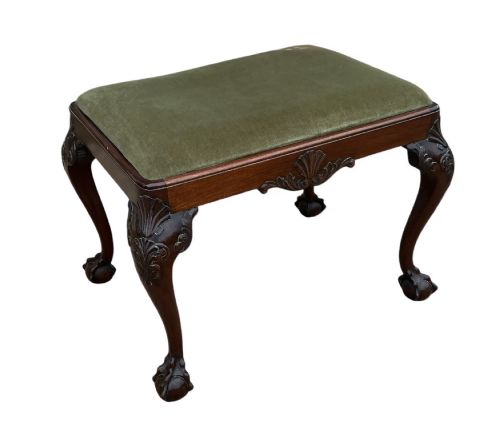
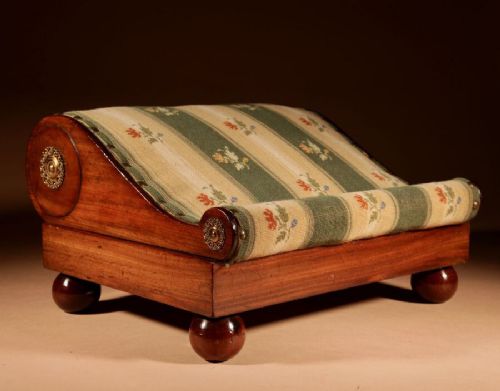
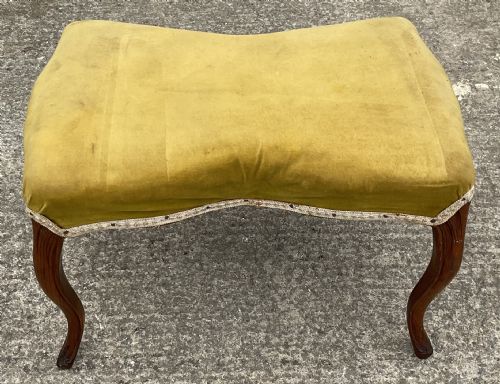
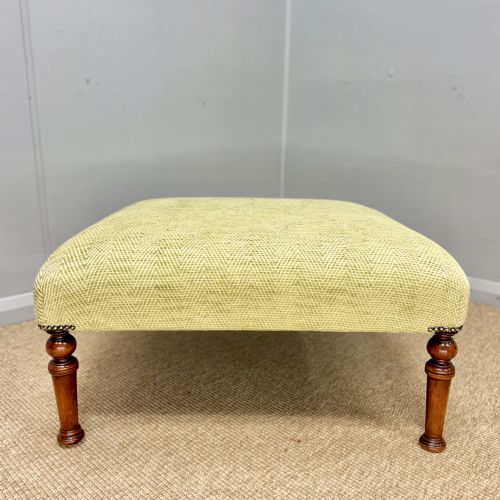
The search phrase antique green ottoman encompasses a diverse selection of low seating, footstools, and storage forms originating primarily from the nineteenth century and the Victorian era. These pieces include buttoned leather footstools, upholstered mahogany benches, and fabric-covered box ottomans designed for domestic comfort.
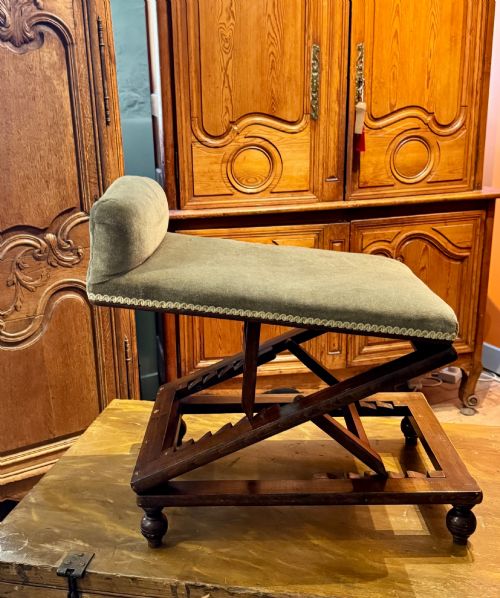
Buyers encountering this category will find solid walnut frames, mahogany structures, and stained beech supports upholstered in green fabrics such as heavy linen, leather, and velvet. Forms range from compact footstools and adjustable gout stools to longer window benches and storage chests.
How they were made
Frames rely on traditional cabinet timbers including mahogany, walnut, rosewood, oak, and pine, shaped with carved details or turned supports. Joinery techniques reflect the period, utilising stable mortise and tenon joints to secure the wooden skeletons.
Upholstery incorporates traditional materials such as wool, needlework, tapestry, chenille, and buttoned leather fixed over padding. Brass components often provide functional hardware, castors, or decorative detailing on Regency and Victorian examples.
Listings feature nineteenth-century furniture constructed from mahogany, walnut, rosewood, and pine, upholstered in wool, leather, velvet, and heavy linen.
What varies in quality
Quality rests upon the selection of timber and the precision of the frame carving, where dense hardwoods like rosewood and mahogany demonstrate superior durability compared to softer woods. The integrity of the underlying construction and the retention of original timber patination elevate certain examples.
The execution of the upholstery, from hand-stitched needlework and buttoning to the choice of heavy linen or supple leather, dictates the refinement of the piece. Proportion, balance, and the harmony between the wooden frame and its fabric covering separate standard utility items from finer parlor furnishings.
The Antique Green Ottoman Glossary
- Gout stool
- An adjustable footstool designed to elevate and support the foot for those suffering from joint ailments. These pieces often feature pivoting mechanisms to alter the angle.
- Ottoman
- A low, upholstered seat or footstool typically lacking arms and a back, sometimes configured with internal storage. The form originates from Middle Eastern design traditions.
- Cabriole leg
- A furniture leg that curves outward at the knee and tapers inward toward the foot, echoing animal limbs. This style appears frequently on walnut and mahogany seating.
- Needlework
- Hand-stitched textile decoration using yarn on a canvas mesh ground. It provides durable and patterned upholstery for nineteenth-century stools.
- Regency
- An English design period spanning the early nineteenth century characterised by classical restraint, influence from Greco-Roman forms, and dark woods like rosewood and mahogany.
Antique Green Ottoman: Frequently Asked Questions
What is an antique green ottoman?
An antique green ottoman is a nineteenth-century or early twentieth-century low seat, footstool, or storage piece upholstered in green fabric, leather, or velvet.
These items range from compact footrests and adjustable gout stools to long mahogany benches and box ottomans designed for domestic utility.
How were these pieces used originally?
They served primarily as footrests, secondary seating in parlours and bedrooms, or low benches placed beneath windows.
Box variants and storage chests also provided concealed space for blankets, linens, and personal possessions within the home.
How do I identify a Victorian piece?
Victorian examples often employ walnut, rosewood, or stained beech, frequently featuring buttoned leather upholstery, cabriole legs, or carved wooden frames.
Construction details and upholstery styles generally align with nineteenth-century manufacturing methods and domestic fashions.
What woods are most common?
Mahogany, walnut, and rosewood appear frequently in the framing of these stools and ottomans, prized for their strength and rich grain.
Softer woods like pine and beech are also utilised, particularly for internal framing, secondary elements, or painted items.