
Antique Green Dress Ring
An antique green dress ring brings together vibrant green stones and precious metals across styles from the Georgian era to the mid-century.
Antique Green Dress Ring
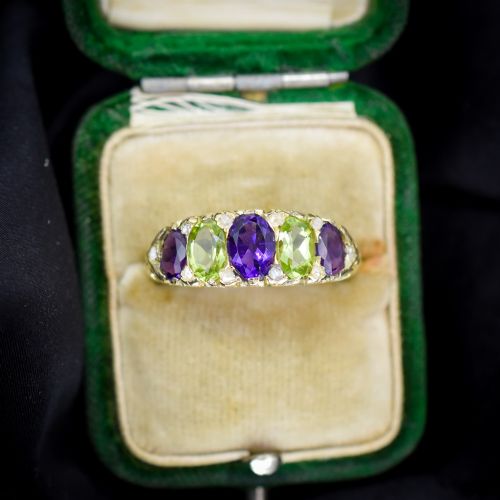
When you search for an antique green dress ring, you are looking at ornamental finger jewellery featuring green gems or paste, set in gold, platinum, or silver. The selections span the Victorian, Edwardian, and Art Deco periods, alongside mid-century and later vintage pieces.
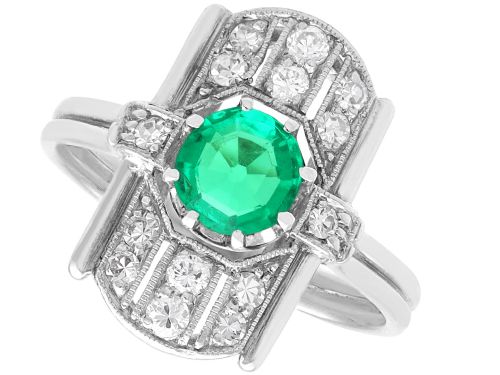
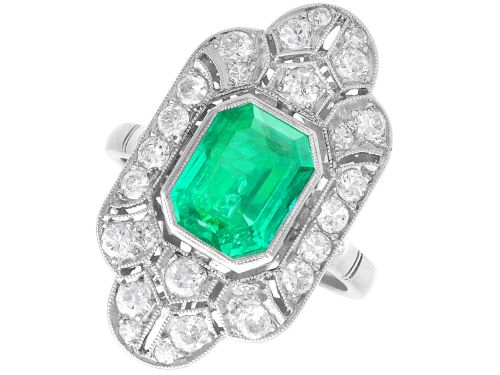
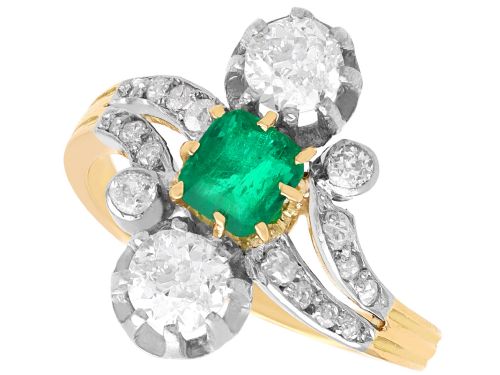
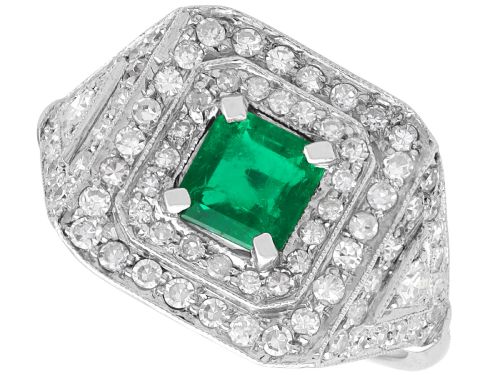
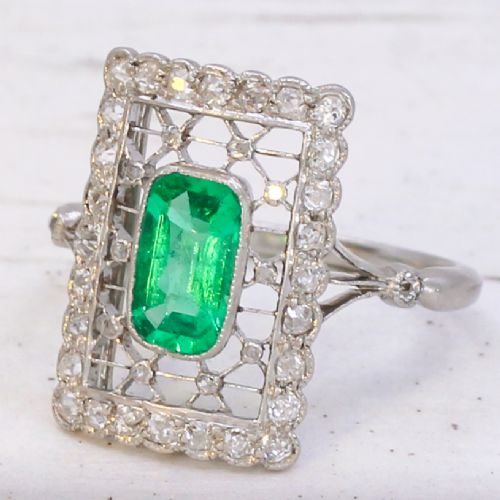
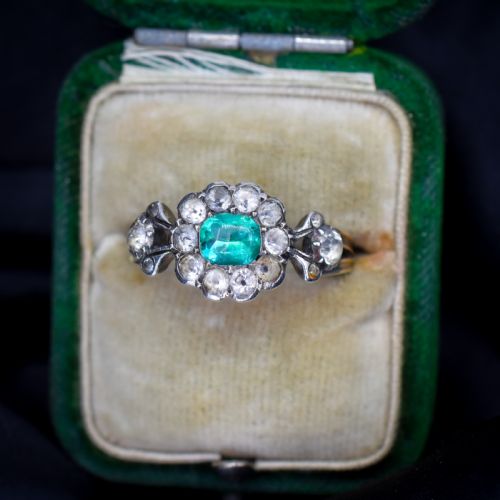
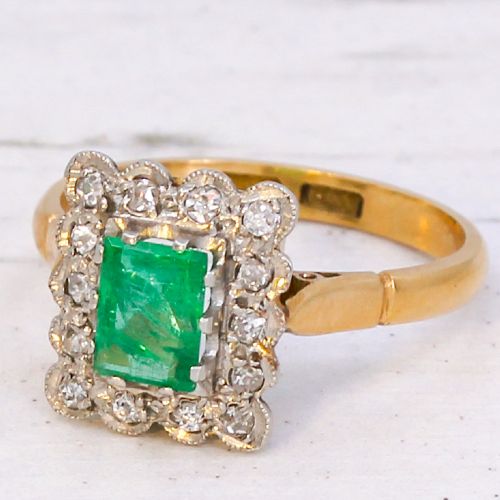
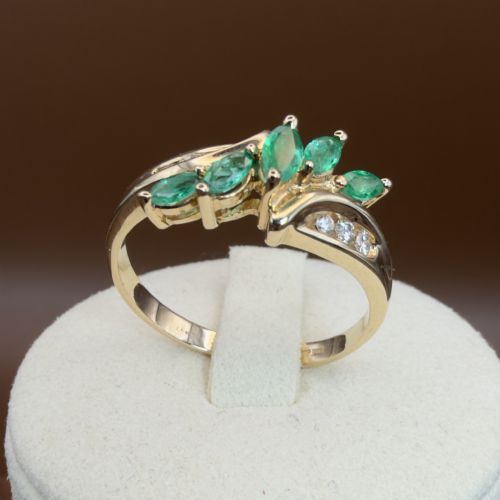
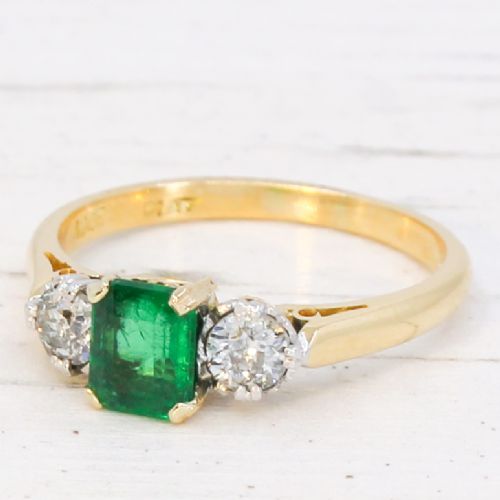
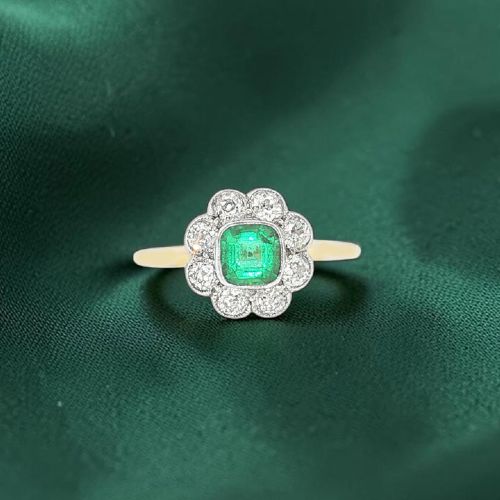
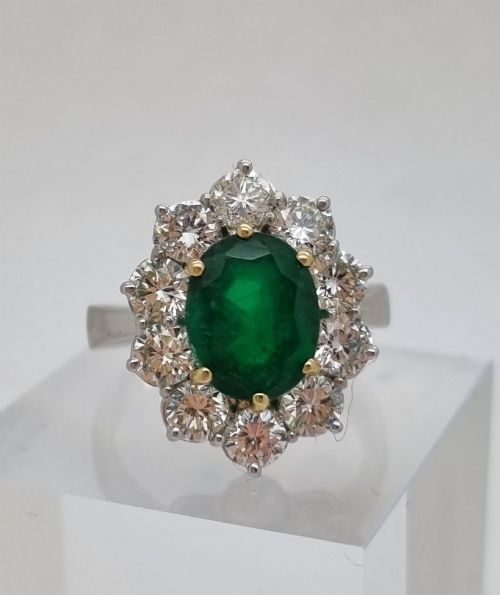
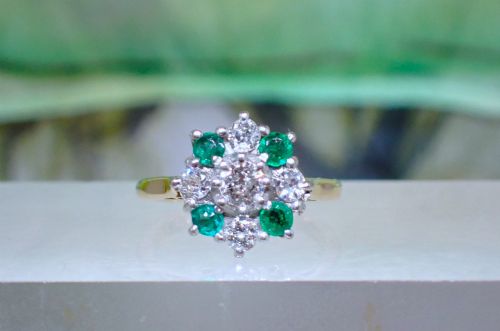
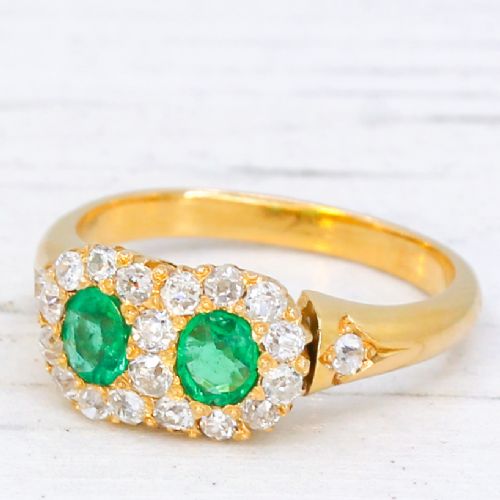
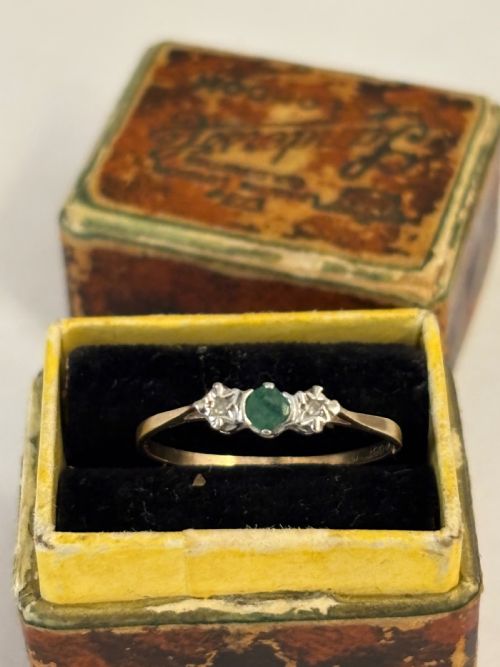
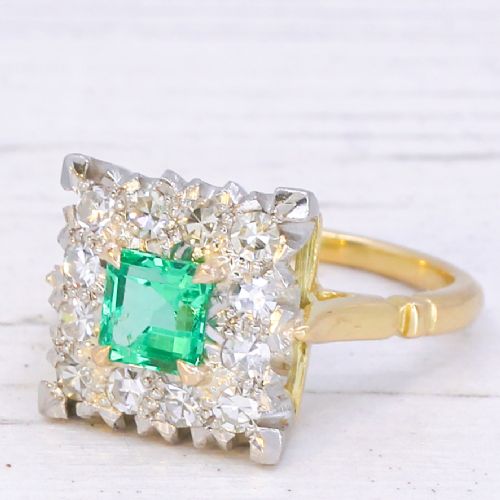
The most common form you will meet on this page is the cluster ring, where a central green stone is surrounded by diamonds. Solitaire rings, five-stone rings, and cocktail rings also appear frequently, often showcasing emeralds, jade, peridot, or paste.
Origins range widely, including specific pieces noted from French workshops and Australian settings. Alongside rings, occasional items like dressing table sets and pin dishes appear in the broader selection.
Materials and construction methods
Construction relies heavily on precious metals combined with coloured stones and diamonds. Yellow gold, white gold, 18ct gold, and platinum provide the structural framework for cluster and solitaire designs.
Gemstones are shaped using cuts such as oval, cabochon, marquis, pear, princess, and old cuts. Setting styles integrate these stones securely into detailed metalwork characteristic of early twentieth-century jewellery production.
Quality factors in green dress rings
Quality separates through the character and origin of the central green stones, such as certified Colombian emeralds compared to standard emeralds or paste. The presence and weight of surrounding old-cut diamonds further influence the stature of a piece.
The precision of period craftsmanship, from delicate Edwardian platinum settings to bold Art Deco geometric arrangements, dictates the overall refinement of the ring.
The Antique Green Dress Ring Glossary
- Cluster ring
- A ring featuring a central gemstone encircled by a group of smaller stones, typically diamonds. This arrangement maximises sparkle and visual impact.
- Cabochon
- A gemstone shaped and polished with a smooth, rounded surface rather than faceted. This cut is common in jade and certain emerald rings.
- Paste
- Faceted glass used historically as a substitute for gemstones. Georgian and antique paste jewellery possesses its own distinct collectable value.
- Solitaire
- A ring set with a single gemstone, allowing the colour and material of the central stone to dominate the design.
Antique Green Dress Ring: Frequently Asked Questions
What periods do these rings come from?
The listings span multiple eras, including the Georgian, Victorian, and Edwardian periods, as well as the 1920s and 1930s Art Deco movement. Mid-century and later twentieth-century pieces also feature.
This broad chronological range allows buyers to compare early handmade mountings with later twentieth-century manufacturing techniques.
Which green stones are most common?
Emerald is the predominant green stone found across these rings, ranging from Colombian origins to general emerald cuts. Peridot, jade, jadeite, and green paste also appear in Victorian and Art Deco examples.
Each stone type brings a different shade of green and level of transparency to the jewellery.
Are diamonds usually included?
Many of the cluster and dress rings pair green stones with old-cut or brilliant-cut diamonds. Platinum and gold settings frequently utilise diamonds to frame the central green element.
Some solitaires and band rings omit diamonds entirely, focusing solely on the metal and the primary green stone.
How do I care for an antique ring?
Antique rings require gentle handling due to their age and delicate settings. Professional cleaning and regular inspection of the claws help protect fragile stones like emeralds and pearls.
Removing the ring during manual tasks prevents unnecessary wear on older gold and platinum bands.