


Antique Green Chairs
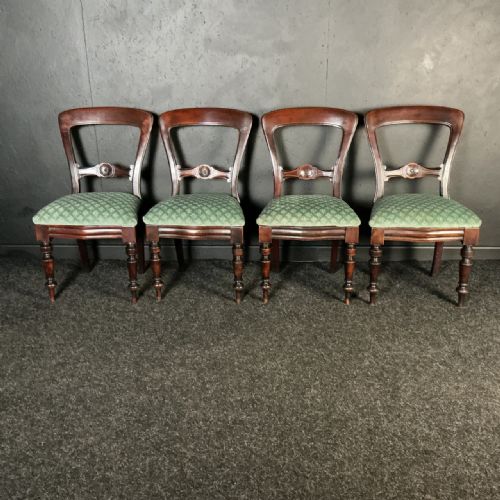
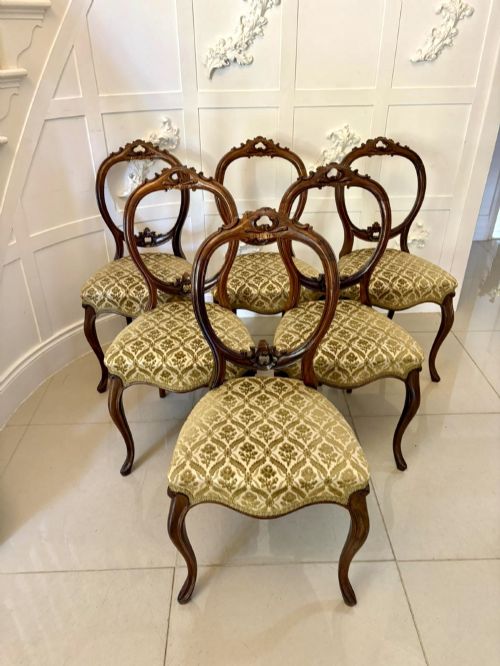
Antique green chairs bring together period timber frames and rich upholstery, offering a practical seating option with historical character.
Antique Green Chairs
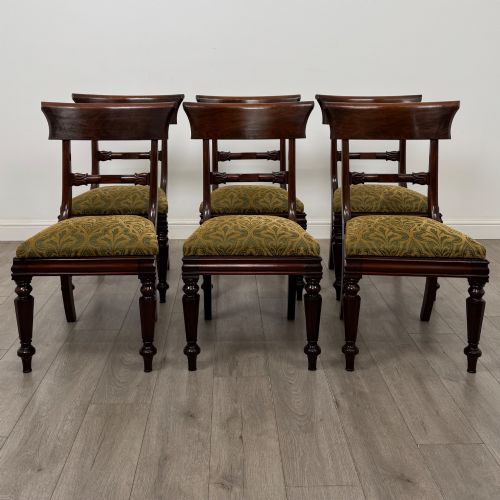
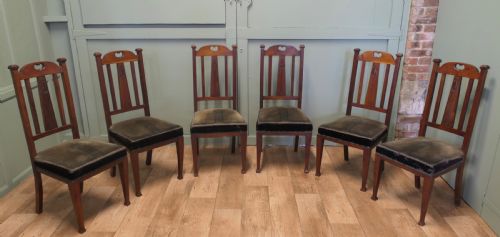
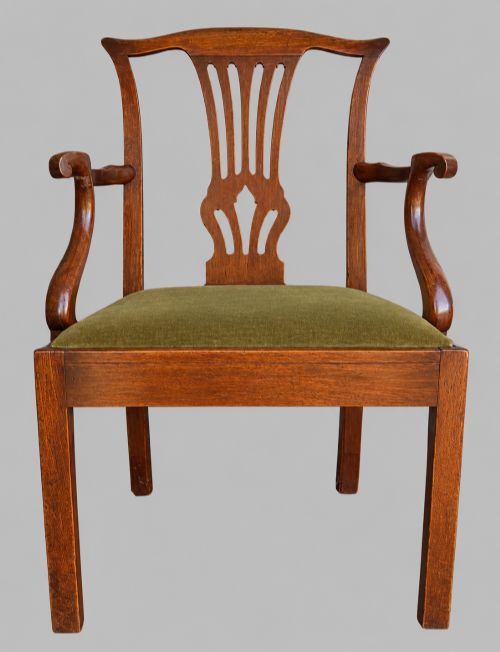
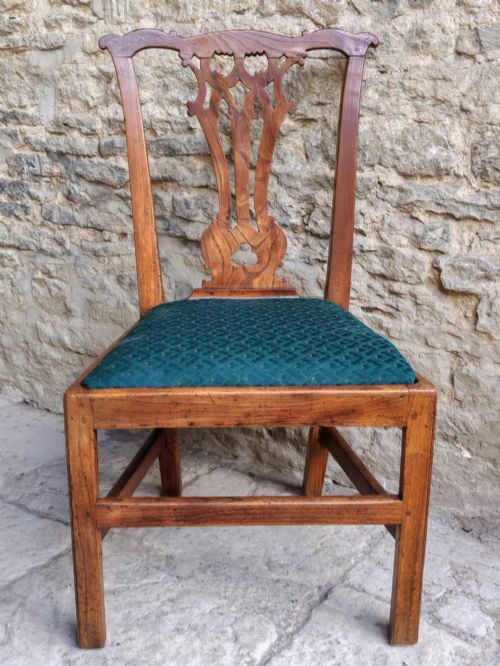
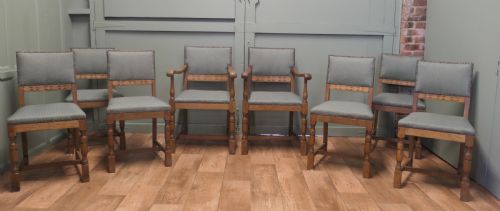
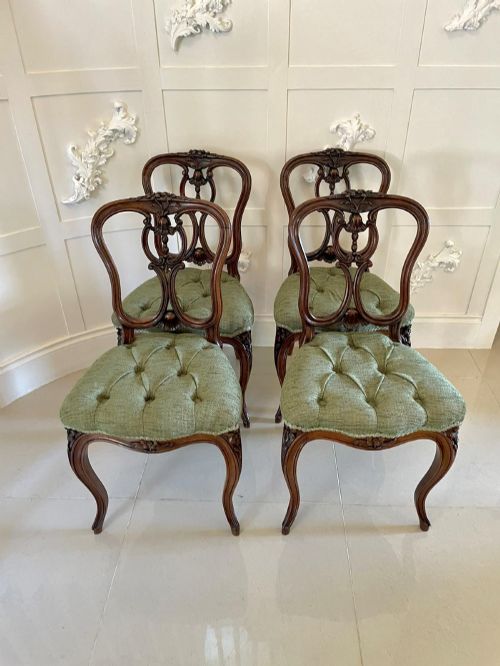
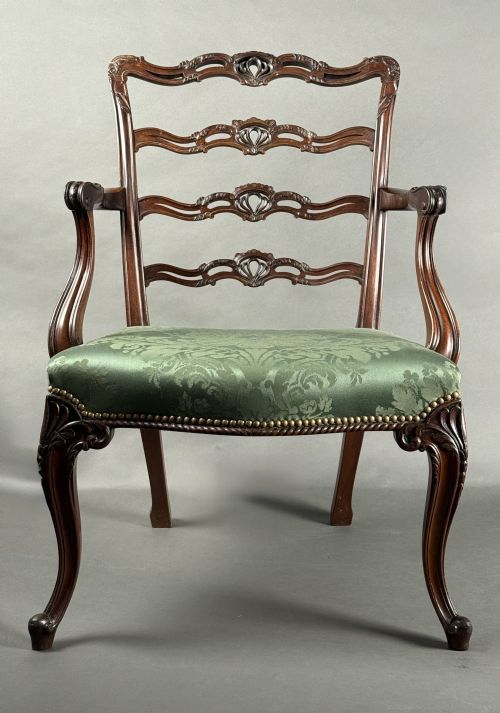
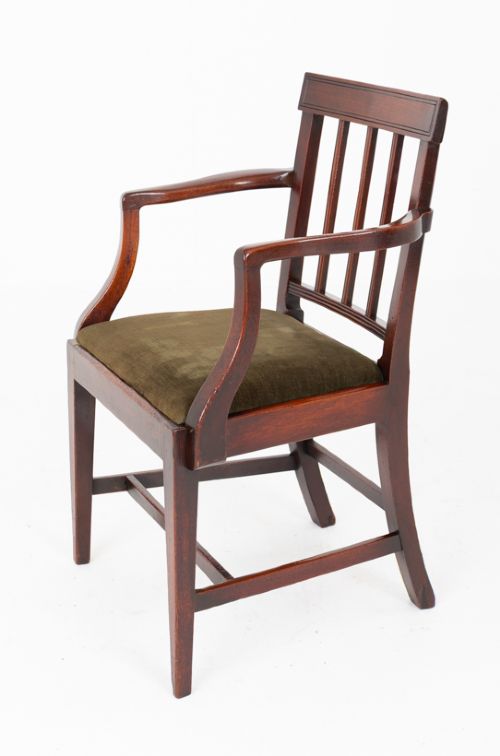
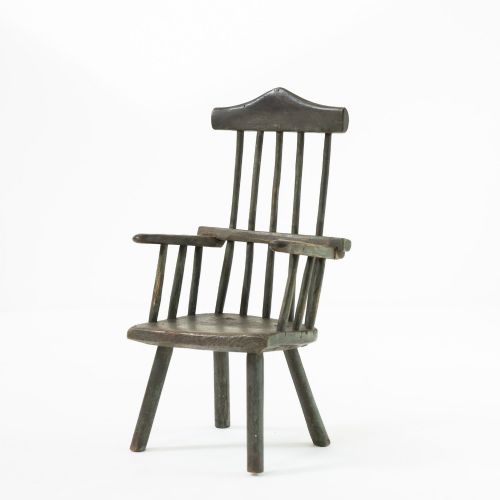
When you search for antique green chairs, you encounter seating forms ranging from nineteenth-century leather desk chairs and Victorian nursing chairs to Georgian mahogany library chairs upholstered in green leather and fabric. These pieces span eighteenth-century vernacular items, Regency library models, and Arts and Crafts golden oak dining sets, reflecting diverse historical functions.
The green upholstery on these chairs typically arrives via later reupholstery using leather, velvet, fabric, or corduroy on earlier frames, though period examples like Regency library chairs retain green leather surfaces. Dining chairs, armchairs, side chairs, and desk chairs dominate the forms, alongside sets intended for formal dining rooms and studies.
Materials and construction
Frames rely heavily on traditional timbers such as mahogany, walnut, oak, elm, and satinwood, joined using period techniques like mortise and tenon or wood carving. Cabinetmakers shaped structural supports from hardwoods, often integrating brass hardware and cane seating into specific styles.
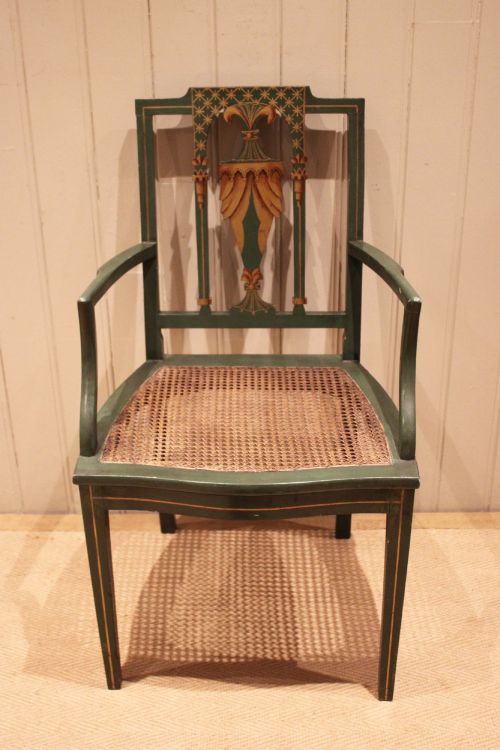
Upholstery materials include leather, velvet, fabric, and corduroy secured to internal padding systems. Surface treatments range from polished wood finishes to painted surfaces on styles such as the Hepplewhite painted cane seated chair.
Listings feature oak, mahogany, walnut, and satinwood alongside brass, velvet, leather, and fabric across nineteenth and eighteenth-century periods.
Assessing quality in construction and material
Quality reveals itself in the selection of timber and the precision of the carving, where dense mahogany or figured walnut frames display crisp detail rather than soft moulding. The choice of primary wood and the integrity of the joinery dictate the longevity of the frame.
Upholstery execution alters the character of the piece, with fine leather or fabric application matching the formal requirements of the original period style. The harmony between the timber frame and the covering material separates standard utility pieces from finer salon and library seating.
Jacob-Desmalter
The Antique Green Chairs Glossary
- Mahogany
- A durable reddish-brown tropical hardwood utilised extensively for furniture frames during the Georgian and Victorian periods. Its stability made it the preferred choice for dining and library chairs.
- Fauteuil
- An open-armed upholstered armchair with exposed wooden sides originating in French design. These pieces often feature carved giltwood frames.
- Wingchair
- An armchair with high sides and wings designed to shield the occupant from drafts. Early examples often incorporate leather upholstery.
- Library chair
- A heavy, stable armchair designed for reading rooms, frequently fitted with green leather upholstery and robust wooden frames.
- Arts and Crafts
- A design movement prioritising traditional craftsmanship and simple forms, frequently represented here by golden oak dining chairs.
Antique Green Chairs: Frequently Asked Questions
What periods do these green chairs come from?
The pieces span the eighteenth century through to the early twentieth century, encompassing Georgian, Regency, Victorian, and Arts and Crafts eras.
Craftsmen built these chairs across successive design movements, utilising prevailing regional styles and timbers appropriate to each decade.
Are the green leather seats original?
Leather upholstery on antique desk and library chairs is frequently a later replacement, though certain Regency and Victorian pieces retain period hide.
Sourcing green fabric or leather allows contemporary users to match historical interiors while preserving the structural timber frame underneath.
How do I use a desk chair daily?
Antique desk chairs, including revolving office models and library armchairs, provide sturdy seating for modern workspaces when paired with appropriate desk heights.
Their solid wood frames and upholstered pads offer daily utility without sacrificing period aesthetics in a study.
How do I distinguish Georgian from Victorian chairs?
Georgian chairs tend to feature restrained mahogany or walnut frames with classical proportions and understated carving, typical of the eighteenth century.
Victorian pieces often display heavier proportions, darker walnut or mahogany finishes, and more elaborate revival ornamentation.