



Antique Green Bowl
An antique green bowl brings verdant depth to a table, uniting centuries of ceramic craft and glassmaking through rich botanical hues.
Antique Green Bowl
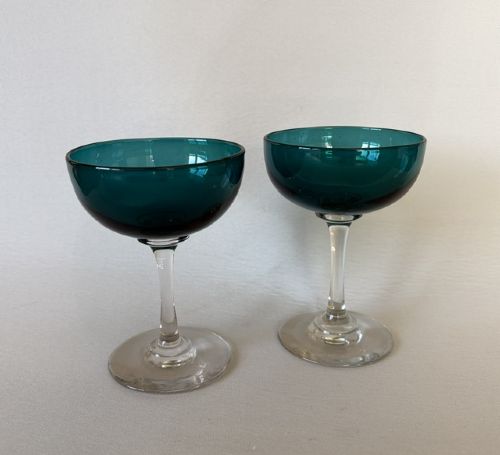
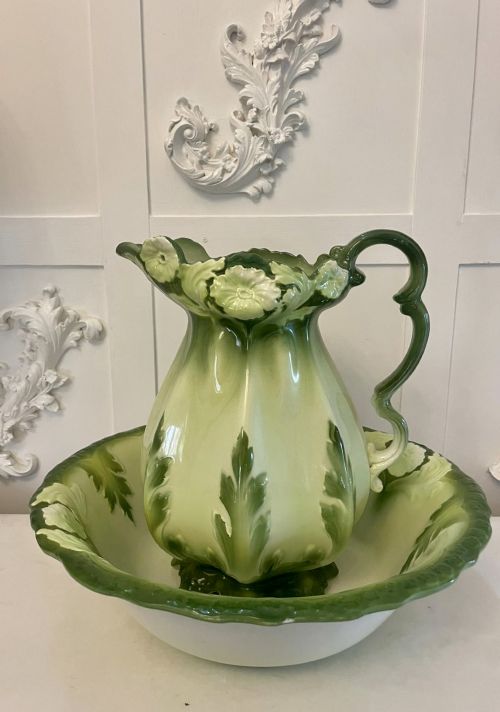
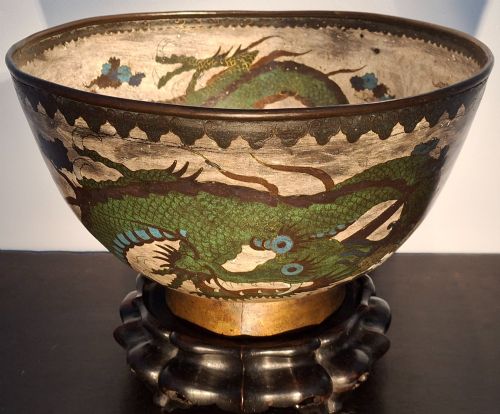
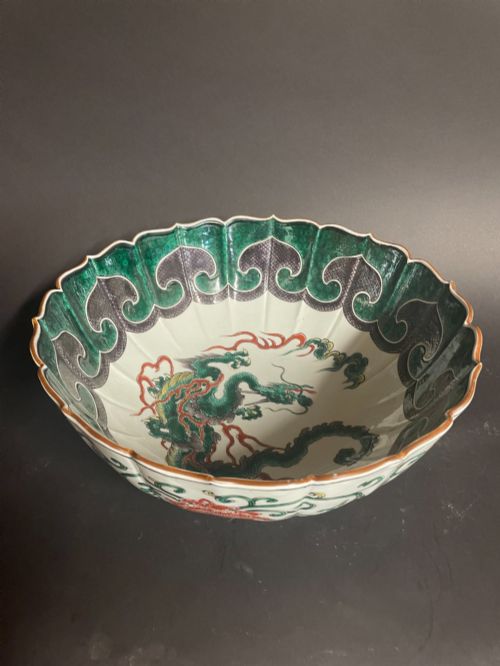
The search for an antique green bowl opens up a diverse world of utilitarian vessels and decorative display pieces spanning multiple centuries and continents. You encounter everything from robust earthenware and delicate porcelain to vibrant uranium glass and cloisonne enamel. Chinese export porcelain, Victorian majolica, and Japanese Meiji pottery frequently appear within this selection.
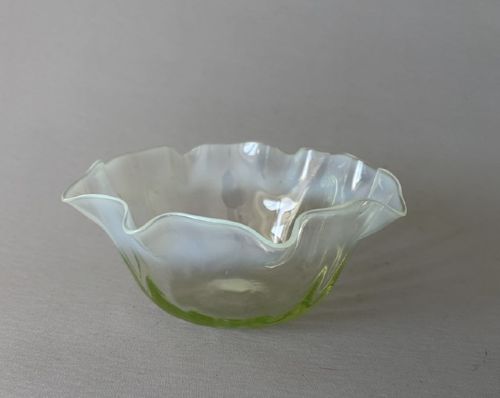
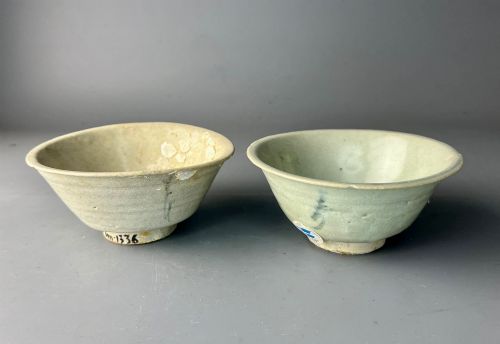
Vessels take many forms, including large centrepieces, pedestals, finger bowls, and deep serving dishes. The green coloration ranges from pale celadon and olive to striking vaseline tones and deep Canton enamels. These objects reveal how different eras utilised copper oxides and mineral pigments to achieve distinct botanical shades.
Materials and construction methods
Pottery items rely on earthenware, stoneware, or porcelain bodies shaped by hand or wheel, then finished with coloured glazes or majolica lead-tin enamels. Makers of Japanese Sumida Gawa pieces applied figures in relief directly onto the ceramic body before firing.
Glass vessels employ lead or uranium formulations blown into moulds or free-formed, sometimes paired with silver-plated mounts. Cloisonne works build intricate designs using wire soldered to metal bases, filling the compartments with vitreous enamel pastes prior to kiln firing.
Antique Green Bowl Retail Price Guide 2026
Typical asking prices for green bowl among the pieces listed under this phrase on Sellingantiques today, from the lower quarter to the upper quarter. They describe what is for sale here now, not the wider market.
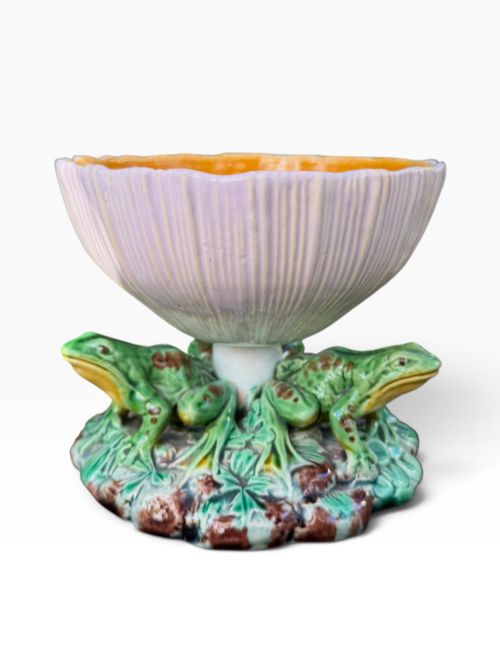
Several Victorian pieces feature cheerful frogs peering out from majolica baskets, proving that 19th-century table decor had a wonderfully amphibious sense of humour.
Distinctions in craftsmanship and finish
Quality rests upon the precision of the form, the evenness of the glaze or enamel application, and the clarity of painted details. Superior porcelain and pottery display sharp underglaze painting and well-defined relief work without surface pooling or firing cracks.
Metal mounts and silver plating show distinction through crisp chasing and secure joinery. Glassware quality appears in the depth of colour and the absence of heavy internal bubble distortion, reflecting the skill of the blower and cutter.
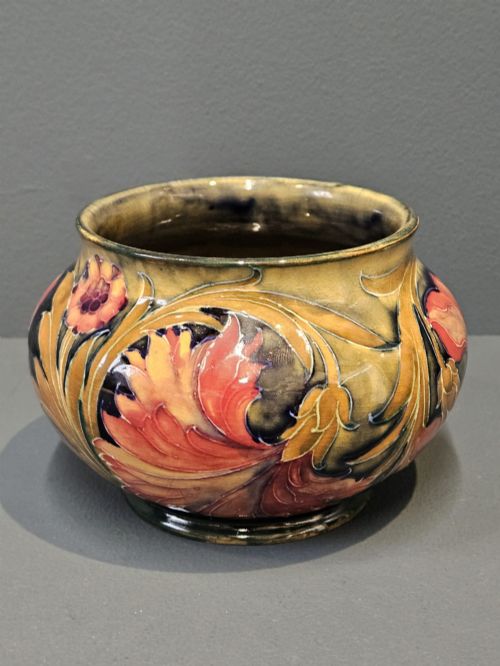
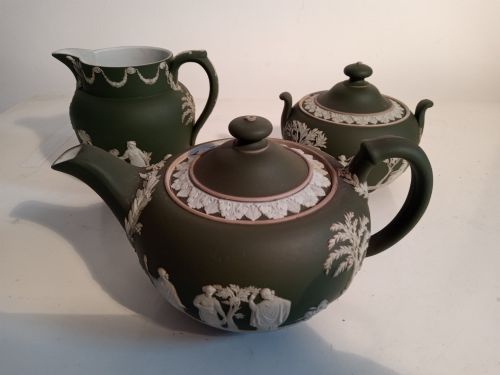
Minton·Moorcroft·Wedgwood·Royal Doulton·George Jones
The Antique Green Bowl Glossary
- Celadon
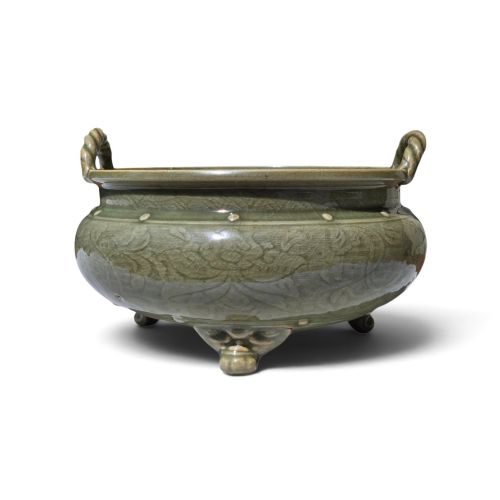
- A pale green jade-like ceramic glaze originating in East Asia. It achieves its characteristic muted colour from iron oxide fired in a reduction kiln.
- Majolica
- A type of earthenware covered with an opaque lead glaze and painted with metallic oxide colours. Victorian versions often incorporate naturalistic plant and animal motifs in high relief.
- Cloisonne
- A metalwork technique where fine wires form raised barriers on a surface to contain coloured enamel pastes. Subsequent firings fuse the glass powder to the metal foundation.
- Vaseline glass
- A transparent yellowish-green glass containing small amounts of uranium dioxide. It glows brightly under ultraviolet light.
- Gaiwan
- A traditional Chinese lidded bowl used for steeping and drinking tea. It consists of a saucer, bowl, and lid.
Antique Green Bowl: Frequently Asked Questions
Can I use an antique bowl for food?
Most antique ceramic and glass vessels serve best as decorative display pieces rather than daily tableware. Historic glazes, particularly on older earthenware and majolica, may absorb liquids or contain materials unsuitable for modern dietary standards.
Examine the interior surface for heavy wear or crazing before considering any culinary use. Displaying them empty or using them for dry items preserves the glaze integrity.
What causes the colour in uranium glass?
Glassmakers added trace amounts of uranium to the glass batch during melting to produce a distinctive yellow-green tint. This practice was common in nineteenth-century Bohemia and England.
The resulting glass exhibits a vibrant fluorescent glow when placed under a blacklight. The uranium content is extremely low and stable within the glass matrix.
How do I identify Chinese export green porcelain?
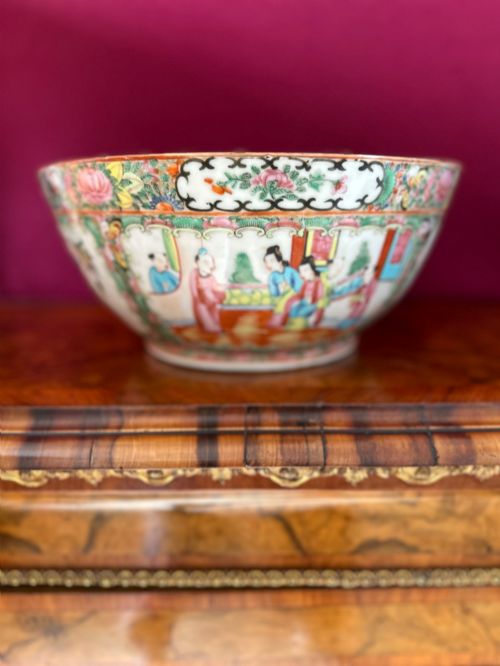
Look for characteristic underglaze blue and famille verte or Canton enamel palettes applied to porcelain bodies. These items often feature floral sprays, figures, or dragons produced for Western markets during the Qing dynasty.
Inspect the foot ring and base for signs of age, such as kiln grit adhesion and hand-finished potting irregularities. Stylistic motifs and reign marks offer further clues to their specific production period.