

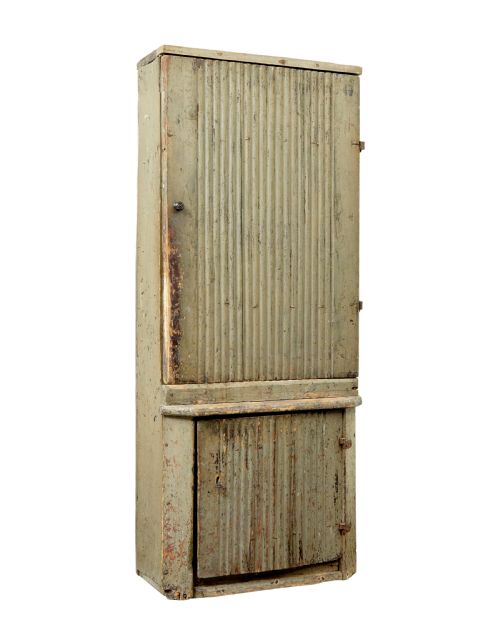
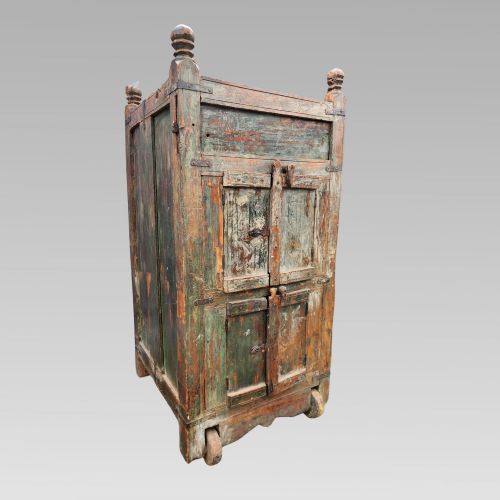


Antique Green Armoire
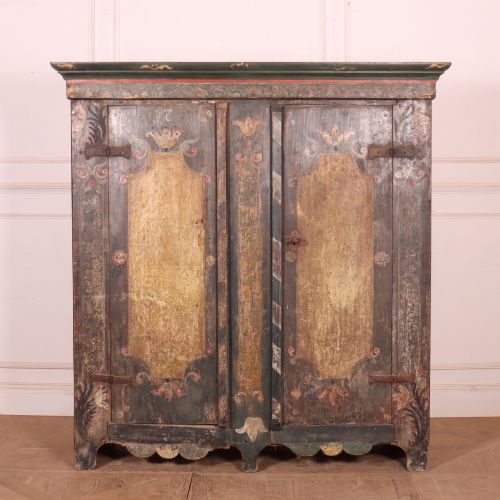
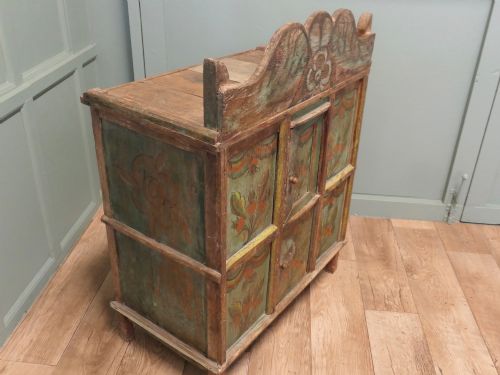
An antique green armoire brings architectural presence and generous storage into a room, spanning rustic pine country pieces and refined Georgian painted wardrobes.
Antique Green Armoire
When you search for an antique green armoire, you encounter substantial storage furniture finished in various shades of green paint, ranging from original surface remnants to later decorative coats.
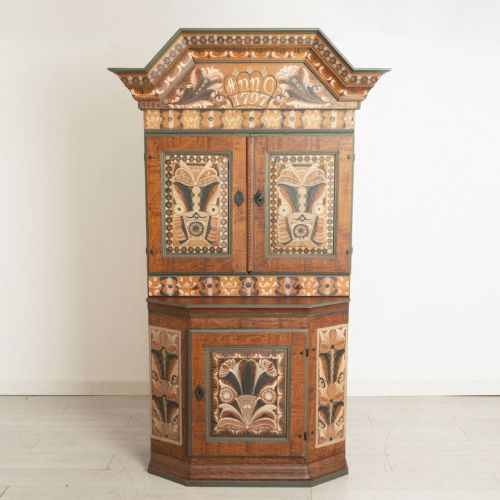
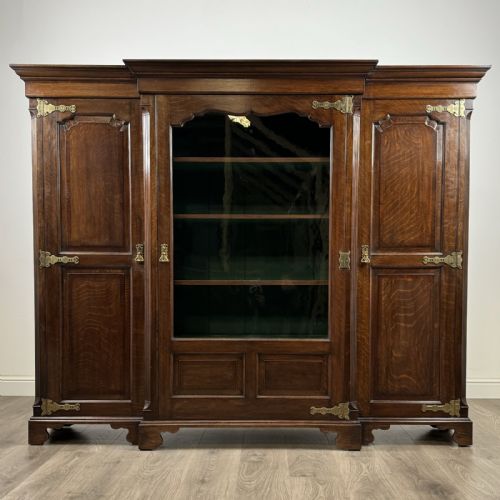
The pieces appearing on this page encompass multiple periods, most notably the nineteenth century, Georgian era, and Edwardian period, alongside styles such as Scandinavian country and rustic farmhouse.
Forms vary widely from tall wardrobes and housekeepers cupboards to compactum presses and linen cupboards, originating from workshops across England, Sweden, Ireland, and beyond.
Materials and construction
Construction relies primarily on sturdy timber frameworks, predominantly utilising pine and oak, alongside functional elements formed from brass, iron, and glass.
Surfaces receive decorative treatments of paint, while certain regional pieces incorporate carved details that define their specific stylistic origins.
Antique Green Armoire Retail Price Guide 2026
Typical asking prices for green armoire among the pieces listed under this phrase on Sellingantiques today, from the lower quarter to the upper quarter. They describe what is for sale here now, not the wider market.
The selection spans pieces from the eighteenth century through the Edwardian period, including Scandinavian and Georgian regional designs.
Assessing quality and character
Quality reveals itself in the integrity of the timber construction and the authenticity of the painted surface, whether an early original finish or a sympathetic later application.
Proportion and decorative carving separate standard storage pieces from finer examples, such as Swedish hall wardrobes or Georgian housekeeper cupboards with distinct architectural lines.
The Antique Green Armoire Glossary
- Armoire
- A large wardrobe or cupboard used primarily for hanging or folding garments. These pieces often feature double doors enclosing deep internal shelving or hanging space.
- Linen press
- A tall storage cabinet traditionally designed for storing household linens and textiles. Upper sections typically house sliding trays, whilst lower compartments provide drawer storage.
- Housekeeper cupboard
- A large utilitarian storage unit used in traditional homes for provisions and household goods. They often combine upper cupboard space with lower drawers.
- Almirah
- A traditional freestanding cupboard or wardrobe originating from South Asia. These storage pieces often incorporate substantial timber construction and distinctive panel doors.
Antique Green Armoire: Frequently Asked Questions
How do I use an antique green armoire in a modern bedroom?
An antique green armoire provides substantial hanging and shelving capacity, serving as a primary wardrobe in rooms lacking fitted closets.
Its painted surface introduces colour and texture, anchoring the room as a standalone focal point against neutral walls.
How do I date an antique painted cupboard?
Dating relies on examining construction methods, timber types, and hardware such as hinges and locks. Secondary characteristics include the composition of the paint layers.
Earlier pieces from the eighteenth and early nineteenth centuries often display hand-planed internal boards and traditional joinery techniques distinct from later Edwardian production.
What is the difference between an armoire and a linen press?
An armoire is primarily designed as a wardrobe for hanging clothes behind full-length doors. A linen press traditionally incorporates internal sliding trays or shelves rather than a deep hanging space.
Both serve as major storage items but cater to different organisational needs within domestic spaces.
Are painted finishes on these cupboards original?
Painted finishes vary between untouched original surfaces, early historic overpaint, and later decorative applications. Examining the wear patterns and pigment integration helps determine the age of the paint layer.
Many period pieces received fresh coats of green paint during subsequent centuries to suit changing interior tastes.