

Antique Gouache Art
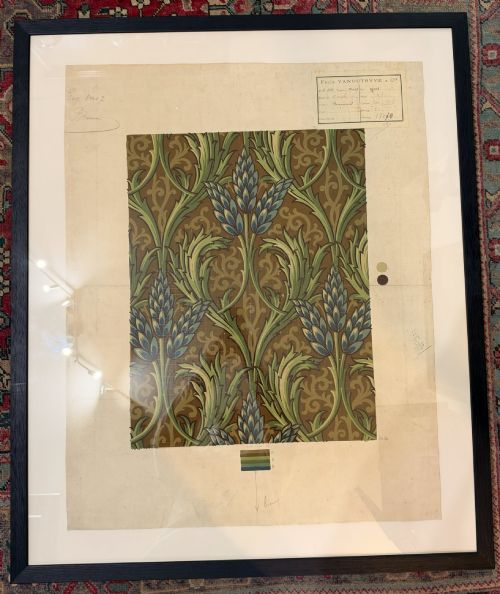
Antique gouache art encompasses works on paper, silk and pith paper rendered in opaque watercolour, spanning botanical studies, maritime scenes and portraits from the eighteenth century onwards.
Antique Gouache Art
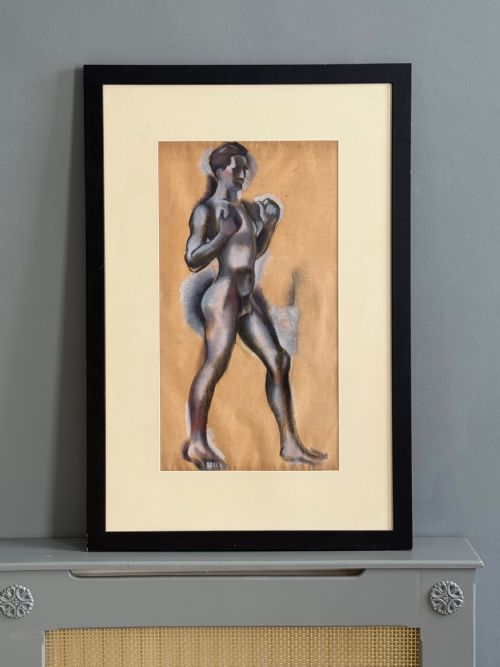
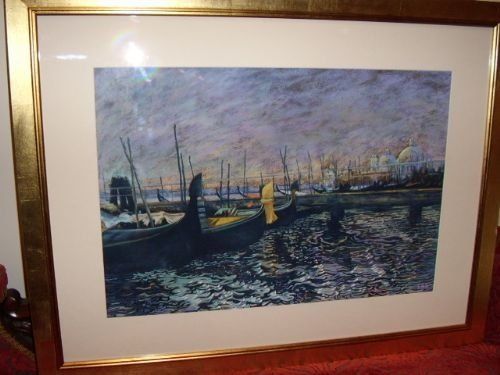
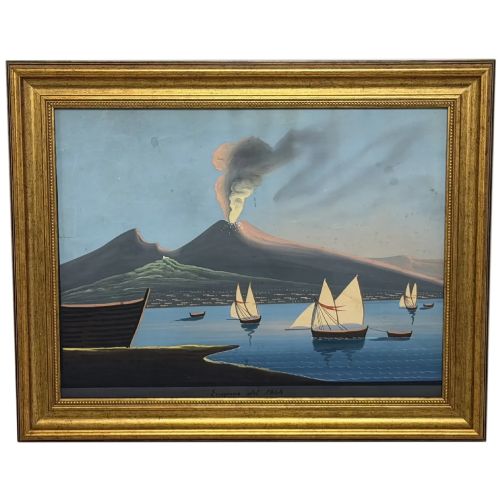
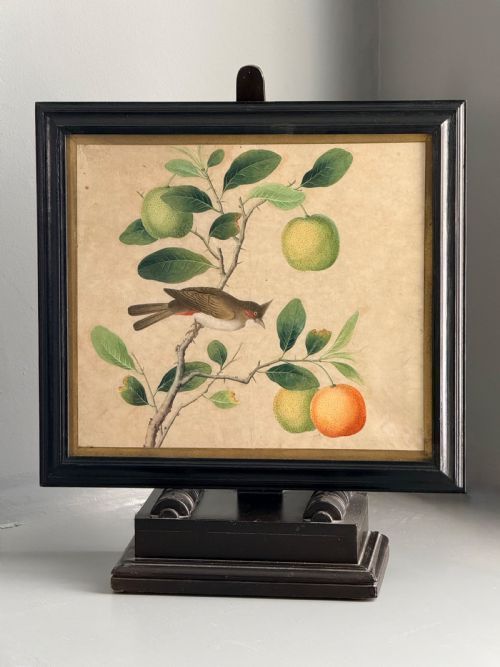
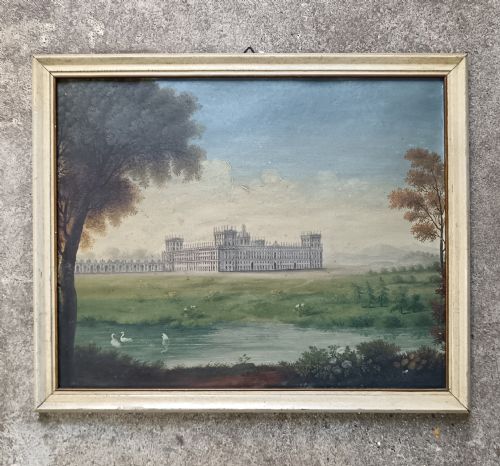
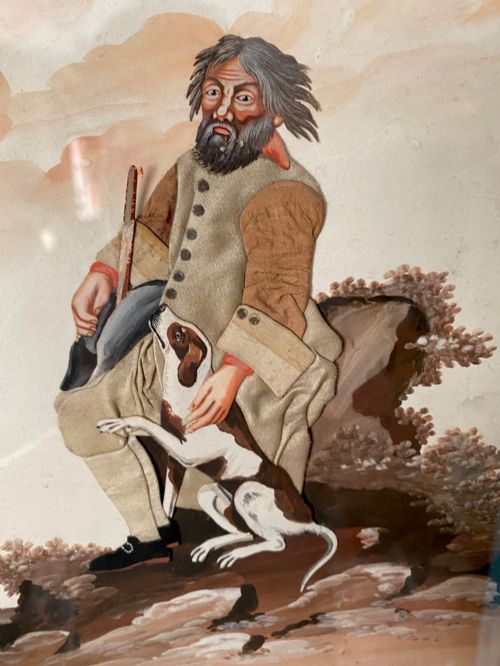
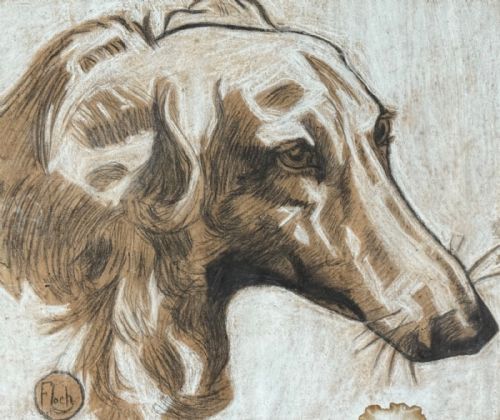
When you search for antique gouache art, you encounter a diverse selection of works on paper, silk and pith paper spanning several centuries. The inventory ranges from delicate botanical studies and portrait miniatures to expansive maritime scenes and still life compositions.
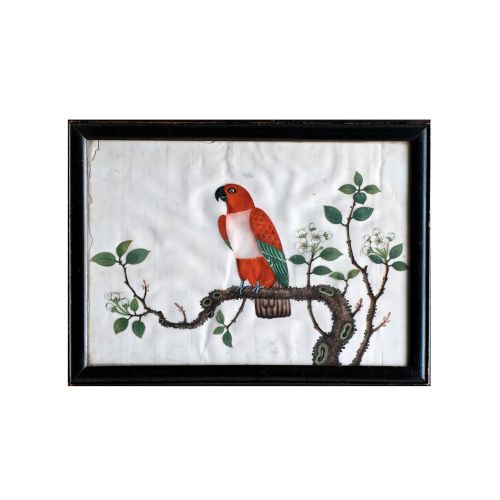
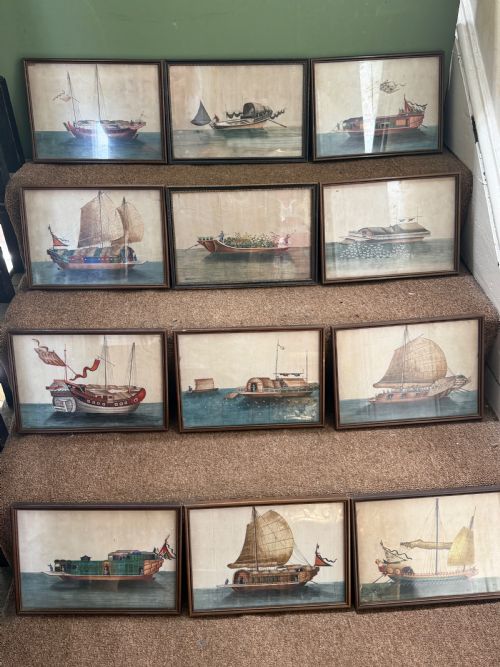
You are most likely to meet nineteenth-century English and European works, alongside Chinese Export and Qing Dynasty pith paper paintings. These pieces often combine gouache with watercolour, pencil, ink or pastel to achieve rich colour and opaque density.
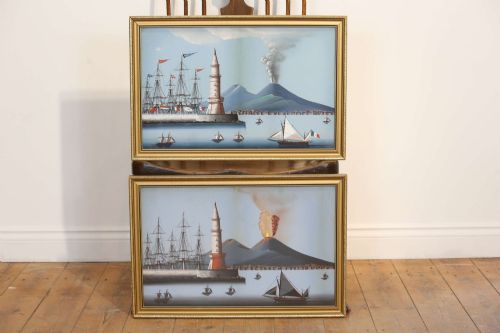
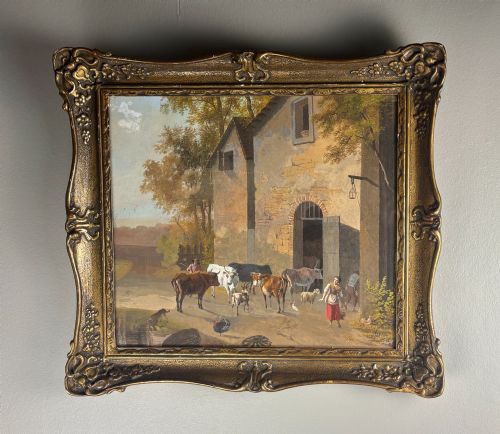
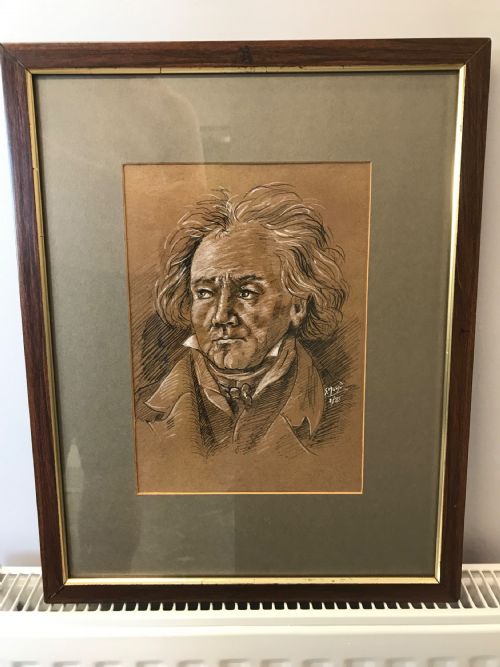
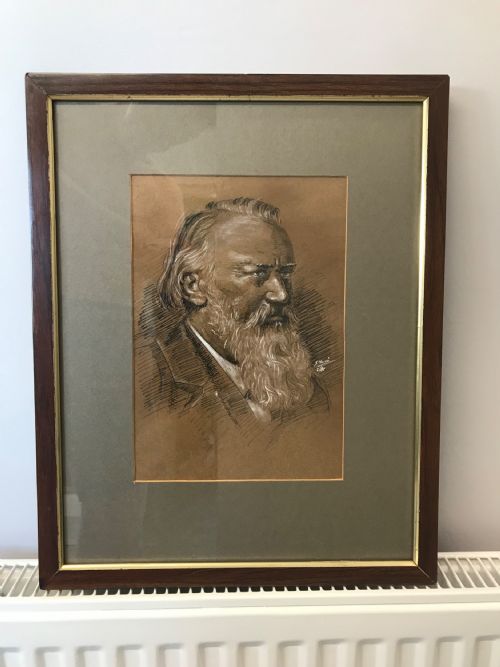
Subject matter varies widely from classical mythological scenes and regal portraits to military vessels and tranquil rural landscapes. Many examples arrive framed in period wood and glass settings that complement the original artwork.
Materials and techniques
Artists utilise gouache, an opaque form of watercolour bound with gum, to create works that possess a heavier, more saturated pigment layer than standard watercolours. This medium frequently appears alongside watercolour, ink, pastel and pencil on diverse supports including paper, buff paper, silk and fragile pith paper.
Support materials dictate much of the handling and survival of these pieces, with pith paper requiring particular care due to its delicate cellular structure. Wood and glass frames protect the vulnerable surfaces of works executed on paper and silk from atmospheric damage.
Antique Gouache Art Retail Price Guide 2026
Typical asking prices for gouache art among the pieces listed under this phrase on Sellingantiques today, from the lower quarter to the upper quarter. They describe what is for sale here now, not the wider market.
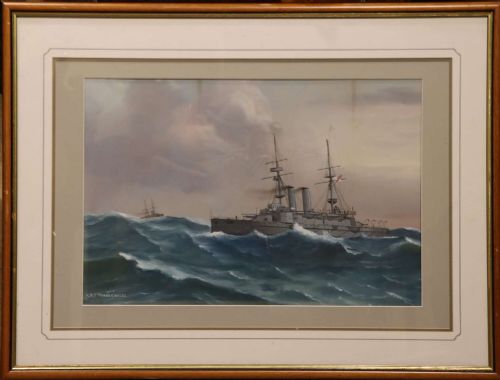
Several Victorian sailors used gouache to paint sentimental portraits of their ironclad warships as floating tributes to their mates.
Distinctions in quality
The top of the range is distinguished by the surety of the draughtsmanship and the stability of the pigment layer across the support. Masterly control of opaque gouache allows artists to build fine detail without cracking or flaking the paint surface.
Condition and framing also separate exceptional pieces from ordinary examples, particularly when original period wood and glass remain intact. Works that retain vibrant colour saturation and precise line work command greater attention than faded or distressed alternatives.
Emma Kendrick·Kershaw Schofield·Vincenzo D Esposito·Alice Anne Renshaw·Joseph Knight
The Antique Gouache Art Glossary
- Gouache
- A water-soluble paint consisting of pigment, water, and a binding agent such as gum arabic, rendered opaque by the addition of inert white pigment. This medium dries to a matte, velvety finish.
- Pith paper
- A delicate material traditionally manufactured from the pith of the Tetrapanax papyrifer plant in China. It possesses a velvety texture that absorbs gouache pigments with exceptional brilliance.
- Chinese Export
- Art produced in China specifically for Western markets, often depicting local flora, fauna, junks and figural scenes. These works blend traditional Asian media with Western compositional tastes.
- Wash
- A thin, fluid layer of diluted paint or ink applied across a paper support to create smooth background tones or atmospheric shadow. It frequently serves as a foundation before the application of heavier gouache details.
Antique Gouache Art: Frequently Asked Questions
What is antique gouache art?
Antique gouache art consists of paintings and drawings created using opaque watercolour on supports such as paper, silk and pith paper. These works date from earlier centuries and include botanical studies, portraits and landscapes.
The medium provides a dense, matte finish that distinguishes these pieces from standard transparent watercolour works. Many survive in period frames that reflect their original era.
How should I display these pieces?
These works require protection from direct sunlight to prevent the gouache pigments and paper supports from fading over time. Hanging them in rooms with stable humidity levels helps preserve fragile materials like pith paper and silk.
Keeping the original wood and glass framing intact shields the delicate paint surface from dust and physical contact. Proper placement ensures the artwork remains stable for generations.
How do I identify Chinese Export pieces?
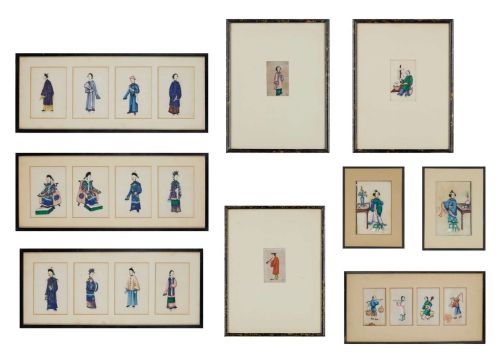
Chinese Export works often feature subjects such as trading junks, figural studies and botanical specimens executed on pith paper or silk. These pieces frequently show distinct stylistic conventions developed for Western buyers during the Qing dynasty.
The use of pith paper, characterised by its spongy texture and vibrant pigment absorption, serves as a strong indicator of this origin. Detailed mounting and traditional framing often accompany these imported works.
Are these works painted on paper?
While many examples utilise standard paper or buff paper, others are created on delicate pith paper or fine silk. Each support material reacts differently to the opaque gouache medium and requires specific preservation approaches.
Pith paper paintings are particularly notable for their fragile cellular structure and luminous colour retention. Silk supports offer a smooth, reflective surface that enhances the depth of the pigment.