

Antique Gothic Wood Carving
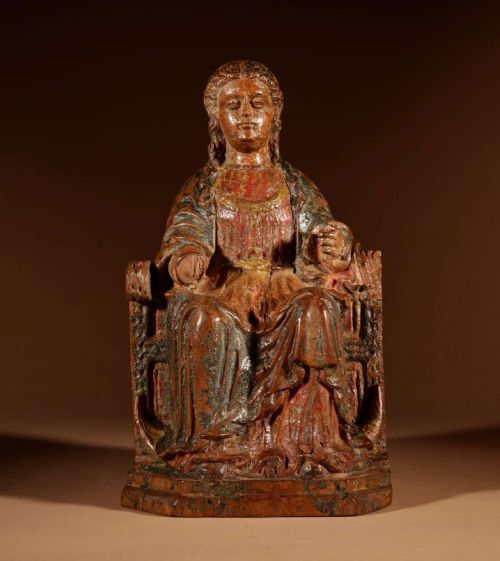
These heavy timber panels, panels and ecclesiastical furnishings form the core of antique gothic wood carving, bringing medieval structural depth into domestic spaces.
Antique Gothic Wood Carving
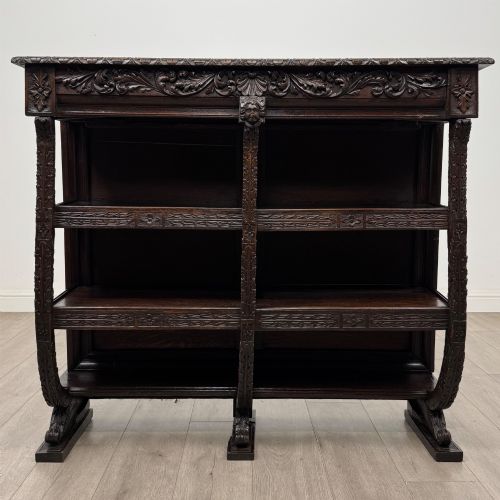
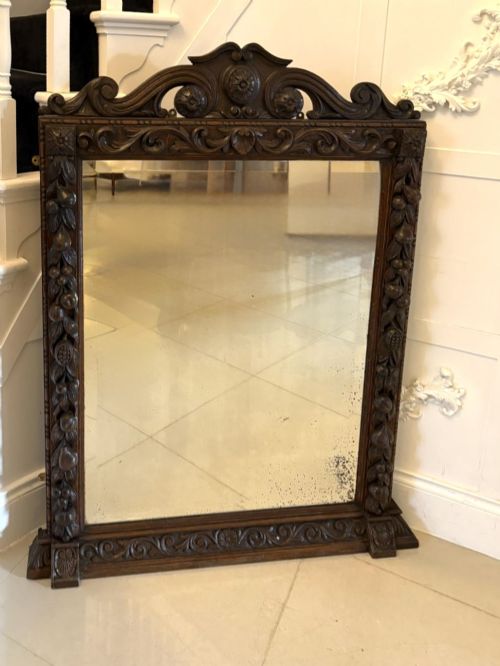
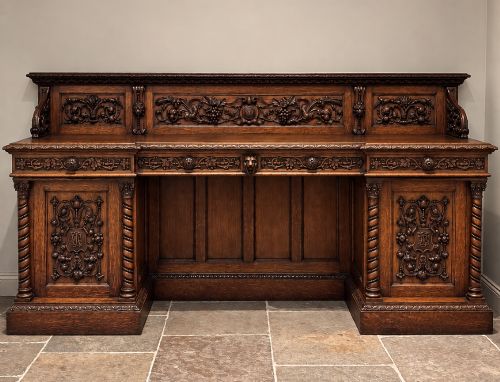
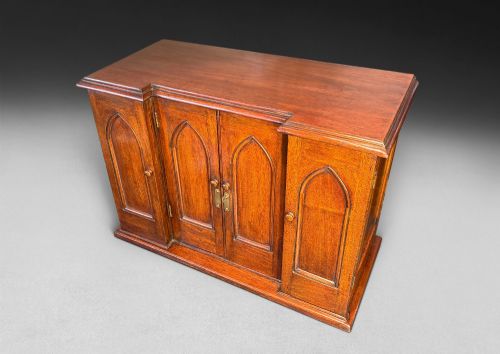
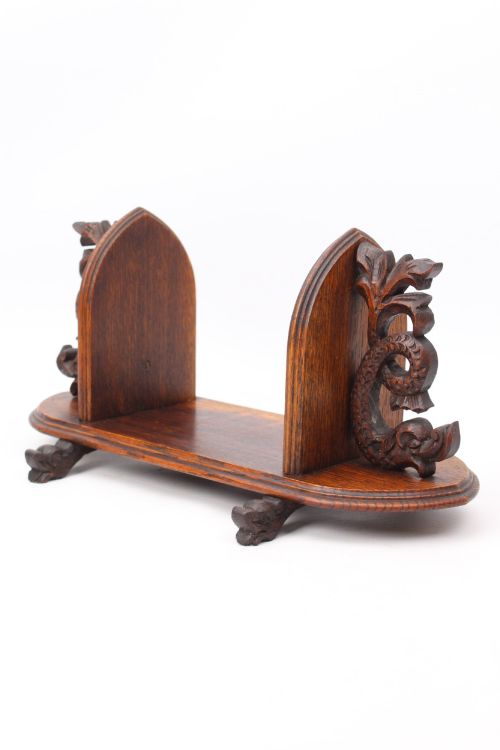
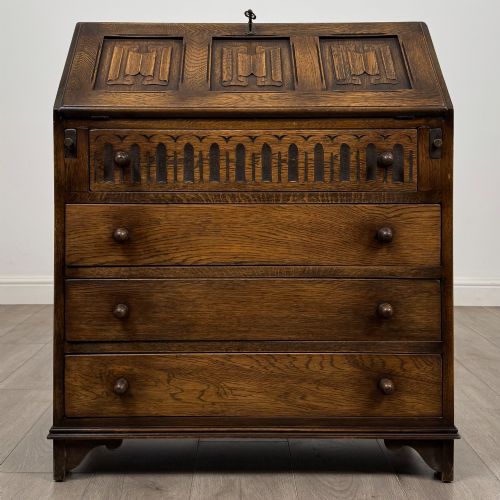
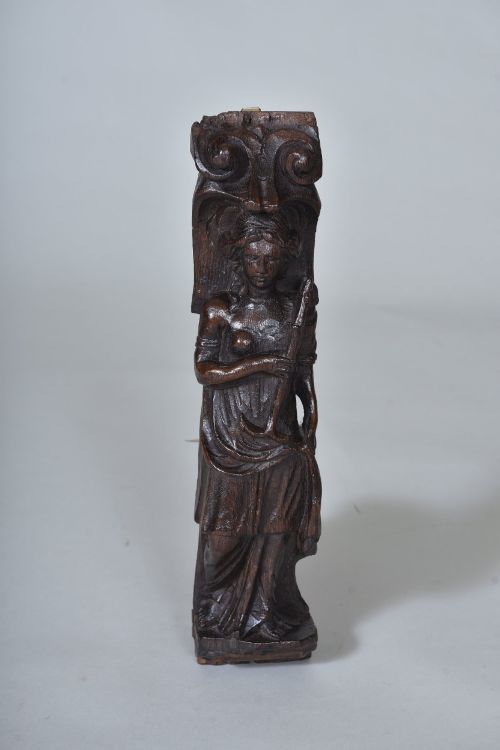
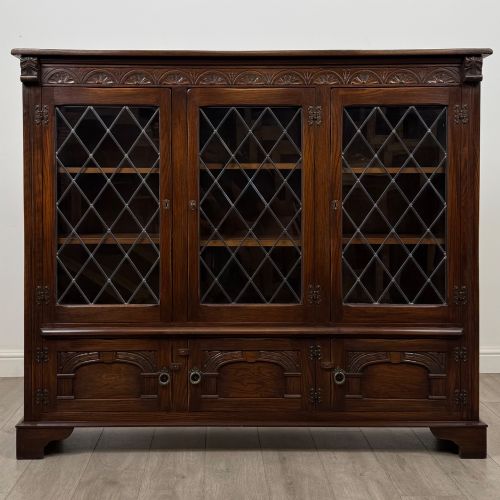
When you search for antique gothic wood carving, you encounter structural woodwork and decorative elements spanning from the sixteenth century through the Victorian Gothic Revival. The pieces range from monumental sideboards and bookcases to architectural panels, prayer desks, and wall mirrors.
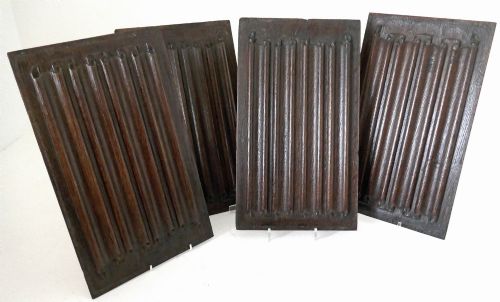
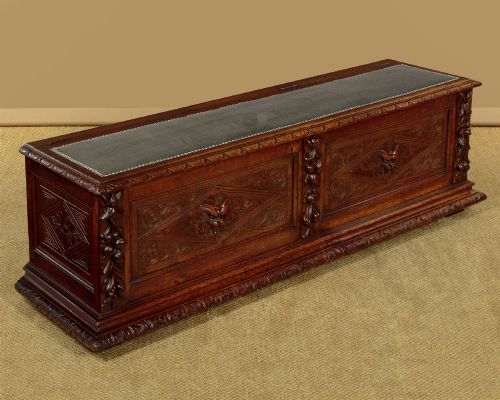
You meet sixteenth-century panels featuring linenfold motifs alongside nineteenth-century interpretations of medieval design. Domestic furniture borrows heavily from ecclesiastical forms, producing display cabinets, side tables, and bench seats weighted with deep relief work.
The selection includes secular items adorned with traditional tracery as well as devotional items like prayer kneelers and altarpiece fragments. Oak dominates the offerings, supplemented by walnut, mahogany, and rosewood.
How they were made
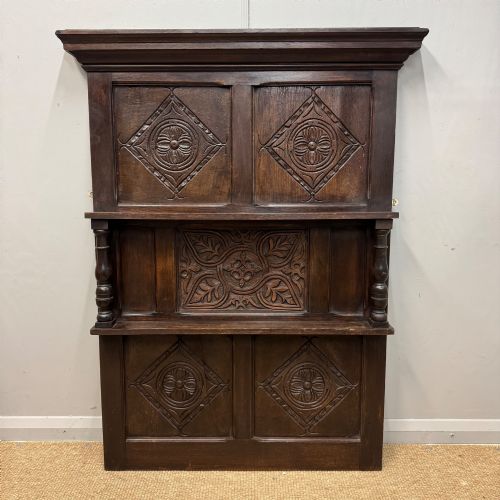
Makers shaped these items primarily from solid oak using traditional joinery and hand-carving chisels. Panels display precise linenfold patterns or figural scenes cut directly into the timber.
Workshops utilised structural framing methods such as mortise and tenon joints to build heavy sideboards, bookcases, and benches. Secondary materials like polychrome paint and glass appear selectively to accent carved details.
Listings span from sixteenth-century ecclesiastical panels to twentieth-century Gothic Revival floor lamps.
What varies in quality
Depth and sharpness of the hand-carving separate standard production from exceptional pieces. Crisp relief work on tracery and figures indicates skilled execution by the maker.
The selection of timber grain and the integrity of the original joints dictate structural longevity. Heavier pieces rely on dense oak boards that retain stability across centuries.
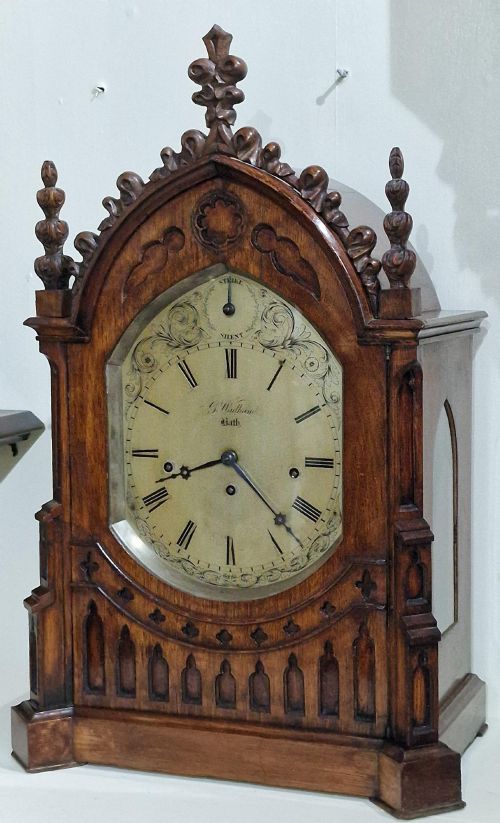
George Wadham
The Antique Gothic Wood Carving Glossary
- Linenfold
- A style of wood panel carving resembling folded cloth or linen. It is commonly found on sixteenth-century panels and later revival furniture.
- Gothic Revival
- An architectural and decorative style popular during the nineteenth century that revived medieval forms. It heavily influenced Victorian furniture design.
- Tracery
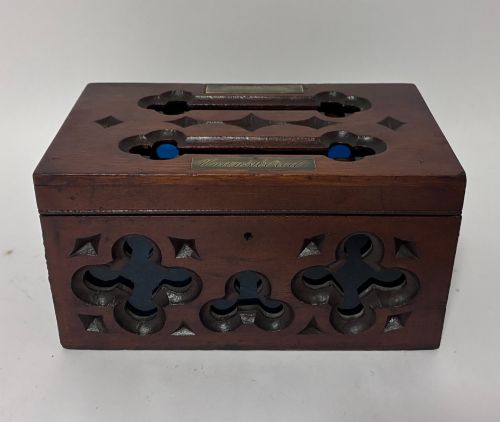
- Openwork ornamental stone or woodwork patterns. This element appears frequently in the glazing bars of cabinets and carved panels.
- Ecclesiastical
- Relating to the Christian Church or clergy. Many pieces utilise religious motifs suited for chapel or domestic devotional use.
- Wainscot
- Wooden panelling applied to the lower walls of a room. The term also describes sturdy armchairs built with solid wooden panels.
Antique Gothic Wood Carving: Frequently Asked Questions
How do I identify sixteenth-century panels?
Sixteenth-century panels display hand-carved linenfold motifs or early figural work set into dense, dark oak boards. The joinery relies on pegged mortise and tenon construction characteristic of the period.
Surface wear and tool marks indicate manual execution rather than machine production. These panels often show historical shrinkage cracks consistent with aged timber.
What is Victorian Gothic Revival furniture?
Victorian Gothic Revival furniture dates from the nineteenth century and reinterprets medieval architectural motifs for domestic interiors. Makers applied pointed arches, tracery, and heavy carving to sideboards, bookcases, and chairs.
These items combine nineteenth-century manufacturing scales with historical ornamentation. Oak remains the predominant timber for this style.
Where were prayer desks used?
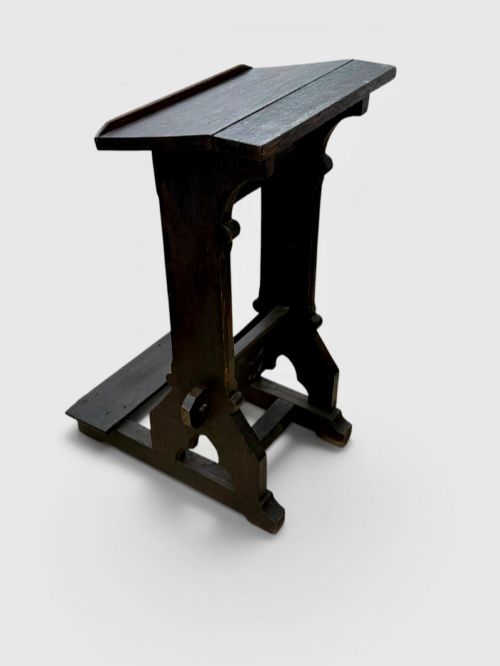
Prayer desks and kneelers served both private domestic devotional spaces and ecclesiastical settings. They provided a dedicated surface for prayer books alongside padded kneeling boards.
Their construction prioritised stability and storage for religious texts. Many surviving examples date from the Victorian era and incorporate carved oak panels.
How should I care for carved oak?
Carved oak requires stable indoor humidity levels to prevent the timber from splitting or warping over time. Dusting with a soft, dry cloth preserves the recessed details of the hand-carving.
Avoid placing these heavy wooden items near direct heat sources or strong sunlight. Regular waxing helps maintain the finish on antique surfaces.