



Antique Gold Pocket Box
An antique gold pocket box is a portable receptacle of precious metal designed for keepsakes, snuff, or tobacco, prized for personal refinement.
Antique Gold Pocket Box
The pieces most frequently met on this page range from early nineteenth-century Georgian gold snuff boxes to later Edwardian and Art Deco examples. They reflect changing social habits regarding tobacco, scent, and personal organisation.
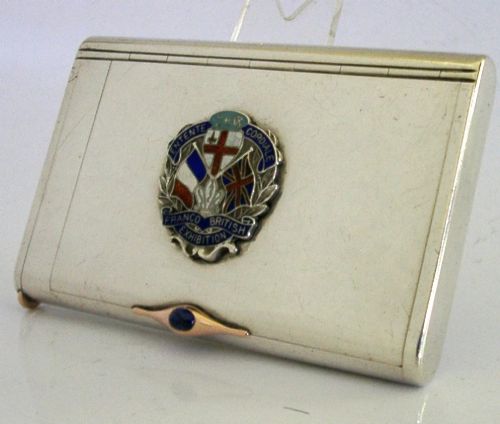
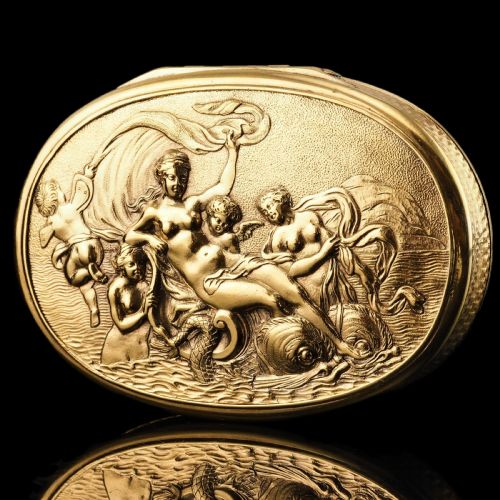
Makers and workshops produced these items in various forms including book shapes, oval profiles, and engraved designs. They served as functional daily accessories for the pocket or desk.
Materials and construction
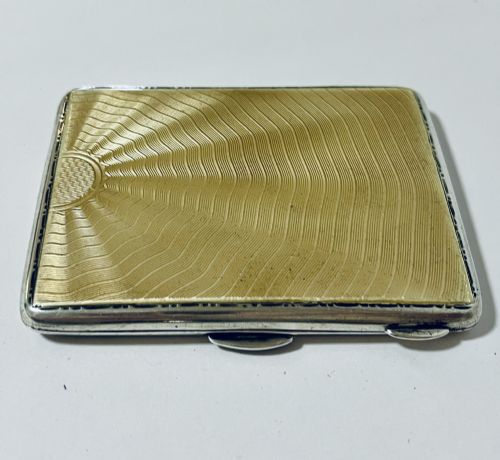
Gold and silver-gilt provide the primary metallic structure for these pocket containers, often combined with enamel, agate, and tortoiseshell. Artisans utilised techniques such as engine-turning, guilloche enamel work, and fine engraving to decorate the exterior surfaces.
Interior components frequently incorporate silk and leather linings alongside fitted compartments for sponges or notes. Goldsmiths employed casting, chasing, and hand-assembly methods to achieve precise hinges and secure closures.
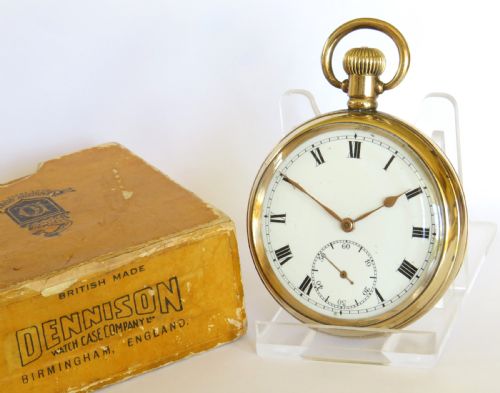
One pedometer measures progress in style while the pocket watch boxes tick quietly through the centuries.
Judging quality in pocket boxes
Quality rests upon the crispness of the chasing, the structural integrity of the hinges, and the preservation of enamel or decorative inlays. Superior examples display precise hallmarks and sophisticated decorative programmes by recognised makers.
Inferior or later alterations lack the harmonious proportions and meticulous surface finish seen in works from master silversmiths and goldsmiths. The weight of the metal and the smoothness of the opening mechanism distinguish standard production from exceptional artistry.
Nathaniel Mills·David McDonald·Alexander James Strachan·Charles Rawlings·Negretti and Zambra·Cartier
The Antique Gold Pocket Box Glossary
- Guilloche
- A decorative technique where a mechanical lathe engraves precise, intricate repeating patterns into a metal surface. Enamel is frequently applied over this engraving to create translucent coloured effects.
- Vinaigrette
- A small ornamental box containing a perforated inner grille that held a sponge soaked in aromatic vinegar. These were carried during the Georgian and Victorian periods to combat unpleasant odours.
- Vesta case
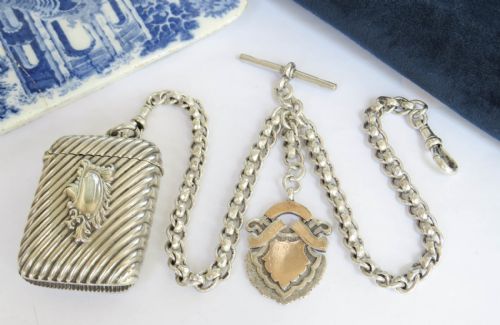
- A small pocket container designed to hold matches, typically fitted with a striking surface on the base. They emerged in the nineteenth century alongside the widespread use of safety matches.
- Silver-gilt
- Silver that has been coated with a thin layer of gold on its surface. This process gives the object the rich appearance of solid gold while utilising a silver base.
- Agate
- A crystalline quartz variety displaying distinct banded colours, commonly used for decorative lids and panels on snuff boxes. Artisans polished the stone to highlight its natural patterns.
Antique Gold Pocket Box: Frequently Asked Questions
What were antique gold pocket boxes used for?
These portable containers primarily held snuff, tobacco, vestas, or personal notes for daily transit. Owners carried them within pockets or handbags as functional accessories.
Over time, their uses shifted alongside social customs, leading to variations like vinaigrettes for scents and cigarette cases for smoking materials.
How do I care for an antique gold box?
Keep the metal away from harsh chemical cleaners and abrasive cloths that can damage engraved surfaces or enamel inlay. Use a soft, dry cloth for gentle dusting.
Store the box in a stable environment away from extreme humidity to protect internal silk or leather linings and delicate hinges.
How can I tell the period of a pocket box?
Examine the hallmarks stamped on the metal to determine the assay office, standard, and date letter. Stylistic markers such as Georgian neoclassical motifs or Art Deco geometric lines also indicate the era.
Construction methods, including the style of the hinge and the type of engraving, offer further clues to the decade of manufacture.
Are these boxes made of solid gold?
Many examples utilise solid eighteen carat gold, while others consist of silver-gilt or gold plating over a base metal. Hallmarks typically confirm the exact purity of the precious metal used.
Some pieces combine gold mounts with organic materials like tortoiseshell, horn, or agate panels.