



Antique Gold Instrument
An antique gold instrument brings precision engineering into the home, offering both functional mechanics and decorative refinement from the Victorian and Georgian eras.
Antique Gold Instrument
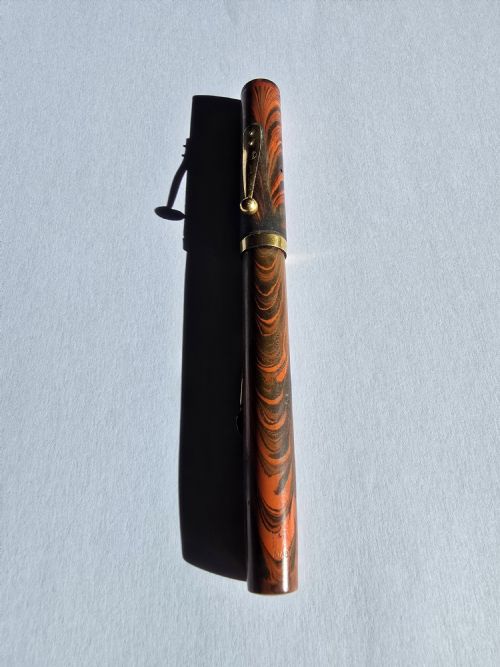
When you search for an antique gold instrument, you encounter a specialised category encompassing pocket pedometers, fountain pens, and decorative timepieces finished in precious metal. These pieces merge practical utility with ornate craftsmanship, spanning periods from the Georgian era through to the Edwardian years.
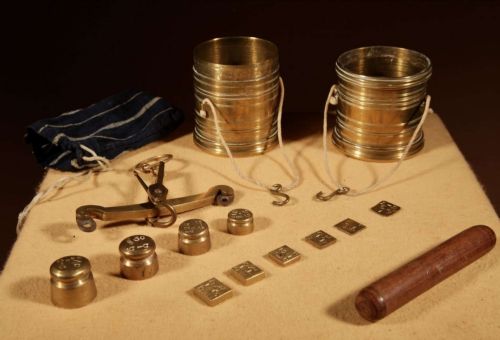
The selection here most frequently highlights Victorian items, including pocket pedometers and dip pens, alongside earlier Regency balances and French carriage clocks. Each object reflects the scientific curiosity and material wealth of its respective period.
Collectors focus on the survival of the original casing, whether gilt brass, silver gilt, or solid eighteen carat gold. The physical condition of the delicate internal components remains central to the identity of every instrument.
Materials and construction methods
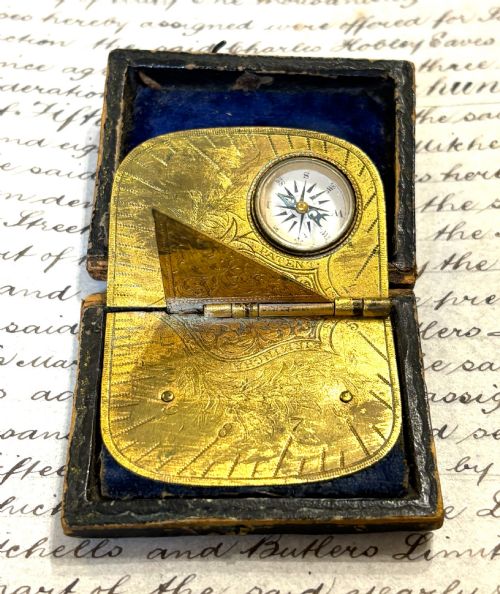
Maker workshops utilised brass, glass, enamel, and timber alongside gold plating and solid gold to construct these durable scientific and writing objects. The integration of velvet linings in fitted cases protected delicate brass mechanisms and glass dials from transit damage.
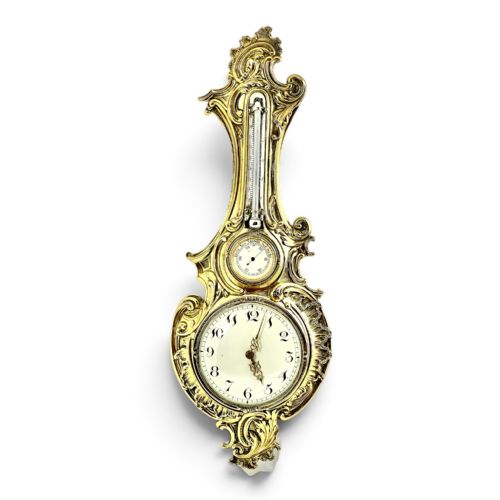
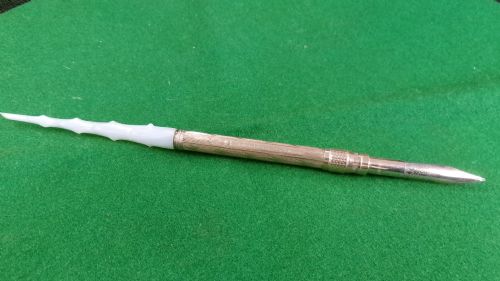
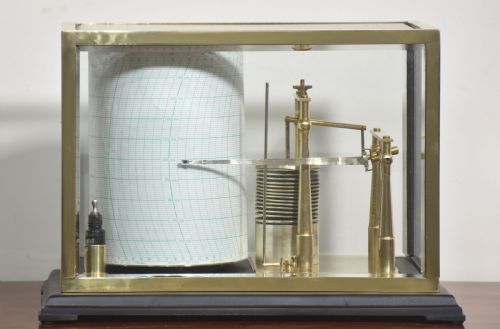
Metalworking techniques included precision casting for clock frames, hand engraving on barometer plates, and fine gold plating for writing implements like dip pens. Makers combined mechanical accuracy with decorative finishes such as enamel dials and polished wood housings.
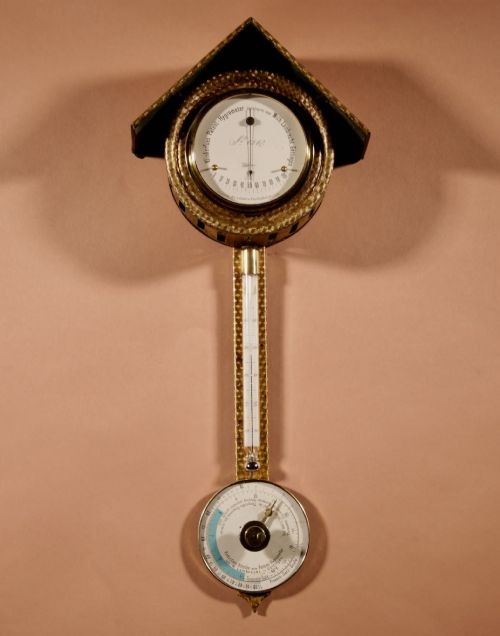
A tiny hair inside a nineteenth century hygrometer still measures the invisible moisture in your modern room.
Distinctions in quality
The distinction between standard production and top tier examples lies in the precision of the signed maker and the integrity of the gold or gilt finish. Signed works by notable firms demonstrate superior mechanical execution and durability compared to unsigned alternatives.
The inclusion of original fitted leather or velvet cases elevates an instrument, preserving the delicate dials, glass lenses, and gold components from excessive wear over the centuries.
Waterman Ideal·Wilh. Lambrecht·Mabie Todd And Co·Short And Mason·Poulenc Freres·Antoine Redier·Negretti And Zambra·Stephen Houghton And Son·Davis Of London
The Antique Gold Instrument Glossary
- Gilt brass
- Metal alloy treated with a thin layer of gold to simulate solid gold and prevent corrosion. This finish appears frequently on Victorian barometers and clock cases.
- Pedometer
- A mechanical device designed to measure the steps taken by a person walking. Eighteen carat gold examples represent the highest tier of portable personal measurement tools.
- Aneroid barometer
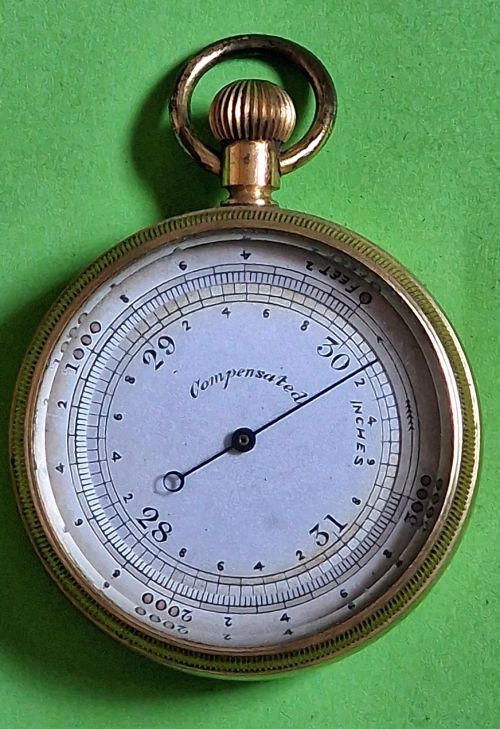
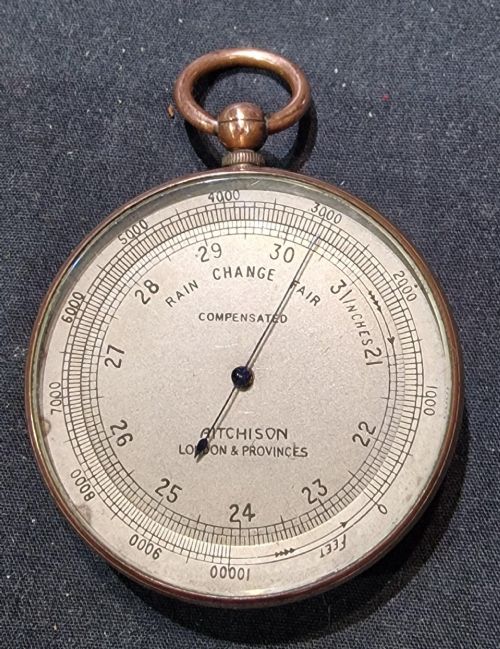
- An instrument that measures atmospheric pressure without using liquid, relying on a flexible metal box. These mechanisms often sit inside decorative brass or gilt housings.
- Hair hygrometer
- A meteorological device that measures humidity using human or animal hair. Nineteenth century versions by continental makers exhibit fine scientific calibration.
- Carriage clock
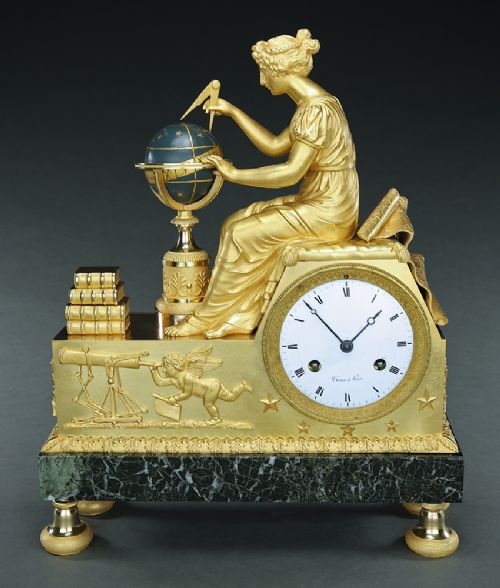
- A small, spring driven clock designed for travel during the nineteenth century. French examples often feature grand sonnerie striking movements and gilt brass framing.
Antique Gold Instrument: Frequently Asked Questions
What is an antique gold instrument?
An antique gold instrument refers to precision scientific, writing, or measurement tools finished in gold, gold plating, or silver gilt. These objects include pocket pedometers, dip pens, and delicate barometers.
Items date predominantly from the Georgian, Victorian, and Edwardian periods, combining mechanical utility with decorative metalwork.
How do I date an antique instrument?
Dating relies on maker signatures, style markers, and assay marks found on precious metal components. Victorian and Georgian pieces often bear engraved signatures or patent dates.
Examining the materials, such as early plastics, brass composition, and glass types, helps narrow the production era to a specific decade.
Were these instruments used daily?
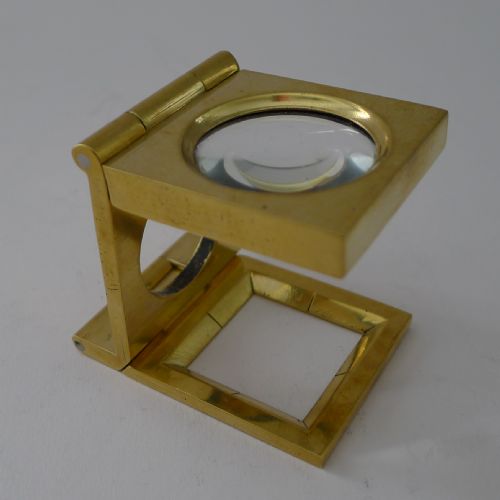
Many items, such as pocket pedometers, fountain pens, and folding magnifying glasses, served practical everyday functions for their original owners. Wealthier individuals carried gold or gilt versions as status symbols.
Other pieces, like library telescopes and weather stations, remained stationary in studies or drawing rooms to monitor scientific phenomena.
How should I display these pieces?
Display these delicate instruments in stable environments away from direct sunlight and extreme humidity to protect glass dials, enamel, and gold finishes. Keeping items in their original fitted velvet or leather cases preserves their condition.
Placing barometers and clocks on secure interior walls or flat surfaces prevents accidental knocks to sensitive internal mechanisms.