


Victorian Pocket Instruments
Victorian pocket instruments pack serious scientific purpose into compact brass and leather cases designed for the field, sea, and study.
Victorian Pocket Instruments
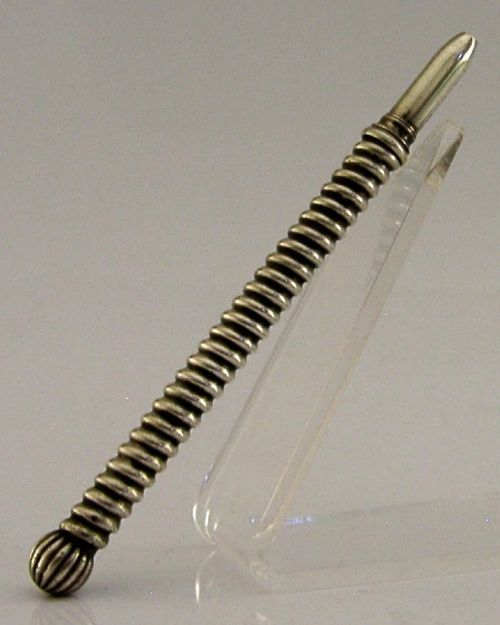
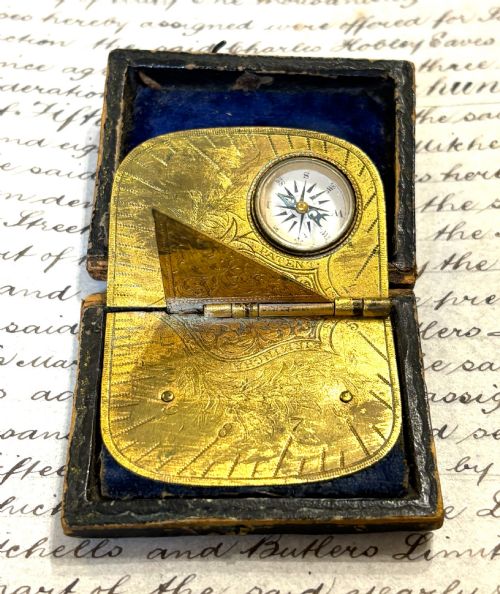
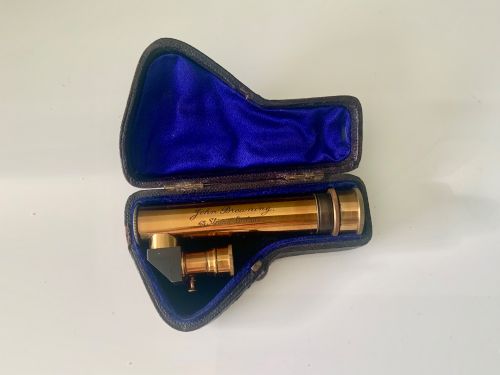
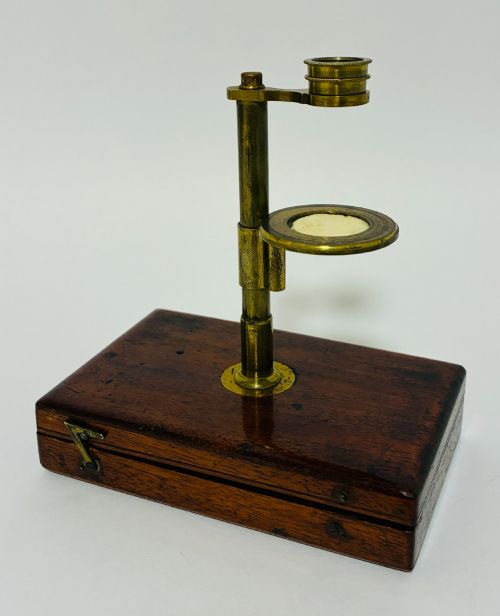
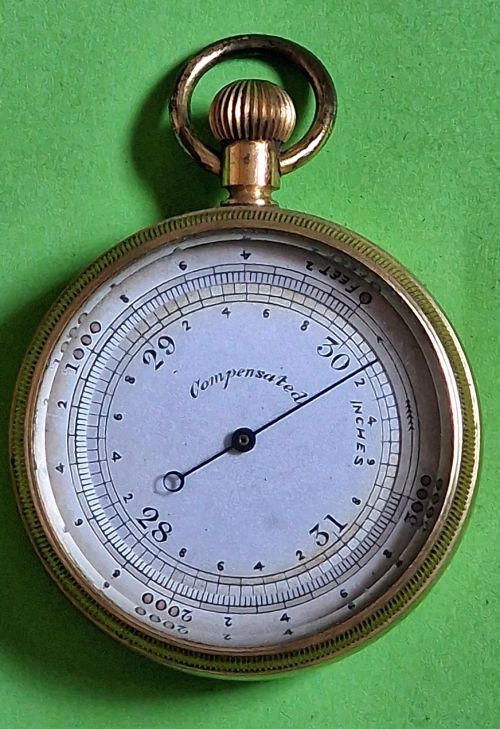
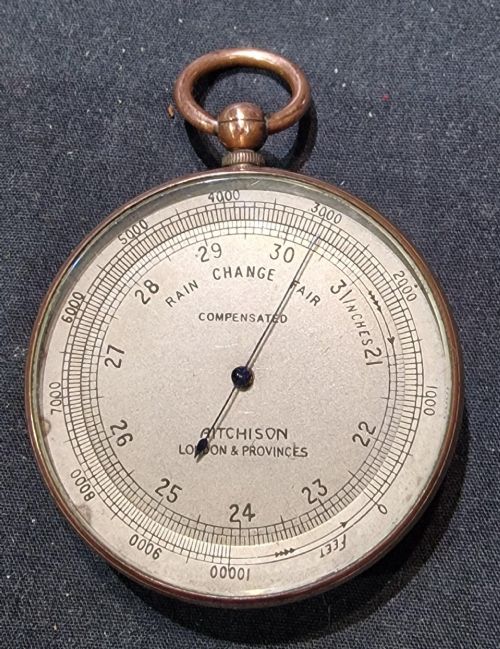
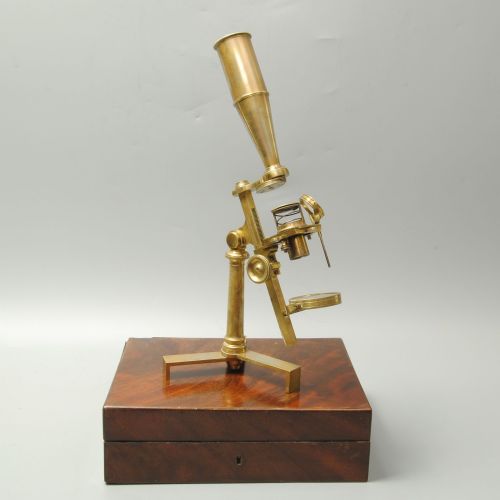
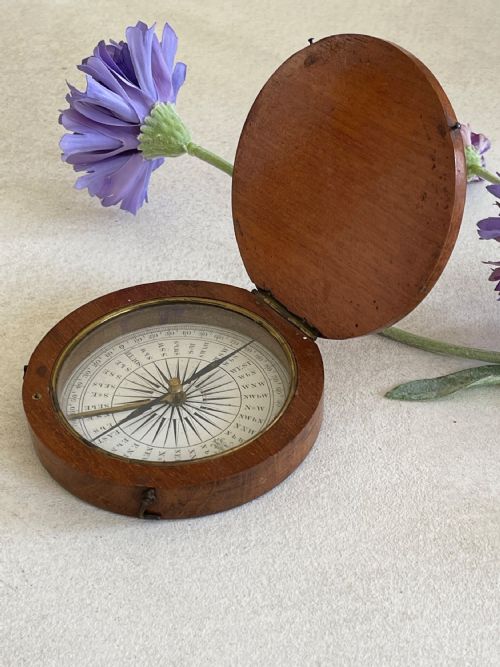
When you search for victorian pocket instruments, you encounter a specialised selection of portable scientific tools designed for measurement, observation, and navigation during the nineteenth century. These objects span pocket barometers, altimeters, travel compasses, folding sundials, field microscopes, and multi-draw terrestrial telescopes.
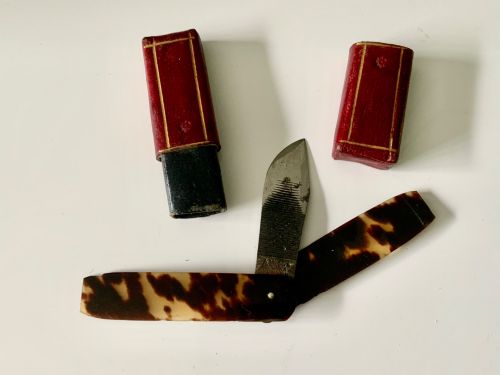
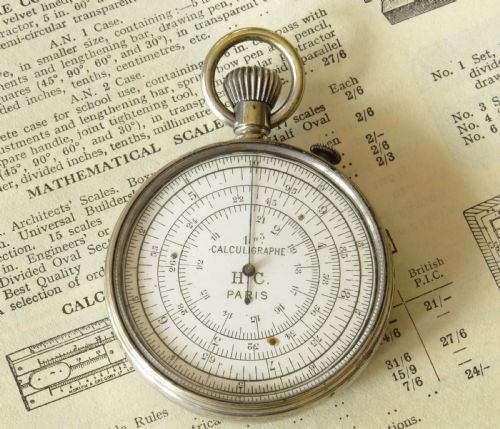
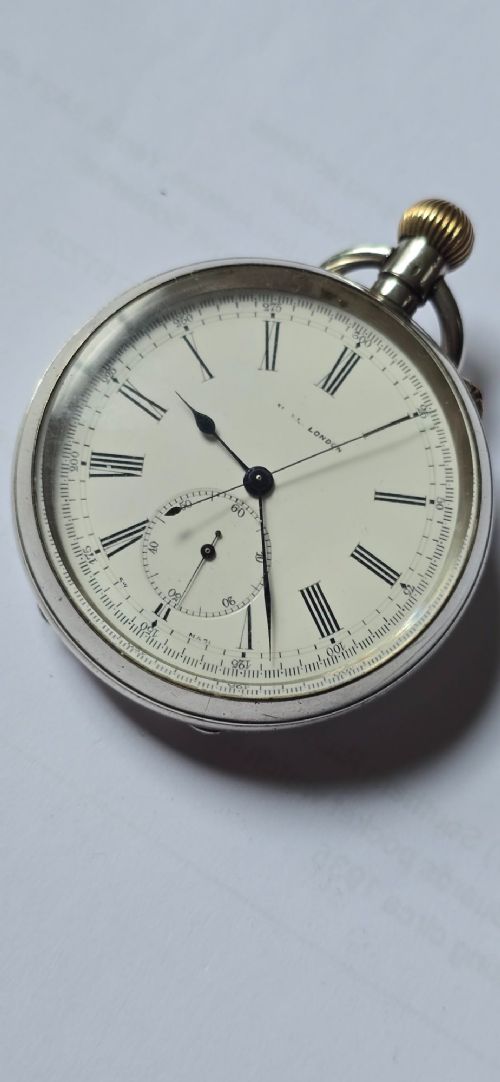
The pieces appearing on this page originate predominantly from the nineteenth century, with strong representation from the Victorian period alongside select Georgian, Edwardian, and eighteenth-century examples. Forms range from pocket watch style slide rules and galvanometers to surveying instruments and marine spyglasses.
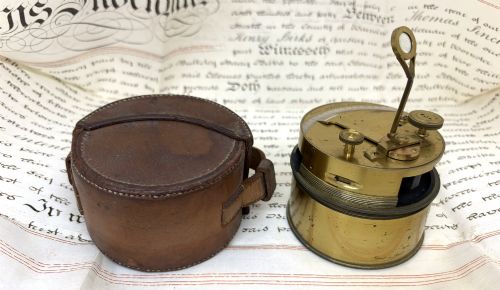
Makers and retailers based in London such as Negretti and Zambra, John Browning, and L. Casella feature prominently among the items. Buyers frequently find these instruments housed in fitted wooden boxes or leather cases lined with velvet.
How they were made
Brass serves as the primary structural metal for tubes, dials, and compass bezels, frequently paired with steel for internal movements and glass for optical lenses and barometer faces. Selected pieces incorporate precious metals including gold and sterling silver alongside nickel for specific housings.
Casework relies on traditional cabinet timbers such as mahogany and fruitwood, often combined with turned treen, leather wraps, and interior velvet linings to cushion delicate scientific mechanisms during travel.
Listings feature 19th-century scientific instruments in glass, brass, leather, velvet, mahogany, steel, wood, and nickel.
What varies in quality
The standard of execution depends heavily on the precision of the engraved scales, the clarity of the optics in telescopes and microscopes, and the integrity of the needle pivots in compasses and barometers. Finer items demonstrate crisp maker signatures, smooth draw action in multi-section tubes, and robust compensating movements.
The quality of the housing directly reflects the status of the instrument, ranging from simple turned wood boxes to fitted mahogany cases lined with plush velvet and complete with original accessories.
Primavesi·Negretti and Zambra·John Browning·Alfred Apps·Baker London·Stanley London·L Casella·Francis West·M Pillischer·James Murray·J Hicks
The Victorian Pocket Instruments Glossary
- Aneroid barometer
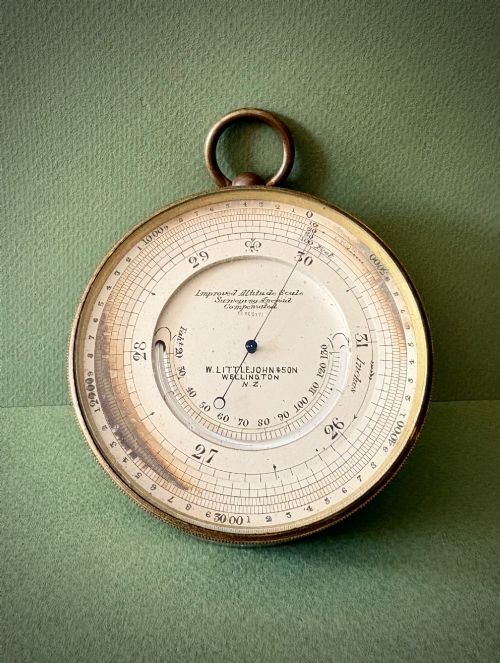
- A portable device that measures atmospheric pressure using a flexible metal capsule rather than liquid mercury. These compact instruments were widely carried by travellers and surveyors.
- Terrestrial telescope
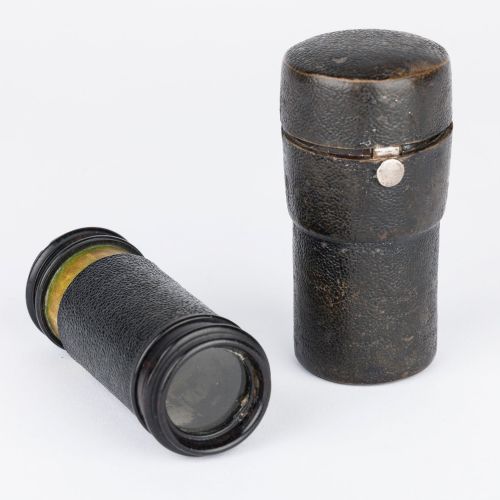
- An optical viewing instrument equipped with erecting lenses to produce an upright, non-inverted image of distant land objects. Examples often feature multiple brass draws and leather grips.
- Galvanometer
- An electromechanical instrument used for detecting and measuring small electric currents. Victorian examples frequently incorporate delicate needle dials housed in polished wooden cases.
- Slide rule
- A mechanical analogue computer operating on logarithmic scales for performing mathematical calculations. Pocket versions were manufactured in small circular pocket watch formats.
- Treen
- Small handmade wooden household objects and utilitarian items turned on a lathe. In scientific contexts, this includes protective wooden cases and bodies for compasses and sundials.
Victorian Pocket Instruments: Frequently Asked Questions
What did people use pocket barometers for?
Victorian travellers and surveyors utilised pocket barometers to measure atmospheric pressure changes and calculate altitude while moving through the landscape.
These portable instruments allowed observers in the field to monitor changing weather patterns and record topographical data.
How do I care for antique brass instruments?
Protect brass surfaces by keeping them dry and avoiding harsh chemical polishes that remove historic patination and fine engraving.
Store optical and measuring devices in stable humidity conditions to preserve internal glass elements and delicate needle pivots.
Are multi-draw telescopes difficult to operate?
Extending a multi-draw brass telescope requires a steady grip and gentle pulling motion to align each graduated tube section smoothly.
Once fully extended, focusing is achieved by adjusting the eyepiece barrel until the distant terrestrial view becomes sharp.
How can I tell a Victorian compass from a later one?
Nineteenth-century compasses typically feature hand-engraved rose dials, heavy brass bezels, and specific needle lock mechanisms housed in turned wood or leather cases.
Examining the script of the maker signature and the construction methods helps distinguish Victorian production from later twentieth-century manufacturing.