

Antique Gold Cane
An antique gold cane is a walking stick or accessory with precious metal mounts, prized by collectors for craftsmanship and material weight.
Antique Gold Cane
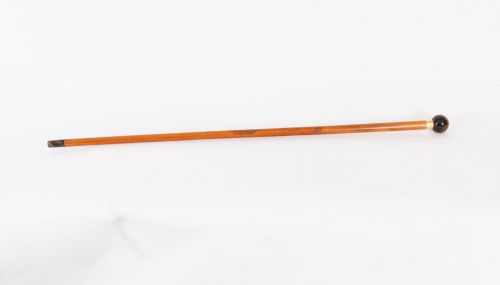
An antique gold cane encompasses nineteenth and early twentieth century walking sticks fitted with gold pommels, collars or plates. These items serve as functional accessories and status symbols from the Victorian and Edwardian eras.
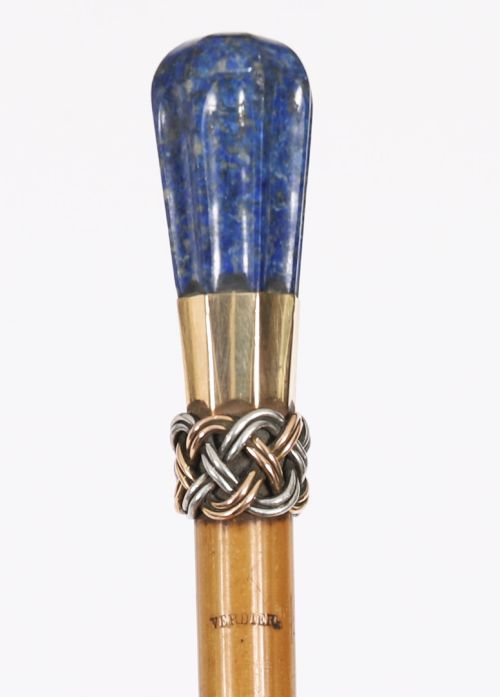
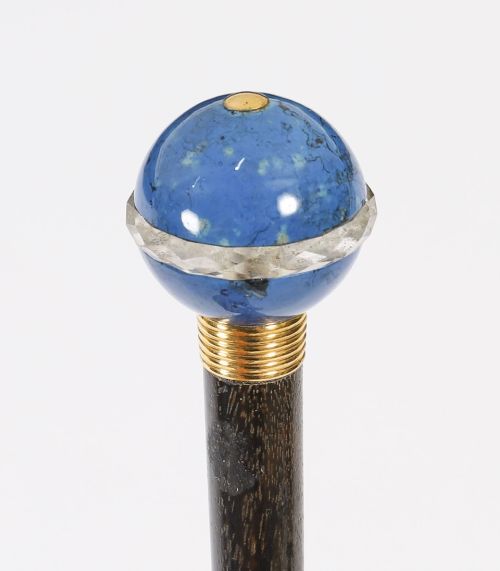
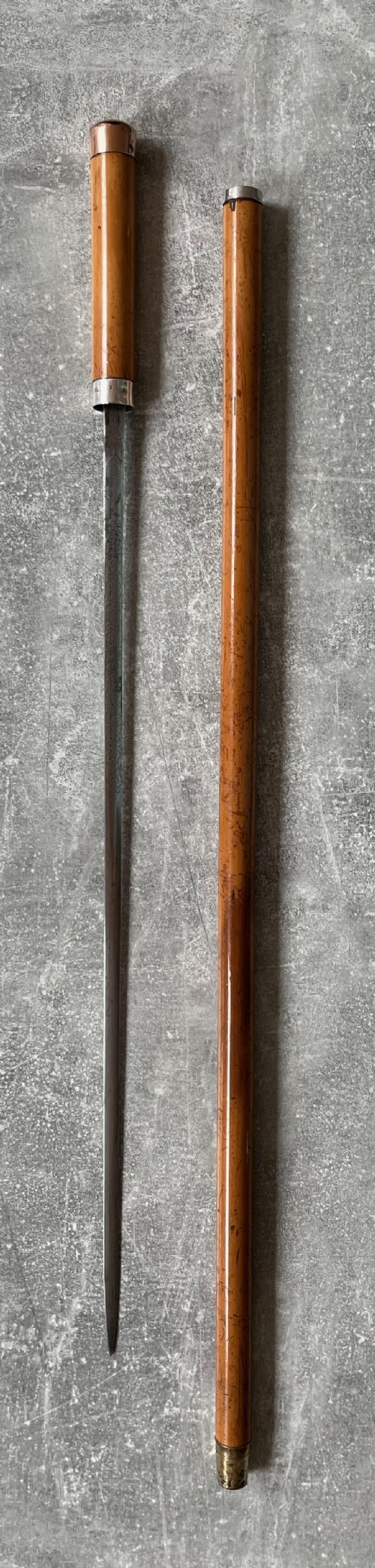
The specimens found here include pieces bearing makers' marks alongside mounted porcelain or lapis lazuli elements. Buyers encounter shafts fashioned from wood or fitted with concealed blades alongside metal mounts.
Makers such as Thomas Johnson and Brigg produced pommels in eighteen carat and fifteen carat yellow gold. These workshop pieces reflect the formal attire and social customs of nineteenth century gentlemen.
How They Were Made
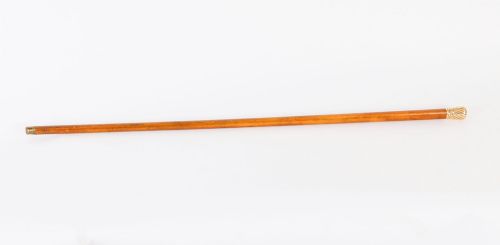
Craftsmen shaped pommels from solid gold or applied heavy gold plating over base metals, engraving patterns or crests by hand. Wood shafts utilise dense timbers or malacca, paired with metal ferrules at the base.
Specialised workshops integrated materials like porcelain plaques and lapis lazuli into the grip designs. Metal mounts and collars join the gold pommel securely to the shaft using internal pins or threaded fixings.
Antique Gold Cane Retail Price Guide 2026
Typical asking prices for gold cane among the pieces listed under this phrase on Sellingantiques today, from the lower quarter to the upper quarter. They describe what is for sale here now, not the wider market.
Materials span solid gold, brass, giltwood, lapis lazuli, porcelain and wood across the current selection.
What Varies in Quality
Quality rests upon the purity and weight of the gold pommel, alongside the artistry of the engraving and hallmarks present. Maker attribution to workshops like Brigg elevates a piece above anonymous examples.
The integrity of the shaft material and the inclusion of decorative stones such as lapis lazuli or painted porcelain sections dictate overall desirability. Finer items retain original finishes on both the mount and the wooden body.
Briggs·Thomas Johnson·Wilkinson·Falkirk Ironworks
The Antique Gold Cane Glossary
- Pommel
- The rounded or shaped handle at the top of a cane. This part often displays gold construction and maker hallmarks.
- Ferrule
- The protective metal cap fitted to the bottom of a walking stick. It prevents wear on the wood during daily use.
- Collar
- The decorative metal band situated below the pommel. It frequently carries maker initials or gold purity stamps.
- Malacca
- A type of sturdy rattan cane imported from Southeast Asia. It forms the flexible and resilient shaft for many walking sticks.
- Hallmark
- An official stamp indicating metal purity and origin. These marks identify the gold standard used in the pommel.
Antique Gold Cane: Frequently Asked Questions
What is an antique gold cane?
An antique gold cane is a walking stick featuring a gold pommel or decorative gold mounts, dating primarily from the nineteenth and early twentieth centuries.
These pieces were carried as gentlemen's accessories and status items, often stamped with maker marks and gold purity hallmarks.
How do I identify the gold purity?
Gold purity is determined by locating hallmarks stamped directly onto the metal pommel or collar. British pieces commonly display standards such as eighteen carat or fifteen carat gold.
Unmarked items may utilise gold plating over a base metal core rather than solid precious metal.
Who made these walking sticks?
Noted makers like Brigg and Thomas Johnson produced high quality walking sticks with precious metal mounts during the Victorian and Edwardian periods.
Other examples feature specialised components like Wilkinson blades or painted porcelain sections.
How were these canes used originally?
Owners carried walking sticks as functional aids for walking and as essential components of formal daily dress. Some specialised examples incorporated concealed blades for personal defence.
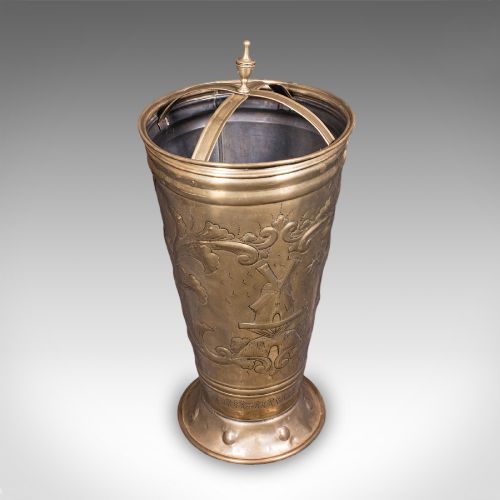
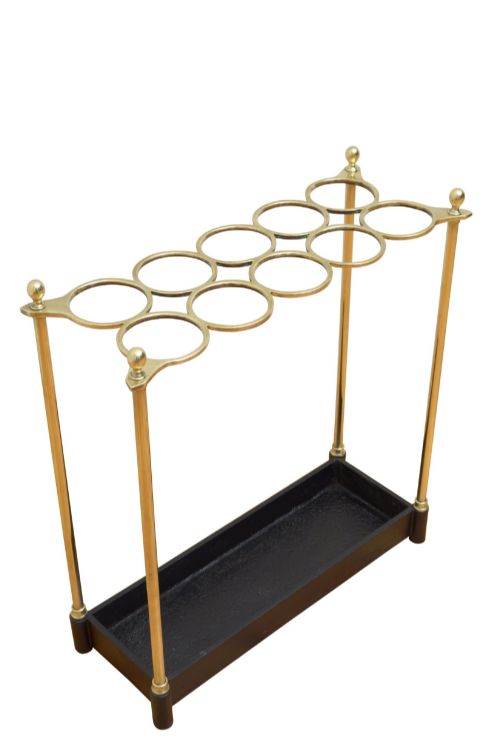
Today, collectors display these items in stands alongside umbrella holders and hall furniture.