

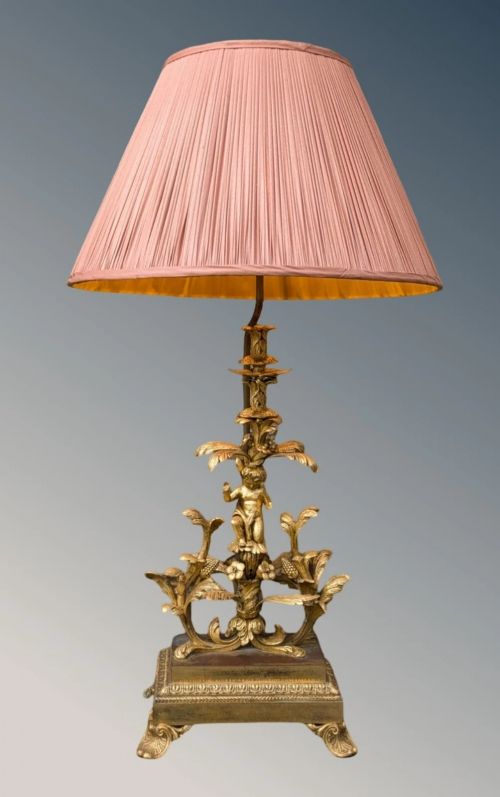
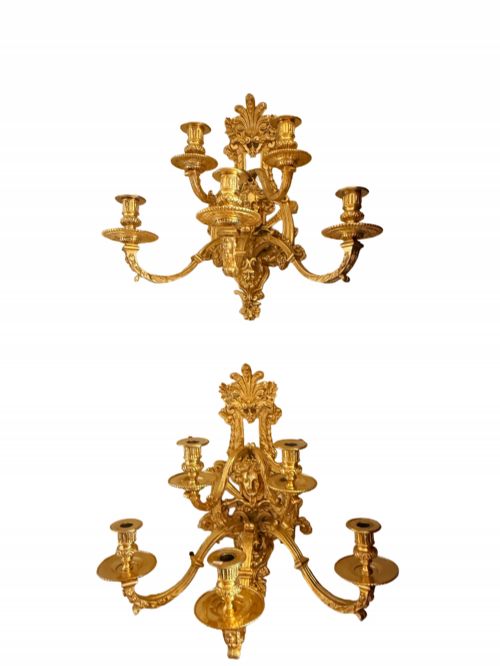
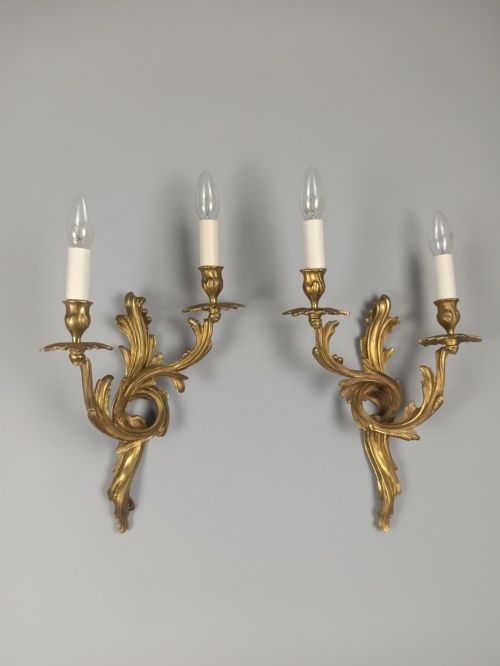
Antique Gold Candelabra
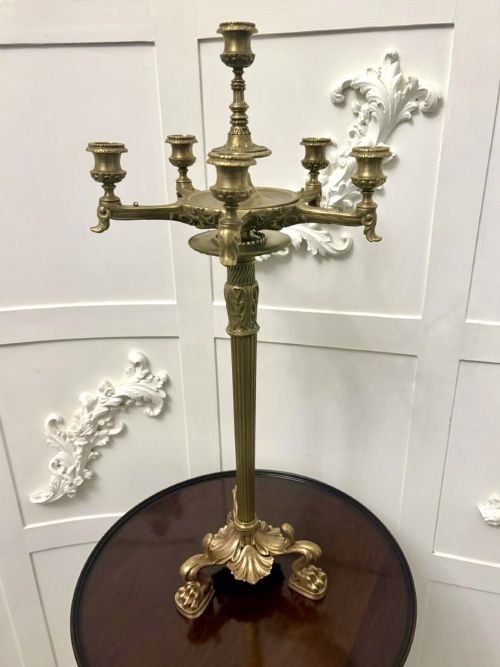
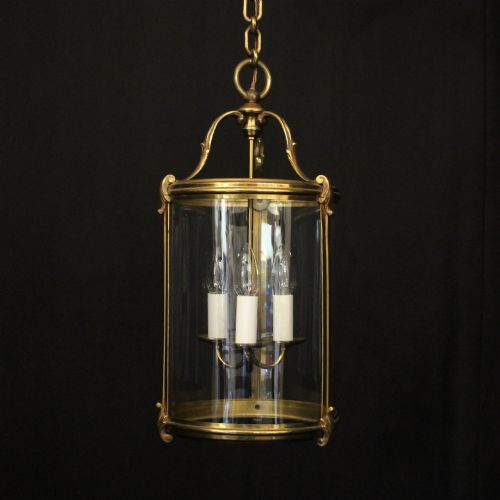
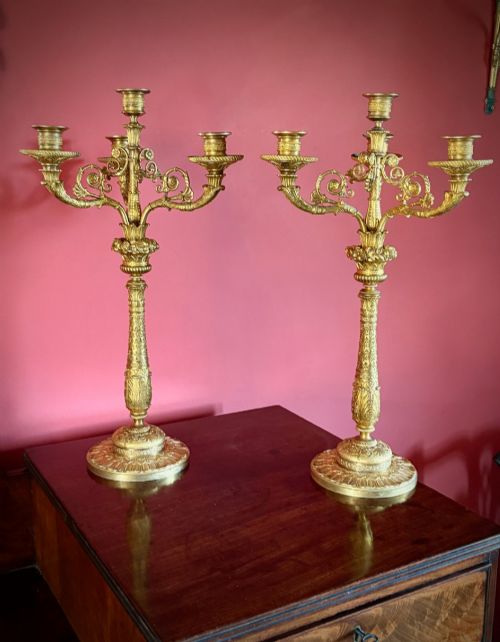
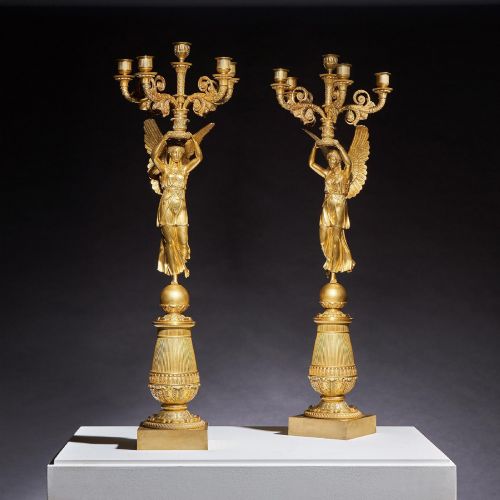
These antique gold candelabra bring undeniable gravitas to a room, offering heavy casting, rich gilding and practical illumination.
Antique Gold Candelabra
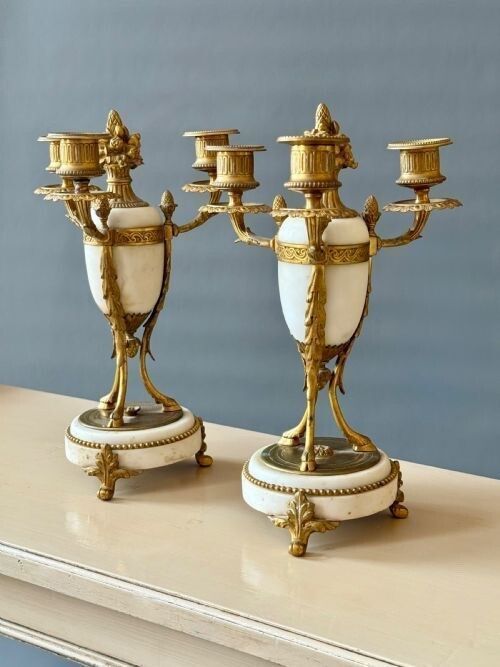
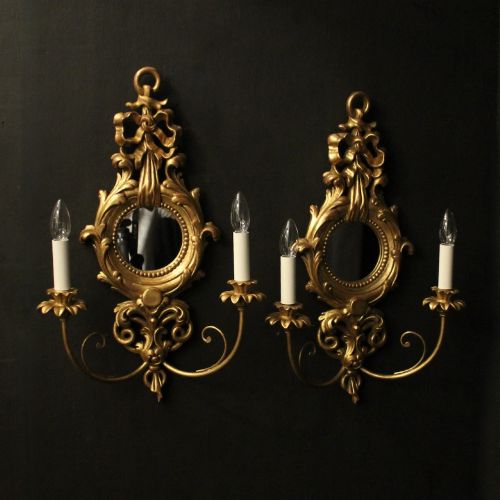
When you search for antique gold candelabra, you encounter multi-branch lighting fixtures designed to hold several candles simultaneously. The forms span from freestanding table centerpieces and garniture sets to wall-mounted sconces and girandoles.
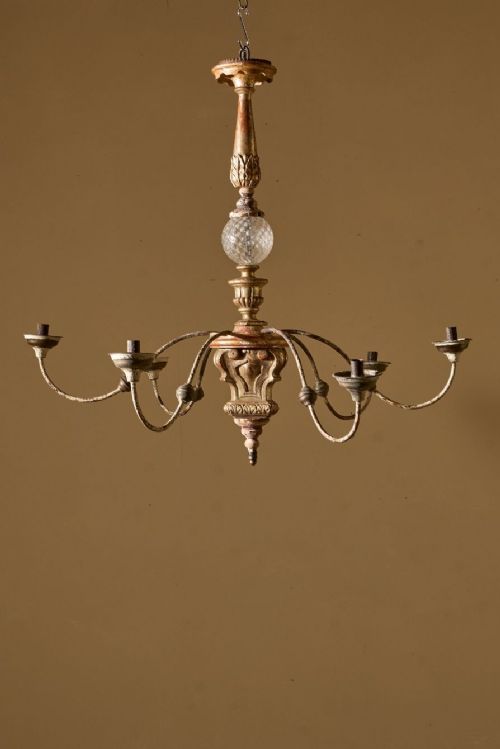
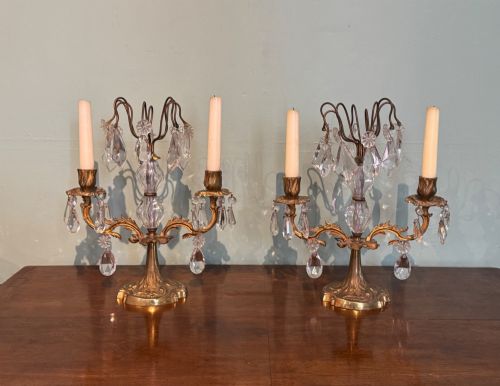
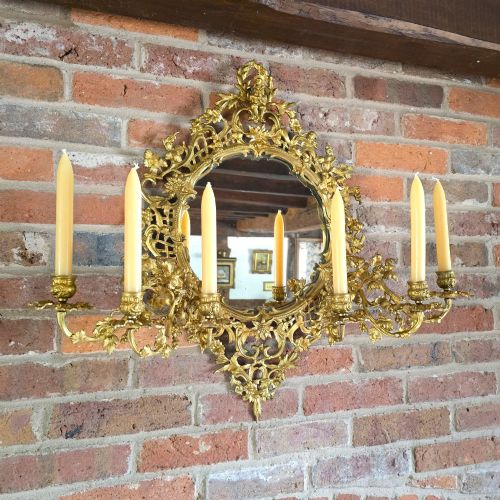
Beyond standard table candelabra, the listings incorporate related branching forms such as pricket chandeliers, candelabra wall mirrors, and lustre candlesticks hung with glass drops. These diverse configurations share a heavy reliance on gilded metallic surfaces to catch and reflect candlelight.
Assessing quality and execution
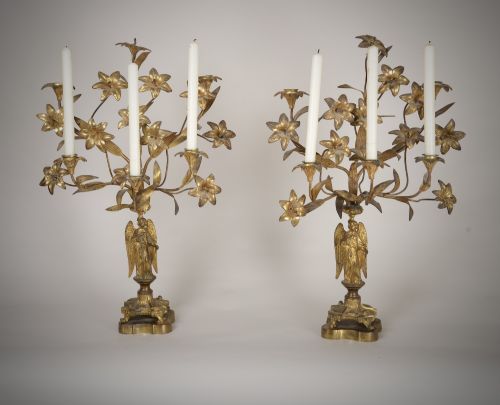
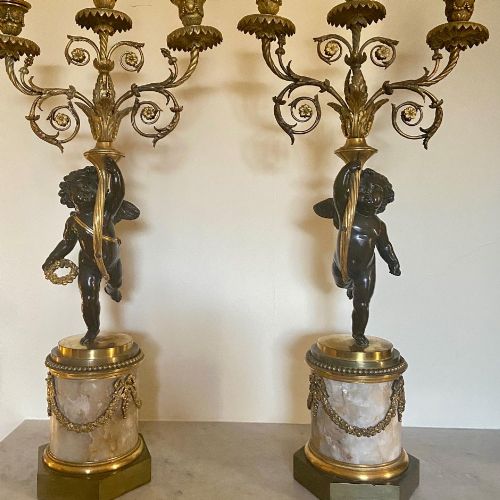
Quality in these pieces rests upon the crispness of the chasing and the depth of the metalwork. Superior examples exhibit sharp, hand-tooled details on the cast bronze foliage and figures, whereas lesser pieces show softened edges and superficial surface finishing.
The choice of secondary materials also dictates the grade of the object, with solid white marble plinths, substantial ormolu weight, and signed work by known makers elevating a piece above standard decorative items.
Listings feature pieces spanning the eighteenth to the twentieth centuries, with a heavy concentration of nineteenth-century French ormolu and gilt bronze.
Pierre Philippe Thomire·Francois Redmond·Rabiat
The Antique Gold Candelabra Glossary
- Ormolu
- Gilded bronze, produced by applying a mercury and gold amalgam to a bronze base and heating it. This technique creates a rich, matte golden surface characteristic of fine French decorative objects.
- GIRANDOLE
- A decorative wall-mounted candelabra featuring a mirrored backplate. The glass mirror reflects the candle flames to amplify the light within a room.
- GARNITURE
- A set of matching ornamental objects designed for display on a mantelpiece or sideboard, typically comprising a central clock flanked by a pair of candelabra or vases.
- PRICKET
- A candlestick or candelabra featuring an upward-pointing metal spike rather than a socket to secure the candle. This medieval and Gothic form holds candles by pressing the wax base directly onto the sharp pin.
- PATINATED BRONZE
- Bronze treated with chemical solutions to produce a darkened, aged surface finish. This dark tone provided a strong visual contrast against bright ormolu mountings.
Antique Gold Candelabra: Frequently Asked Questions
How do I clean antique ormolu?
Clean ormolu gently using a soft, dry cloth to remove dust. Avoid chemical polishes and abrasive cleaners, as these can strip away the original mercury gilding.
Moisture can seep into tiny crevices and damage underlying base metals or attached marble. If necessary, a slightly damp cloth with mild soap can be used sparingly, followed by immediate drying.
Were these pieces converted to electricity?
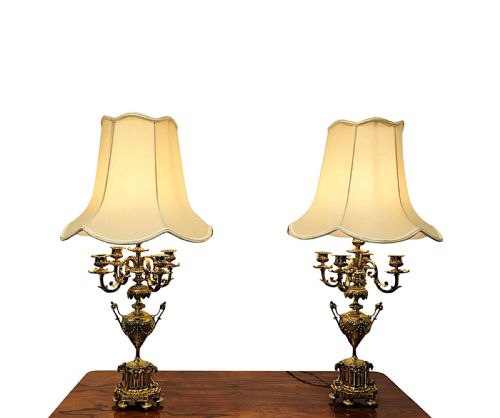
Many nineteenth-century examples on the market have been adapted for modern electrical wiring to function as table lamps or wall lights. Some buyers prefer retaining the original wax-burning function, while others seek out professional conversions.
Conversions range from reversible setups that preserve the original drip pans to permanent alterations drilled through the central stem. Checking the wiring history helps determine the original state of the fitting.
How do I tell Louis XVI Revival from Rococo?
Louis XVI Revival pieces feature straight lines, symmetry, classical architectural motifs, and urns. The overall geometry remains orderly and restrained.
In contrast, Rococo designs embrace asymmetry, swirling C-scrolls, naturalistic foliage, and irregular cartouches. The forms appear more fluid and dynamic without rigid geometric structure.
Can these hold standard dinner candles?
Most antique sockets and drip pans accommodate specific historical candle diameters that may differ from modern standard candles. Candle rings or fitted adapters are often necessary to secure contemporary taper candles safely in antique nozzles.
Checking the internal diameter of the sconce cups prevents damage to the wax seating area. For pricket styles, candles must be carefully warmed and pressed onto the central spike.