





Antique Globe Sphere
These antique globe sphere pieces combine geographical record and decorative presence, bringing tangible history and scientific curiosity into a room.
Antique Globe Sphere
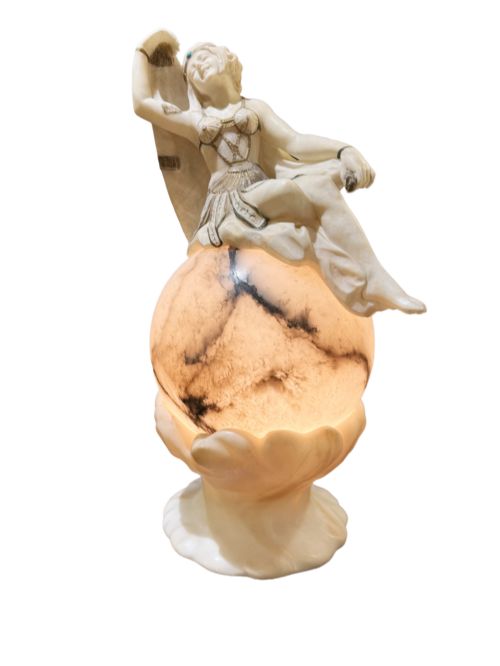
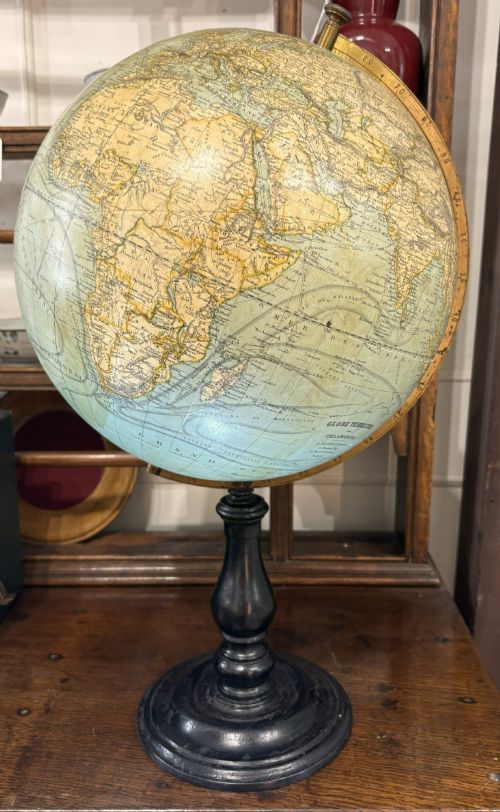
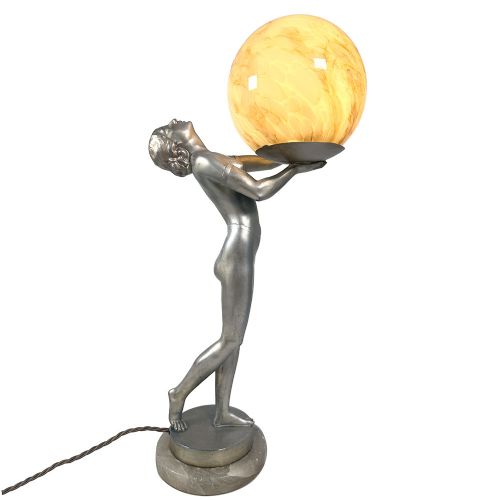
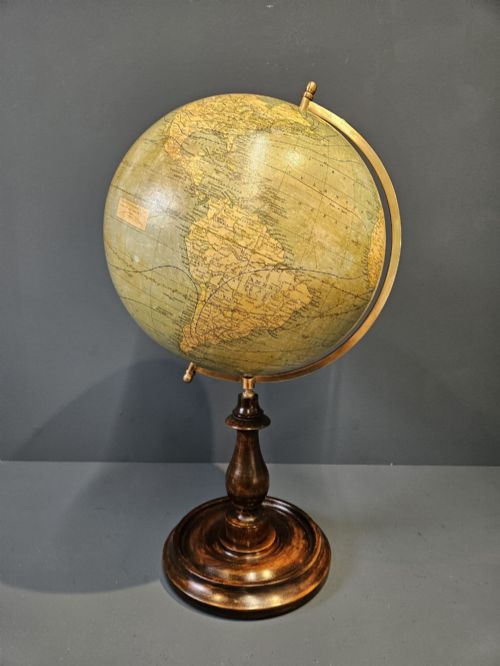
When you search for an antique globe sphere, you encounter a diverse range of objects spanning geographical instruments, lighting, sculptures, and scientific apparatus. The selection on this page extends from Victorian and Edwardian terrestrial models to Art Deco figural table lamps and celestial spheres.
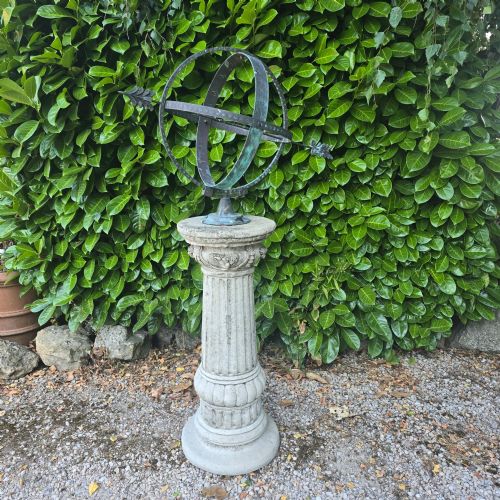
You are most likely to meet terrestrial and celestial globes mounted on wooden feet or metal stands, alongside table lamps incorporating spherical elements and garden armillary sundials. These pieces originate from various periods including the nineteenth century, nineteen-twenty, and nineteen-thirty.
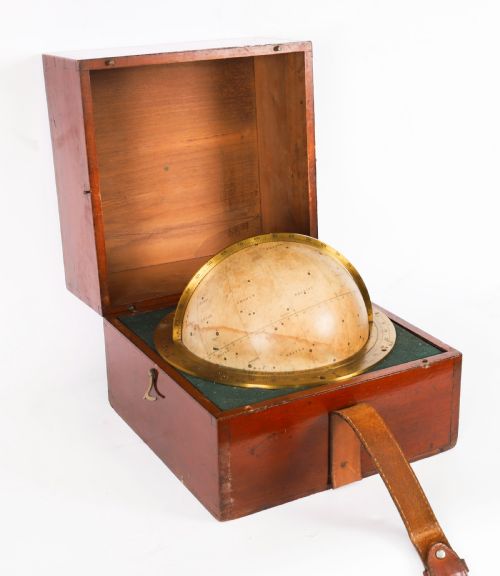
The form adapts to functional and decorative roles alike, appearing as desk globes, floor-standing models, portable cased scientific instruments, and clock mountings. Each example reflects the cartographic knowledge, artistic styles, and manufacturing methods of its specific era.
How they were made
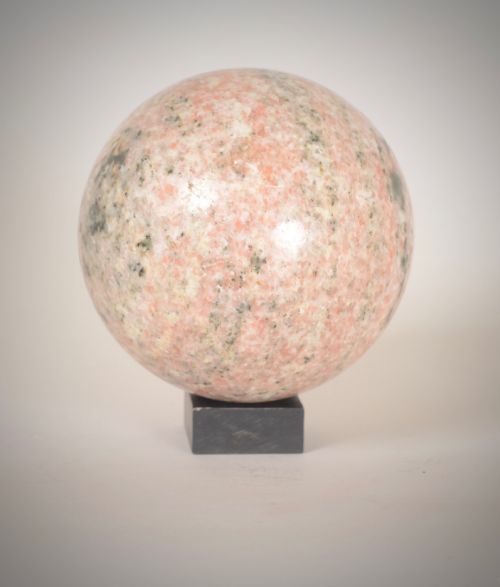
Materials utilised across these pieces include paper applied to plaster or papier-mâché cores, brass, wood such as mahogany and walnut, metal, glass, marble, and alabaster. Cartographic spheres typically feature printed paper gores pasted carefully onto a spherical base.
Mountings and bases employ turned timber, cast bronze, brass, or carved stone, whilst figural sculptures and lamps incorporate spelter, chrome, and ormolu bronze. Portable scientific instruments utilise fitted wooden cases with delicate brass and paper components.
Antique Globe Sphere Retail Price Guide 2026
Typical asking prices for globe sphere among the pieces listed under this phrase on Sellingantiques today, from the lower quarter to the upper quarter. They describe what is for sale here now, not the wider market.
Materials recorded across the inventory include paper, brass, wood, metal, plaster, glass, mahogany, and marble.
What varies in quality
The standard of an antique globe sphere depends upon the crispness of the cartographic printing, the accuracy of the geographical details, and the integrity of the paper gores. Hand-coloured cartography and well-preserved surface varnishes elevate the visual interest of terrestrial and celestial models.
Mechanical and material execution also defines the better pieces, seen in the solidity of walnut or mahogany stands, the precision of brass meridian rings, and the quality of bronze or ormolu casting in figural mounts and clocks.
Bacon·Hughes and Son·Geographia·Henri de Magnac·Carl Adami·Raths Physikalischer
The Antique Globe Sphere Glossary
- Terrestrial globe
- A spherical map representing the earth, showing countries, oceans, and political boundaries of the period in which it was produced.
- Celestial globe
- A sphere depicting the constellations, stars, and astronomical coordinates relative to the night sky.
- Armillary sphere
- An skeletal model of objects in the celestial sphere, consisting of rings centred on the sun or earth.
- Gore
- A tapering strip of printed paper shaped to fit smoothly over the curved surface of a globe sphere.
- Spelter
- An alloy of zinc and lead utilised widely for decorative castings and figural lamp bases during the Art Deco period.
Antique Globe Sphere: Frequently Asked Questions
How do I date an antique globe?
Dating relies upon examining the geographical and political boundaries printed on the sphere, such as colonial territories and capital cities, alongside the style of the mounting and typography.
Material composition and construction techniques also provide clear indicators of whether a piece originates from the Victorian era, the Edwardian period, or the interwar decades.
What is the difference between terrestrial and celestial globes?
Terrestrial globes map the surface of the earth, displaying continents, oceans, and trade routes as understood at the time of manufacture. They served practical navigational and educational purposes.
Celestial globes map the stars and constellations from an earth-centred perspective, functioning as astronomical instruments for tracking the night sky.
Where were these globes displayed?
Historically, globes found places in libraries, studies, schoolrooms, and offices as both working reference tools and symbols of learning and worldly status.
Floor-standing models stood in grand reception rooms, while smaller desk globes and portable cased versions suited private writing tables and travel.
How should I care for an antique paper globe?
Paper globes require stable environmental conditions away from direct sunlight, which can fade the printed gores and discolour the protective varnish over time.
Keeping the pieces in rooms with moderate humidity prevents the paper from warping and protects the underlying plaster or papier-mâché core from damage.