


Antique Glassware Dish
When you search for an antique glassware dish, you find pressed, blown and cut vessels spanning several centuries of domestic use.
Antique Glassware Dish
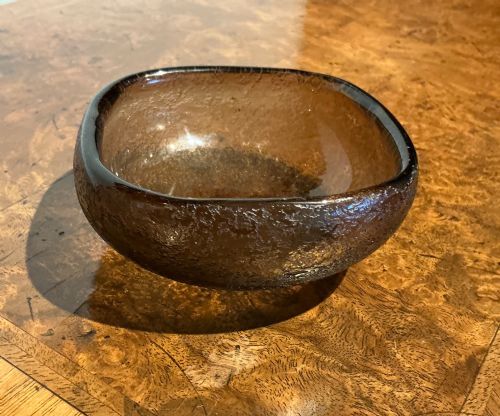
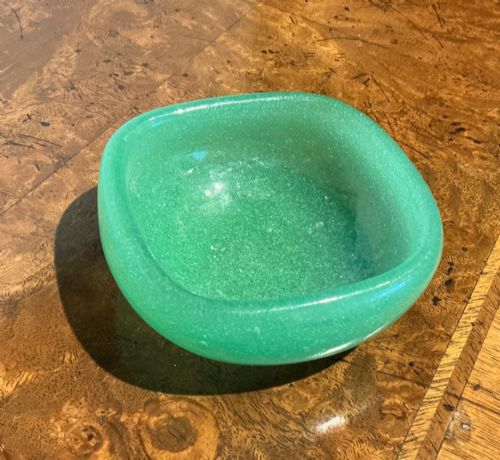
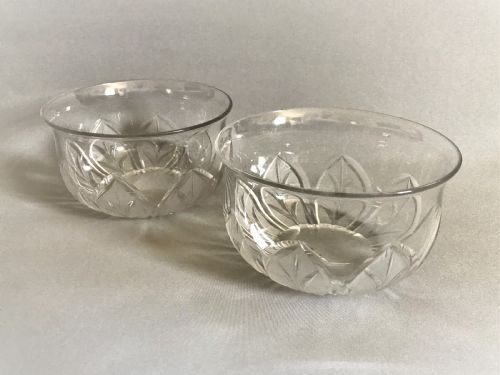
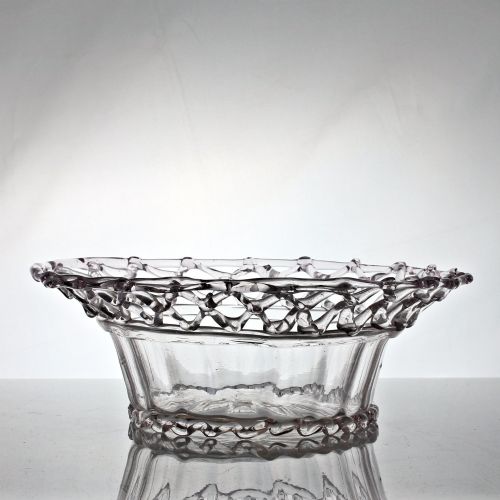
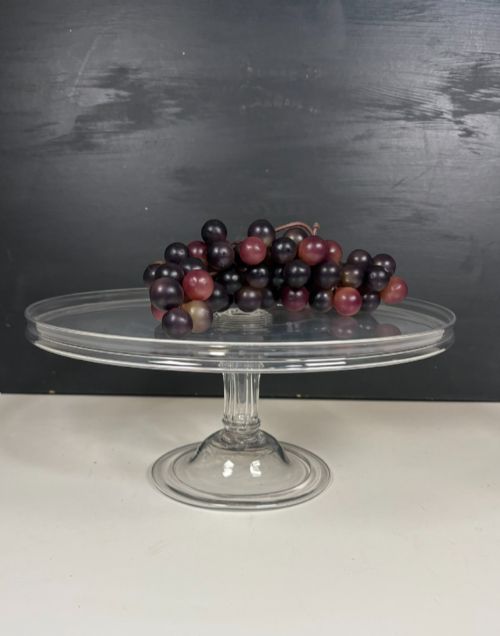
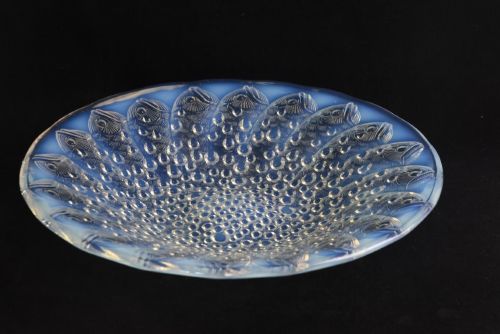
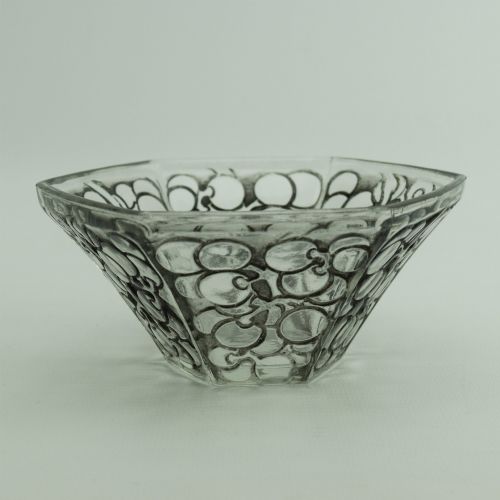
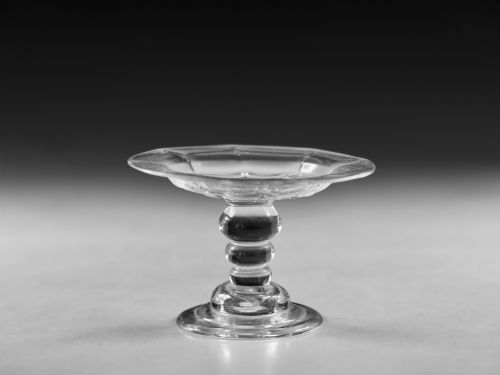
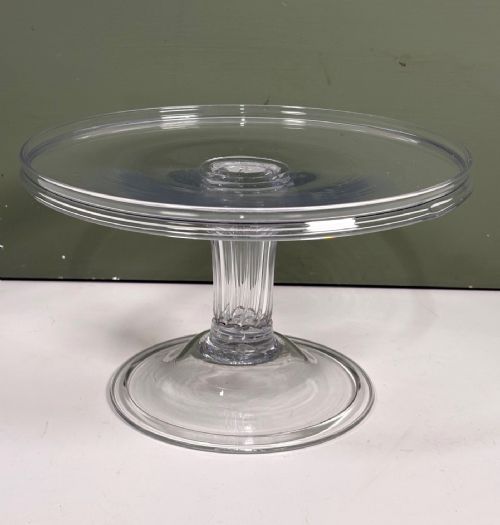
An antique glassware dish encompasses a wide variety of serving vessels, bowls, tazzas, and plates intended for dining and display. You will frequently encounter Georgian sweetmeat glasses, Victorian finger bowls, and twentieth-century opalescent bowls.
The selection ranges from small patch stands and jelly glasses to large fruit bowls and cake stands. European and British workshops produced these items for functional table use as well as ornamental purposes.
Pieces from the eighteenth century focus on lead glass and moulded forms, whereas later Victorian and Edwardian examples often display heavy cutting or coloured glass. The twentieth-century items introduce art glass techniques and moulded opalescence.
How they were made
Makers utilised free blowing, moulding, and cutting techniques to shape lead glass, crystal, and coloured glass. Molten metal was gathered, blown into iron or wooden moulds, or manipulated by hand on the pontil.
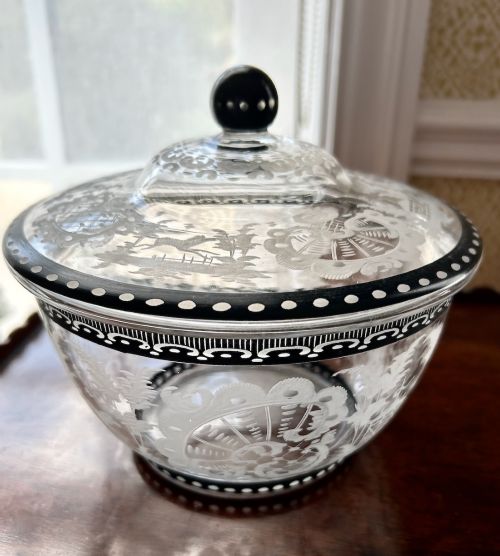
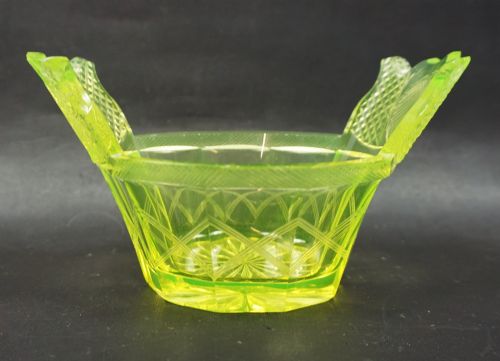
Cutting and engraving involved wheel-cutting deep facets or delicate surface patterns into the cooled vessel. Overlay techniques combined clear glass with layers of coloured glass, which workers then cut through to reveal contrasting hues underneath.
Listings feature items in Cut Glass, Lead Glass, Cranberry Glass, and Enamel materials across Georgian, Victorian, and Art Deco styles.
What varies in quality
The clarity of the metal and the crispness of the cutting distinguish finer pieces from standard production. Sharp, deep facets and smooth polishing indicate superior workshop output.
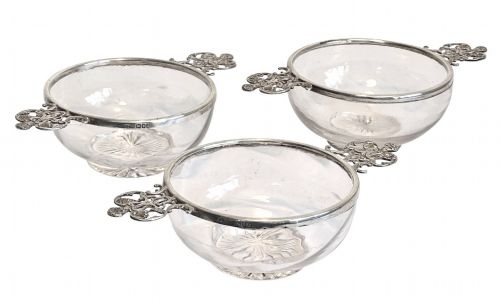
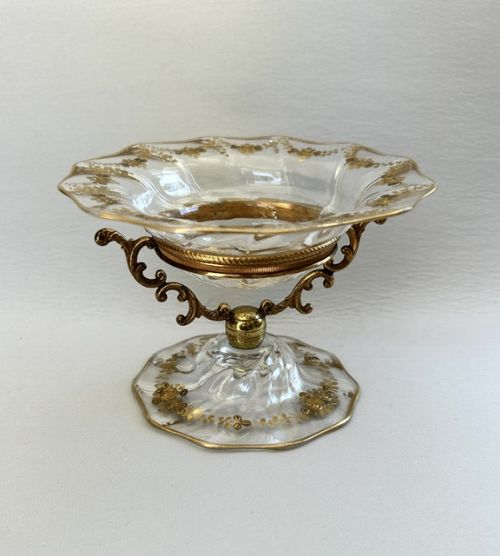
Design complexity and the integration of mounts in silver, ormolu, or enamel elevate certain examples. Well-defined moulding and careful control of colour hues, particularly in opalescent and layered glass, reflect high craftsmanship.
William Comyns·Val St. Lambert·Rene Lalique·Viners
The Antique Glassware Dish Glossary
- Tazza
- A shallow bowl or plate mounted on a stem and foot. This footed form served sweetmeats or fruit at formal tables.
- Sweetmeat
- A small confection or sweet dish served during dessert courses. These pieces often feature deep bowls and multi-knop stems.
- Finger bowl
- A small bowl filled with water for rinsing fingers between courses. Victorian examples frequently display etched or cut patterns.
- Opalescent glass
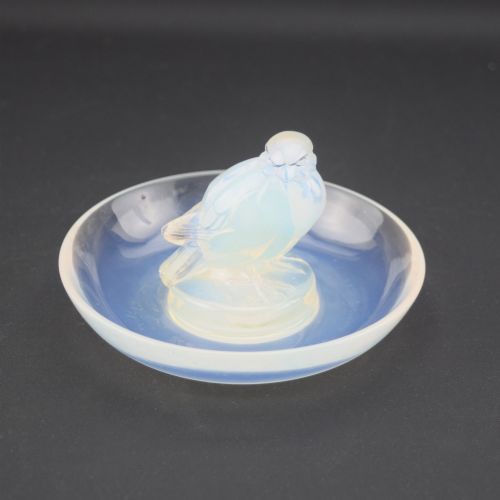
- Glass that exhibits a milky, translucent quality with blue or amber highlights. Light passing through the material creates a distinct shimmering effect.
- Patch stand
- A tiny pedestal dish used in the eighteenth century to hold cosmetic beauty patches. These miniature pieces rest on terraced or folded feet.
Antique Glassware Dish: Frequently Asked Questions
How were finger bowls used?
Guests used finger bowls at the end of a course to rinse their fingers. They contained lukewarm water, sometimes scented with floral elements.
Servants placed them on the table before dessert, often accompanied by a small doily underneath to prevent slipping.
What is a tazza used for?
A tazza served sweets, cakes, and fruit as part of a multi-course table display. Its elevated position added height and visual structure to the dining arrangement.
Wealthy households utilised these footed dishes to showcase sweetmeats and preserves during formal dinners.
What is opalescent glass?
Opalescent glass diffuses light through suspended particles within the metal, creating a milky appearance with bluish or amber tones. Makers achieved this effect by reheating specific chemical formulations during shaping.
Twentieth-century artists utilised this property to accentuate relief-moulded designs on bowls and plates.
How do I care for antique glass?
Wash antique glassware by hand in warm water using a mild, non-abrasive detergent. Avoid sudden temperature changes to prevent cracking the old metal.
Dry the pieces immediately with a soft linen cloth to maintain their polish and prevent water spots.