
Antique Glasses Stand
These antique glasses stand options combine practical service with period craftsmanship, bringing refined utility to any interior.
Antique Glasses Stand
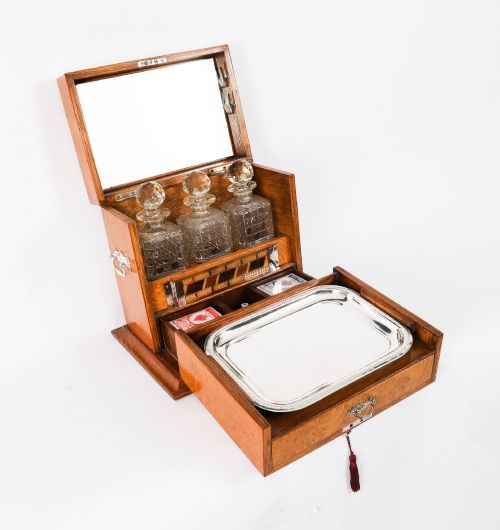
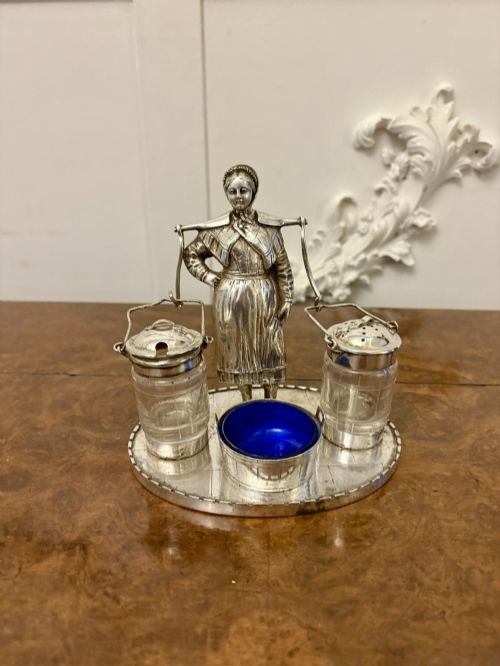
When searching for an antique glasses stand, buyers encounter pieces designed to hold glassware securely, often appearing as decanter sets with silver plated stands or individual condiment holders.
The evidence shows these items spanning Victorian, Edwardian, and Georgian periods, alongside silver mounted glass teapot stands and associated serving pieces.
Most examples originate from the nineteenth and early twentieth centuries, reflecting the formal dining and entertaining habits of those eras.
Materials and Construction
Maker workshops combined heavy cut glass and crystal with structural mounts of silver plate, brass, and solid timber.
Metal components involved casting and silver plating, whilst glass elements frequently featured mould-blowing and hand-finishing techniques.
Listings for antique glasses stands span the Victorian and Edwardian eras, combining cut glass with silver plated frames.
Judging Quality and Execution
Superior examples display crisp casting work on the metal stands and clear, heavy ring in the cut glass vessels they support.
The integration between the glass components and their fitted metal frames demonstrates the skill of the original maker.
Harrods Ltd·Maple & Co.
The Antique Glasses Stand Glossary
- Silver plate
- A thin layer of silver fused to a base metal core. This technique allowed makers to produce affordable luxury tableware during the Victorian period.
- Cut glass
- Glassware shaped and decorated by abrasive wheel cutting. It creates sharp facets that catch the light.
- Decanter set
- A matched grouping of bottles designed for serving wine or spirits, usually held within a secure metal frame.
- Condiment stand
- A small tabletop frame holding cruets or bottles for sauces and seasonings.
Antique Glasses Stand: Frequently Asked Questions
What is an antique glasses stand used for?
These stands served to organise and transport glassware or decanters safely around the dining table. They kept beverages and condiments accessible during formal meals.
In modern homes, they function well as decorative display pieces or practical service items for entertaining guests.
How do I date a silver plated stand?
Dating relies on style markers, manufacturing techniques, and any accompanying hallmarks on the metal mounts. Victorian and Edwardian pieces often display distinct aesthetic preferences.
Examining the depth of the silver plate and the construction of the frame helps determine the exact period.
Are replacement glasses easy to find?
Finding exact period replacements for missing glasses can prove challenging due to the specific mould and cutting patterns used. Most stands were produced as bespoke sets.
Buyers should ensure all original glass components remain with the frame before purchase.
How should I clean silver plated frames?
Silver plate requires gentle cleaning with a specialised non-abrasive polish to preserve the thin metallic layer. Harsh chemicals will strip the plating.
Glass components can be washed separately in warm soapy water and dried thoroughly.