

Antique Glass Wall Mirror
An antique glass wall mirror brings immediate depth, reflected light and traditional craftsmanship to a room.
Antique Glass Wall Mirror
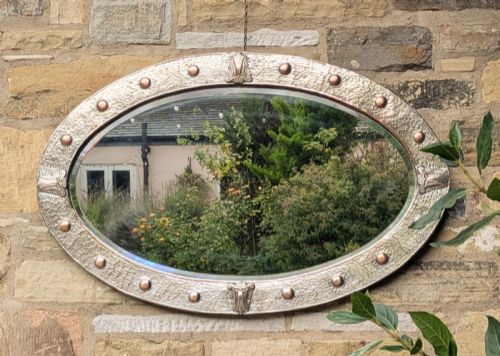
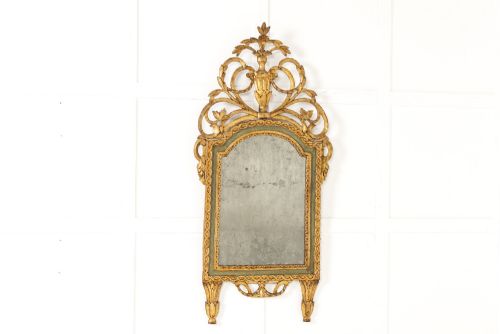
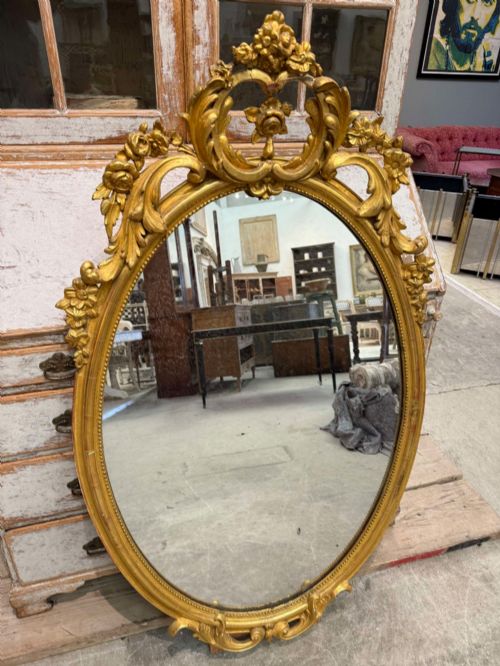
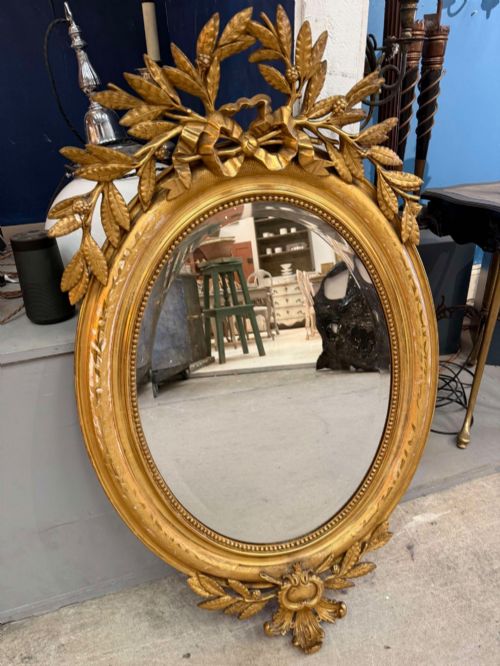
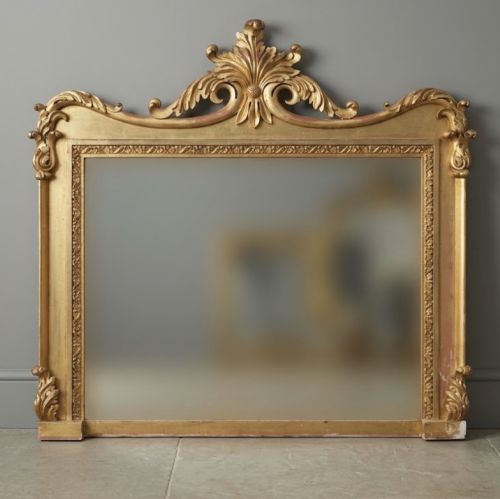
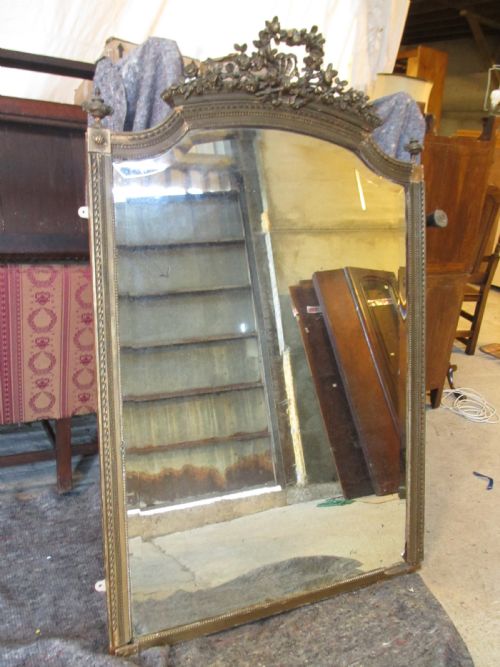
An antique glass wall mirror spans multiple centuries of design, encompassing Georgian, Regency, Victorian and Edwardian periods. These pieces serve practical and decorative functions, appearing as compact oval frames, tall pier mirrors and expansive overmantels.
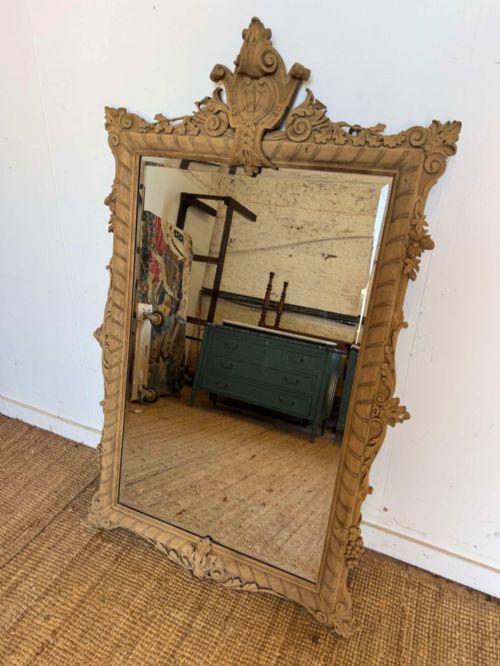
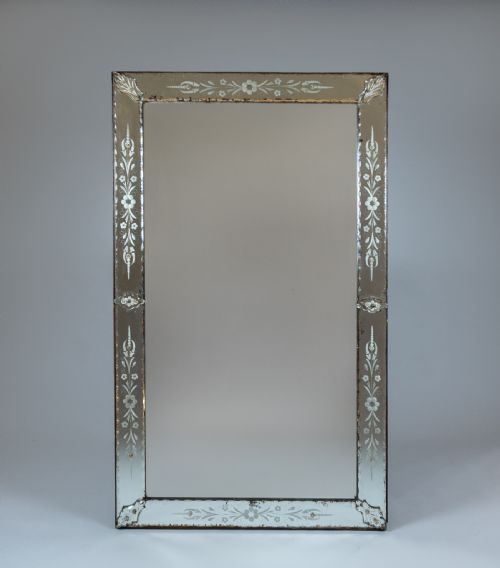
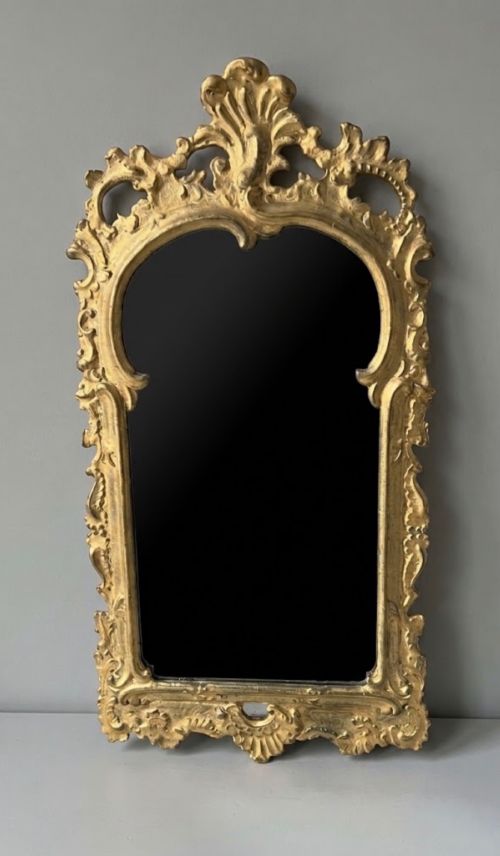
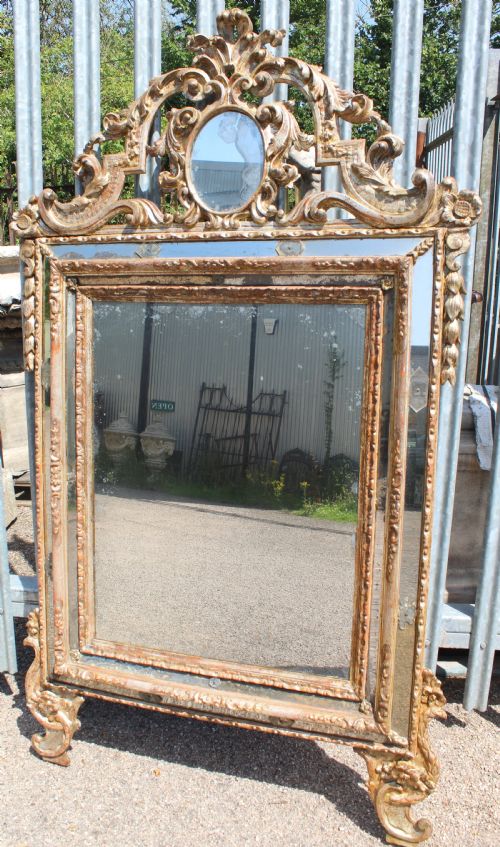
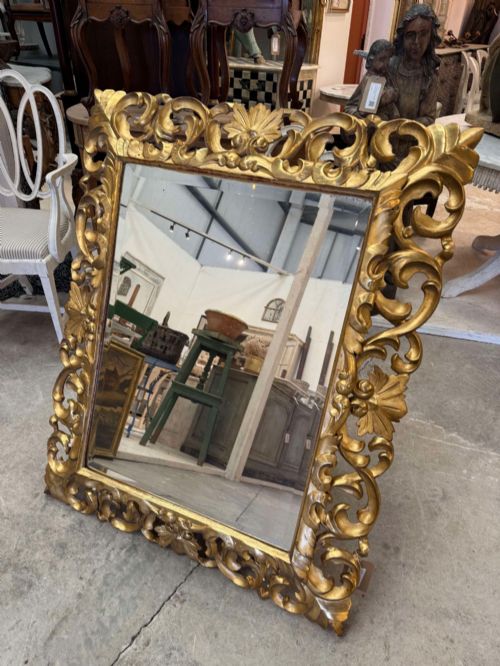
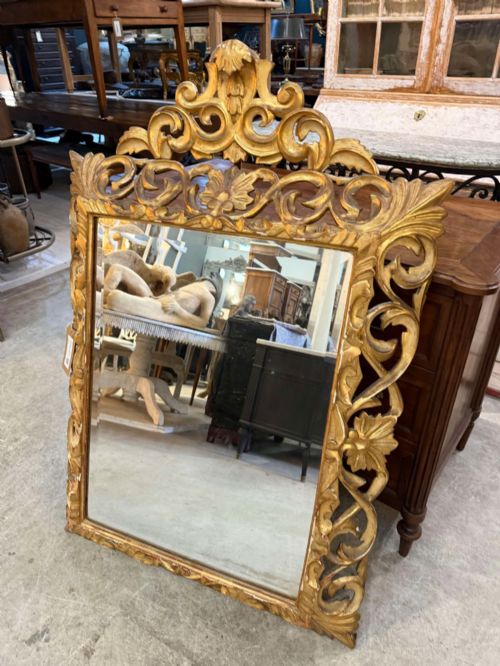
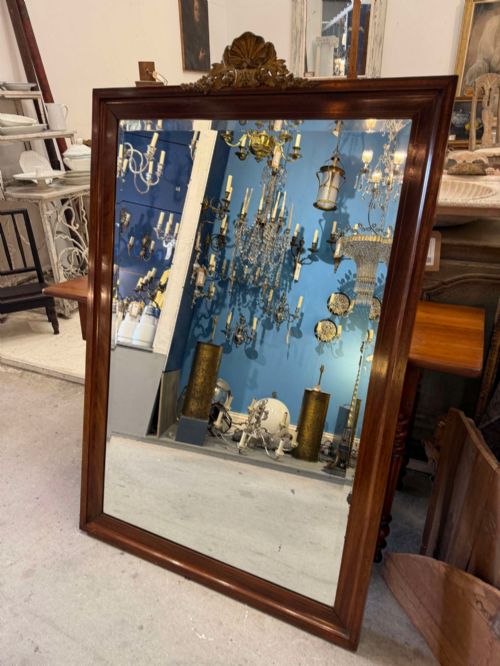
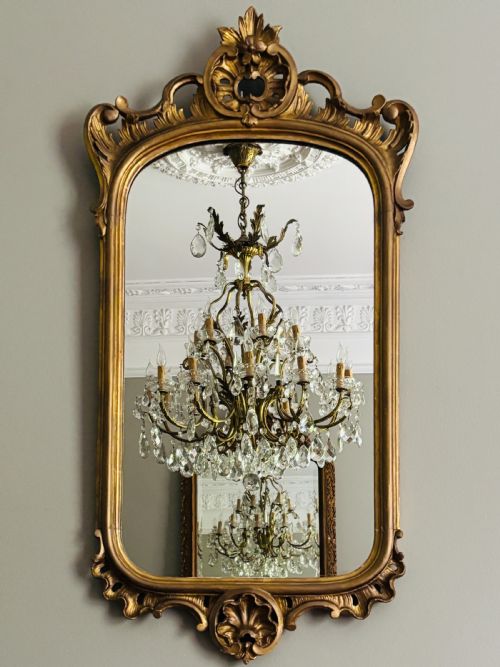
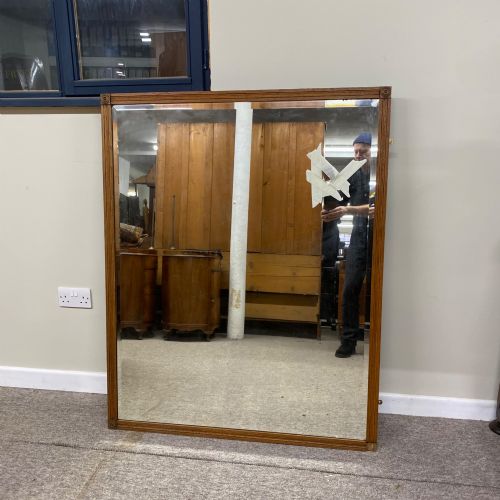
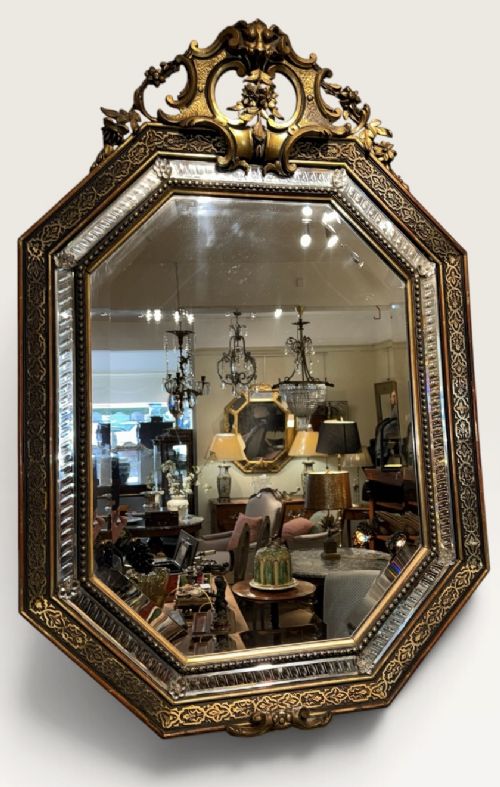
The selection ranges from restrained mahogany fretwork frames to heavily gilded and carved gesso pieces with ornate arched tops. Regional variations include French painted panels, Venetian Murano glass and English walnut constructions.
Buyers encounter formats designed for specific architectural settings, such as console-matching pier glasses or wide overmantels meant to sit above fireplaces. Both domestic English workshops and continental makers contributed to the surviving corpus.
Materials and Craftsmanship
Frames rely heavily on timbers such as oak, mahogany, walnut and rosewood, often paired with carved gesso and applied gold leaf or parcel gilt finishes. Artisans built structural rigidity into the wood before layering intricate decorative motifs.
Reflective surfaces include early mercury glass and later silvered plates, frequently featuring hand-bevelled edges that catch ambient light. Metal elements like gilt bronze and brass appear on specific French and Italian frames.
Antique Glass Wall Mirror Retail Price Guide 2026
Typical asking prices for glass wall mirror among the pieces listed under this phrase on Sellingantiques today, from the lower quarter to the upper quarter. They describe what is for sale here now, not the wider market.
Listings feature woods including oak, mahogany, walnut and rosewood alongside traditional giltwood and gesso finishes.
Distinctions in Execution
Quality rests in the depth and sharpness of the hand-carved ornamentation within the wood and gesso, where superior examples exhibit crisp botanical or mythological detailing rather than soft moulding. The integration between the frame corners and structural joints dictates overall durability.
The character of the mirror plate itself establishes distinction, with original mercury glass and hand-bevelled edges commanding greater appreciation than later replacements. Gilding application thickness and the preservation of original parcel gilt highlights further separate standard utility pieces from exceptional statements.
Waring and Gillow
The Antique Glass Wall Mirror Glossary
- Overmantel mirror
- A wide mirror designed specifically to hang on the wall directly above a fireplace mantelpiece. These often feature expansive horizontal proportions and rich gilt gesso decoration.
- Pier mirror
- A tall, narrow looking glass traditionally hung on the narrow wall space between windows. They frequently paired directly with matching console tables beneath them.
- Gesso
- A plaster-like mixture applied to wooden frames as a base for carving and gilding. Skilled artisans shaped intricate relief patterns into the dry gesso surface before applying gold leaf.
- Mercury glass
- An early type of mirror plate produced by pouring a mercury and tin amalgam behind glass. It produces a distinctive speckled, foxed appearance over time.
- Parcel gilt
- A decorative technique where specific areas of a wood frame are highlighted in gold leaf while the underlying timber grain remains visible elsewhere.
- Fret mirror
- A light, wall-hung frame featuring intricate patterns cut out of thin wood veneer using a fretsaw. These are characteristic of 18th-century Georgian design.
Antique Glass Wall Mirror: Frequently Asked Questions
How do I hang a heavy overmantel mirror?
Due to substantial timber and gesso construction, these large frames require professional wall anchors fixed directly into masonry studs. Wall brackets should support both the base and hanging wire to distribute weight evenly.
Ensuring secure fixture prevents structural warping of the antique frame over time. Consult a specialist structural installer if mounting above active fireplaces.
What is mercury glass?
Mercury glass is an early reflective material made using a liquid amalgam poured between double-walled glass or applied behind a single plate. This historical technique produces a characteristic cloudy depth and dark spots known as foxing.
Such optical irregularities serve as a primary indicator of genuine period manufacture. Modern replacements lack this organic, uneven reflectivity.
How do I tell Regency from Victorian mirrors?
Regency mirrors favor classical restraint, featuring architectural lines, convex circular plates, ball-stud frames, and gilt girandole sconces. Victorian examples lean toward heavier, highly ornate gesso ornamentation with deep relief carvings and elaborate floral motifs.
Comparing the primary timber and the complexity of the crest helps clarify the era. Regency pieces often use leaner proportions compared to dense Victorian overmantels.
Can I clean antique mirror glass safely?
Clean the glass surface using a soft microfiber cloth and a minimal amount of neutral, alcohol-free glass cleaner. Avoid spraying liquid directly onto the glass to prevent moisture seeping behind the silvering or original mercury backing.
Keep cleaning fluids away from giltwood and gesso frames, as moisture degrades historic water gilding. Dust wooden frames gently with a dry, soft brush instead.